Attractions and Places To See around Allemant - Top 20
Best attractions and places to see around Allemant include historical sites and natural landscapes within the Aisne department of Hauts-de-France. This rural commune is situated in a region known for its role in World War I, offering numerous historical monuments and memorials. The surrounding area features forests, river valleys, and vineyards, providing diverse outdoor exploration opportunities.
Best attractions and places to see around Allemant
- The most popular attractions is Coucy Castle, a castle that was built in the 13th…
Last updated: July 6, 2026
Coucy Castle
Highlight • Castle
Translated by Google •
Tip by

Laon Gate (Coucy-le-Château-Auffrique)
Highlight • Other
Translated by Google •
Tip by

Sign up now to discover places like this
Get recommendations on the best single tracks, peaks, & plenty of other exciting outdoor places.
Sign up for free
Saint-Sauveur Church of Coucy-le-Château-Auffrique
Highlight • Religious Site
Tip by

Fort of Condé
Highlight • Other
Translated by Google •
Tip by

Malmaison German Cemetery
Highlight • Historical Site
Showing Translation
Tip by
Sign up for free to discover even more attractions around Allemant.
Sign up for free
Already have an account?
Start today with a free account
Your next adventure awaits.
Login or Signup

Tips from the Community

This large German war cemetery is located near Fort de La Malmaison, along the Chemin des Dames. It was established in 1941 by the Wehrmacht to centralize scattered graves from the Aisne region. After the war, the site was officially recognized by a Franco-German convention in 1954 and solemnly inaugurated in 1965. Nearly 11,850 German soldiers rest here, primarily fallen during the 1940 campaign and the fighting after the Allied landings in Normandy in 1944. Between 1960 and 1961, over 6,800 bodies were reburied from six surrounding departments. The cemetery is sober and serene, with rows of dark crosses and a memorial stone. It serves as a silent reminder of the fierce fighting in this region and is an important stop on remembrance routes along the Chemin des Dames.
6
0


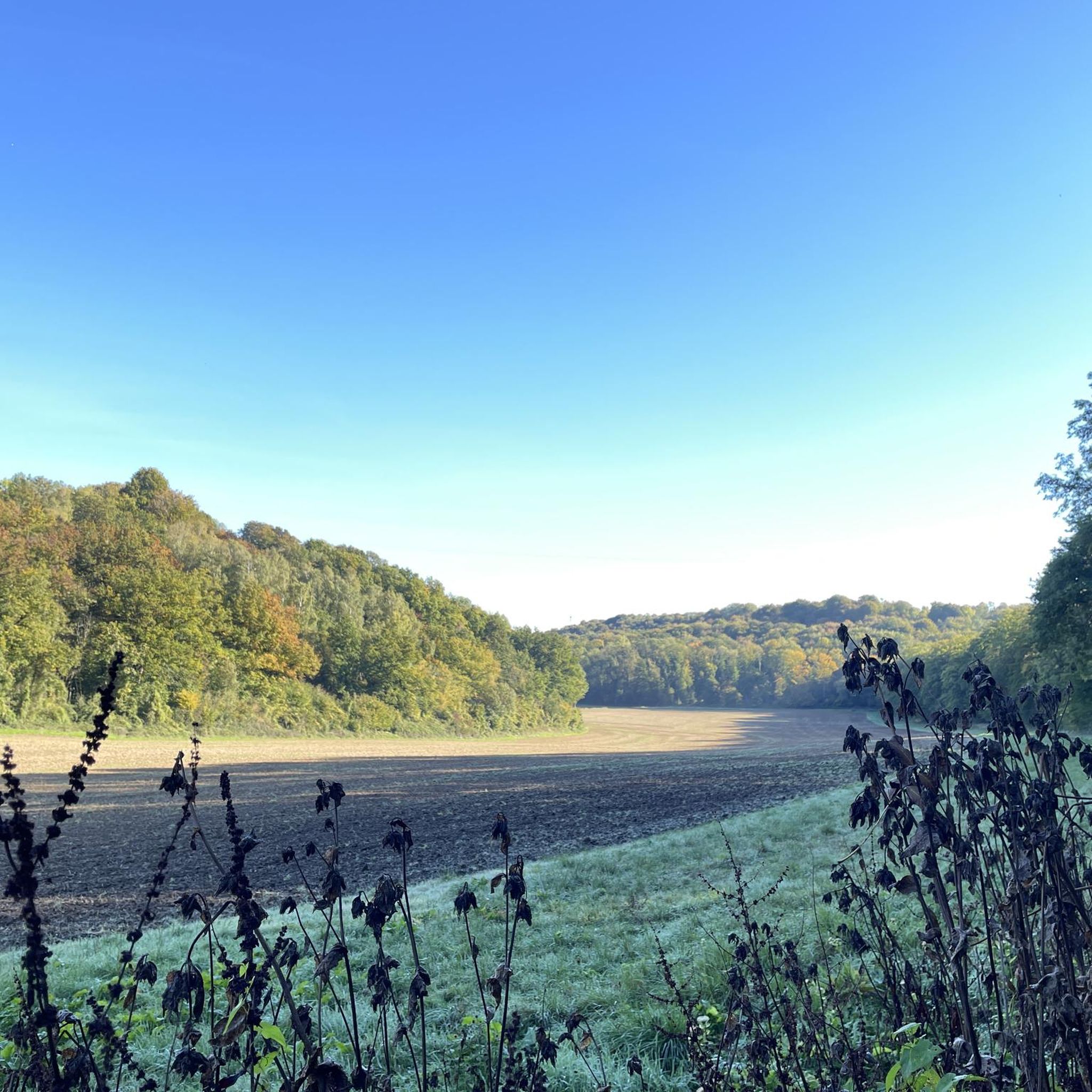
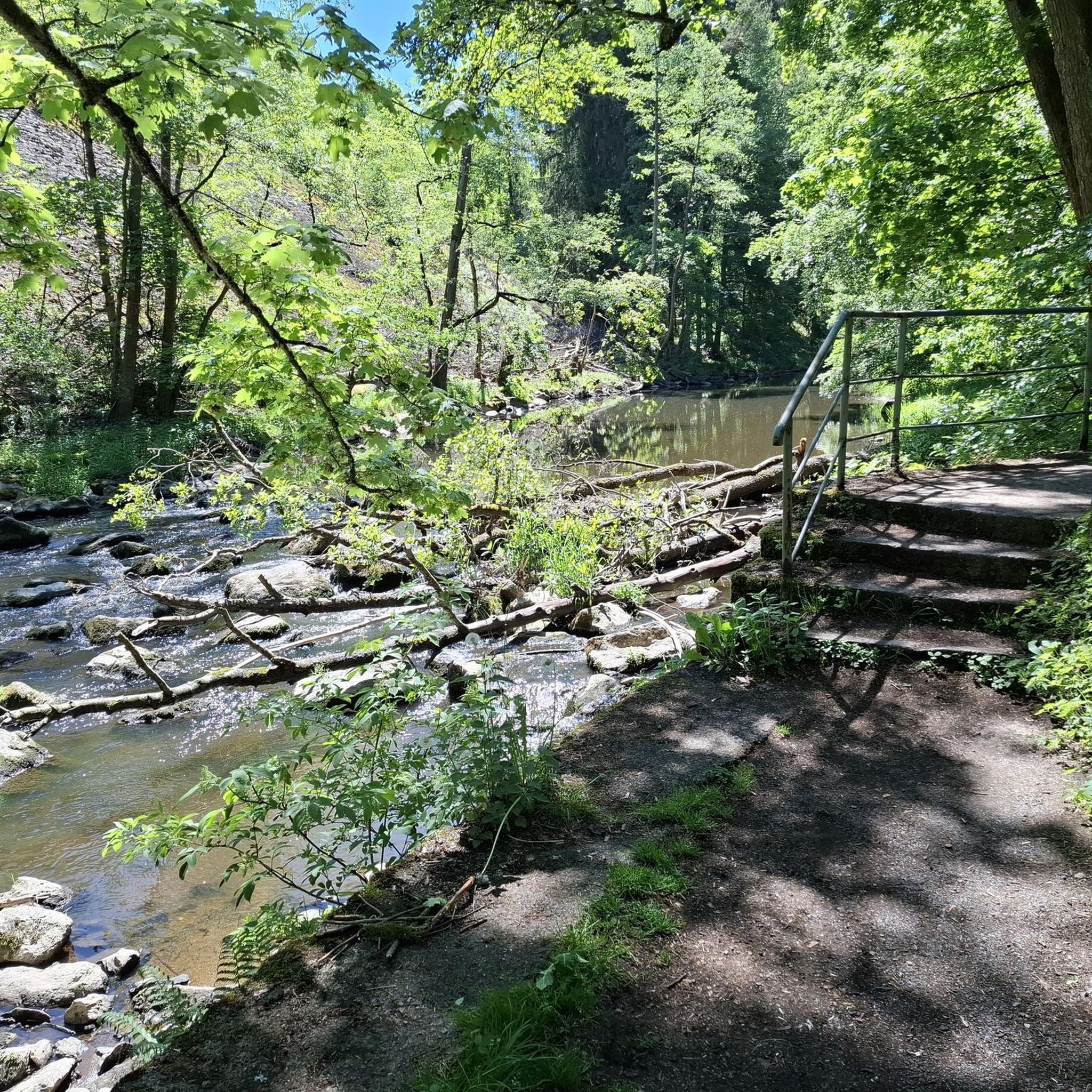
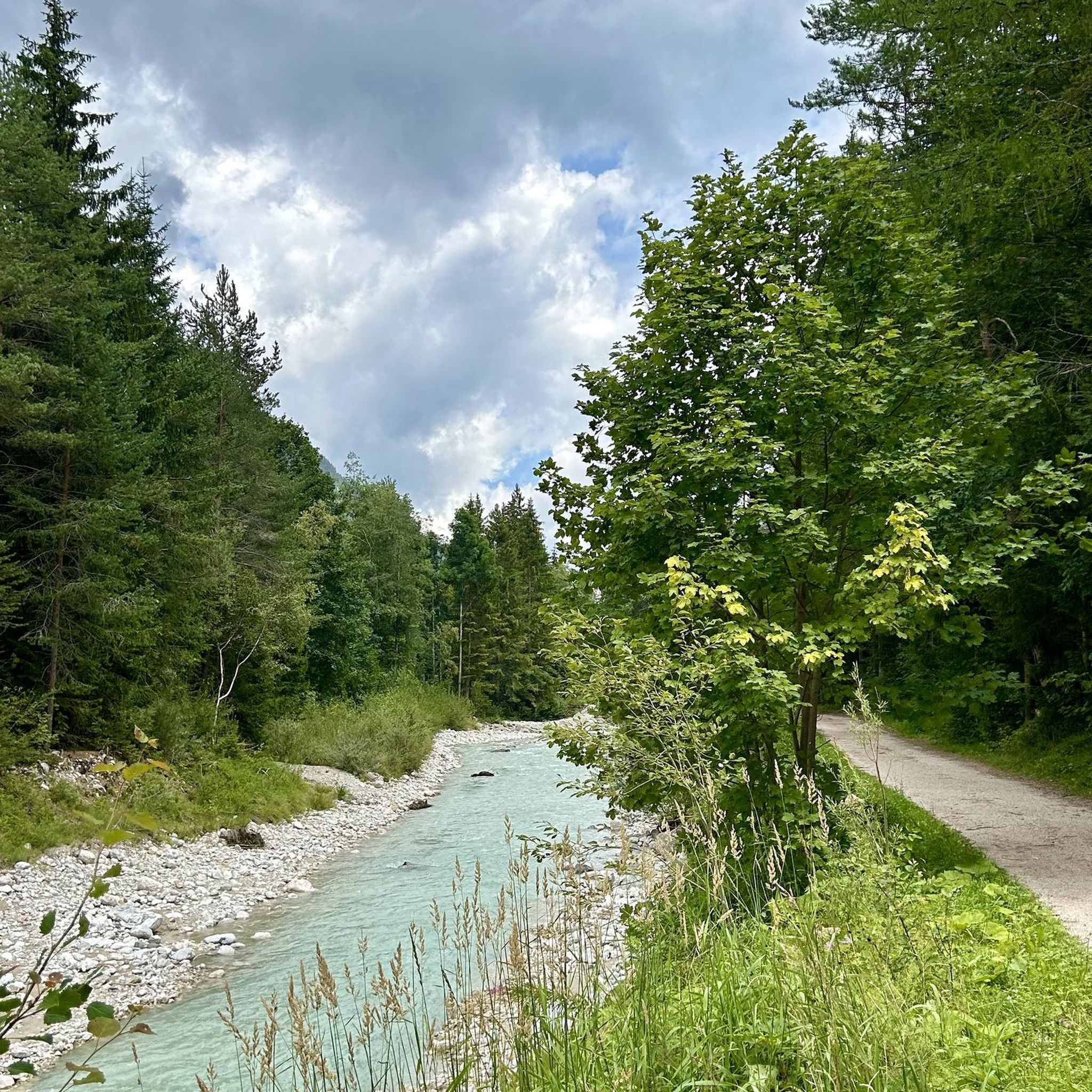
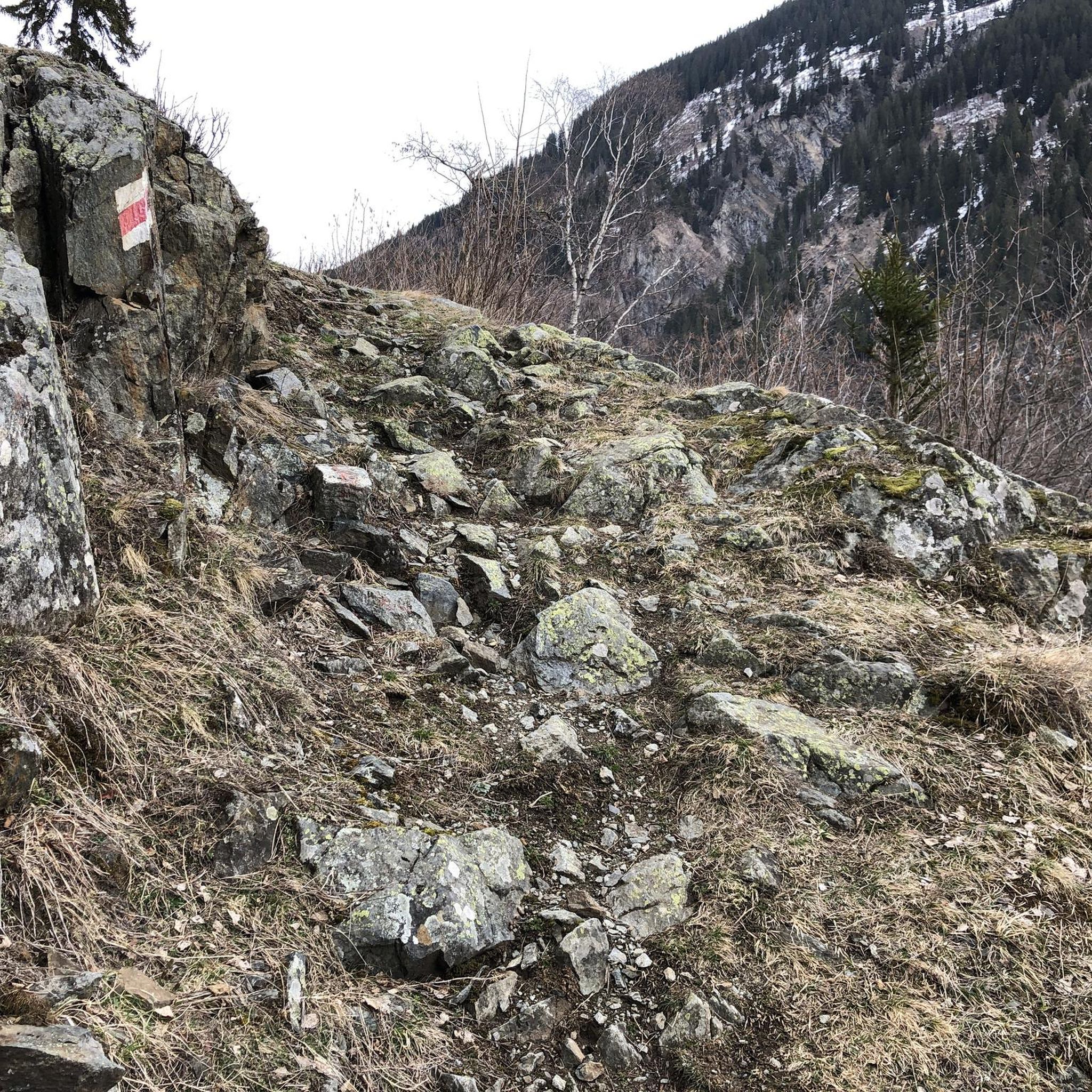
great hike on foot and by mountain bike. see hiking the mountains of Missy see you in 2025. To discover .
0
0


Coucy Castle is a magnificent castle built in the 13th century by Enguerrand III, Lord of Coucy. It was one of the largest and most impressive castles in Europe, with a massive keep and four towers dominating the landscape. The castle was partially destroyed during the First World War, but its ruins still bear witness to its past glory. You can discover the castle and its history by participating in the Trail Enguerrand, a running race that takes you around the castle and its surroundings. The race is 30 km long, with 700 m of altitude difference, and it offers breathtaking views of the castle and the countryside. You can also opt for a shorter distance of 15 km, with 370 m of elevation gain. The race takes place in April and you can register online on the official website. By hiking this trail, you will not only get a good workout, but also a cultural and historical experience.
2
0
This medieval gate, built in the 13th century, was part of the impressive fortifications of Coucy-le-Château, a town once famous for its castle and its motto: "I am neither king, nor prince, nor count, I am the lord of Coucy ". The Porte de Laon is a massive structure with two round towers and an arched passage, defended by a drawbridge, a double portcullis and a barbican. You can admire the architecture and military devices of this ancient bastion, as well as the panoramic view of the city and the surrounding countryside.
3
0

Such places – usually referred to as "war cemeteries" or "military cemeteries" – are still very important today as memorials to the countless war dead. "Now let your servant, Lord, depart in peace, as you have promised..." reads the so-called "Song of Simeon" (Gospel of Luke, chapter 2, verse 29). The many people buried here, however, by no means departed in peace, but became victims of war and inhuman tyranny. The most important and at the same time eternal function of military or honor cemeteries, or war cemeteries, is therefore to keep the memory of this suffering alive and – every generation anew (!) – to admonish to the lasting preservation of peace.
0
0

These 19th-century forts had already lost their invincibility in the second half of the century and were more of a "belt of remnants" that no longer played a major strategic role. It was only when the Chemin des Dames became a deadlock as a front area that they became relevant again for a short time. Here you can feel this survived history well, the cellar-like bunkering on the mountain. Almost a small green overgrown labyrinth today....
0
0
Frequently Asked Questions
What historical sites related to World War I can I visit near Allemant?
The region around Allemant played a significant role in World War I. You can explore the Fort of Condé, a well-preserved 19th-century fortress that became relevant during the war. The Malmaison German Cemetery, located along the Chemin des Dames, is a poignant reminder of the fierce fighting, serving as the resting place for nearly 12,000 German soldiers. The Chemin des Dames itself is a historical trail with memorials and museums, and the Caverne du Dragon (Dragon's Cave) offers insight into trench warfare.
Are there any medieval castles or fortifications to explore in the Allemant area?
Yes, the area is rich in medieval history. You can visit Coucy Castle, a magnificent 13th-century fortress, though partially in ruins, it still showcases its past glory. Nearby, the Laon Gate (Coucy-le-Château-Auffrique), also from the 13th century, was part of Coucy-le-Château's impressive fortifications and offers panoramic views. The medieval city of Laon, with its stunning Gothic Cathedral, is also a notable site.
What natural attractions or outdoor spaces are available near Allemant?
For nature lovers, the Forests of Retz and Saint-Gobain offer extensive opportunities for hiking and cycling. The Oise and Aisne Valleys provide picturesque landscapes for leisurely strolls. Ailette Lake, near Chamouille, is ideal for walking trails and water sports. Additionally, the Aisne department is part of the Champagne region, allowing visitors to explore lush vineyards, particularly around Château-Thierry.
What kind of outdoor activities can I do around Allemant?
The region offers diverse outdoor activities. You can find numerous hiking trails, including moderate routes like the 'Fort de Condé – Fort of Condé loop' or the 'View of Chevregny – Lake Monampteuil loop'. For cycling, there are gravel biking routes such as the 'View of Lake Ailette – Vauclair Abbey loop'. Running enthusiasts can explore various loops around Anizy-le-Grand or Pinon. For more details on routes, check the Hiking around Allemant, Gravel biking around Allemant, and Running Trails around Allemant guides.
Are there family-friendly attractions or activities near Allemant?
Many historical sites like Coucy Castle and the Malmaison German Cemetery are suitable for families interested in history. For outdoor fun, Ailette Lake offers walking trails and water sports. The Forests of Retz and Saint-Gobain are great for family hikes and bike rides. Exploring the medieval city of Laon with its unique cathedral can also be an engaging experience for all ages.
What are some notable religious buildings or architectural sites in the vicinity?
The Saint-Sauveur Church of Coucy-le-Château-Auffrique, with origins dating back to the 12th century and modern stained glass, is a significant religious and architectural site. The impressive Soissons Cathedral and the Gothic masterpiece of Laon Cathedral, known for its unique towers, are also prominent examples of religious architecture in the wider region.
What is the best time of year to visit attractions around Allemant?
The spring and autumn months generally offer pleasant weather for exploring both historical sites and natural landscapes. Spring brings blooming nature, while autumn showcases beautiful foliage, especially in the forests and vineyards. Summer is also popular for outdoor activities, though it can be warmer. Winter can be quieter, with some sites potentially having reduced hours.
Are there any unique cultural or industrial heritage sites to discover?
Yes, the Familistère de Guise, a 19th-century 'social palace' built by Jean-Baptiste André Godin, is an intriguing site showcasing a utopian vision for workers' social justice. This offers a unique glimpse into industrial and social history beyond the more common medieval and WWI sites.
What towns near Allemant are worth visiting for their history or architecture?
Soissons, one of France's oldest towns, features the ruins of Saint-Jean-des-Vignes Abbey and its impressive cathedral. Laon, a medieval city perched on a hill, boasts a magnificent Gothic cathedral and charming cobbled streets. Château-Thierry, the birthplace of Jean de La Fontaine, also has World War significance. Saint-Quentin, rebuilt in Art Deco style after WWI, offers a unique architectural experience.
Can I find local markets or culinary experiences in the area?
While Allemant itself is a small commune, nearby towns like Soissons, Laon, and Fere-en-Tardenois host local markets on various days of the week, offering regional produce and goods. Additionally, being part of the Champagne region, areas around Château-Thierry and Epernay provide opportunities to explore vineyards and visit Champagne houses.
What do visitors enjoy most about the attractions around Allemant?
Visitors particularly appreciate the rich historical significance of the area, especially the well-preserved fortresses and poignant WWI sites like the Fort of Condé and the Malmaison German Cemetery. The impressive medieval architecture of Coucy Castle and the panoramic views from the Laon Gate are also highly rated. The blend of historical exploration with beautiful natural landscapes, like the surrounding forests and valleys, is a key draw.
Most popular routes around Allemant

Get inspired with the komoot mobile app


Explore more
Still not found the Highlight you’re looking for? See guides of the top attractions in other regions:
