Attractions and Places To See around Ciry-Salsogne - Top 20
Best attractions and places to see around Ciry-Salsogne include a mix of historical sites and natural landscapes. This commune in the Aisne department of France features local landmarks such as a historic church and a 17th-century castle. The surrounding region offers access to significant architectural sites, memorials, and extensive natural reserves, providing diverse exploration opportunities.
Best attractions and places to see around Ciry-Salsogne
- The most popular attractions is Septmont Keep, a castle that is a 14th-century medieval tower near…
Last updated: October 10, 2026
Septmont Keep
Highlight • Castle
Translated by Google •
Tip by

Saint-Jean-des-Vignes Abbey, Soissons
Highlight • Other
Translated by Google •
Tip by
Sign up now to discover places like this
Get recommendations on the best single tracks, peaks, & plenty of other exciting outdoor places.
Fort of Condé
Highlight • Other
Translated by Google •
Tip by

Soissons Cathedral
Highlight • Other
Translated by Google •
Tip by
Malmaison German Cemetery
Highlight • Historical Site
Showing Translation
Tip by
Sign up for free to discover even more attractions around Ciry-Salsogne.
Already have an account?
Start today with a free account
Your next adventure awaits.


Tips from the Community

Located in the Aisne region, Septmonts Castle was originally the country residence of the bishops of Soissons. Built between the 12th and 16th centuries, it retains several original features, such as the so-called Saint-Louis Room. Visitors can discover a 14th-century keep and square tower, as well as a 16th-century Renaissance pavilion. Bombed during the First World War, Septmonts Castle is now classified as a historical monument for its chapel and keep, and an inscription for the rest of the buildings. The impressive keep is over forty meters high and consists of seven stories of complex architecture. Septmonts Castle itself is adorned with a park featuring an arboretum and an orchard. The entire complex is open to the public, and the Renaissance residence also hosts temporary exhibitions. Every June, the site hosts the Pic'Arts rock festival concerts.
6
0

This large German war cemetery is located near Fort de La Malmaison, along the Chemin des Dames. It was established in 1941 by the Wehrmacht to centralize scattered graves from the Aisne region. After the war, the site was officially recognized by a Franco-German convention in 1954 and solemnly inaugurated in 1965. Nearly 11,850 German soldiers rest here, primarily fallen during the 1940 campaign and the fighting after the Allied landings in Normandy in 1944. Between 1960 and 1961, over 6,800 bodies were reburied from six surrounding departments. The cemetery is sober and serene, with rows of dark crosses and a memorial stone. It serves as a silent reminder of the fierce fighting in this region and is an important stop on remembrance routes along the Chemin des Dames.
6
0

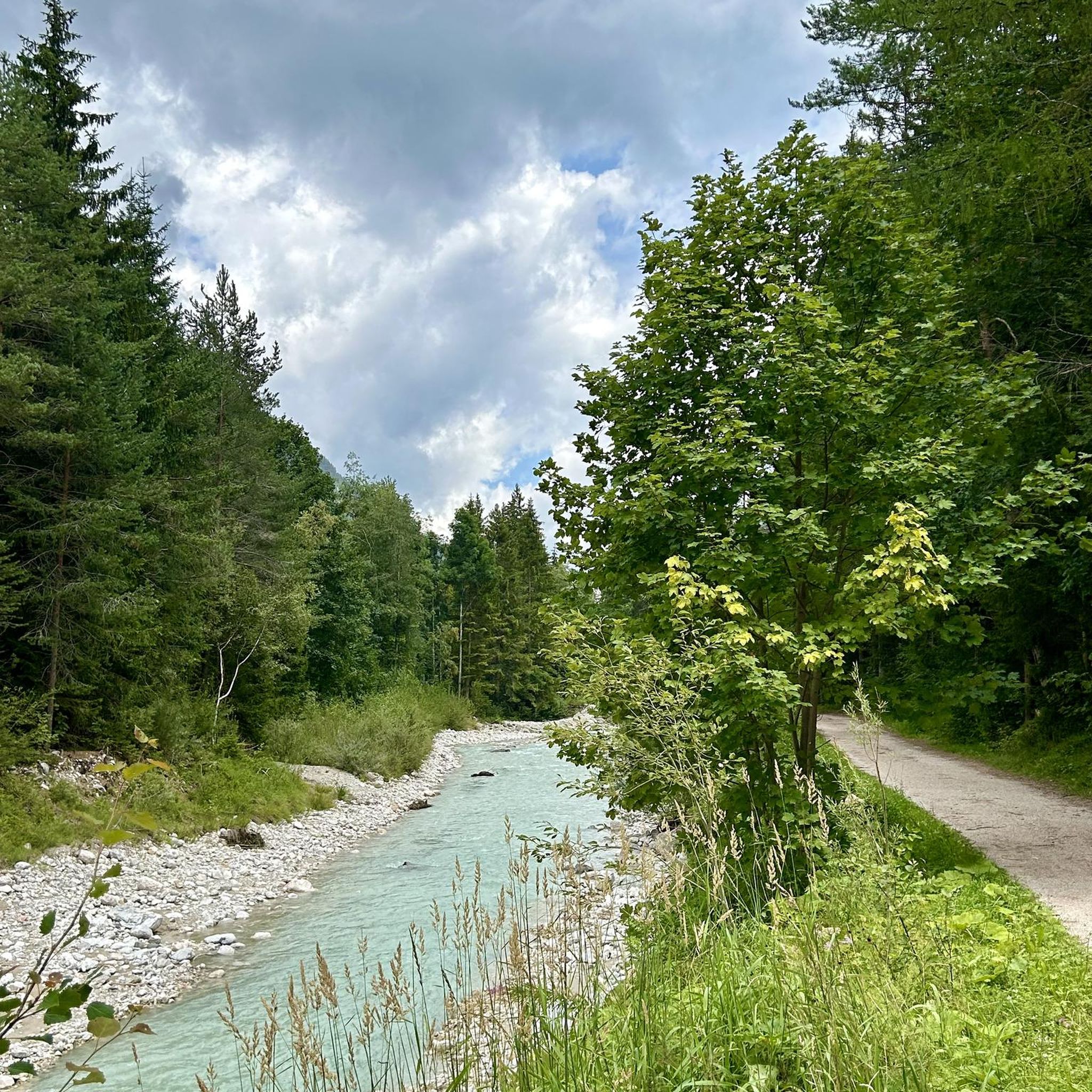
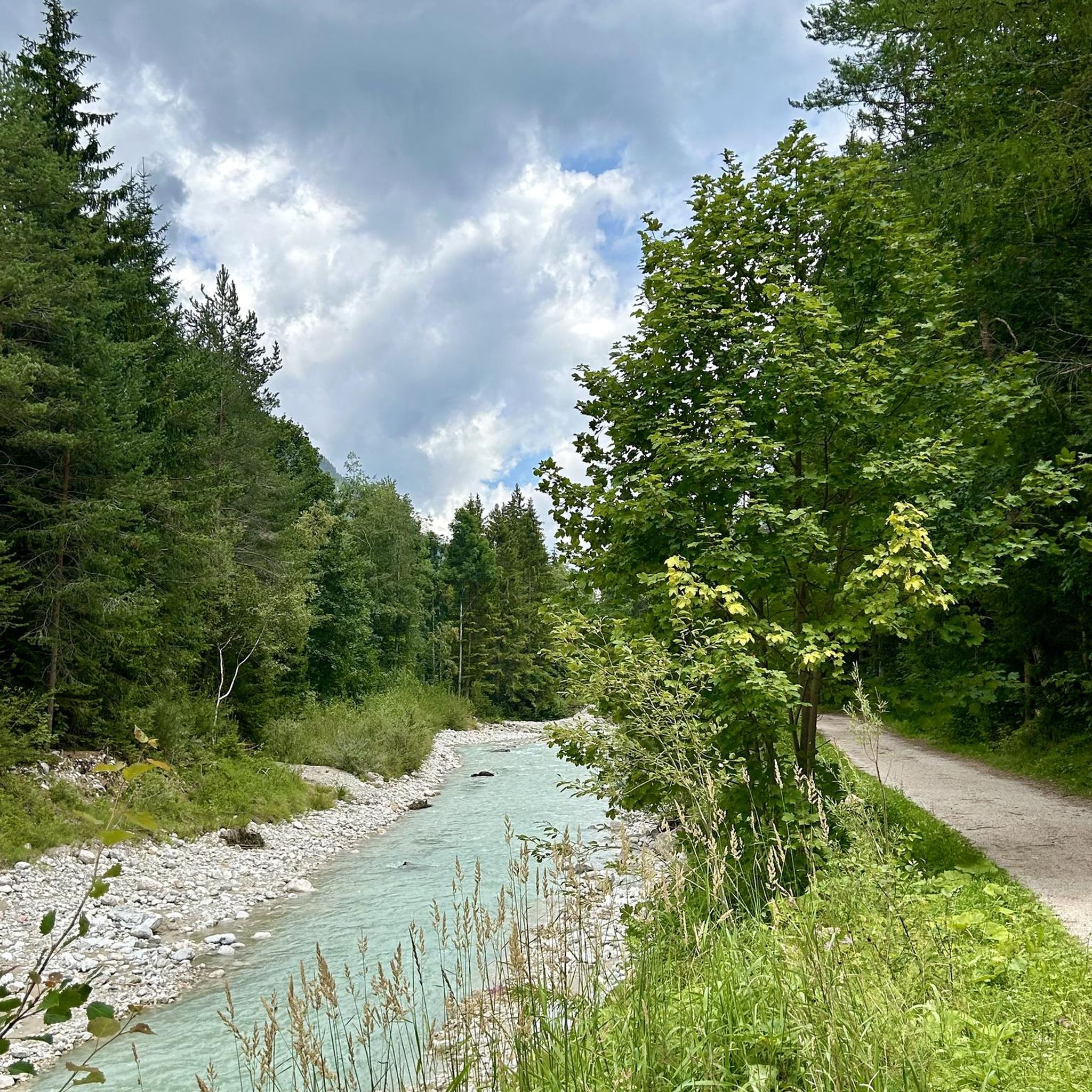
great hike on foot and by mountain bike. see hiking the mountains of Missy see you in 2025. To discover .
0
0

The Abbaye Saint-Jean-des-Vignes is a former abbey of Augustinian canons in Soissons, France. It was founded in 1076 by Hugues le Blanc, lord of the region, and was one of the richest abbeys in the Middle Ages at the time. The abbey is located on the Saint-Jean hill, southwest of the city center of Soissons and has a Gothic architecture. It is currently a historical monument and is open to visitors. It includes a beautiful facade, a refectory, a cloister and outbuildings. The former abbot's house houses the Center for the Interpretation of Architecture and Heritage.
9
0
This early Gothic cathedral, located in the heart of Soissons, was built from 1176 and continued to develop until the 14th century. Dedicated to the martyrs Gervasius and Protasius, it serves as the seat of the Bishop of Soissons. The oldest part is the southern transept, with a striking quadripartite structure and a rounded apse. The choir, completed around 1212, is light and spacious, surrounded by an ambulatory with five chapels. The stained glass windows date largely from the 13th and 14th centuries. A 15th-century tapestry depicts the lives of the patron saints. The west façade is simple but impressive, with three portals and a large rose window. Only one of the two planned towers was built; this southern tower, 66 metres high, was inspired by Notre-Dame de Paris . Inside, you will also find works of art by Rubens and Philippe de Champaigne. Despite damage during the First World War, the cathedral remained a powerful symbol of Gothic architecture and religious history in northern France.
9
0
The Donjon de Septmonts is a medieval tower in the French village of Septmonts, located near Soissons, in the Hauts-de-France region. The tower was built in the 14th century and was originally part of a castle that served as a residence for the bishops of Soissons. The tower is 47 meters high and has seven floors. It is a striking example of the princely style of the late 14th century, combining both military and residential functions. The tower is currently undergoing a restoration programme.
7
0

The Keep of Septmonts is a 14th century tower which was once the residence of the bishops of Soissons. The tower is 45 meters high and offers panoramic views of the surrounding countryside. You can also explore the park and arboretum surrounding the tower, where you will find a variety of trees, plants and flowers from different continents. The park also has a picnic area, playground and vineyard that reflects the local wine heritage. The Donjon de Septmonts is open every day from May to September and on weekends the rest of the year. Entrance is free and you can enjoy a guided tour or a self-guided tour with an audio guide. The Donjon de Septmonts is a privileged place to discover the history and nature of this charming village in Aisne.
2
0
Frequently Asked Questions
What historical sites can I visit within Ciry-Salsogne itself?
Within the commune of Ciry-Salsogne, you can visit the historic Église Saint-Martin, rebuilt after World War I and housing a unique scale model of Rio's Christ the Redeemer. The remnants of the Château de Salsogne, constructed in 1683, also offer a glimpse into the region's past, despite its ruined state.
Are there any significant historical monuments related to World War I in the area?
Yes, the region has several important sites commemorating World War I. The Soissons Memorial to the Missing of the Aisne commemorates nearly 4,000 British soldiers who died in the 1918 Aisne and Marne battles. Additionally, 'The Phantoms' Monument on the Butte de Chalmont commemorates the Battle of the Marne in 1918.
What natural features can I explore around Ciry-Salsogne?
Ciry-Salsogne is traversed by the Vesle and Aisne rivers, and features several artificial lakes known as 'sablières'. The Saint-Jean stream offers a tranquil spot for walks. The broader region also includes significant natural reserves and forests like Foret de Retz and Forêt de Compiègne, ideal for outdoor activities.
What are some notable medieval or Gothic architectural sites near Ciry-Salsogne?
You can explore several impressive architectural sites. The Septmont Keep is a 14th-century medieval tower near Soissons. In Soissons, the Abbey Saint-Jean-des-Vignes showcases Gothic architecture, and the Soissons Cathedral is an early Gothic masterpiece. Further afield, Laon boasts an astonishing early Gothic cathedral, and Pierrefonds Chateau is a magnificent castle.
What outdoor activities can I do near these attractions?
The area around Ciry-Salsogne offers various outdoor activities. You can find numerous running trails, cycling routes, and mountain biking paths. For specific routes, explore the Running Trails around Ciry-Salsogne, Cycling around Ciry-Salsogne, and MTB Trails around Ciry-Salsogne guides.
Are there family-friendly attractions around Ciry-Salsogne?
Yes, several attractions are suitable for families. The Septmont Keep, with its park and arboretum, is considered family-friendly. The Fort of Condé also offers beautiful green surroundings with benches and tables, making it a pleasant spot for families to explore.
What do visitors enjoy most about the attractions near Ciry-Salsogne?
Visitors often appreciate the blend of history and nature. For instance, the Septmont Keep is praised for its impressive architecture and the peaceful park ideal for picnics. The Fort of Condé is noted for its well-preserved structure and beautiful green surroundings, perfect for walks.
Is there a well-preserved fortress I can visit nearby?
Yes, the Fort of Condé is a well-preserved 19th-century fortress that can be visited, offering insights into its historical significance and providing beautiful green surroundings for visitors.
Are there any wheelchair-accessible historical sites in the vicinity?
Yes, the Soissons Memorial to the Missing of the Aisne is noted as being wheelchair accessible, allowing visitors to pay their respects at this significant World War I monument.
What is the best time of year to visit Ciry-Salsogne and its surrounding attractions?
The region generally offers pleasant conditions for exploring during spring, summer, and early autumn. These seasons provide comfortable weather for outdoor activities like hiking and cycling, and for visiting historical sites and natural areas.
Can I find places to eat or stay near Ciry-Salsogne?
While specific establishments are not detailed here, Ciry-Salsogne and its proximity to larger towns like Soissons mean you can find various options for cafes, restaurants, and accommodation, including gîtes ruraux, to suit your needs during your visit.
What is the significance of the Église Saint-Martin in Ciry-Salsogne?
The Église Saint-Martin is significant for its post-World War I reconstruction (1924-1926) and its unique cultural treasure: an authentic 2.40-meter-high scale model of Rio's Christ the Redeemer, donated by sculptor Paul Landowski in 1926, making it the only one of its kind in France.

Get inspired with the komoot mobile app


Explore more
Still not found the Highlight you’re looking for? See guides of the top attractions in other regions:
