The best walks and hikes around La Rivière-De-Corps
4.5
(377)
2,620
hikers
218
hikes
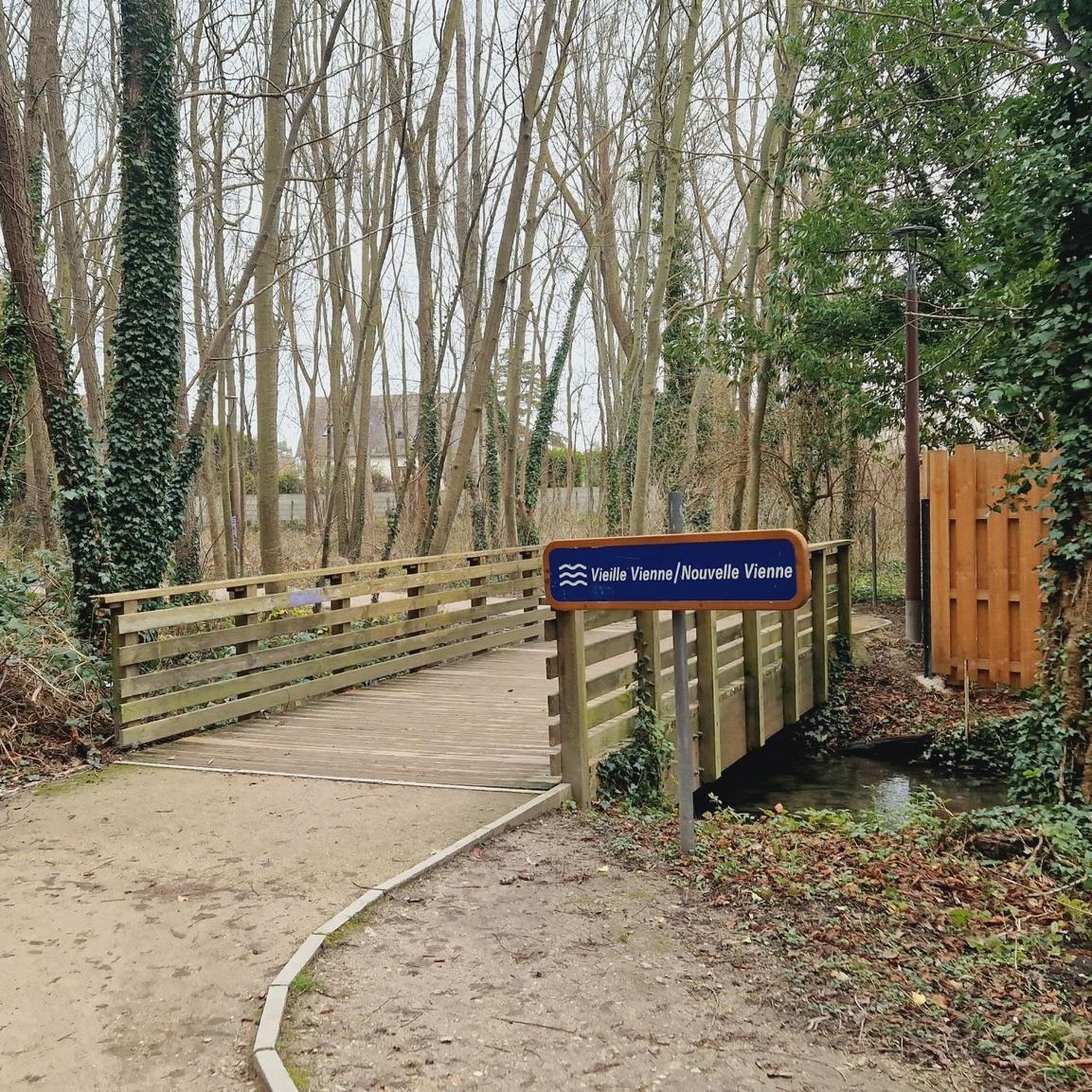
Hiking around La Rivière-De-Corps offers access to a landscape characterized by the Vienne Valley, which provides a rural setting for walks. The commune's commitment to green spaces is recognized by its "Villes et Villages Fleuris" label. Situated near Troyes, the area benefits from its proximity to wider natural regions, including the Lakes of the Forêt d'Orient. This location provides varied walking routes La Rivière-De-Corps, from urban strolls to more extended treks.
Best hiking trails around La Rivière-De-Corps
- The most popular…
Last updated: May 7, 2026
4.5
(2)
3
hikers
27.3km
07:31
460m
460m
Hard hike. Very good fitness required. Easily-accessible paths. Suitable for all skill levels.
4.7
(72)
615
hikers
7.20km
01:51
30m
30m
Easy hike. Great for any fitness level. Easily-accessible paths. Suitable for all skill levels.

Sign up for free
5.0
(1)
6
hikers
8.49km
02:09
20m
20m
Moderate hike. Good fitness required. Easily-accessible paths. Suitable for all skill levels.
10
hikers
3.70km
00:57
10m
10m
Easy hike. Great for any fitness level. Easily-accessible paths. Suitable for all skill levels.
5.0
(1)
6
hikers
6.51km
01:40
20m
20m
Easy hike. Great for any fitness level. Easily-accessible paths. Suitable for all skill levels.
Get access to more routes and recommendations from other explorers.
Sign up for free
Already have an account?
Our route recommendations are based on thousands of hikes, rides, and runs completed by other people on komoot.
Start today with a free account
Your next adventure awaits.
Login or Signup


Tips from the Community

The facade bearing the inscription "CREDIT LYONNAIS" is a historic bank building of the former Crédit Lyonnais (now LCL). Architectural features: Monumental natural stone facade Triangular pediment with a richly carved coat of arms (lion – a reference to Lyon) Wrought iron window grilles Classical 19th-century bank architecture (representative and defensive character) This type of bank building was often built around the late 19th or early 20th century, in a neoclassical style intended to exude confidence and solidity.
4
0
Église Saint-Pantaléon (Troyes) This 16th-century church is a hidden gem in the heart of Troyes' old town. From the outside, it looks rather simple, but be sure to step inside: the interior is richly filled with exceptional wooden sculptures and stained-glass windows that beautifully filter the warm, soft light. The statues and saints seem to come to life and offer a beautiful glimpse into religious art in Champagne during the Renaissance. The church is dedicated to Saint Pantaléon, the patron saint of physicians, a fact reflected in some of the details and ornamentation. Thanks to its tranquil atmosphere and refined craftsmanship, it's a place to slow down—perfect for a stroll through Troyes. Tip: Take your time looking up; the wooden sculptures are at various heights and are easy to miss if you walk too quickly. (Troyes) This 16th-century church is a hidden gem in the heart of Troyes' old town. From the outside, it looks rather simple, but be sure to step inside: the interior is richly filled with exceptional wooden sculptures and stained-glass windows that beautifully filter the warm, soft light. The statues and saints seem to come to life and offer a beautiful glimpse into religious art in Champagne during the Renaissance. The church is dedicated to Saint Pantaléon, the patron saint of physicians, a fact reflected in some of the details and ornamentation. Thanks to its tranquil atmosphere and refined craftsmanship, it's a place to slow down—perfect for a stroll through Troyes. Tip: Take your time looking up; the wooden sculptures are at various heights and are easy to miss if you move too quickly.
1
0
The Church of Saint Nicholas is a Catholic church located in Troyes, in the Aube department of France.[1] Dating from the 16th century, it contains important examples of Renaissance stained glass and statuary. Bron: Wikipedia
3
0
Fun facts & legends • In 1789, the police wanted to put up fences because the alley was notorious as a meeting place for lovers. • A local legend tells of a pregnant woman who was miraculously saved when a wall “moved aside” in front of her belly. • The street is also said to have played a role during epidemics: the many cats helped keep rat populations under control. Why visit? • Very photogenic: One of the most photographed places in Troyes – often featured on postcards. • Historic and romantic: Perfect for those who love medieval towns and hidden gems. • Nearby: You’ll also find cozy cafés and a cat café (“Troyes Petits Chats”), plus a pretty courtyard called Cour du Mortier d’Or and the Jardin Juvénal-des-Ursins.
3
0
The Ruelle des Chats, or Cat Alley, is one of the most charming and famous streets in the old town of Troyes, located in the Champagne region of France. ⸻ 🏛️ History & Architecture • Medieval origins: The alley dates back to the 15th century and was rebuilt after a major fire in 1524. • Why the name “Cat Alley”?: The houses are built so that their upper floors almost lean against each other. It is said that a cat could jump from one roof to the other — hence the name. • Typical half-timbering: The street is paved with a gutter in the middle for rainwater, and the houses are half-timbered with wooden beams that stabilize the whole. ⸻ 🌆 Atmosphere & charm • Romantic appearance: The narrow passage and leaning facades create a mysterious, almost fairytale-like atmosphere. • Reconstruction: In 2014, several half-timbered houses were rebuilt based on old prints and photos. • Preserved thanks to heritage protection: In the 1960s, the street was saved from demolition by the efforts of heritage organisations and Minister André Malraux.
3
0
The 12th century Hôtel de Ville is located in the heart of the historic district of Troyes and was built by Pierre Cottard. The building is built in the style of Louis XIII and the façade with the statue of a "helmeted Minerva" has been listed as a monument historique since 1932.
3
0
In 1482, King Louis XII agreed to entrust the management of the city of Troyes to a mayor, assisted by aldermen. These functions were carried out by magistrates or merchants, usually on a voluntary basis. The first mayor of Troyes was Edmond Le Boucherat. Before him, an advisory council sat occasionally in various places in the heart of the city, such as the chapter of Saint-Pierre or the former convent of Cordeliers. In 1479, the council moved out of this aristocratic district to live permanently in the "corps du bouchon" and rented a house near the church of Saint-Urbain, then known as the Chambre de l'Échevinage, which was equipped with a bell to call meetings. In 1494, the city council bought the Hôtel de Mesgrigny, a large building from the 15th century, and in the 17th century decided to build a new city hall. Louis XIII gave permission to use a small part of the income from the tax on wine and salt. The building was therefore built gradually and was not finished until around 1672. In 1933 and 1937, two wings were added to the back by the architect F. Balley. The central facade, with its blue Tournai marble columns, has a niche with a helmeted Minerva, replacing a statue of Louis XIV that was destroyed during the French Revolution. On the monumental mantelpiece in the council chamber, there is still a large wooden medallion with the effigy of this king, sculpted in 1687 by the Trojan François Girardon (1628-1715). Another memorable trace of the Revolution on the facade is the revolutionary motto that was displayed on all French town halls at the time: "Unité, Indivisibilité de la République, Liberté, Égalité, Fraternité ou la Mort" ("Unity, Indivisibility of the Republic, Liberty, Equality, Fraternity or Death").
3
0
Opening hours: High season (1 April–31 Oct): Mon–Sat 09:30–12:30 & 14:00–18:00, Sun 14:00–18:00. Low season (1 Nov–31 Mar): Mon–Sat 09:30–12:30 & 14:00–17:00, Sun 14:00–17:00 troyeslachampagne.com . Free admission. Audio guides available in several languages (€2) .
3
0
Frequently Asked Questions
How many hiking trails are available around La Rivière-De-Corps?
There are over 200 hiking routes available around La Rivière-De-Corps, catering to various skill levels. You'll find a diverse selection, from easy strolls to more challenging treks.
What kind of terrain can I expect on hikes near La Rivière-De-Corps?
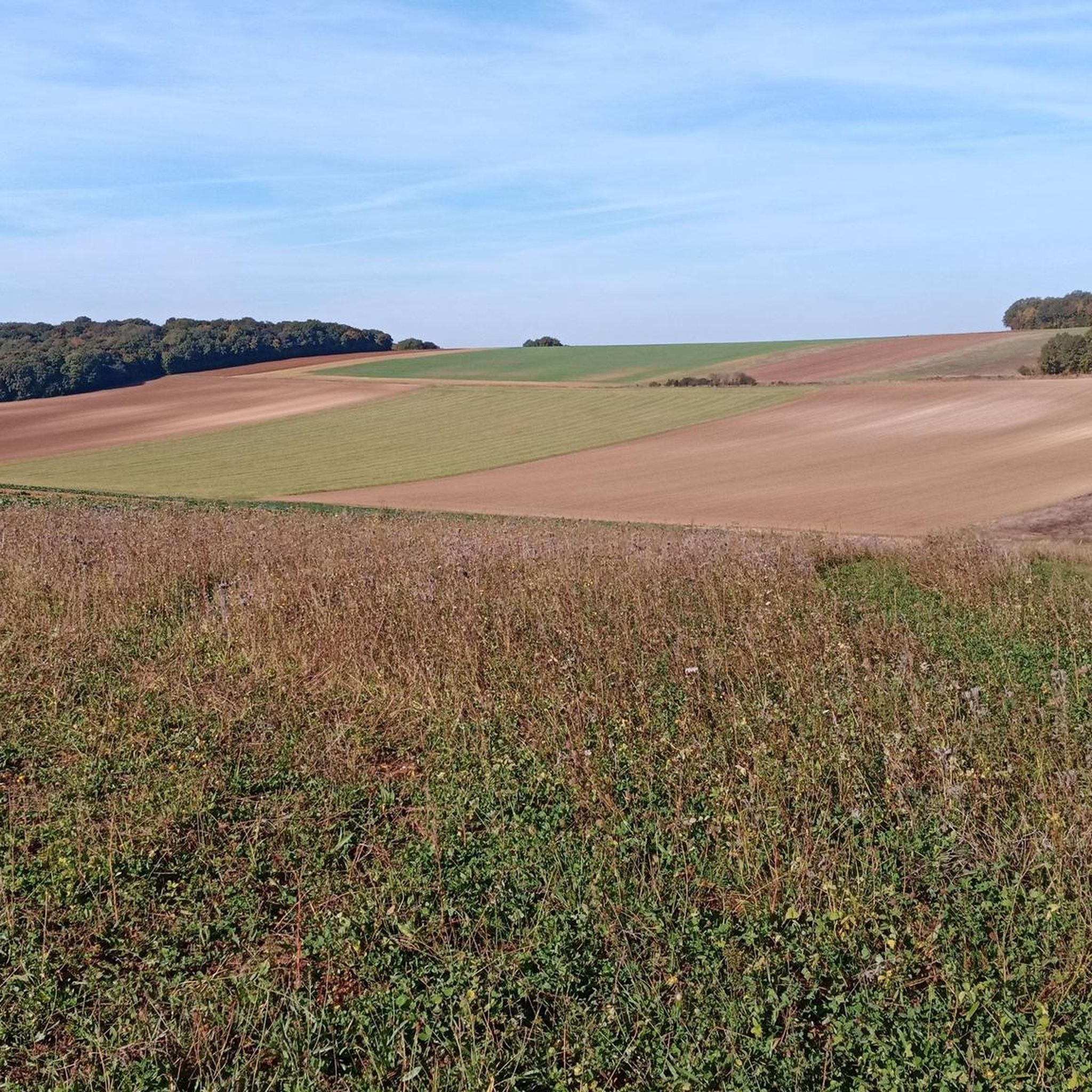
Hikes around La Rivière-De-Corps offer a varied landscape. You can expect to traverse the pleasant rural and bucolic scenery of the Vallée de la Vienne, as well as areas featuring vineyards, open fields, and woodlands. Some trails, like those on the heights of Montgueux, provide expansive views across ridges and valleys.
Are there any easy or beginner-friendly hiking options?
Yes, there are many easy options suitable for beginners. For instance, the Cats' Alley – Beautiful half-timbered houses loop from Troyes is an easy 7.2 km path that showcases historic architecture. Another gentle option is the Saint-Jean-au-Marché Church – Cats' Alley loop from Troyes, which is 3.7 km long.
Can I find circular hiking routes in the area?
Yes, many routes around La Rivière-De-Corps are circular. For example, the Île Germaine Trail loop from La Rivière-de-Corps is a 9.0 km moderate trail that brings you back to your starting point. Another popular circular option is the Cats' Alley – Beautiful half-timbered houses loop from Troyes.
What natural features or landmarks can I see while hiking?
The region is rich in natural beauty and historical sites. You can explore the Vallée de la Vienne, woodlands like the Forêt domaniale de Macey and Forêt de la Vente, and vineyards offering scenic views. Nearby, the Regional Natural Parc of Forêt d'Orient features large lakes such as Lac d'Orient and Lac du Temple, which are sanctuaries for bird species. For historical landmarks, you might encounter the Cathedral of Saint Peter and Saint Paul in Troyes or the charming Cats' Alley.
Are there any family-friendly hiking trails around La Rivière-De-Corps?
Many of the easier trails are suitable for families. The area's gentle paths through rural landscapes, fields, and woodlands provide pleasant walks. The Île Germaine Trail loop from Saint-André-les-Vergers, an easy 6.5 km route, is a good option for a family outing.
What is the best time of year to go hiking in La Rivière-De-Corps?
The region is enjoyable for hiking throughout much of the year. Spring and autumn offer pleasant temperatures and beautiful scenery, with vineyards changing colors. Summer is also popular, especially for trails near the lakes of the Forêt d'Orient where water activities are available. Even in winter, some forest paths can be explored, though conditions may vary.
Are there options for longer, more challenging hikes?
Yes, for those seeking a greater challenge, there are longer and more demanding routes. The Pays d'Othe — loop from Torvilliers is a difficult 27.3 km trail with significant elevation gain, typically taking over 7 hours to complete.
What do other hikers say about the trails in La Rivière-De-Corps?
The trails around La Rivière-De-Corps are highly regarded by the komoot community, with an average rating of 4.4 stars from over 350 reviews. Hikers often praise the diverse terrain, the peaceful rural settings, and the well-maintained paths that offer a mix of natural beauty and cultural sights.
Are there any historical or cultural points of interest accessible from the trails?
Absolutely. While hiking, you can discover historical elements such as the half-timbered houses along the Cats' Alley in Troyes, or visit the Saint-Jean-au-Marché Church. The proximity to Troyes also means you're near significant architectural landmarks like the Cathedral of Saint Peter and Saint Paul.
Are dogs allowed on the hiking trails in La Rivière-De-Corps?
Generally, dogs are welcome on many of the hiking trails in the rural and forested areas around La Rivière-De-Corps. However, it's always recommended to keep them on a leash, especially when passing through agricultural fields or nature reserves like those around the Forêt d'Orient lakes, to protect wildlife and livestock.
Most popular routes around La Rivière-De-Corps
Most popular attractions around La Rivière-De-Corps

Get inspired with the komoot mobile app


Explore more
Browse the best Hikes in other regions.
