The best walks and hikes around Sainte-Savine
4.4
(371)
2,426
hikers
188
hikes
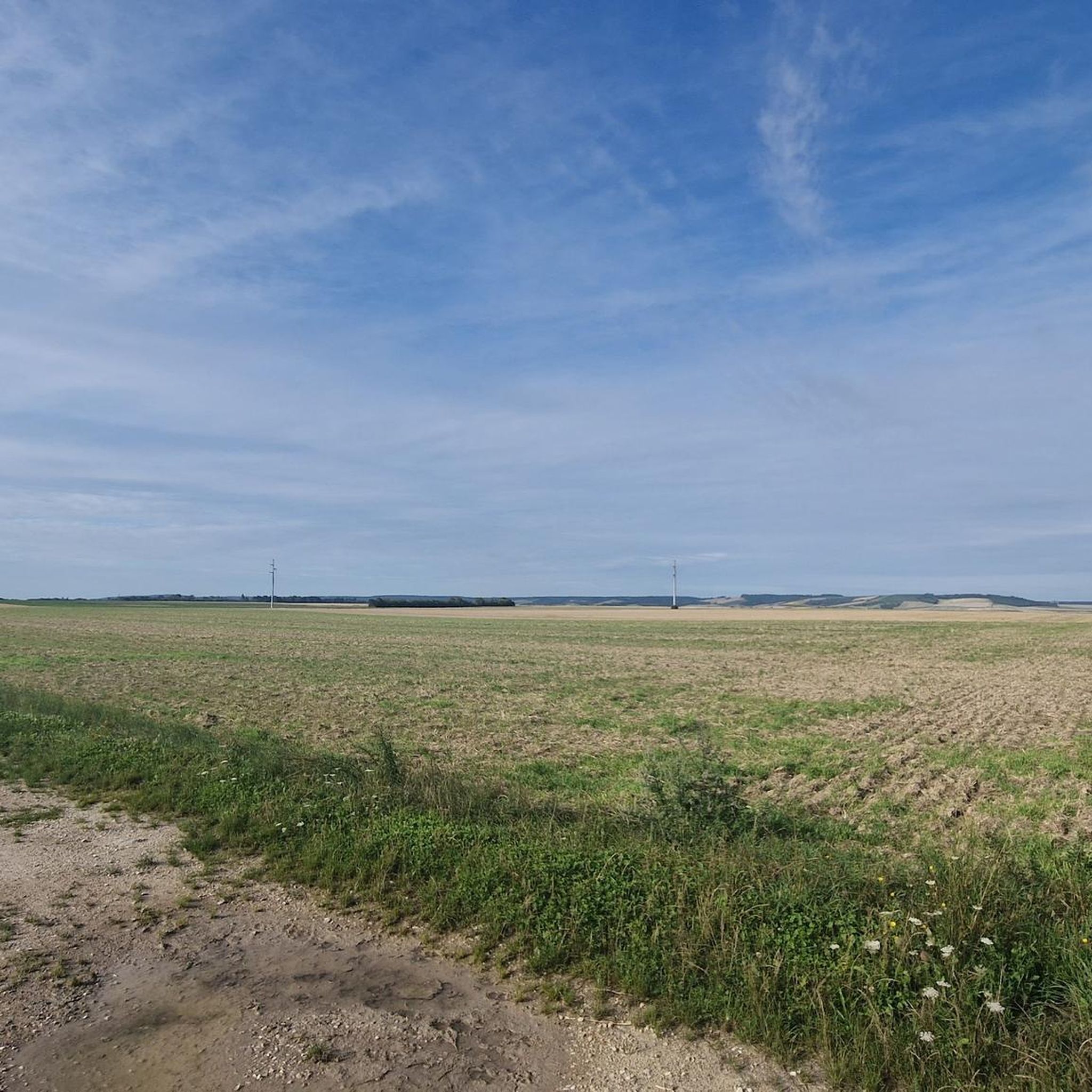
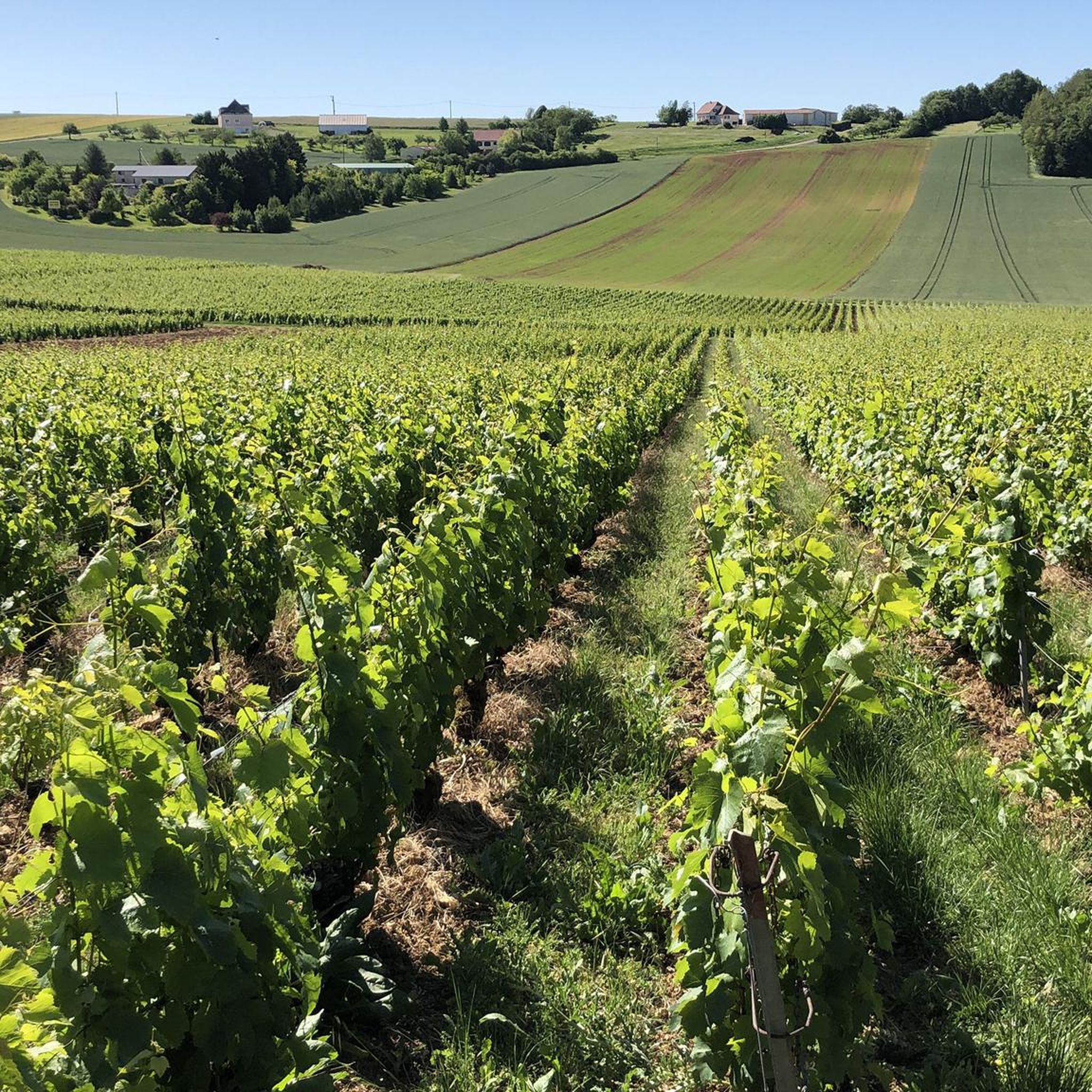
Hiking around Sainte-Savine offers access to diverse natural landscapes, including the extensive Pays d'Othe region. This area is characterized by rolling terrain, dense forests, and traditional apple orchards. Nearby, the Montaigu hill provides elevated views, while local green spaces and vineyards contribute to varied walking environments. The region features a network of marked trails suitable for exploring its natural and agricultural features.
Best hiking trails around Sainte-Savine
- The most popular hiking route is Cats' Alley – Beautiful half-timbered houses loop…
Last updated: July 4, 2026
4.7
(72)
615
hikers
7.20km
01:51
30m
30m
Easy hike. Great for any fitness level. Easily-accessible paths. Suitable for all skill levels.
4.0
(3)
22
hikers
Easy hike. Great for any fitness level. Easily-accessible paths. Suitable for all skill levels.

Sign up for free
4.6
(5)
39
hikers
8.58km
02:10
20m
20m
Moderate hike. Good fitness required. Easily-accessible paths. Suitable for all skill levels.
5.0
(1)
6
hikers
8.54km
02:10
20m
20m
Moderate hike. Good fitness required. Easily-accessible paths. Suitable for all skill levels.
5.0
(1)
8
hikers
5.27km
01:20
20m
10m
Easy hike. Great for any fitness level. Easily-accessible paths. Suitable for all skill levels.
Get access to more routes and recommendations from other explorers.
Sign up for free
Already have an account?
Our route recommendations are based on thousands of hikes, rides, and runs completed by other people on komoot.
Start today with a free account
Your next adventure awaits.
Login or Signup


Tips from the Community

Object sheet: Statue of the prophet David Technical category Category: Sculpture Material and intervention technique: Limestone Iconography (indexed representation) Representation: David, prophet Dimensions Height: 153 cm Width: 57 cm Depth: 39 cm State of preservation General condition: Restored Restorer: Jean Délivré Date of restoration: 2008 Details: Important work of art that has been exposed to weather conditions and urban pollution for a long time. History Artist / Maker: François Gentil (sculptor) Century of creation: Third quarter of the 16th century Year of creation: 1554 Legal status and protection Ownership: Municipal property Protection status: Classified as an object Date of protection: 18 February 1908 Details: Statue of the prophet David, in stone, 16th century (south portal), classified on 18-02-1908. Comments According to the CAOA list of Mgr. Marsat (1980), this statue is attributed to François Gentil. This statue and that of the prophet Isaiah are the only works that can be attributed to him with certainty (according to archive documents). Heritage value Mention: Object of interest Photographic material No old photos available in the CAOA archive Documentary references Research context: Thematic departmental research (movable heritage of the churches of the Aube) File name: Individual file Date of research: 2003 Date of creation of the file: 2004
3
0
Object sheet: Statue of the prophet Isaiah Title: The Prophet Isaiah Author: François Gentil (sculptor) Dating: 1554 Century: Third quarter of the 16th century Material: Limestone Dimensions: H: 149 cm ; W: 63 cm ; D: 44 cm Typology: Religious sculpture (south portal) State of preservation State: Restored Date of restoration: 2008 Restorer: Jean Délivré Details: Important work that has been exposed to the elements and urban pollution for a long time. Historical and artistic context This statue of the prophet Isaiah is part of a larger sculptural whole. Together with the statue of the prophet David, this is the only work that is attributed with certainty to François Gentil, based on archive documents (source: CAOA, Mgr. Marsat, 1980). The work bears witness to the style of sculpture in the Champagne region in the mid-16th century. Protection as a historical monument Legal status: Property of the municipality Protection status: Classified as an object Date of classification: 18 February 1908 Details: Stone statue, attributed to François Gentil (+1588), south portal of the building. Study and documentation Research context: Thematic departmental research - movable heritage of churches in the Aube Type of file: Individual file Date of research: 2003 Date of creation of the file: 2004 Iconography: Isaiah Old photos: None in the CAOA archive Heritage value Object of interest, worth mentioning for its artistic and historical value. A valuable testimony to religious sculpture from the Renaissance in Champagne.
3
0
The Church of Saint Nicholas is a Catholic church located in Troyes, in the Aube department of France.[1] Dating from the 16th century, it contains important examples of Renaissance stained glass and statuary. Bron: Wikipedia
3
0
Here you see an image of a little boy with wings.
3
0
Fun facts & legends • In 1789, the police wanted to put up fences because the alley was notorious as a meeting place for lovers. • A local legend tells of a pregnant woman who was miraculously saved when a wall “moved aside” in front of her belly. • The street is also said to have played a role during epidemics: the many cats helped keep rat populations under control. Why visit? • Very photogenic: One of the most photographed places in Troyes – often featured on postcards. • Historic and romantic: Perfect for those who love medieval towns and hidden gems. • Nearby: You’ll also find cozy cafés and a cat café (“Troyes Petits Chats”), plus a pretty courtyard called Cour du Mortier d’Or and the Jardin Juvénal-des-Ursins.
3
0
The Ruelle des Chats, or Cat Alley, is one of the most charming and famous streets in the old town of Troyes, located in the Champagne region of France. ⸻ 🏛️ History & Architecture • Medieval origins: The alley dates back to the 15th century and was rebuilt after a major fire in 1524. • Why the name “Cat Alley”?: The houses are built so that their upper floors almost lean against each other. It is said that a cat could jump from one roof to the other — hence the name. • Typical half-timbering: The street is paved with a gutter in the middle for rainwater, and the houses are half-timbered with wooden beams that stabilize the whole. ⸻ 🌆 Atmosphere & charm • Romantic appearance: The narrow passage and leaning facades create a mysterious, almost fairytale-like atmosphere. • Reconstruction: In 2014, several half-timbered houses were rebuilt based on old prints and photos. • Preserved thanks to heritage protection: In the 1960s, the street was saved from demolition by the efforts of heritage organisations and Minister André Malraux.
3
0
The 12th century Hôtel de Ville is located in the heart of the historic district of Troyes and was built by Pierre Cottard. The building is built in the style of Louis XIII and the façade with the statue of a "helmeted Minerva" has been listed as a monument historique since 1932.
3
0
In 1482, King Louis XII agreed to entrust the management of the city of Troyes to a mayor, assisted by aldermen. These functions were carried out by magistrates or merchants, usually on a voluntary basis. The first mayor of Troyes was Edmond Le Boucherat. Before him, an advisory council sat occasionally in various places in the heart of the city, such as the chapter of Saint-Pierre or the former convent of Cordeliers. In 1479, the council moved out of this aristocratic district to live permanently in the "corps du bouchon" and rented a house near the church of Saint-Urbain, then known as the Chambre de l'Échevinage, which was equipped with a bell to call meetings. In 1494, the city council bought the Hôtel de Mesgrigny, a large building from the 15th century, and in the 17th century decided to build a new city hall. Louis XIII gave permission to use a small part of the income from the tax on wine and salt. The building was therefore built gradually and was not finished until around 1672. In 1933 and 1937, two wings were added to the back by the architect F. Balley. The central facade, with its blue Tournai marble columns, has a niche with a helmeted Minerva, replacing a statue of Louis XIV that was destroyed during the French Revolution. On the monumental mantelpiece in the council chamber, there is still a large wooden medallion with the effigy of this king, sculpted in 1687 by the Trojan François Girardon (1628-1715). Another memorable trace of the Revolution on the facade is the revolutionary motto that was displayed on all French town halls at the time: "Unité, Indivisibilité de la République, Liberté, Égalité, Fraternité ou la Mort" ("Unity, Indivisibility of the Republic, Liberty, Equality, Fraternity or Death").
3
0
Frequently Asked Questions
How many hiking trails are available around Sainte-Savine?
There are over 170 hiking routes around Sainte-Savine, offering a wide variety of options. The majority are rated as easy or moderate, with 88 easy trails and 81 moderate trails, making the area accessible for many different skill levels.
What kind of landscapes can I expect to see on hikes near Sainte-Savine?
Hiking around Sainte-Savine primarily features gentle landscapes, green spaces, and well-maintained pathways. You'll find charming urban walks, such as those exploring the historic architecture of nearby Troyes, and routes through the rolling terrain and dense forests of the Pays d'Othe region. The area is also known for its traditional apple orchards and vineyards. For more extensive natural environments, the Regional Natural Park of the Orient Forest, with its lakes and forests, is about 20 kilometers away.
Are there any easy, family-friendly walks in Sainte-Savine?
Yes, Sainte-Savine and its surroundings offer many easy routes suitable for families. For example, the Cats' Alley – Saint-Jean-au-Marché Church loop from Troyes is an easy 4.7 km path that takes you through urban settings and past a historic church. Another great option is The Prophet Isaiah – Saint Nicholas Church loop from Troyes, an easy 5.2 km route.
Can I find circular hiking routes in the area?
Absolutely. Many of the trails around Sainte-Savine are circular, allowing you to start and end at the same point. A popular choice is the Cats' Alley – Beautiful half-timbered houses loop from Troyes, an easy 7.2 km trail that showcases historic architecture. For a slightly longer moderate option, consider the Saint-Jean-au-Marché Church – Île Germaine Trail loop from Troyes, which is 8.6 km.
What are some interesting landmarks or attractions to see while hiking?
Many routes incorporate historical and natural points of interest. You can explore the charming Cats' Alley with its half-timbered houses, visit the impressive Cathedral of Saint Peter and Saint Paul in Troyes, or see the historic Saint-Jean-au-Marché Church. For a touch of nature, the Montaigu Fountain and Pond offers a pleasant stop.
Are there any dog-friendly hiking trails around Sainte-Savine?
While specific restrictions can vary, many of the trails through natural areas and greenways around Sainte-Savine are generally dog-friendly, especially if your dog is kept on a leash. The Viennes Greenway, which runs through Sainte-Savine, is a pleasant option for walks with your canine companion. Always check local signage for any specific rules regarding pets in parks or protected areas.
What do other hikers enjoy most about the trails in Sainte-Savine?
The trails around Sainte-Savine are highly rated by the komoot community, with an average score of 4.4 stars from over 350 reviews. Hikers often praise the accessibility of the routes, the charming blend of urban and natural scenery, and the well-maintained paths. The opportunity to explore historic towns like Troyes alongside peaceful green spaces is frequently highlighted.
Are there any trails that offer views or elevated perspectives?
While Sainte-Savine itself is not mountainous, the nearby Montaigu hill provides some elevated views of the surrounding landscape. For more expansive vistas, you would need to venture further into the Pays d'Othe region, which features rolling terrain, or towards the Regional Natural Park of the Orient Forest, where the varied topography offers different perspectives of the lakes and woodlands.
Is public transport available to access hiking trailheads?
Sainte-Savine is adjacent to Troyes, which has a well-developed public transport network. Many of the urban and peri-urban trails, particularly those starting from Troyes, are easily accessible via local buses. For trails further afield, especially those in the Regional Natural Park of the Orient Forest, you might need to consider a car or check specific bus routes that serve smaller villages near trailheads.
What is the best season for hiking in Sainte-Savine?
Sainte-Savine offers pleasant hiking conditions throughout much of the year. Spring brings blooming flowers and mild temperatures, making it ideal for enjoying the 'floral town' status. Autumn is beautiful with changing foliage in the forests and orchards. Summer is also popular, though it can be warm, while winter offers crisp walks, especially in the green spaces and along the Viennes Greenway, provided paths are clear.
Are there any longer, more challenging routes for experienced hikers?
While the majority of routes are easy to moderate, there are a few more challenging options. The region's character leans towards gentle exploration rather than strenuous climbs. For longer distances, you can combine several moderate trails or explore the more extensive network within the Regional Natural Park of the Orient Forest, which offers greater variety in length and terrain.
Most popular routes around Sainte-Savine
Most popular attractions around Sainte-Savine

Get inspired with the komoot mobile app


Explore more
Browse the best Hikes in other regions.
