Attractions and Places To See around Cys-La-Commune - Top 20
Best attractions and places to see around Cys-La-Commune include historical sites and natural features within the Aisne department. This rural commune is notable for the discovery of an exceptional Early Neolithic tomb, dating to around 4900 BCE, which contained rich funerary objects. The region's landscape is shaped by the Aisne River and the Canal latéral à l'Aisne, offering natural waterways. The area provides insights into ancient history and the serene French countryside.
Best attractions and places to see around Cys-La-Commune
…Last updated: July 2, 2026
Cerny-en-Laonnois, chapelle & Lanterne des Morts
Highlight • Other
Translated by Google •
Tip by

Fort of Condé
Highlight • Other
Translated by Google •
Tip by

Sign up now to discover places like this
Get recommendations on the best single tracks, peaks, & plenty of other exciting outdoor places.
Sign up for free
Malmaison German Cemetery
Highlight • Historical Site
Showing Translation
Tip by
Paissy Troglodyte Village
Highlight (Segment) • Settlement
Translated by Google •
Tip by

Château de la Folie
Highlight • Other
Translated by Google •
Tip by
Sign up for free to discover even more attractions around Cys-La-Commune.
Sign up for free
Already have an account?
Start today with a free account
Your next adventure awaits.
Login or Signup

Tips from the Community

This large German war cemetery is located near Fort de La Malmaison, along the Chemin des Dames. It was established in 1941 by the Wehrmacht to centralize scattered graves from the Aisne region. After the war, the site was officially recognized by a Franco-German convention in 1954 and solemnly inaugurated in 1965. Nearly 11,850 German soldiers rest here, primarily fallen during the 1940 campaign and the fighting after the Allied landings in Normandy in 1944. Between 1960 and 1961, over 6,800 bodies were reburied from six surrounding departments. The cemetery is sober and serene, with rows of dark crosses and a memorial stone. It serves as a silent reminder of the fierce fighting in this region and is an important stop on remembrance routes along the Chemin des Dames.
6
0
During the First World War, Cerny-en-Laonnois was a strategic point along the Chemin des Dames, a ridge fiercely contested by French and German troops. In September 1914, the village was taken by the Germans, who used it as a defensive post. They dug deep underground networks in the limestone, which served as shelters and munitions stores. In the spring of 1917, the area became the scene of the Nivelle Offensive, a large-scale French attack that resulted in heavy losses and eventually led to mutinies within the French army. Cerny-en-Laonnois was completely destroyed by artillery fire and fighting. After the war, the village was rebuilt a little further south. Today, the military cemeteries, the memorial chapel and the “Lanterne des Morts” bear witness to the immense human suffering that took place here.
6
0

great hike on foot and by mountain bike. see hiking the mountains of Missy see you in 2025. To discover .
0
0


Such places – usually referred to as "war cemeteries" or "military cemeteries" – are still very important today as memorials to the countless war dead. "Now let your servant, Lord, depart in peace, as you have promised..." reads the so-called "Song of Simeon" (Gospel of Luke, chapter 2, verse 29). The many people buried here, however, by no means departed in peace, but became victims of war and inhuman tyranny. The most important and at the same time eternal function of military or honor cemeteries, or war cemeteries, is therefore to keep the memory of this suffering alive and – every generation anew (!) – to admonish to the lasting preservation of peace.
0
0

These 19th-century forts had already lost their invincibility in the second half of the century and were more of a "belt of remnants" that no longer played a major strategic role. It was only when the Chemin des Dames became a deadlock as a front area that they became relevant again for a short time. Here you can feel this survived history well, the cellar-like bunkering on the mountain. Almost a small green overgrown labyrinth today....
0
0
A very thorough grave book and a pleasant space to arrive and study. the place has great dignity.
1
0

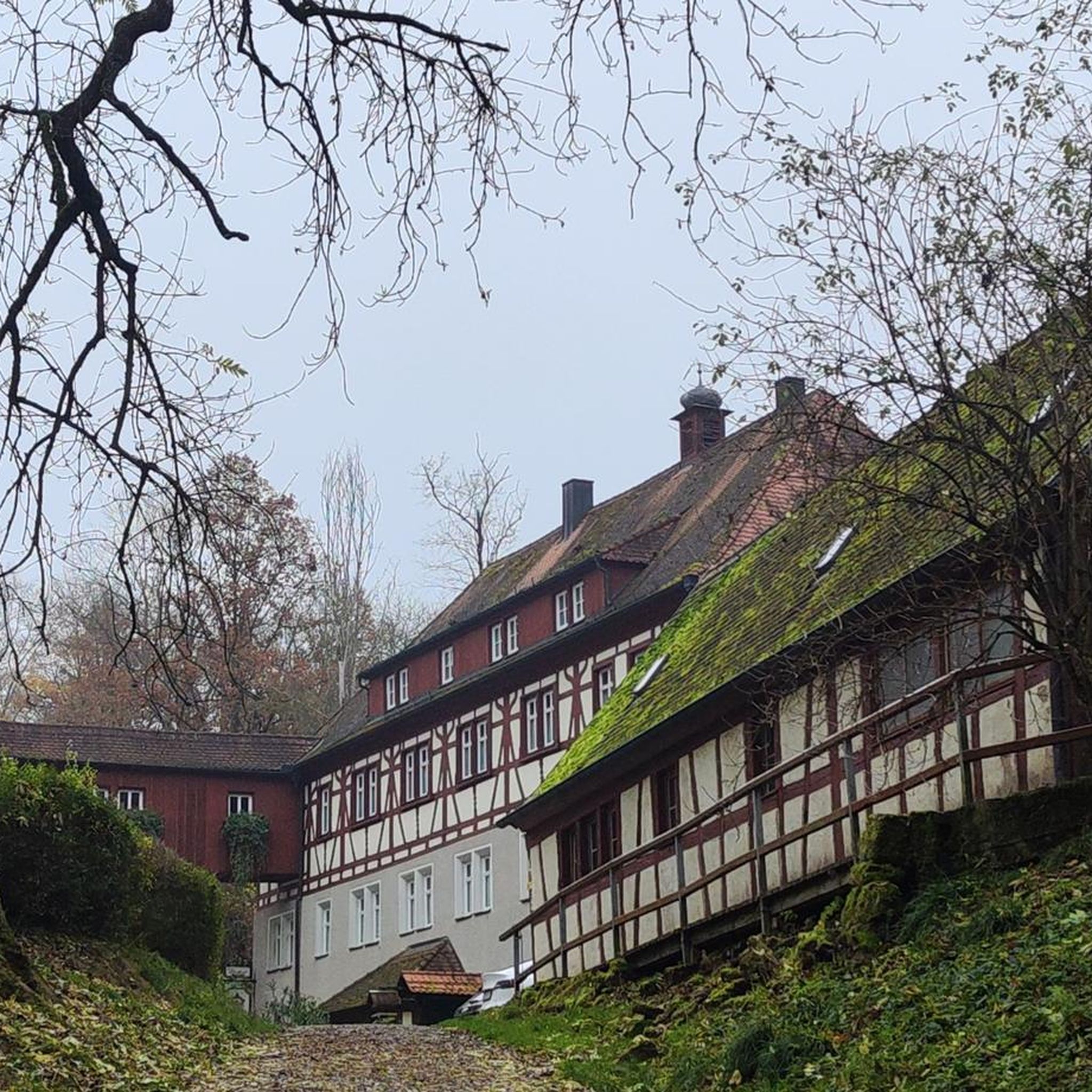
Former fortress from the 12th to the 13th century, this castle was unfortunately destroyed by the fighting of the Great War.
0
0
Frequently Asked Questions
What historical sites can I explore around Cys-La-Commune?
Cys-La-Commune is rich in history, from ancient times to World War I. You can learn about the exceptional Early Neolithic tomb discovered here, dating back to around 4900 BCE, which contained unique funerary objects. For more recent history, explore sites related to World War I, such as Cerny-en-Laonnois, chapelle & Lanterne des Morts, the Malmaison German Cemetery, and the Marin Dugourny Memorial, Chemin des Dames.
Are there any unique cultural experiences in the area?
Yes, a truly unique experience is visiting the Paissy Troglodyte Village. This settlement is known for its fascinating cave dwellings, which maintain a consistent temperature year-round, offering a glimpse into a distinctive way of life.
What natural features can I enjoy around Cys-La-Commune?
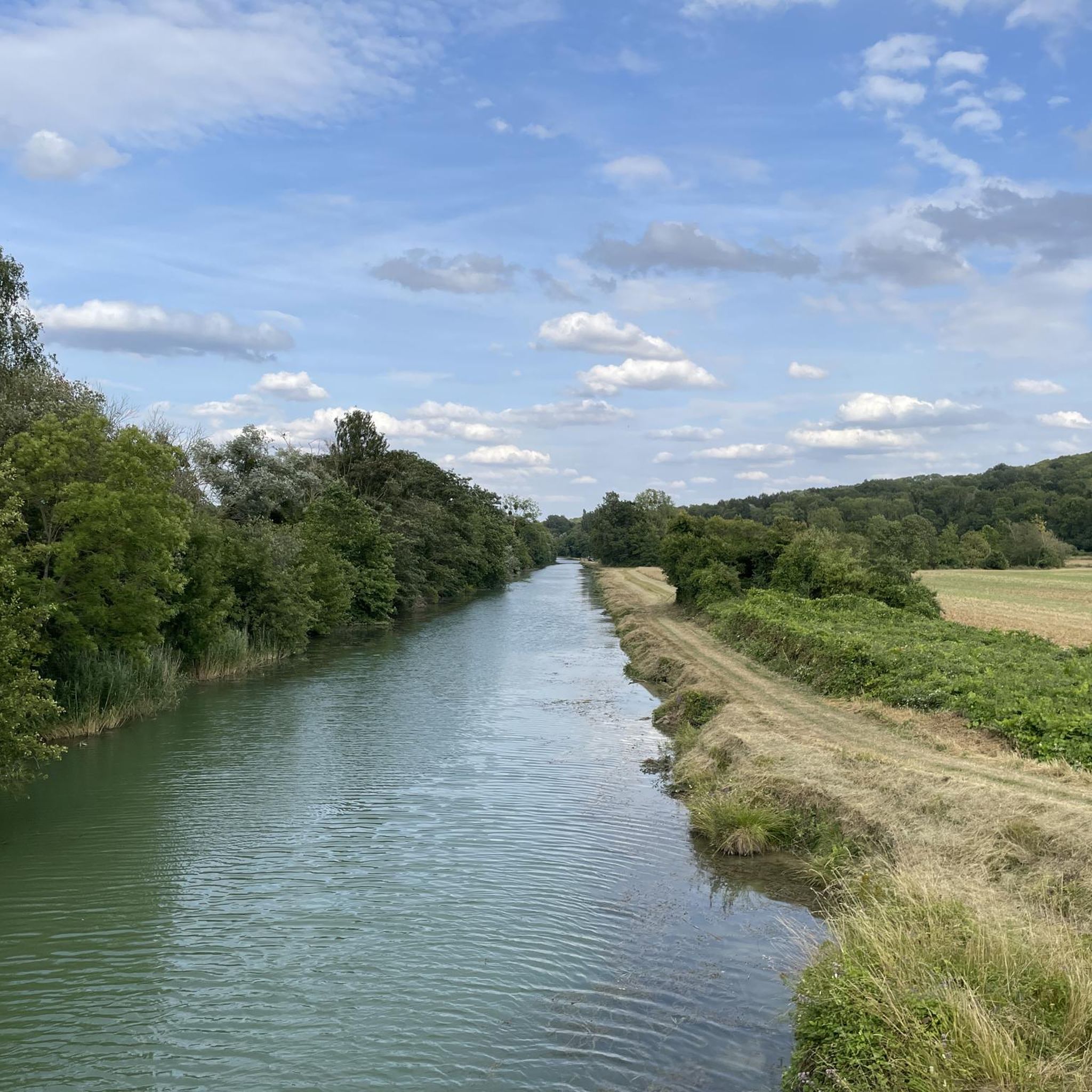
The commune is situated within the Seine-Normandie basin and is notably shaped by the Aisne River and the Canal latéral à l'Aisne. These waterways contribute to the local landscape, offering serene views and opportunities to appreciate the region's natural beauty.
What is the significance of the Neolithic tomb discovery in Cys-La-Commune?
The discovery of an exceptional female tomb from the Early Neolithic period (around 4900 BCE) is Cys-La-Commune's most notable archaeological find. This burial contained a young woman with rich funerary objects, including polished stone bracelets and a long necklace of over 350 small discoid limestone beads and eight large spondyle tubular beads. The rarity and quality of these ornaments signify the exceptional status of the buried individual, making it one of the richest Rubanée burials in the Paris Basin.
Can I visit sites related to World War I near Cys-La-Commune?
Absolutely. The area around Cys-La-Commune, particularly along the Chemin des Dames, holds significant World War I history. You can visit Cerny-en-Laonnois, chapelle & Lanterne des Morts, a site bearing witness to the immense human suffering during the conflict. Other important sites include the Malmaison German Cemetery, the resting place of nearly 12,000 German soldiers, and the Marin Dugourny Memorial, Chemin des Dames, one of many individual soldier memorials along the historic front line.
What is the <a href="https://www.komoot.com/highlight/4018181" target="_blank" rel="noopener">Fort of Condé</a> and what can I expect to see there?
The Fort of Condé is a well-preserved 19th-century fortress that offers a glimpse into its strategic role during historical conflicts. The area around the fort is beautiful and green, with benches and tables, making it suitable for a visit. You can explore the cellar-like bunkering and feel the history of this site, which briefly regained strategic importance during World War I.
Are there family-friendly attractions around Cys-La-Commune?
Yes, several attractions are suitable for families. The Paissy Troglodyte Village, with its unique cave dwellings, is an interesting and educational visit for all ages. Historical sites like the Malmaison German Cemetery and the Marin Dugourny Memorial offer a poignant educational experience about history, suitable for older children.
What outdoor activities can I do near these attractions?
The region offers various outdoor activities. You can find numerous running trails, such as the 'Bras mort de l'aisne loop from Cys-la-Commune', or explore road cycling routes like the 'Tour Flagella loop from Vailly-sur-Aisne'. For mountain biking enthusiasts, there are trails like the 'Fort de Condé – Nice climb😩 loop from Condé-sur-Aisne'. You can find more details and routes on the respective guide pages for Running Trails, Road Cycling Routes, and MTB Trails around Cys-La-Commune.
Are there hiking trails near these attractions?
While specific hiking trails are not detailed in the provided data, the green surroundings of the Fort of Condé are noted as great for hiking and mountain biking. You can also explore the various running and cycling routes mentioned, many of which can be adapted for walking or hiking to discover the natural beauty of the Aisne River and Canal latéral à l'Aisne.
What do visitors enjoy most about the attractions around Cys-La-Commune?
Visitors appreciate the blend of cultural heritage and natural beauty. The well-preserved Fort of Condé is enjoyed for its historical significance and green surroundings. The unique Paissy Troglodyte Village offers a pleasant walking experience through its cave dwellings. The World War I memorials, such as Cerny-en-Laonnois, are valued for their poignant historical insights and serene atmosphere.
What is the best time to visit Cys-La-Commune for outdoor activities?
While specific seasonal recommendations are not provided, the region's natural features like the Aisne River and Canal latéral à l'Aisne, along with the green surroundings of sites like the Fort of Condé, suggest that spring and autumn would be ideal. During these seasons, the weather is typically mild, perfect for exploring historical sites and enjoying running, cycling, or walking routes without the extremes of summer heat or winter cold.
Most popular routes around Cys-La-Commune

Get inspired with the komoot mobile app


Explore more
Still not found the Highlight you’re looking for? See guides of the top attractions in other regions:
