Attractions and Places To See around Eppes - Top 20
Best attractions and places to see around Eppes include historical sites and architectural landmarks. Eppes is a commune in the Aisne department of France, located near the historic city of Laon. The area features ancient structures and medieval fortifications, reflecting its long history. Visitors can explore sites that showcase early Gothic architecture and remnants of past eras.
Best attractions and places to see around Eppes
- The most popular attractions is Vauclair Abbey Ruins, a historical site that was founded in 1134 by St. Bernard. The ruins include preserved buildings like the pantry and chapter house, with foundations of the abbey church still visible.
- Another must-see spot is Notre-Dame Cathedral, a religious landmark. This early Gothic cathedral, built between 1155 and 1235, is one of the oldest Gothic structures in France.
- Visitors also love Laon Old Town — Murals and Fortifications, a historical settlement. This area features many medieval buildings and is situated on a table mountain, offering a large contiguous protected area in France.
- Eppes is known for its historical sites, religious architecture, and medieval fortifications. The region offers a variety of attractions to see and explore, from ancient abbey ruins to well-preserved city gates.
- The attractions around Eppes are appreciated by the komoot community, with more than 100 upvotes and over 100 photos shared by visitors.
Last updated: October 11, 2026
Notre-Dame Cathedral
Highlight • Other
Translated by Google •
Tip by

Vauclair Abbey Ruins
Highlight • Historical Site
Translated by Google •
Tip by
Sign up now to discover places like this
Get recommendations on the best single tracks, peaks, & plenty of other exciting outdoor places.
Porte d'Ardon
Highlight • Monument
Translated by Google •
Tip by
Laon Old Town — Murals and Fortifications
Highlight • Historical Site
Laon was already a Gallic fortress in the 5th century. Further information e.g. here: de.wikipedia.org/wiki/Laon
Translated by Google •
Tip by

Porte de Soissons
Highlight • Other
Translated by Google •
Tip by
Sign up for free to discover even more attractions around Eppes.
Already have an account?
Start today with a free account
Your next adventure awaits.


Tips from the Community

The Vauclair Abbey near Bouconville-Vauclair in the Aisne department was founded in 1134 by Bernard of Clairvaux as a Cistercian monastery. In the Middle Ages, it developed into an important monastic complex; it was significantly expanded, particularly in the 13th century. During the First World War, Vauclair was located directly in the combat zone of the Chemin des Dames and was almost completely destroyed by artillery fire in 1917. The ruins visible today have been archaeologically investigated, excavated, and partially secured since the 1960s. Directly next to the ruins, there is now a medicinal herb garden with around 400 species and a conservation orchard. This verger conservatoire preserves old regional apple and pear varieties; according to the French Garden Association, there are about 84 different varieties represented there. Together with the monastery ruins, the site thus commemorates not only the history of the Cistercians but also their close connection to agriculture, horticulture, and botany.
1
0

Hidden in the middle of the forest, this Cistercian abbey, founded in 1134 by Bernard of Clairvaux, appears like a mirage. Its majestic ruins bear witness to a turbulent past. From the Hundred Years' War and the French Revolution to the First World War, the abbey suffered considerable destruction. In the 1960s, the site was overgrown with brambles and forgotten. Thanks to the archaeological excavation group "Sources" led by Father Courtois, it experienced a rebirth.
2
0


The Porte d’Ardon is one of the medieval city gates of Laon. The current structure dates from the 13th and 14th centuries. Originally, this gate was called “Porte Royée” because of its proximity to the royal palace of Laon. The gate consists of a châtelet with a portcullis and used to have doors. There was also a barbican, but this has now disappeared. Under the gate there was a fountain and wash houses, some of which still exist. The Porte d’Ardon was classified as a historical monument in 1909.
10
0
The Porte de Soissons is a medieval city gate in Laon. It is one of the three remaining city gates of Laon and was built at the beginning of the 13th century when the fortifications were resumed. The gate is located in the south-west of the medieval city and is built of sandstone and limestone. The gate was originally known as the Porte Saint-Martin or Soibert, but was later renamed after the nearby town of Soissons. The rear of the gate (which was demolished in 1895) offers a cross-section of this type of defensive system: a vaulted room on the first floor, giving access to the harrow and the machicolation.
12
1

A remarkable remnant of what was once a large and important abbey. Caesar, Napoleon and German troops are said to have passed through this area during the First World War.
3
0
This abbey, which was founded in 1134 by St. Bernard, was severely damaged in a bombardment in 1917. The best preserved buildings are the pantry, the refectory of the lay brothers, the chapter house and the monks' hall. The foundations of the abbey church and the inn are still visible. Next to the garden with medicinal plants there is an exhibition space. Surrounding it is the monastic forest of Vauvelair, which covers 1000 hectares.
12
0

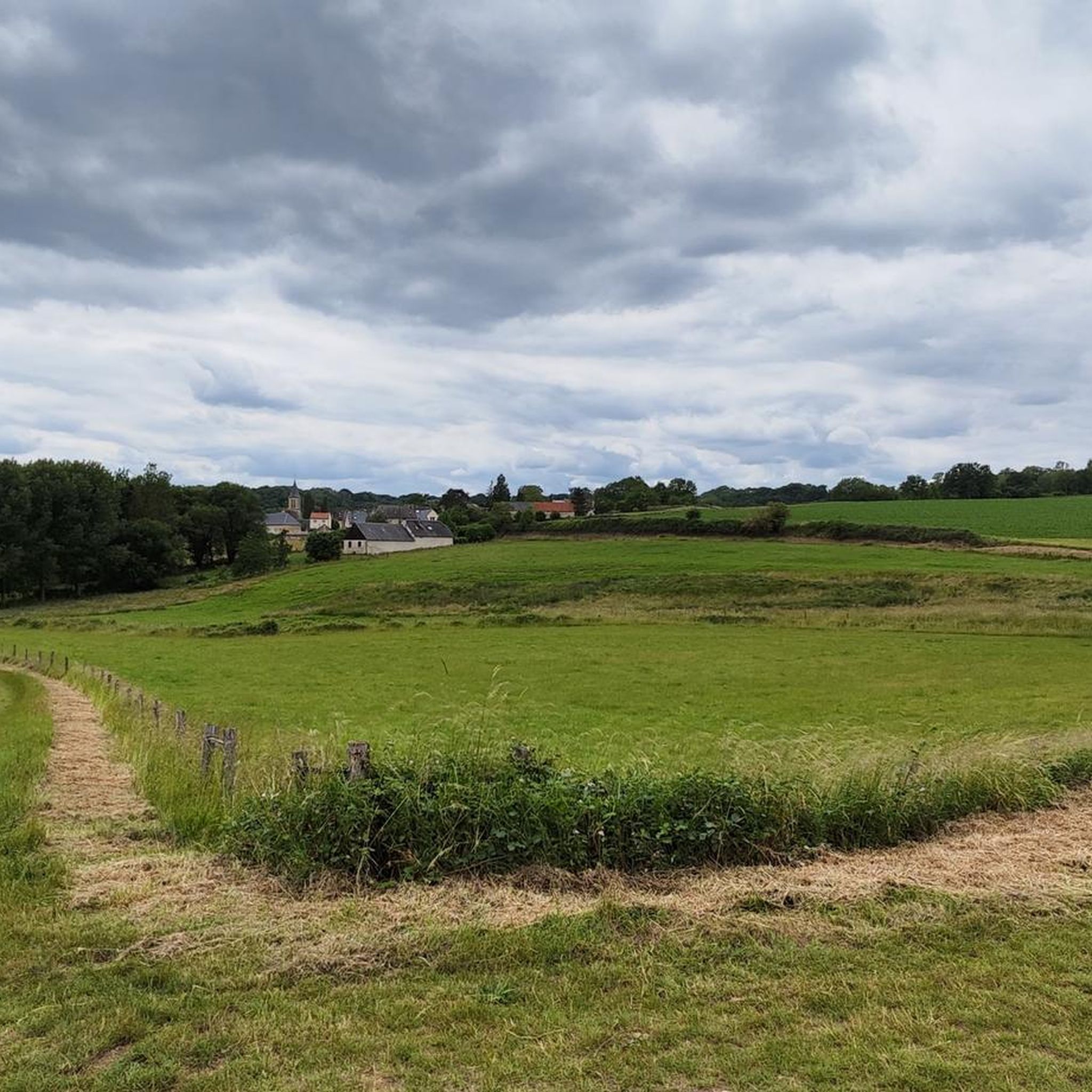
Between the woods and the greenway, this former abbey is interesting from a historical point of view
1
0
Frequently Asked Questions
What kind of attractions can I expect to find around Eppes?
The Eppes area, located in the Aisne department of France near Laon, is rich in historical sites and architectural landmarks. You can explore ancient abbey ruins, impressive Gothic cathedrals, and well-preserved medieval fortifications.
Where exactly is Eppes located?
Eppes is a commune situated in the Aisne department in the Hauts-de-France region of France. It is located near the historic city of Laon and is drained by the Barentons stream.
Are there any significant historical ruins to explore near Eppes?
Yes, a notable historical ruin is the Vauclair Abbey Ruins. Founded in 1134 by St. Bernard, this site features preserved buildings like the pantry and chapter house, with the foundations of the abbey church still visible. It was severely damaged in 1917 but remains a remarkable remnant of a once important abbey.
What are the main architectural highlights in the Eppes area?
One of the most important architectural highlights is Notre-Dame Cathedral in Laon, an early Gothic structure built between 1155 and 1235. You can also see medieval city gates like Porte d'Ardon and Porte de Soissons, which are fine examples of military architecture.
Can I explore medieval fortifications around Eppes?
Absolutely. The Laon Old Town — Murals and Fortifications offers a large contiguous protected area in France, featuring many medieval buildings and fortifications. The city gates, such as Porte d'Ardon and Porte de Soissons, are also excellent examples of the region's defensive history.
Are there family-friendly attractions near Eppes?
Yes, the Vauclair Abbey Ruins are considered family-friendly. Exploring the historical site and its surrounding monastic forest can be an engaging experience for all ages.
What outdoor activities are available near Eppes?
The area around Eppes offers various outdoor activities, including hiking, cycling, and running. You can find numerous routes that explore the historical sites, natural landscapes, and charming villages. For more details, check out the dedicated guides for Hiking around Eppes, Cycling around Eppes, and Running Trails around Eppes.
Are there good hiking trails around Eppes?
Yes, there are several hiking trails suitable for different skill levels. Popular easy routes include 'The ramparts of Laon — loop' and 'Notre-Dame Cathedral – Laon city walls loop from Laon'. For more options, explore the Hiking around Eppes guide.
Can I go cycling near Eppes?
The region provides excellent cycling opportunities. You can find moderate routes like 'Porte d'Ardon – Notre-Dame Cathedral loop from Athies-sous-Laon' or 'View of Lake Ailette – Lake Ailette loop from Sainte-Croix'. Discover more routes in the Cycling around Eppes guide.
What do visitors enjoy most about the attractions around Eppes?
Visitors particularly appreciate the rich history and well-preserved medieval architecture. The early Gothic design of Notre-Dame Cathedral and the historical significance of the Vauclair Abbey Ruins are frequently highlighted. The panoramic views from Laon Old Town are also a favorite.
Are there any natural features or viewpoints to enjoy near Eppes?
While the primary focus is historical, the Laon Old Town, situated on a table mountain, offers beautiful viewpoints of the surrounding landscape. Additionally, the area around Vauclair Abbey Ruins includes the monastic forest of Vauvelair, providing a natural setting.

Get inspired with the komoot mobile app


Explore more
Still not found the Highlight you’re looking for? See guides of the top attractions in other regions:
