Attractions and Places To See around Orgeval - Top 20
Best attractions and places to see around Orgeval offer a blend of local historical charm and convenient access to significant regional landmarks and natural beauty. Located in the Yvelines department of the Île-de-France region, the area features a varied topography of hillsides, valleys, and streams. Orgeval itself holds historical significance with its Romanesque church and archaeological sites dating back to the Neolithic period, alongside the ruins of Abbecourt Abbey. The surrounding region provides numerous opportunities for exploring cultural sites and natural settings.
Best attractions and places to see around Orgeval
- The most popular attractions is Vauclair Abbey Ruins, a historical site that was founded in 1134 by St. Bernard. The ruins, severely damaged in 1917, still show preserved buildings like the pantry and refectory, with foundations of the abbey church visible.
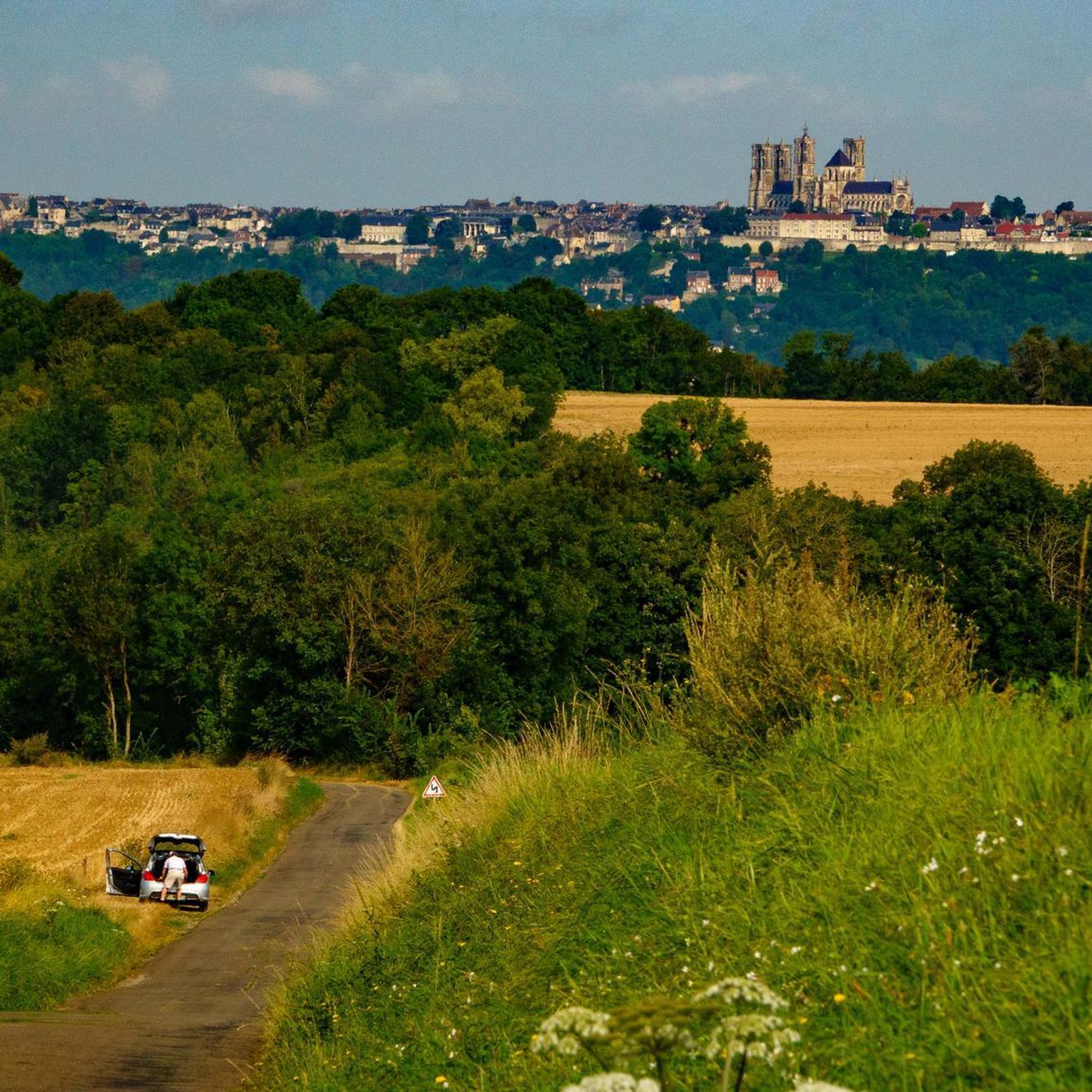
- Another must-see spot is Notre-Dame Cathedral, a religious site. This cathedral is one of the most important examples of early Gothic architecture in France, built between 1155 and 1235.
- Visitors also love Porte d'Ardon, a man-made monument. This medieval city gate, dating from the 13th and 14th centuries, was originally known as “Porte Royée” due to its proximity to the royal palace of Laon.
- Orgeval is known for its historical landmarks, natural parks, and scenic pathways. These offer a diverse range of experiences for exploration, including walking paths around Orgeval.
- The attractions around Orgeval are appreciated by the komoot community, with more than 100 upvotes and over 100 photos shared by visitors.
Last updated: June 23, 2026
Notre-Dame Cathedral
Highlight • Other
Translated by Google •
Tip by

Vauclair Abbey Ruins
Highlight • Historical Site
Translated by Google •
Tip by
Sign up now to discover places like this
Get recommendations on the best single tracks, peaks, & plenty of other exciting outdoor places.
Sign up for free
Porte d'Ardon
Highlight • Monument
Translated by Google •
Tip by
Laon Old Town — Murals and Fortifications
Highlight • Historical Site
Laon was already a Gallic fortress in the 5th century. Further information e.g. here: de.wikipedia.org/wiki/Laon
Translated by Google •
Tip by

Porte de Soissons
Highlight • Other
Translated by Google •
Tip by
Sign up for free to discover even more attractions around Orgeval.
Sign up for free
Already have an account?
Start today with a free account
Your next adventure awaits.
Login or Signup


Tips from the Community


The Porte d’Ardon is one of the medieval city gates of Laon. The current structure dates from the 13th and 14th centuries. Originally, this gate was called “Porte Royée” because of its proximity to the royal palace of Laon. The gate consists of a châtelet with a portcullis and used to have doors. There was also a barbican, but this has now disappeared. Under the gate there was a fountain and wash houses, some of which still exist. The Porte d’Ardon was classified as a historical monument in 1909.
9
0
The Porte de Soissons is a medieval city gate in Laon. It is one of the three remaining city gates of Laon and was built at the beginning of the 13th century when the fortifications were resumed. The gate is located in the south-west of the medieval city and is built of sandstone and limestone. The gate was originally known as the Porte Saint-Martin or Soibert, but was later renamed after the nearby town of Soissons. The rear of the gate (which was demolished in 1895) offers a cross-section of this type of defensive system: a vaulted room on the first floor, giving access to the harrow and the machicolation.
12
1

A remarkable remnant of what was once a large and important abbey. Caesar, Napoleon and German troops are said to have passed through this area during the First World War.
3
0
This abbey, which was founded in 1134 by St. Bernard, was severely damaged in a bombardment in 1917. The best preserved buildings are the pantry, the refectory of the lay brothers, the chapter house and the monks' hall. The foundations of the abbey church and the inn are still visible. Next to the garden with medicinal plants there is an exhibition space. Surrounding it is the monastic forest of Vauvelair, which covers 1000 hectares.
11
0

Between the woods and the greenway, this former abbey is interesting from a historical point of view
0
0

Here, the city walker will find an early masterpiece of Gothic architecture, a style often found in this part of France – Chartres and Reims, for example, attract enthusiastic international visitors and are far more famous than Laon. In the following 13th century, many Gothic churches were built, not only in their country of origin, France, but also beyond the country's borders, where this sky-high, light-filled architectural style was now in great demand for new churches (for example, the laying of the foundation stone for Cologne Cathedral in 1248).
3
0

Loan is a medieval town on a mesa. A trip is very worthwhile! I would always prefer visiting Reims.
1
1
Frequently Asked Questions
What natural features can I explore around Orgeval?
Orgeval is surrounded by diverse natural landscapes. You can visit the tranquil Étang du Corra, which is ideal for picnics, fishing, and bird watching. The town is also close to the expansive Forêt de Saint-Germain-en-Laye, offering ample opportunities for hiking and enjoying nature. Additionally, the Piste Gravel sur les bords de Seine provides a pleasant, often shaded route for cycling or walking along the river.
What historical and cultural sites can I visit in Orgeval?
Orgeval boasts a rich architectural heritage. Key historical sites include the Church of St. Peter and St. Paul, an 11th-century Romanesque church with a 37-meter-high bell tower. You can also explore the ruins of the Abbey of Our Lady Abbecourt, which testify to the historical presence of the Norbertine order. Other notable structures include the 19th-century Château de Brunetterie and the Château de Feugères.
Are there good hiking opportunities near Orgeval?
Yes, Orgeval is an excellent base for hiking. The Forêt de Saint-Germain-en-Laye offers numerous trails, and the area around Étang d'Abbecourt provides historical elements to local hikes. You can find various routes, including easy and moderate options, for different skill levels. For more detailed routes, check out the Gravel biking around Orgeval guide, which also features walking paths.
Can I go cycling or mountain biking around Orgeval?
Absolutely! The region around Orgeval is well-suited for cycling and mountain biking. The Piste Gravel sur les bords de Seine offers a picturesque route for cyclists. For more adventurous rides, you can explore the MTB Trails around Orgeval or find routes in the Cycling around Orgeval guide, which include options from easy to difficult.
What do visitors enjoy most about the attractions around Orgeval?
Visitors particularly appreciate the blend of historical architecture and natural beauty. The serene natural settings like the Forêt de Saint-Germain-en-Laye and various ponds are popular for outdoor activities. The historical landmarks, such as ancient churches and abbey ruins, also draw significant interest. The komoot community has shared over 100 photos and given more than 100 upvotes, highlighting the area's appeal for exploration.
Are there family-friendly activities or places suitable for children?
While specific children's activities are not detailed, the natural spaces around Orgeval, such as the Étang du Corra and the Forêt de Saint-Germain-en-Laye, are excellent for family picnics, easy walks, and enjoying nature. Exploring the historical sites like the Church of St. Peter and St. Paul can also be an engaging educational experience for older children.
Are there any dog-friendly walking spots in Orgeval?
The natural areas around Orgeval, including the Forêt de Saint-Germain-en-Laye and the various forest trails like those in Forêt des Flambertins, are generally suitable for dog walking. Always ensure your dog is on a leash where required and respect local regulations regarding pets in natural reserves.
What are the best times to visit Orgeval's attractions?
Orgeval's attractions can be enjoyed throughout the year. Spring and autumn offer pleasant weather for outdoor activities like hiking and cycling in the forests. Summer is ideal for picnics by Étang du Corra and exploring the Allée Royale de Villepreux. Historical sites are accessible year-round, though checking specific opening hours is always recommended.
Is there public transport available to reach attractions around Orgeval?
While Orgeval is a charming town, public transport options to reach all specific attractions might be limited. It's advisable to check local bus routes or consider using a car for greater flexibility, especially when visiting sites further afield or within the larger natural areas like the Forêt de Saint-Germain-en-Laye.
Where can I find parking for attractions in Orgeval?
Parking availability varies by attraction. For natural areas like the Forêt de Saint-Germain-en-Laye or Étang du Corra, you can often find designated parking areas near trailheads or entry points. For historical sites within the town, street parking or small public car parks may be available. It's recommended to check specific location details for the best parking options.
What is the Allée Royale de Villepreux and how can I access it?
The Allée Royale de Villepreux is a historic pathway that connects the Château de Versailles to the old village of Villepreux. During tourist season (June to October), it provides direct access to the free entrance of the Château Park via the 'grille de l'Étoile Royale' on weekends and public holidays. This offers a unique way to approach the famous Versailles grounds.
Can I visit the ruins of the Abbey of Our Lady Abbecourt?
Yes, the ruins of the Abbey of Our Lady Abbecourt are a significant historical site in Orgeval. While the church was destroyed during the Revolution, the remaining ruins, particularly around Étang d'Abbecourt, offer a historical element to local hikes. It's a place to reflect on the region's past and enjoy the surrounding natural beauty.
What notable landmarks are easily accessible from Orgeval?
From Orgeval, you can easily access several significant regional landmarks. The beautiful Château de Saint-Germain-en-Laye, with its large green park overlooking Paris, is nearby. Another iconic site is the Villa Savoye in Poissy, a UNESCO-classified architectural masterpiece by Le Corbusier.
Where can I find serene natural spots for relaxation or picnics?
For serene natural spots, the Étang du Corra, located near the Forêt de Saint-Germain-en-Laye, is an excellent choice for picnics and a refreshing stop. The confluence of the Seine and the Oise rivers also offers a pleasant spot with benches for a break by the water. These areas provide tranquil settings away from the bustle.
Most popular routes around Orgeval

Get inspired with the komoot mobile app


Explore more
Still not found the Highlight you’re looking for? See guides of the top attractions in other regions:
