The best road cycling routes around Cuis
4.5
(130)
4,914
riders
275
rides
Road cycling around Cuis offers diverse terrain within the Ameca municipality of Jalisco, Mexico. The region is characterized by a pleasant climate, fertile lands, and a landscape featuring mesquite, huamuchil, and eucalyptus trees. Cyclists can find varied topography, from gentle valleys to mountainous areas, providing options for different skill levels. Jalisco is known for its natural landscapes, including rivers, waterfalls, and forests, contributing to scenic rides.
Best road cycling routes around Cuis
- The most popular road cycling route is Church…
Last updated: July 5, 2026
23
riders
28.9km
01:16
220m
220m
Easy road ride. Great for any fitness level. Mostly well-paved surfaces and easy to ride.
14
riders
Moderate road ride. Good fitness required. Mostly well-paved surfaces and easy to ride.

Sign up for free
10
riders
Moderate road ride. Good fitness required. Mostly well-paved surfaces and easy to ride.
14
riders
32.9km
01:57
160m
160m
Moderate road ride. Great for any fitness level. Some segments of this route may be unpaved and difficult to ride.
5.0
(1)
11
riders
24.5km
01:22
380m
380m
Moderate road ride. Good fitness required. Mostly well-paved surfaces and easy to ride.
Get access to more routes and recommendations from other explorers.
Sign up for free
Already have an account?
Our route recommendations are based on thousands of hikes, rides, and runs completed by other people on komoot.
Start today with a free account
Your next adventure awaits.
Login or Signup
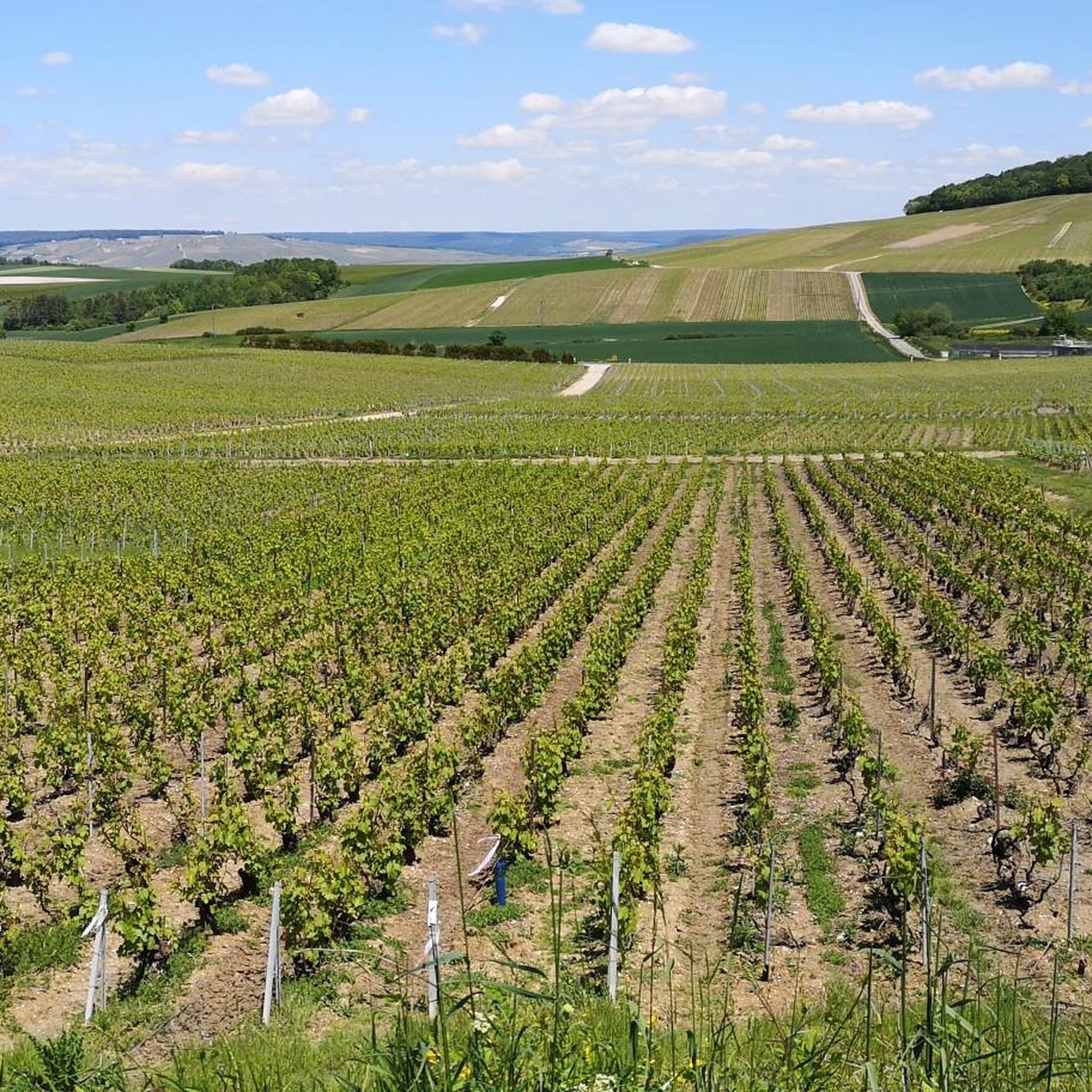
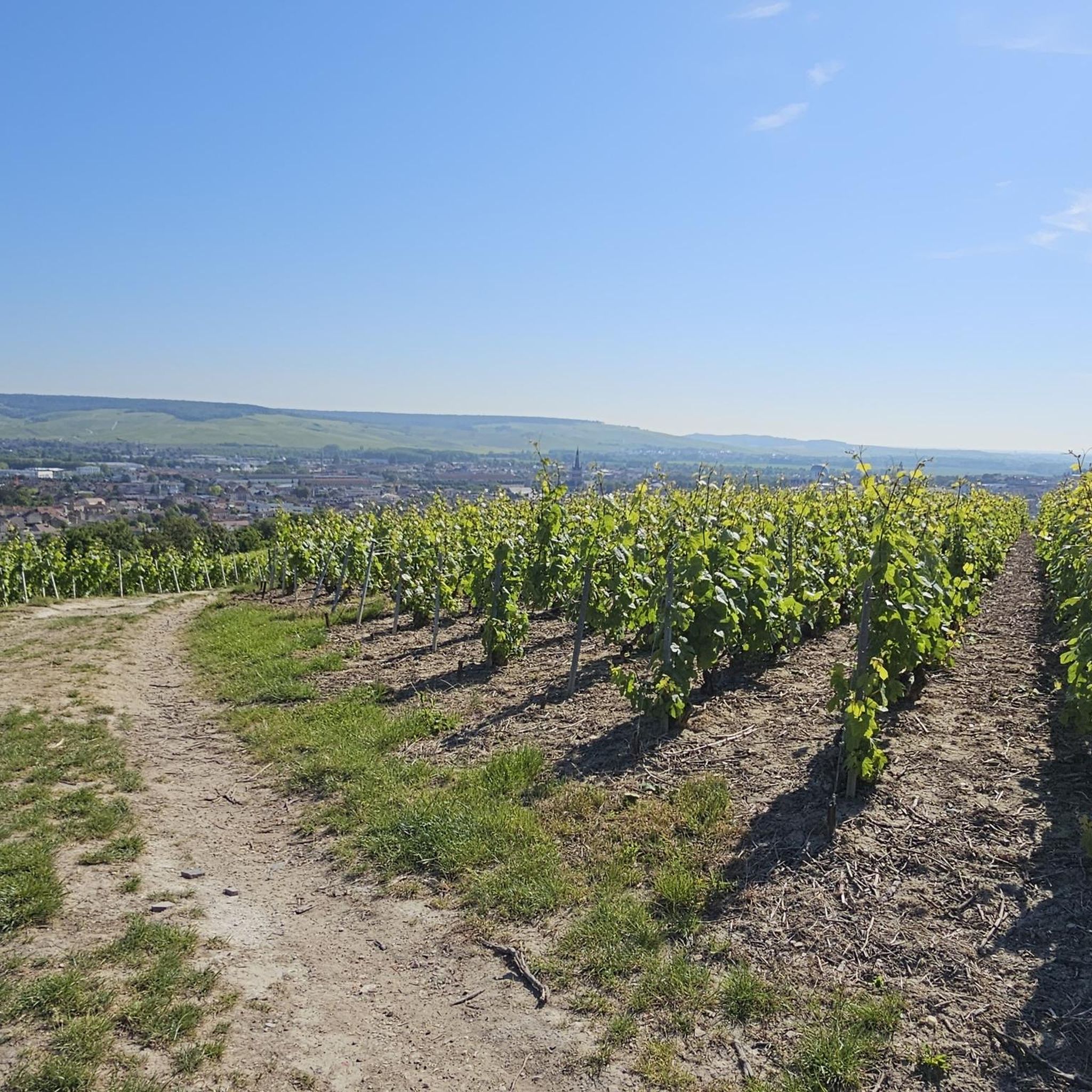
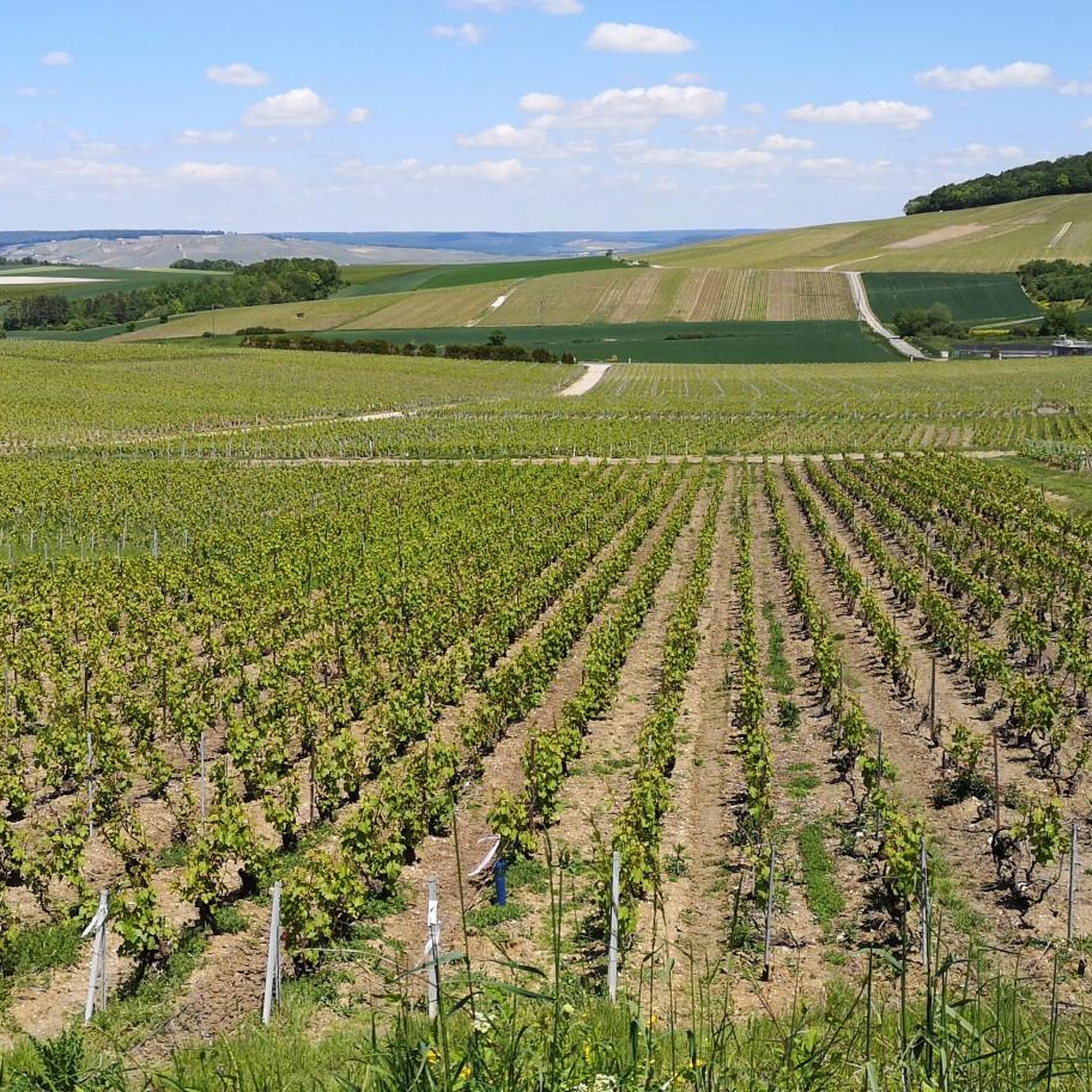
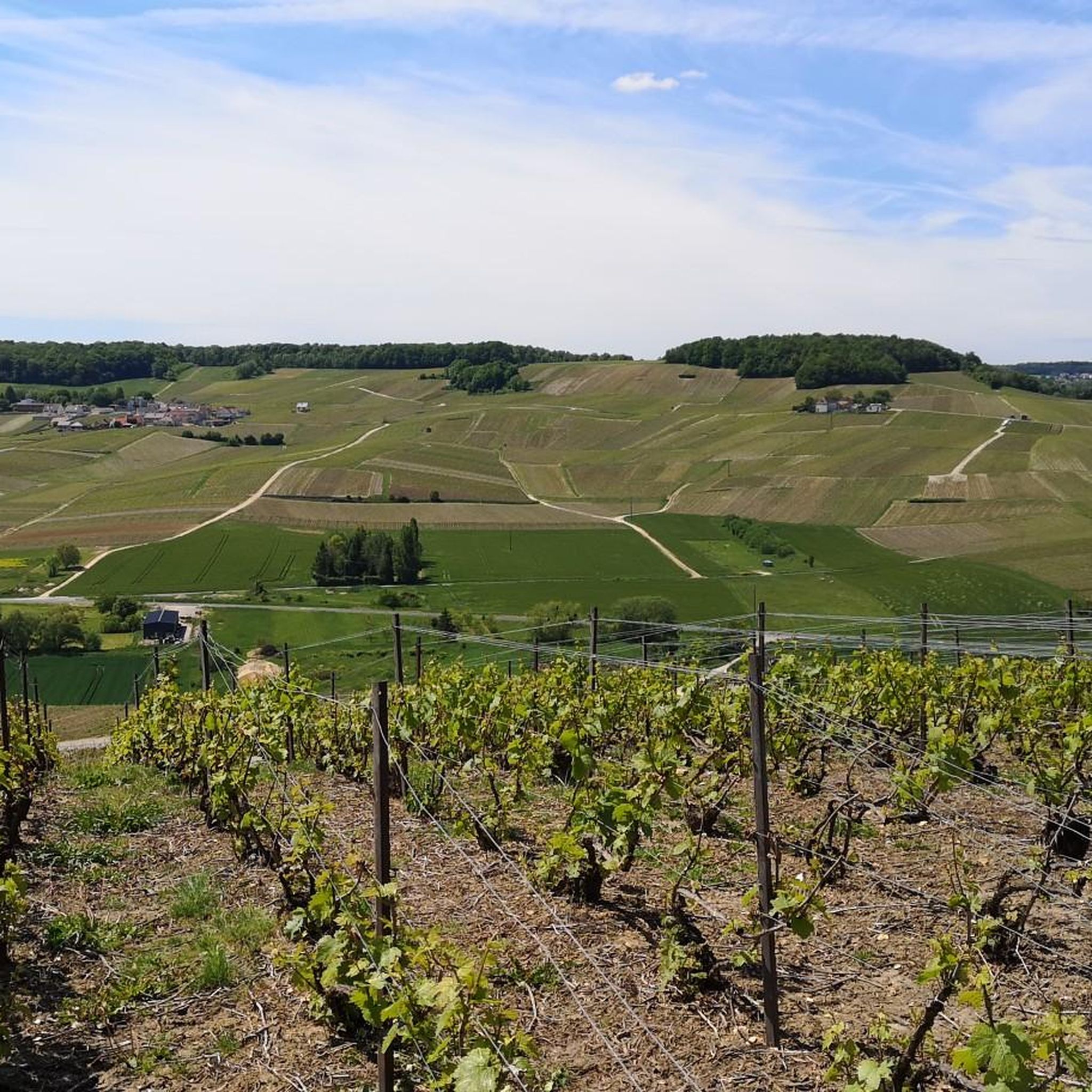

Tips from the Community

Small church on a hill in the middle of vineyards - not to be missed!
0
0

Very nice idea - this pergola.
1
0

Possibility of picnicking nearby with a view of the church and the valley
0
0

Between 1872 and 1884, the concierge and the orangery were built on the outer edge of a vast park, according to plans by the architect Alphonse Gosset (1835-1914)[5]. In 1920, the park was acquired by the municipality with the Auban-Moët mansion and opened to the public. The part of the park around the town hall is laid out in the French style, to emphasise the classical and sober facade of the building. It consists of a grass path and two symmetrical access paths arranged in a horseshoe shape around a fountain. It is decorated with two bronze lions, cast iron statues of ancient gods and various other statues. The other part of the park is laid out in the English style: it is crossed by hilly paths, groves, two pools of water, an artificial island and a rocky grotto with a waterfall. On this side of the garden is a temple of love, built of limestone. This belvedere with Corinthian columns has a coffered ceiling. It is inspired by the Temple of Love in the Petit Trianon in Versailles. The City Hall Park has the label "Remarkable Garden".🪴 In
7
1
Épernay Town Hall is located at number 7bis in the former Auban-Moët mansion, built in 1858 by Victor Moët (1797–1881)[5] to a design by the architect Victor Le Noir, who also designed the Montparnasse railway station in Paris. In the early 19th century, Jean-Baptiste Isabey had the building redesigned in a classical style for Jean-Remy Moët, owner of the Hôtel Auban-Moët and mayor of Épernay. The current layout dates from 1857 and is the work of the brothers Denis and Eugène Bühler. It was donated to the city in 1919, which took it into use as a town hall in 1920. The building houses luxurious rooms, including the wedding hall and the council chamber. The building has been listed as a French Historical Monument since 26 June 2012.[5][6]
7
1
In his day, the fermentation of wine in the bottle, which produces sparkling wine, was a huge problem for winemakers. When colder weather arrived in autumn, the fermentation process would sometimes halt before all the fermenting sugar in the wine had been converted into alcohol. If this wine was bottled at this stage, it literally became a time bomb. When the weather warmed in spring, the remaining yeast would begin to work again, producing carbon dioxide, which would at least force the cork out of the bottle and often cause the bottle to explode, setting off a chain reaction in nearby bottles. This posed a danger to workers and sometimes destroyed an entire year's worth of wine production.[citation needed] Dom Pérignon sought to prevent this imperfect fermentation and introduced several improvements that are still in use in the Champagne region today, such as the extensive blending of wines from different winemakers.
4
0
Pierre Pérignon (Sainte-Menehould, 1639 - Hautvillers, 24 September 1715) known as Dom Pérignon was a Benedictine monk to whom the méthode champenoise, the method of making champagne, is often attributed. The best champagne of the Moët et Chandon winery is also named after him: champagne Dom Pérignon. Legend has it that he exclaimed: "Come quickly, I'm tasting the stars!" when he tasted the first sparkling champagne. The reality is, however, that although the Dom worked tirelessly to improve the wines of the Champagne region, he invented neither sparkling wine nor champagne.
4
0

A beautiful wall to hurt yourself on, but life is worth it.
1
0
Frequently Asked Questions
How many road cycling routes are available around Cuis?
There are over 270 road cycling routes around Cuis, catering to various skill levels. This includes 45 easy routes, 181 moderate routes, and 45 challenging routes, ensuring options for every cyclist.
What kind of terrain can I expect on road cycling routes near Cuis?
Road cycling around Cuis offers diverse terrain, from gentle valleys to mountainous areas. The region is characterized by fertile lands, mesquite, huamuchil, and eucalyptus trees, with routes providing varied topography and scenic views. You'll find both flat sections and climbs, especially towards the Sierra Madre Occidental.
Are there any easy road cycling routes suitable for beginners or families?
Yes, Cuis offers 45 easy road cycling routes perfect for beginners or those looking for a more relaxed ride. An excellent option is the Past Mareuil-sur-Ay – Champagne Tourist Route loop from Moussy, which is 25.2 miles (40.6 km) long with minimal elevation gain.
What are some challenging road cycling routes for experienced riders?
For experienced riders seeking a challenge, Cuis has 45 difficult routes. While specific challenging routes are not detailed here, the region's mountainous areas, including parts of the Sierra Madre Occidental, offer significant elevation changes and demanding climbs. Look for routes with higher elevation gain listed in the guide for a more intense experience.
What natural features or landscapes will I see while cycling around Cuis?
The Cuis region, part of Jalisco, is known for its diverse natural landscapes. You'll encounter fertile lands, mesquite, huamuchil, and eucalyptus trees. The wider area boasts mountains, rivers, waterfalls, and forests, providing breathtaking panoramic views. Some routes may even take you through the Vías Verdes bike path system in the Tequila Valley, offering scenic rides through beautiful scenery.
Are there any notable landmarks or attractions along the road cycling routes?
Yes, several routes pass by interesting landmarks. For instance, you could explore the area around Blue Bridge and Saint-Hilaire Church, Mareuil-sur-Ay. Other historical sites nearby include Abbaye de Hautvillers and the Avenue de Champagne, offering cultural points of interest during your ride.
What do other road cyclists say about the routes in Cuis?
The road cycling routes in Cuis are highly regarded by the komoot community, holding an average rating of 4.5 stars from over 120 reviews. Cyclists often praise the diverse terrain, the pleasant climate, and the variety of options available for different skill levels, making it a popular destination with over 4,500 visitors.
What is the best time of year to go road cycling in Cuis?
Cuis generally enjoys a pleasant and fresh climate, making it suitable for road cycling throughout much of the year. While specific seasonal recommendations are not provided, the favorable climate suggests comfortable riding conditions outside of extreme weather periods. Always check local weather forecasts before heading out.
Are there any circular road cycling routes in Cuis?
Many of the road cycling routes around Cuis are designed as loops, allowing you to start and end your ride in the same location. Examples include the Church of Notre-Dame Epernay – Church and viewpoint loop from Moussy and the Breathtaking view of the vineyards – Saint-Martin Church of Chavot loop from Moussy, providing convenient options for your cycling adventures.
How long do road cycling routes around Cuis typically take to complete?
The duration of road cycling routes in Cuis varies significantly depending on their distance and difficulty. For example, an easy route like the Church of Notre-Dame Epernay – Church and viewpoint loop from Moussy (18.0 miles / 28.9 km) takes approximately 1 hour 16 minutes, while a moderate route such as the Verzenay Windmill – Champagne Tourist Route loop from Moussy (53.8 miles / 86.6 km) can take around 3 hours 36 minutes.
Is there public transport access to the road cycling routes in Cuis?
While specific public transport details for Cuis are not extensively provided, its proximity to Ameca, which boasts a network of cycling routes and is connected by the Vías Verdes bike path system, suggests potential access points. For detailed information on reaching specific route starting points, it's advisable to check local transport options for the Ameca municipality.
Are there any road cycling routes that offer panoramic views?
Yes, the region around Cuis is known for its diverse natural landscapes, including mountains and forests, which contribute to breathtaking panoramic views. Routes that ascend into higher elevations, particularly towards the Sierra Madre Occidental, are likely to offer stunning vistas of the surrounding countryside.
Most popular attractions around Cuis

Get inspired with the komoot mobile app


Explore more
Browse the best Road cycling routes in other regions.
