Attractions and Places To See around Oiry - Top 20
Best attractions and places to see around Oiry include a variety of historical sites, cultural landmarks, and scenic viewpoints. The region is characterized by its connection to champagne production, offering insights into its heritage and picturesque landscapes. Visitors can explore numerous points of interest, from historic abbeys to grand avenues, providing diverse outdoor activities and cultural experiences.
Best attractions and places to see around Oiry
- The most popular attractions is Avenue de Champagne, a historical site that features several prominent Champagne houses. This street is known for its well-maintained appearance and prestigious buildings.
- Another must-see spot is Town Hall, a historical site with an adjacent park. Visitors can explore the luxurious rooms and the park, which features both French and English garden styles.
- Visitors also love Champagne Wine and Regional Archaeology Museum (Château Perrier), a historical site housed in a castle. It contains significant archaeological exhibits and artifacts related to the history of Champagne wine.
- Oiry is known for its historical sites, religious buildings, and viewpoints. The area offers a variety of attractions to see and explore, including family-friendly activities Oiry.
- The attractions around Oiry are appreciated by the komoot community, with 168 upvotes and 30 photos shared by visitors.
Last updated: July 7, 2026
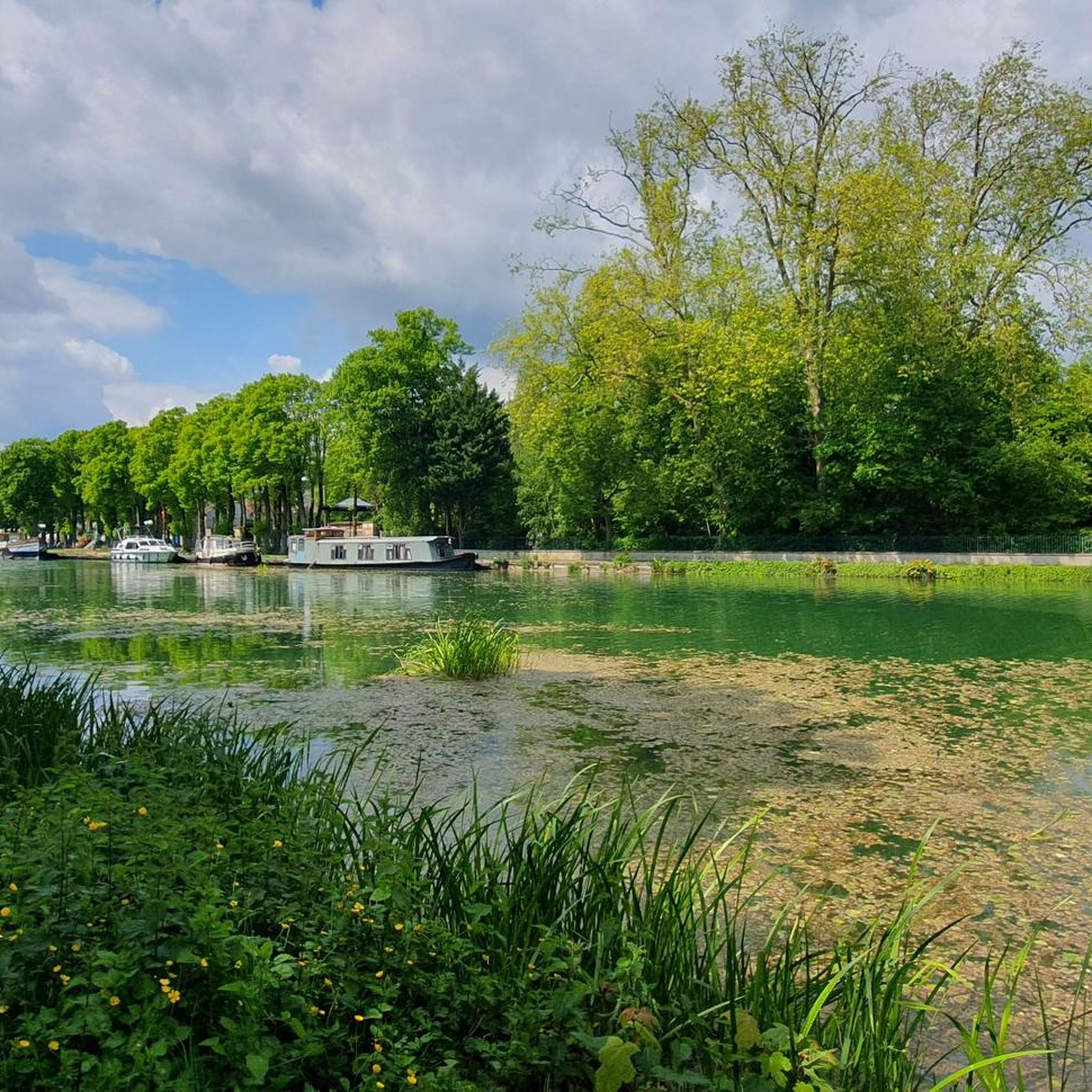
Blue Bridge and Saint-Hilaire Church, Mareuil-sur-Ay
Highlight • Bridge
Translated by Google •
Tip by

Abbaye de Hautvillers
Highlight • Historical Site
Translated by Google •
Tip by
Sign up now to discover places like this
Get recommendations on the best single tracks, peaks, & plenty of other exciting outdoor places.
Sign up for free
Avenue de Champagne
Highlight • Historical Site
Translated by Google •
Tip by
Town Hall
Highlight • Historical Site
Translated by Google •
Tip by

Champagne Wine and Regional Archaeology Museum (Château Perrier)
Highlight • Historical Site
Translated by Google •
Tip by
Sign up for free to discover even more attractions around Oiry.
Sign up for free
Already have an account?
Start today with a free account
Your next adventure awaits.
Login or Signup

Tips from the Community

Some of the buildings are monumental and an expression of capital - but even the small winemakers have very good champagnes to offer that are in no way inferior to the big houses!
1
0

In 2011[9], the idea for the current Museum of Champagne and Regional Archaeology was born. The project was approved by the French Ministry of Culture in 2014, and in 2016 the renovation work was entrusted to the architectural firm Frenak + Jullien. Work began in 2018, under the supervision of the chief architect of historical monuments Lionel Dubois. Château Perrier has now been restored and contains one of the most important archaeological exhibits in France, with some 80,000 regional artefacts (dating from the Paleolithic to the Early Middle Period) and 4,000 artefacts relating to the history of Champagne wine (since 1960).[10]
4
0
The Château Perrier, at number 13, was built from 1852 to 1857[9] by the architect Pierre-Eugène Cordier, in an eclectic Louis XIII style. In 1854[10], the couple Pierre-Nicolas Perrier, a cork manufacturer, and Adèle Jouët (the founders of the Perrier-Jouët champagne house), who had married in 1811, commissioned the construction of this castle. The four facades are inspired by the architecture of the French Renaissance, to the Parisian image of the Palais du Luxembourg, the Palais des Tuileries or the Lescot of the Louvre. The facades are a play of colours with materials such as brick, natural stone, slate and glass.
4
0
Between 1872 and 1884, the concierge and the orangery were built on the outer edge of a vast park, according to plans by the architect Alphonse Gosset (1835-1914)[5]. In 1920, the park was acquired by the municipality with the Auban-Moët mansion and opened to the public. The part of the park around the town hall is laid out in the French style, to emphasise the classical and sober facade of the building. It consists of a grass path and two symmetrical access paths arranged in a horseshoe shape around a fountain. It is decorated with two bronze lions, cast iron statues of ancient gods and various other statues. The other part of the park is laid out in the English style: it is crossed by hilly paths, groves, two pools of water, an artificial island and a rocky grotto with a waterfall. On this side of the garden is a temple of love, built of limestone. This belvedere with Corinthian columns has a coffered ceiling. It is inspired by the Temple of Love in the Petit Trianon in Versailles. The City Hall Park has the label "Remarkable Garden".🪴 In
7
1
Épernay Town Hall is located at number 7bis in the former Auban-Moët mansion, built in 1858 by Victor Moët (1797–1881)[5] to a design by the architect Victor Le Noir, who also designed the Montparnasse railway station in Paris. In the early 19th century, Jean-Baptiste Isabey had the building redesigned in a classical style for Jean-Remy Moët, owner of the Hôtel Auban-Moët and mayor of Épernay. The current layout dates from 1857 and is the work of the brothers Denis and Eugène Bühler. It was donated to the city in 1919, which took it into use as a town hall in 1920. The building houses luxurious rooms, including the wedding hall and the council chamber. The building has been listed as a French Historical Monument since 26 June 2012.[5][6]
7
1

simply fantastic and enjoy at least 1 glass of champagne ;)
4
1
Simply how many systems here are brilliant
5
1
Simply climb up from the Marne and visit the abbey and the grave of Dom Pierre Perignon. But please do it calmly and respectfully, not like the group of proletarians this morning 🙏
2
1
Frequently Asked Questions
Are there family-friendly attractions around Oiry?
Yes, several attractions are suitable for families. The Avenue de Champagne in Épernay offers a pleasant stroll with impressive buildings. The Champagne Wine and Regional Archaeology Museum (Château Perrier) is also family-friendly, providing engaging exhibits within a historic castle. Additionally, the park adjacent to the Town Hall in Épernay is a great spot for children to explore.
What historical sites can I visit near Oiry?
The region is rich in history. Beyond the prominent Avenue de Champagne and the Town Hall, you can explore the Champagne Wine and Regional Archaeology Museum (Château Perrier), which houses significant archaeological exhibits. Another notable site is the Abbaye de Hautvillers, considered the birthplace of the Champenoise method, where Dom Pérignon is buried.
Where can I experience the Champagne heritage around Oiry?
To immerse yourself in Champagne heritage, visit the Avenue de Champagne in Épernay, home to prestigious Champagne houses where you can often visit cellars and enjoy tastings. The Champagne Wine and Regional Archaeology Museum (Château Perrier) offers deep insights into the history of Champagne wine. Additionally, the Abbaye de Hautvillers is historically significant for its role in Champagne production.
Are there good places for walking or hiking near Oiry?
Yes, the area offers various hiking opportunities. You can find routes like the 'View of Cramant and Vineyards – Belvédère de Cramant loop' or the 'View of Oger loop'. For more options, explore the dedicated guide for Hiking around Oiry, which includes trails of varying difficulties.
What cycling opportunities are available around Oiry?
The region is excellent for cycling, especially road cycling through the vineyards. Routes such as the 'Champagne village – Eglise St. Martin and Swan loop' and the 'Belvédère de Cramant – Champagne village loop' are popular. For mountain biking, trails like the 'Marne Canal loop' are available. You can find detailed routes in the guides for Road Cycling Routes around Oiry and MTB Trails around Oiry.
Can I find viewpoints with scenic views near Oiry?
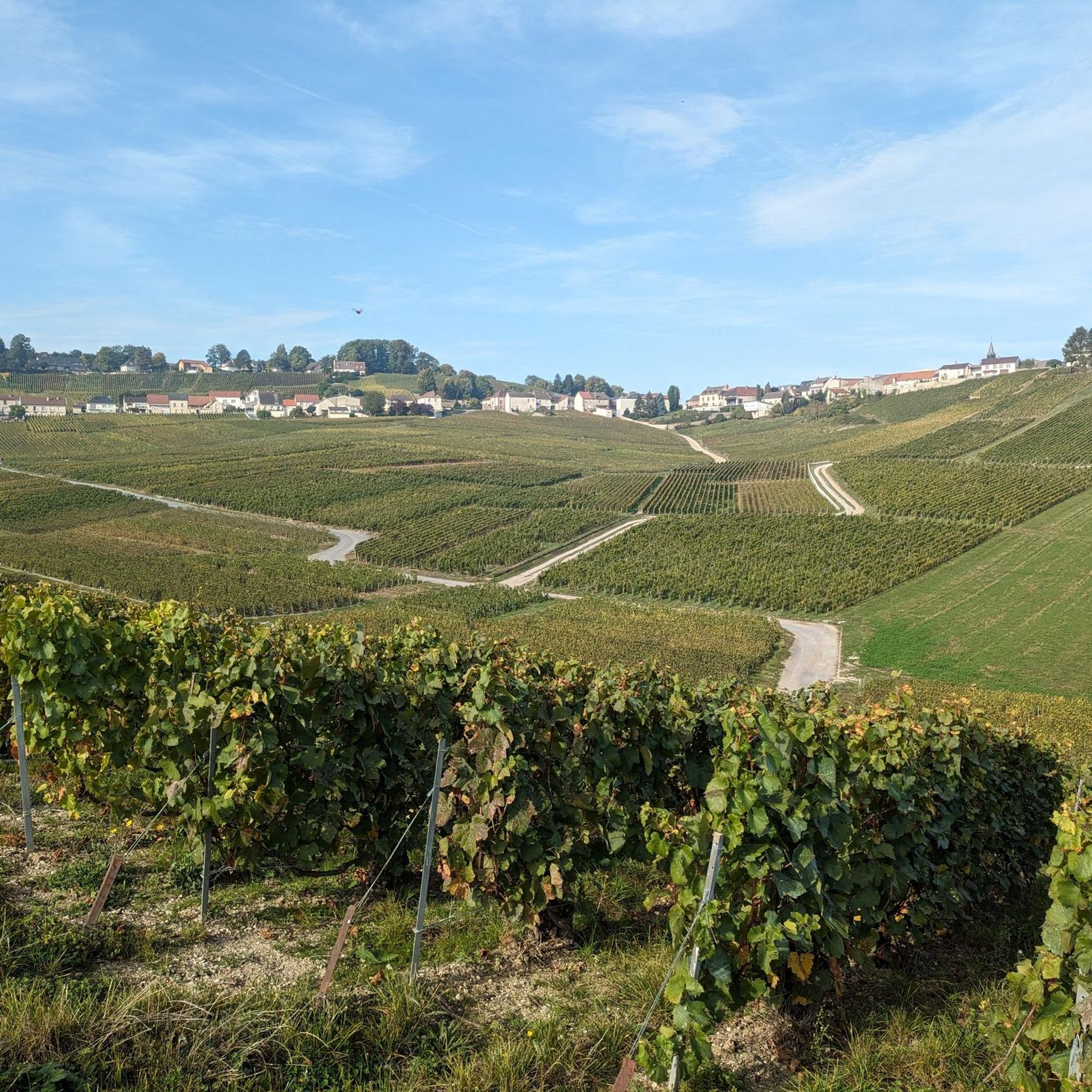
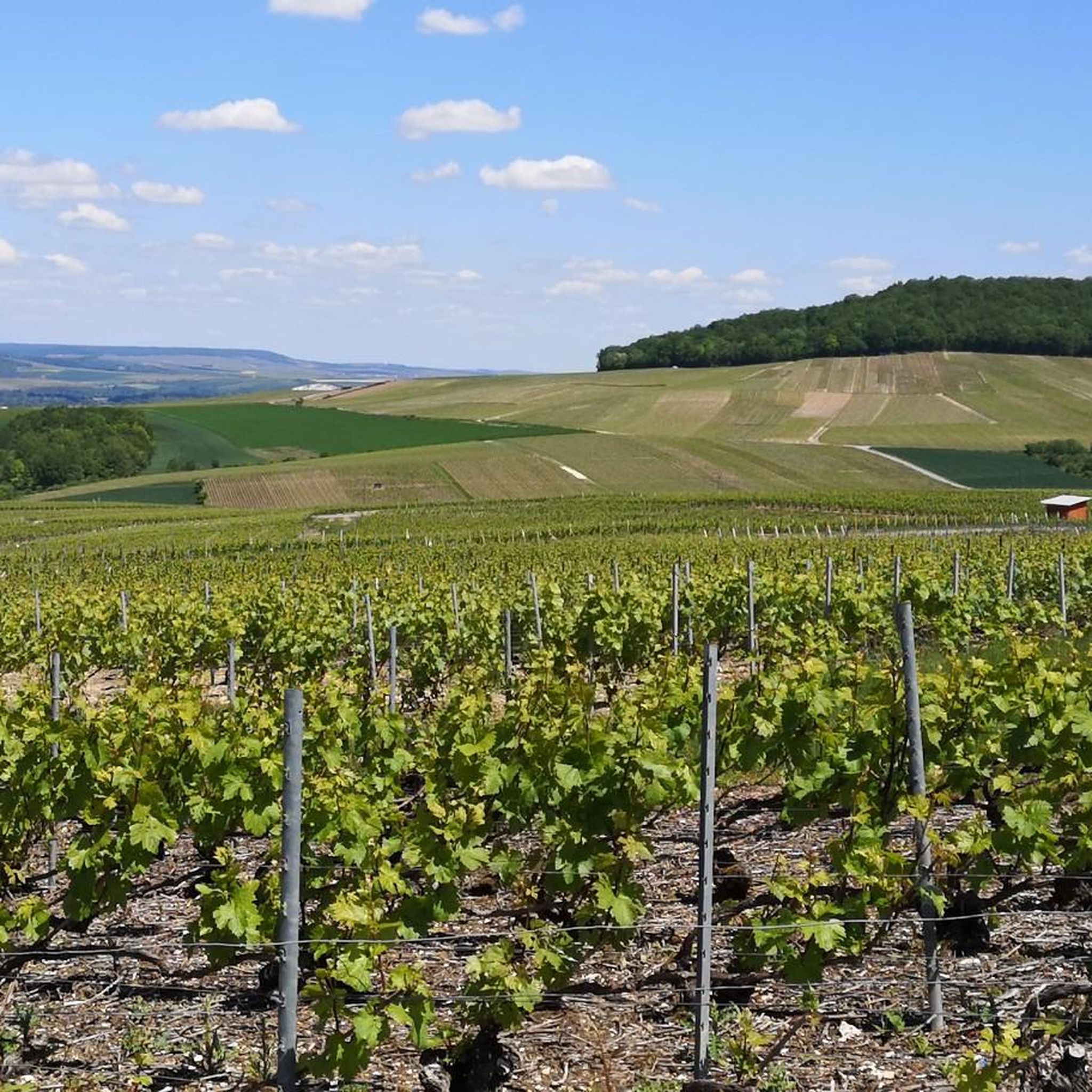
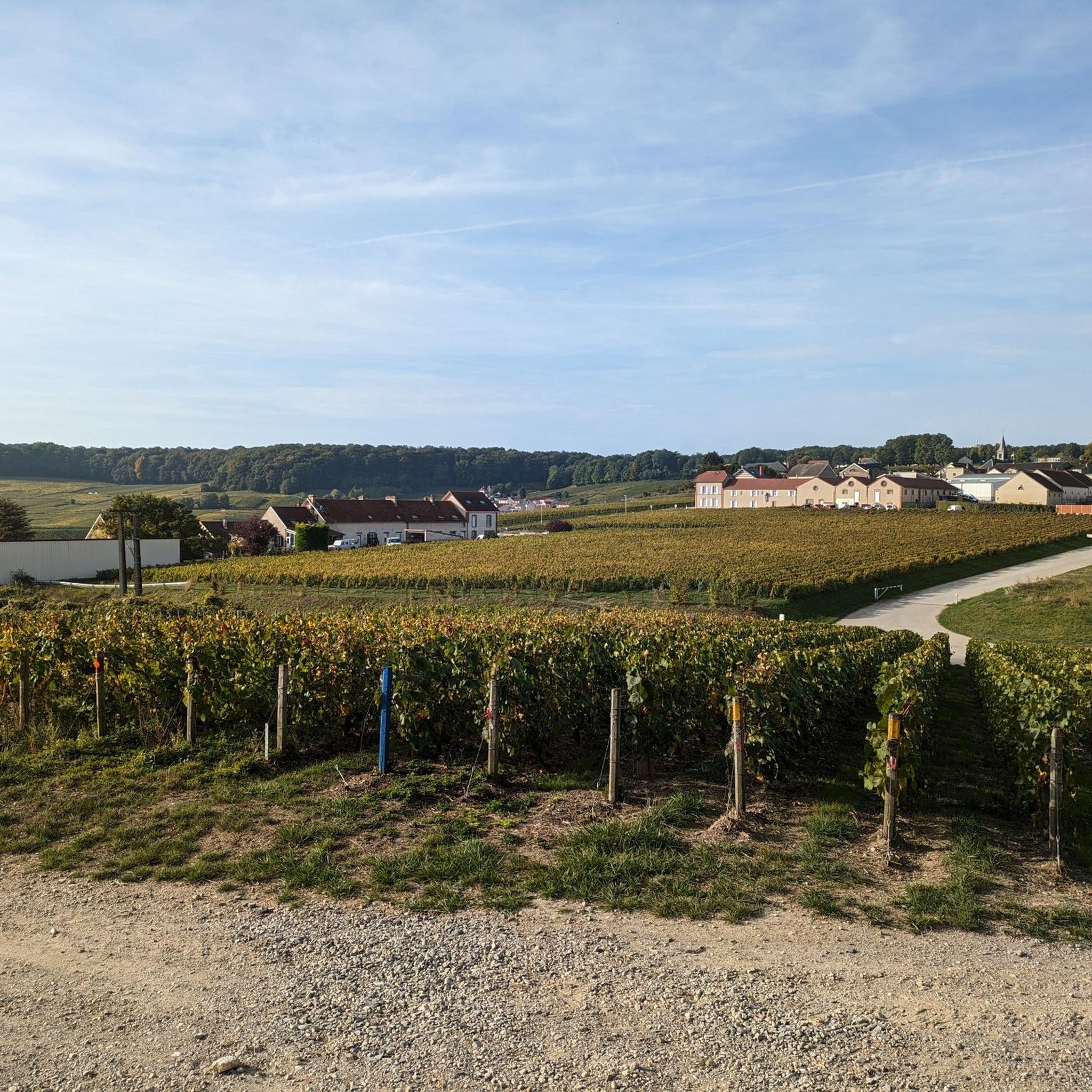
Absolutely. The village of Hautvillers, near the Abbaye de Hautvillers, offers an extraordinary view of the Marne valley and Épernay. Many cycling and hiking routes also pass through elevated areas, providing panoramic vistas of the Champagne vineyards.
What do visitors particularly enjoy about the attractions around Oiry?
Visitors frequently praise the well-maintained appearance and prestigious buildings along the Avenue de Champagne. The historical significance of sites like the Abbaye de Hautvillers and the beautiful architecture of the Town Hall and its adjacent park are also highly appreciated. The blend of history, culture, and scenic landscapes makes the area very appealing.
Are there any religious buildings worth visiting near Oiry?
Yes, the Abbaye de Hautvillers is a significant religious site, known for its connection to Dom Pérignon and the origins of Champagne. Additionally, the Saint-Hilaire Church in Mareuil-sur-Ay, near the Blue Bridge, is an 11th-century church with historical importance.
What is the best time of year to visit Oiry and its attractions?
The best time to visit Oiry and the Champagne region is generally from late spring (May) to early autumn (September). During these months, the weather is pleasant for outdoor activities, the vineyards are lush, and many Champagne houses offer tours and tastings. The harvest season in September is particularly vibrant.
Are there any unique or lesser-known places to explore near Oiry?
While the main attractions are well-known, exploring the charming village of Mareuil-sur-Ay, with its Blue Bridge and Saint-Hilaire Church, offers a delightful experience off the main tourist path. Its location bordering the Marne and its quaint village center provide a more intimate glimpse into the region.
What kind of parks or gardens can I visit around Oiry?
The most notable green space is the park adjacent to the Town Hall in Épernay. This 'Remarkable Garden' features both French and English garden styles, complete with ponds, an artificial island, a grotto with a waterfall, and a Temple of Love, offering a beautiful and serene environment.
Are there any bridges or unique architectural structures to see?
Yes, the Blue Bridge in Mareuil-sur-Ay is a distinctive landmark. Additionally, the architecture along the Avenue de Champagne, including the Château Perrier and other Champagne houses, showcases impressive historical designs.

Get inspired with the komoot mobile app


Explore more
Still not found the Highlight you’re looking for? See guides of the top attractions in other regions:
