Top 10 Natural Monuments around Brignogan-Plages
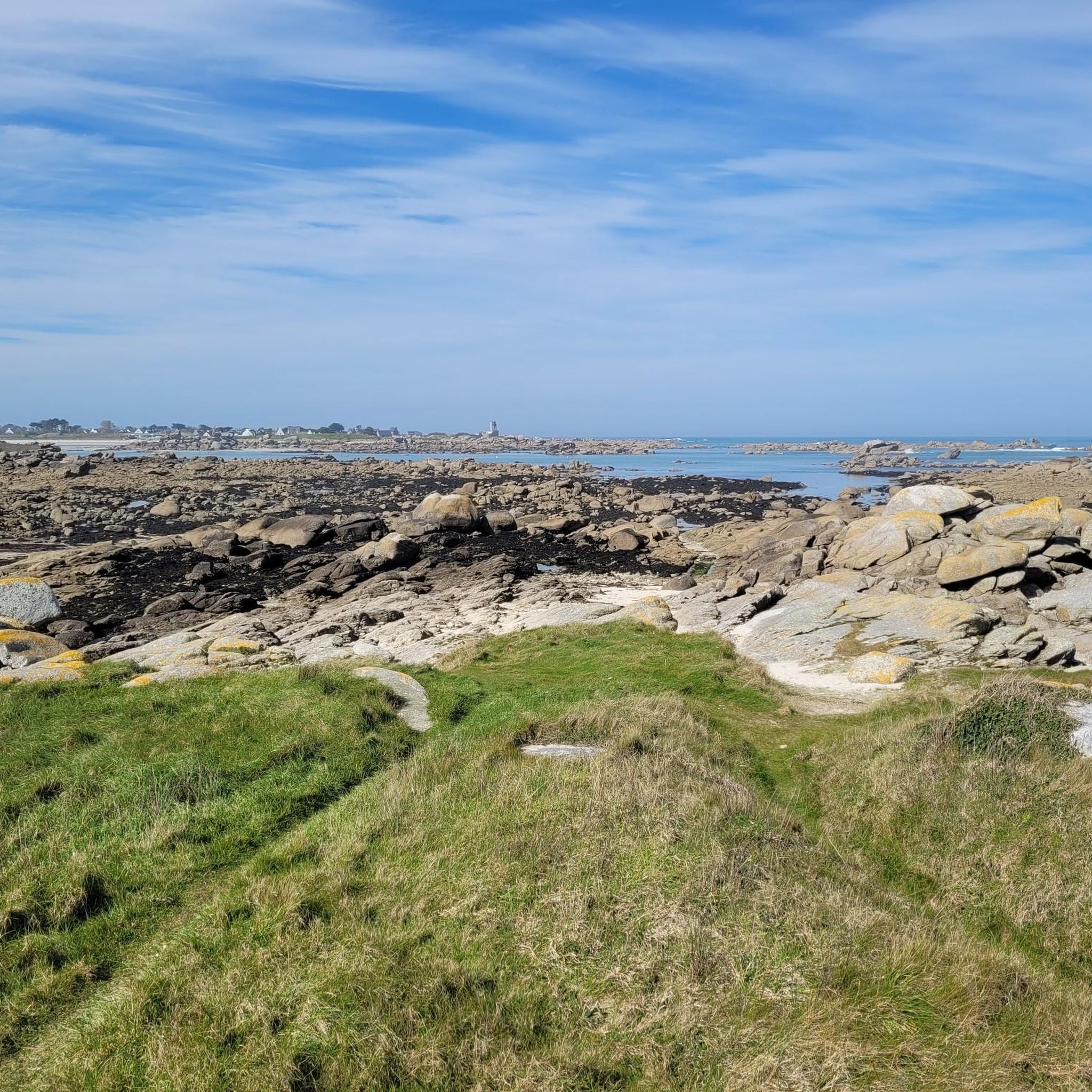
Best natural monuments around Brignogan-Plages are characterized by dramatic coastlines, white sandy beaches, and unique rock formations. This region in Brittany, France, offers a landscape shaped by natural forces like water and wind, creating a visually striking environment. The area is known for its granite formations and picturesque coastal scenery, making it a destination for those interested in natural features.
Best natural monuments around Brignogan-Plages
- The most popular natural monuments is Les Barrachou Rock Formations, a natural monument consisting…
Last updated: April 28, 2026
Face-Shaped Rock of Kerlouan
Highlight • Natural Monument
Translated by Google •
Tip by

Menhir of Men Marz
Highlight • Natural Monument
Translated by Google •
Tip by

Sign up now to discover places like this
Get recommendations on the best single tracks, peaks, & plenty of other exciting outdoor places.
Sign up for free
Ele Monument
Highlight • Monument
Translated by Google •
Tip by
Menhir of Cam-Luis
Highlight • Monument
Legend has it that it …
Translated by Google •
Tip by

Les Barrachou Rock Formations
Highlight • Natural Monument
Translated by Google •
Tip by

Sign up for free to discover even more natural monuments around Brignogan-Plages.
Sign up for free
Already have an account?
Start today with a free account
Your next adventure awaits.
Login or Signup
Tips from the Community

There are plenty of stones here. Some even have a stone in their garden. But there's something monumental about this height.
0
0

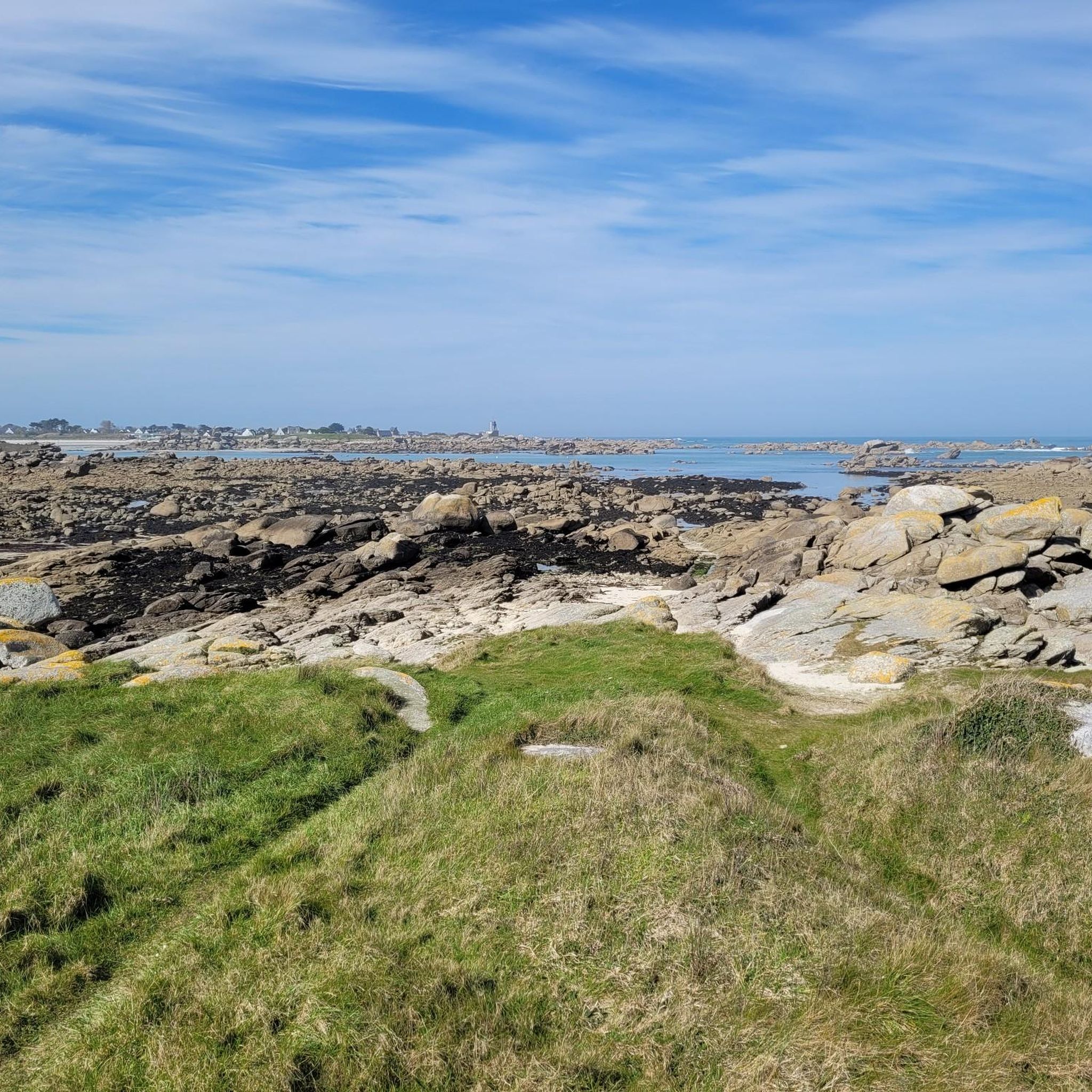
On the Kerlouan coast, right by the sea, there are rocks that have been shaped by their unique shapes and the power of nature. One particularly striking stone seems to have a face on it - a freak of nature that stimulates the imagination with its silent presence. If you keep your eyes open and pause for a moment, you may discover other figures or silhouettes hidden in the rocks. The constant change of tide and the play of light and shadow across the rugged landscape make the rocks seem almost alive. A place where you should take the time to explore the details - whether while walking along the coast or during a break to enjoy the view. This stretch of the Breton coast invites you to discover not only nature, but also the subtle stories that the stones carry hidden.
0
0

There are fairy tales everywhere, in which you can find poets and characters. Several elephants, a dog, faces, a dwarf, a rhinoceros, a guinea pig...
1
0
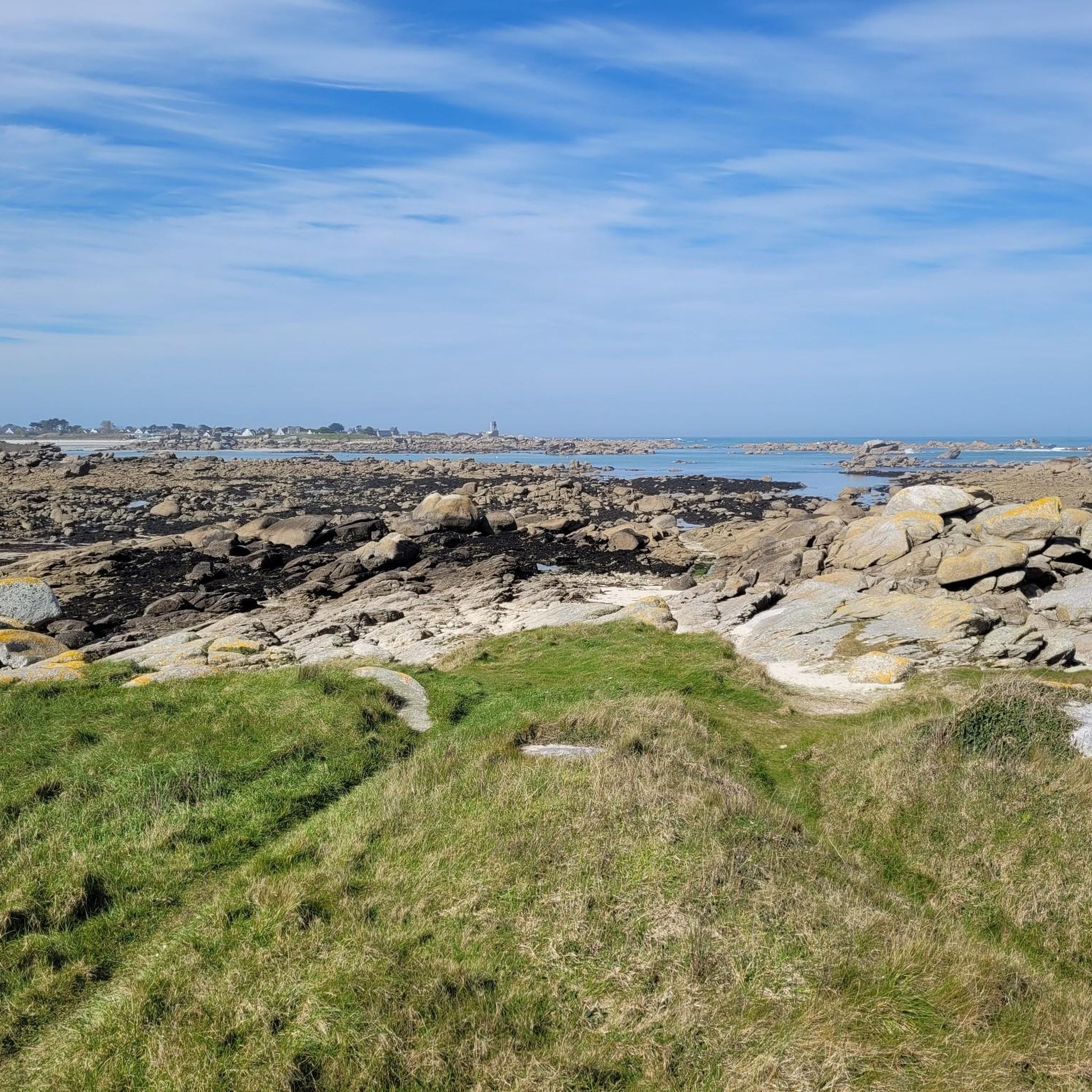
The whole of France is focused on the 2024 Olympic Games. Cups and other devotional items with the famous rings can be bought everywhere. The mascot is Phryge, a cheerful stylized Phrygian cap that was already appreciated by the ancient Persian god Mitras, later by the Doges of Venice, and which the Jacobins later made their symbol of freedom. Today it is often worn by statues of the Republic. But deserving athletes are also honored. Right by the sea there is a really lovingly designed monument made from an existing rock by adding an eye, which sports experts will easily recognize as an Ele monument. Here, too, the famous world champion in squats and star of international sports festivals enjoys great popularity. Locals say that Ele likes to use the meditation rock here before competitions to prepare himself mentally, which enthusiastic Ele fans like to imitate.
2
0
Very impressive, Christianized menhir, which was placed here by Obelix some time ago.
1
0

Very famous menhir in the region, which towers like a dragon's tooth. In the season and on weekends and holidays you are lucky if you can photograph it without tourists and walkers.
1
0

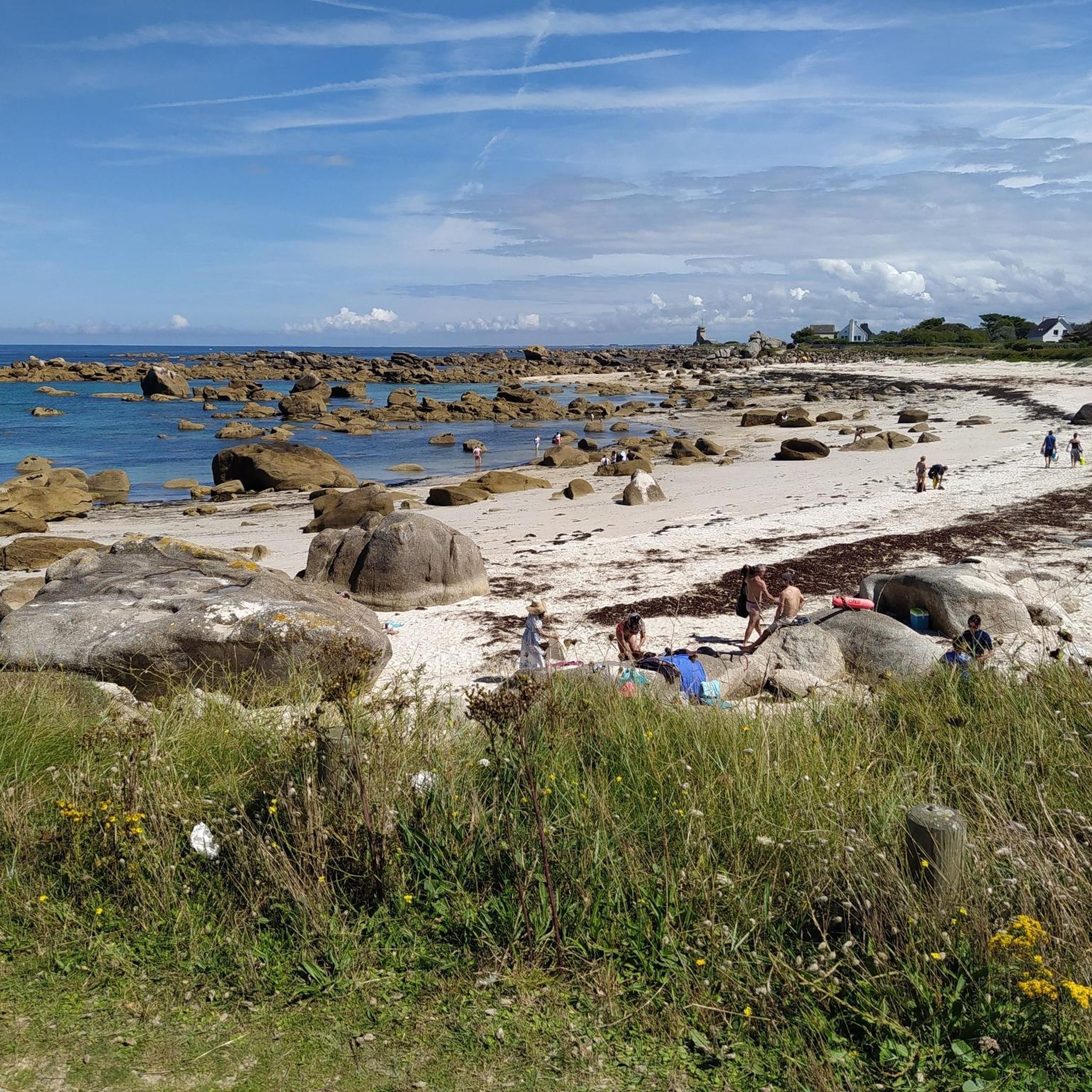
The Barrachou are these three immense granite rocks planted on the dune. By climbing on them, they offer a beautiful view of the sea and the surrounding coasts.
1
0

The Cam Louis menhir, one of the tallest in Brittany, measures almost 7 meters high. It has been classified as a Historic Monument since 1909. Legend has it that it is erected on a treasure, accessible only on Christmas Day, at the stroke of midnight! Bordering the shore on an uncultivated moor where rocks emerge, it serves as a landmark for coastal navigators.
3
0
Frequently Asked Questions
What are some of the most unique natural rock formations to see in Brignogan-Plages?
Brignogan-Plages is famous for its extraordinary granite rock formations shaped by centuries of erosion. You can explore sites like Les Barrachou Rock Formations, which are three immense granite rocks offering beautiful views of the sea. Another fascinating spot is the Face-Shaped Rock of Kerlouan, where visitors often spot faces and animal shapes in the rocks, inviting your imagination to run wild.
Are there any historical natural monuments in Brignogan-Plages?
Yes, Brignogan-Plages is home to impressive historical natural monuments. The Menhir of Men Marz is considered one of the largest Christianized megaliths in Brittany, standing at 8.50 meters above ground and dating back to the Neolithic period. Another significant historical site is the Menhir of Cam-Luis, which measures almost 7 meters high and has served as a landmark for coastal navigators for centuries.
What kind of views can I expect from the natural monuments in the area?
The natural monuments around Brignogan-Plages offer spectacular coastal views. From Les Barrachou Rock Formations, you can enjoy expansive vistas of the sea and surrounding coastlines. The entire coastline is celebrated for its dramatic scenery, with large, picturesque rocks and white sandy beaches, often compared to the Seychelles for its clear water and mystical rock formations.
Are there family-friendly natural monuments in Brignogan-Plages?
Many natural monuments in Brignogan-Plages are suitable for families. The unique rock formations, such as the Face-Shaped Rock of Kerlouan, are great for sparking children's imaginations. Historical sites like the Menhir of Men Marz and the Menhir of Cam-Luis offer an educational and intriguing experience for all ages.
What outdoor activities can I do near the natural monuments in Brignogan-Plages?
The natural monuments are often integrated into the region's extensive network of outdoor trails. You can enjoy various activities, including hiking, running, and cycling. For detailed routes, explore the hiking trails around Brignogan-Plages, running trails, or cycling routes. The GR®34 coastal path, in particular, offers numerous opportunities for walks along the beautiful shoreline.
Are there specific hiking trails that pass by these natural monuments?
Yes, several hiking trails allow you to experience the natural monuments up close. For example, you can find routes like the 'Ménéham Beach – Ménez Ham Historic Village loop' or 'Toads' Beach – The eye - mosaic on granite loop' that showcase the coastal beauty and unique rock formations. You can find more options on the hiking guide for Brignogan-Plages.
What is the best time to visit Brignogan-Plages to see the natural monuments?
The Brignogan-Plages region is beautiful year-round, but the warmer months from late spring to early autumn (May to September) are ideal for enjoying the coastal paths and beaches. During this time, the weather is generally pleasant for exploring the rock formations and megaliths, and you can fully appreciate the clear, translucent waters.
What makes the coastline of Brignogan-Plages so special?
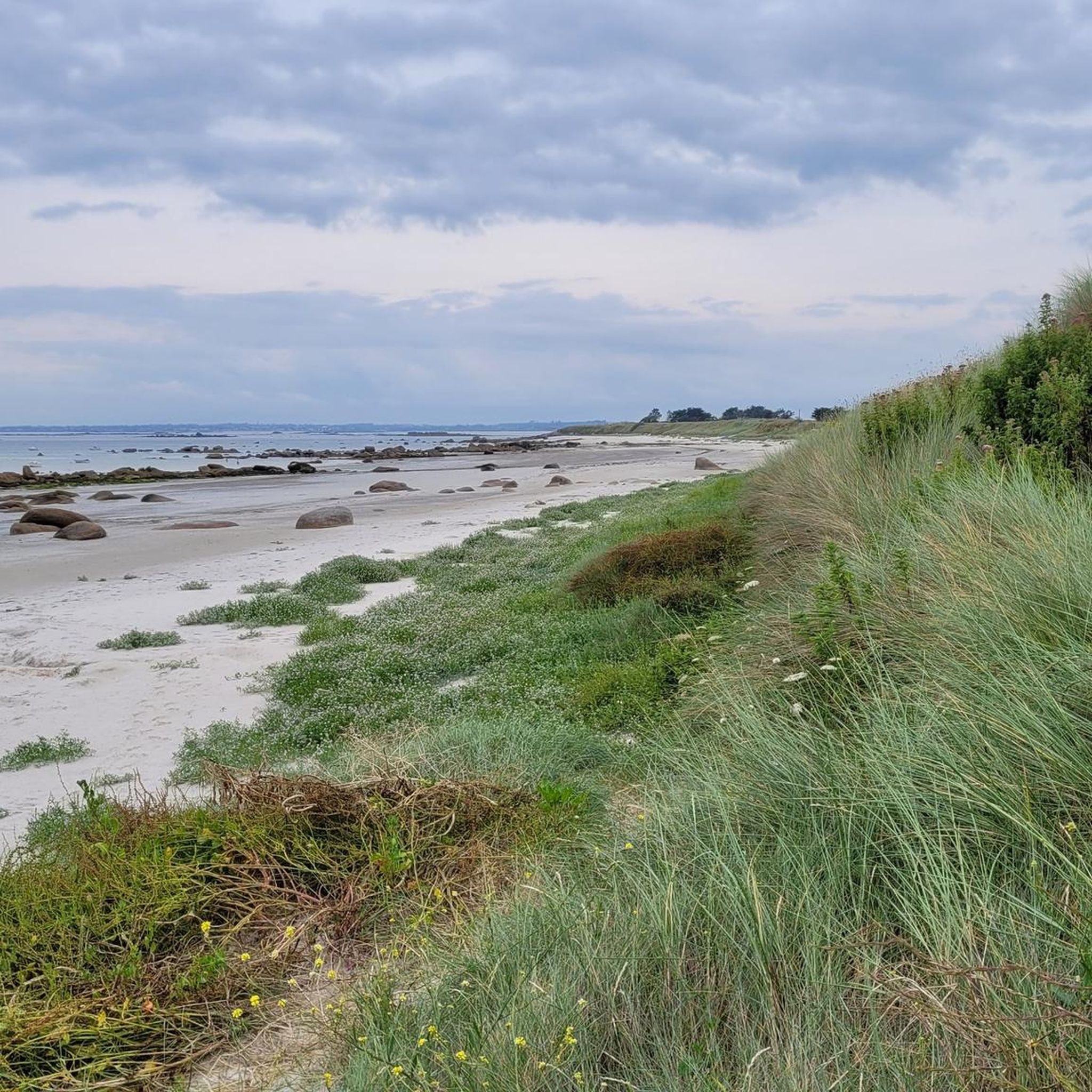
The coastline of Brignogan-Plages is truly unique, characterized by its dramatic blend of white sandy beaches and massive granite rocks. These formations have been sculpted by wind and water over millennia, creating a visually striking environment with many rocks resembling animal shapes or mythical figures. The clear waters and picturesque scenery often draw comparisons to exotic locations.
Can I find any hidden natural gems or less-known spots in Brignogan-Plages?
While many natural monuments are well-known, the extensive coastline and numerous rock formations mean there are always new perspectives to discover. Exploring the various beaches like the Beach of the Chardons Bleus, the Beach of the Crapaud, or the 'Plage du P'tit Nice' can lead you to quieter spots and unique rock formations that feel like hidden gems. The region's charm lies in its abundant, naturally sculpted landscapes.
What do visitors enjoy most about the natural monuments in Brignogan-Plages?
Visitors frequently highlight the impressive scale and unique shapes of the granite rocks, often noting how their imagination is sparked by formations resembling faces or animals. The stunning coastal views, especially from vantage points like Les Barrachou Rock Formations, are also a major draw. The historical significance of the ancient menhirs, such as the Menhir of Men Marz, also captivates many, offering a blend of natural beauty and cultural heritage.
Are there any specific beaches known for their natural beauty near the monuments?
Yes, several beaches in Brignogan-Plages are renowned for their natural beauty and proximity to unique formations. The Plage de Pontusval, near the Headland of Pontusval, is famous for its magnificent sunsets and views. Other charming beaches include the Beach of the Chardons Bleus, the Beach of the Crapaud, and the 'Plage du P'tit Nice,' which is also noted for its typical Breton houses and as an ideal spot for diving from the rocks.
Is the Pontusval Lighthouse considered a natural monument?
While the Pontusval Lighthouse itself is a man-made structure, its setting on the Headland of Pontusval is a significant natural monument. The headland is surrounded by sandy beaches and unique rock formations, making it one of the most photographed lighthouses in Europe due to its stunning natural backdrop. It's a prime example of how human structures can beautifully integrate with the natural landscape.
Most popular routes around Brignogan-Plages
Most popular attractions around Brignogan-Plages

Get inspired with the komoot mobile app


Explore more
Extend your search for the best caves by checking out these guides of the top ones around Brignogan-Plages:
