Attractions and Places To See around Lantenne-Vertière - Top 20
Best attractions and places to see around Lantenne-Vertière include a blend of natural beauty and cultural heritage in the Doubs department of France. This rural commune serves as a base for exploring significant natural landscapes and historical sites within easy reach. The area features notable waterways like the Doubs river and the Rhône-Rhine Canal, alongside charming historic towns. Lantenne-Vertière offers a variety of natural and cultural points of interest for visitors.
Best attractions and places to see around Lantenne-Vertière
- The…
Last updated: June 24, 2026
Ranchot Island Campsite
Highlight • Rest Area
More information: juracampingdelile.fr/index.php/fr
Translated by Google •
Tip by

Osselle Cave
Highlight • Natural Monument
Translated by Google •
Tip by

Sign up now to discover places like this
Get recommendations on the best single tracks, peaks, & plenty of other exciting outdoor places.
Sign up for free
EuroVelo 6: Doubs and Rhône-Rhine Canal from Beure to Ranchot
Highlight (Segment) • Cycleway
Translated by Google •
Tip by

Historic Center of Marnay
Highlight • Historical Site
Very prosperous in the Middle Ages, due to its trade and its artisans. There …
Translated by Google •
Tip by

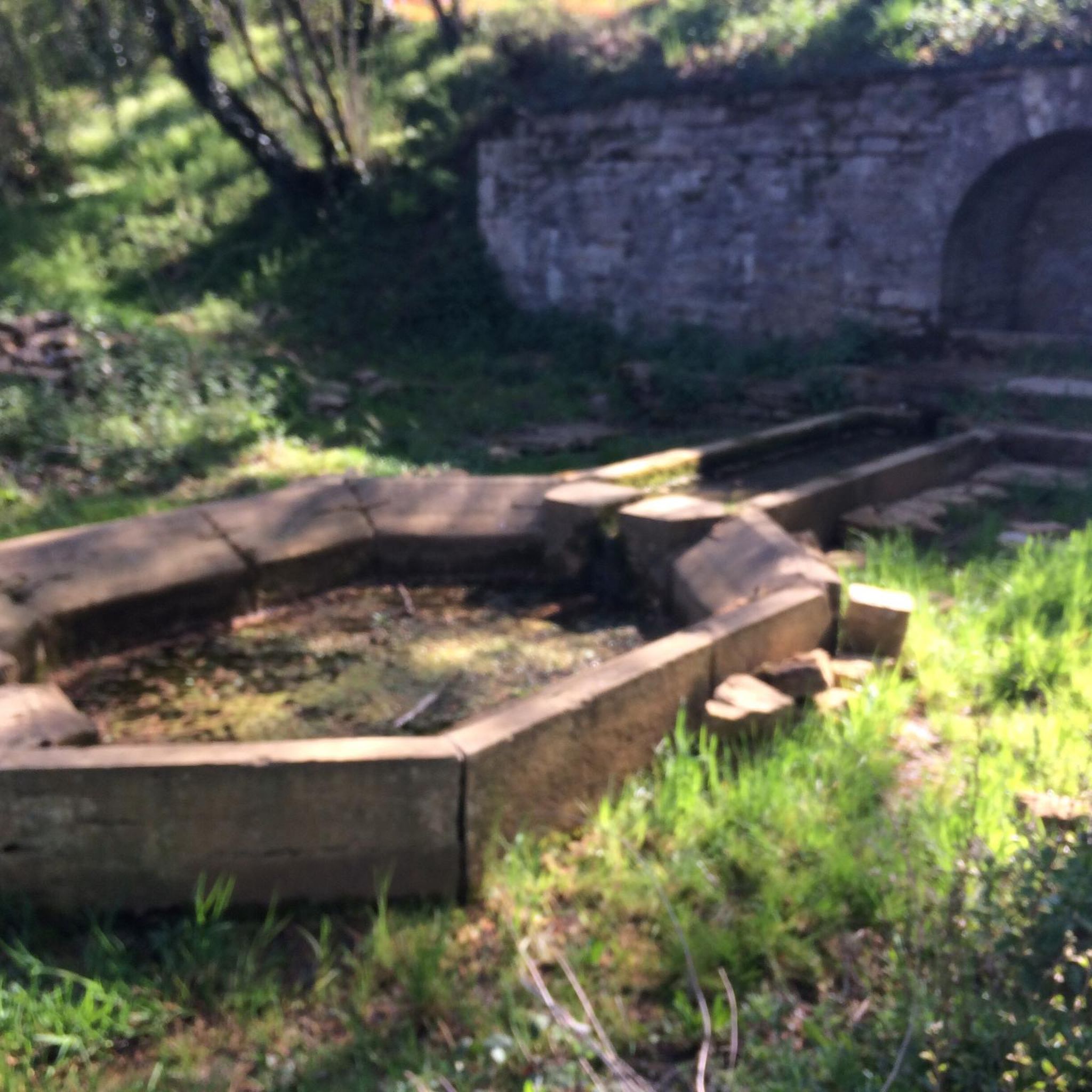
Confluence of the Rhône–Rhine Canal and the River Doubs
Highlight • River
Translated by Google •
Tip by

Sign up for free to discover even more attractions around Lantenne-Vertière.
Sign up for free
Already have an account?
Start today with a free account
Your next adventure awaits.
Login or Signup

Tips from the Community

According to the listing: Pets welcome https://de.montagnes-du-jura.fr/sit/grotte-dosselle
0
0

Does anyone know if you can go in there with a dog?
0
0

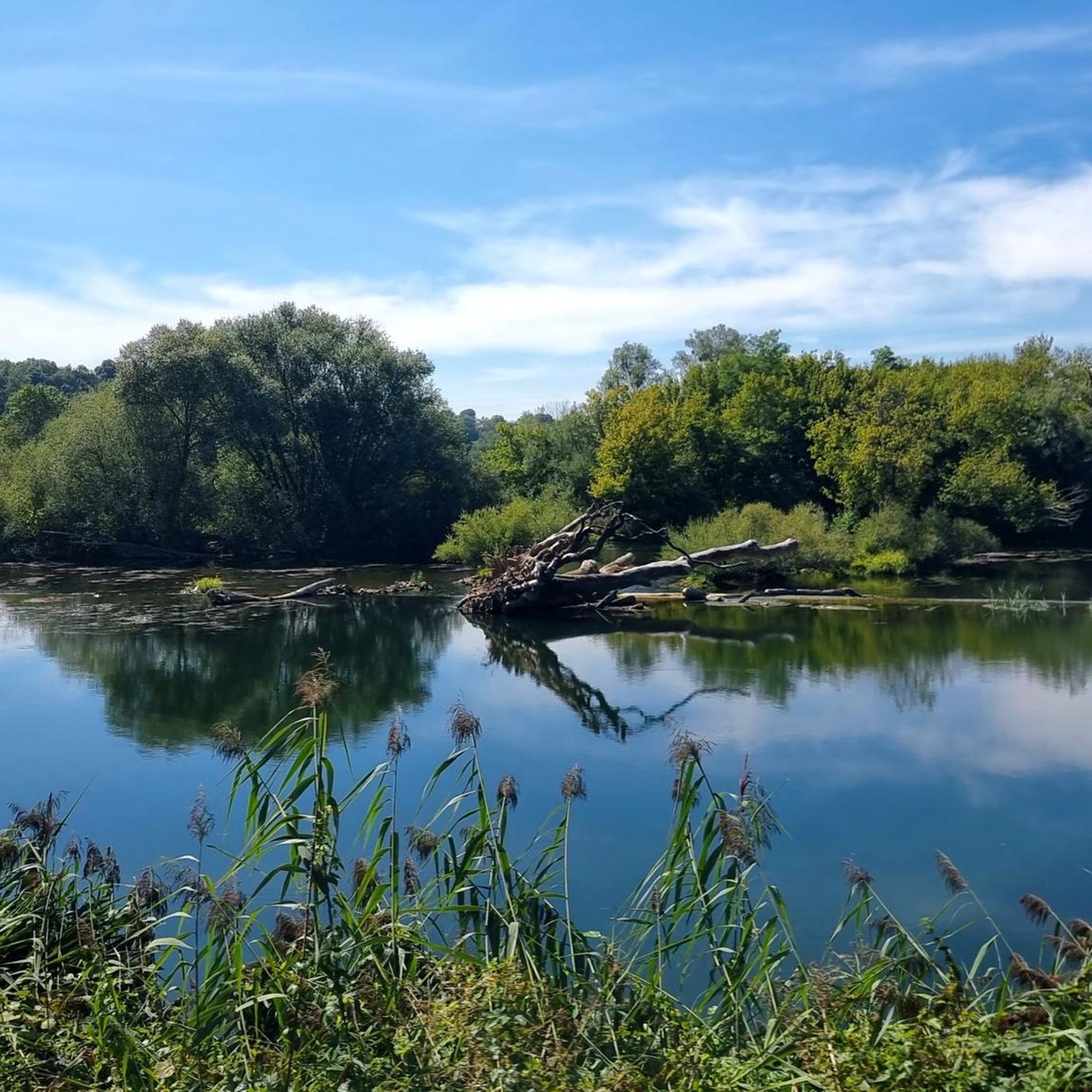
A river and a canal separated only by a embankment is indeed an impressive and rare sight. Worth seeing!
1
0

At this location, the canal and the river are closely adjacent to each other. It's a beautiful sight to see. Here the two rivers travel together in the valley.
2
0

Characterful Comtoise town which was part of the Holy Roman Empire until the treaty of 1678. Very prosperous in the Middle Ages, due to its trade and its artisans. There has been a cloth hall there since the 14th century, after Jeanne de Bourgogne, countess of Franche-Comté and queen of King Philippe V the Long of France, brought weavers from Paris there. From June 14, 1354 and until the Revolution, the bourgeoisie of Marnay had a charter of emancipation which ensured them security and abundance - "anyone who has a house and keeps fire in the village will be bourgeois". This charter allowed residents to administer the city themselves and thus build ramparts and set up the individual gardens that can still be found there today.
0
0
If you want to venture underground, you've come to the right place. A 1200 meter long cave discovered in the 13th century, it has been visited since 1504, making it one of the two oldest tourist caves in the world. Its underground river, its dry gallery and its incredibly colorful geological formations will not leave you indifferent. Neither is the fact that the first cave bear skeleton was discovered there.
0
0

The stalactite cave is about 20 km from Besançon and belongs geographically to the foothills of the Jura Mountains. Definitely worth a visit. Stalagmites and stalactites can be admired in approx. 8 different halls. There is also an underground stream. This cave seems to be one of the lesser known. It was not necessary to pre-order tickets.
1
0

Beautiful scenery and nice bike path.
2
1
Frequently Asked Questions
What natural attractions can I explore around Lantenne-Vertière?
The region offers several compelling natural sights. You can visit the remarkable Osselle Cave, one of Europe's most beautiful caves, featuring impressive stalagmites, stalactites, and an underground stream. Another scenic spot is the Confluence of the Rhône–Rhine Canal and the River Doubs, where these two significant waterways meet and flow closely together.
Are there any historical sites or cultural landmarks to visit?
Yes, the Historic Center of Marnay is a charming Comtoise town with a rich past, having been part of the Holy Roman Empire. It was once a prosperous center for trade and artisans, even boasting a cloth hall since the 14th century. The town's unique charter of emancipation from 1354 allowed residents to administer the city themselves.
What cycling opportunities are available near Lantenne-Vertière?
Cycling enthusiasts will enjoy the EuroVelo 6: Doubs and Rhône-Rhine Canal from Beure to Ranchot. This well-maintained section of the EuroVelo 6 offers a car-free path to explore the beautiful landscape along the Doubs river and the Rhône-Rhine Canal. For more cycling routes, you can explore the Cycling around Lantenne-Vertière guide.
Are there family-friendly activities or attractions in the area?
Many attractions around Lantenne-Vertière are suitable for families. The EuroVelo 6 cycle path is family-friendly, offering a safe environment for cycling. The Confluence of the Rhône–Rhine Canal and the River Doubs provides a scenic spot for a family outing. Additionally, the Ranchot Island Campsite is a quiet and green spot that caters to families.
What do visitors particularly enjoy about the attractions here?
Visitors frequently praise the well-maintained nature of the EuroVelo 6 cycle path, highlighting its beautiful landscape and lack of car traffic. The Osselle Cave is often described as one of Europe's most beautiful, with its stunning geological formations and underground river. The Confluence of the Rhône–Rhine Canal and the River Doubs is appreciated for its picturesque views where the two waterways run parallel.
Can I go hiking or running near Lantenne-Vertière?
Yes, the area offers various routes for hiking and running. You can find several trails, such as the 'Le Moutherot and its vineyards loop' or routes around 'Feudal Enclosure of Châtelard'. For a comprehensive list of options, refer to the Running Trails around Lantenne-Vertière guide.
Is the Osselle Cave accessible for visitors, and what should I expect?
The Osselle Cave is open daily and can only be visited with a guided, multilingual tour. It maintains a constant temperature of 13 degrees Celsius, so it's advisable to bring a light jacket. The tour covers approximately 1.2 km through about eight different halls, showcasing stalagmites, stalactites, and an underground stream. Admission for adults is around 9 euros (as of 2022).
Are there any dog-friendly attractions in the area?
The Osselle Cave is listed as dog-friendly, allowing you to bring your canine companion to explore this natural wonder. Always check specific rules or requirements before your visit.
Where can I find accommodation or camping facilities?
The Ranchot Island Campsite offers a very quiet and green setting at the eastern end of the Ranchot peninsula, which is formed by a loop of the Doubs river and the Rhine-Rhône canal. It's a peaceful spot for those looking to stay close to nature.
What kind of mountain biking trails are available?
For mountain biking enthusiasts, there are several trails around Lantenne-Vertière. Options include routes like the 'Feudal Enclosure of Châtelard – Bois d'ambre saint vit loop' or the 'Château d'Étrabonne loop'. You can find detailed information and more routes in the MTB Trails around Lantenne-Vertière guide.
What is the significance of the Historic Center of Marnay?
The Historic Center of Marnay is significant for its medieval prosperity, driven by trade and artisans. It was home to a cloth hall since the 14th century and held a unique charter of emancipation from 1354, granting its bourgeoisie self-governance and security. This history is still visible in its characterful Comtoise architecture and layout.
Most popular routes around Lantenne-Vertière

Get inspired with the komoot mobile app


Explore more
Still not found the Highlight you’re looking for? See guides of the top attractions in other regions:
