Top 5 Castles around Saint-Lager
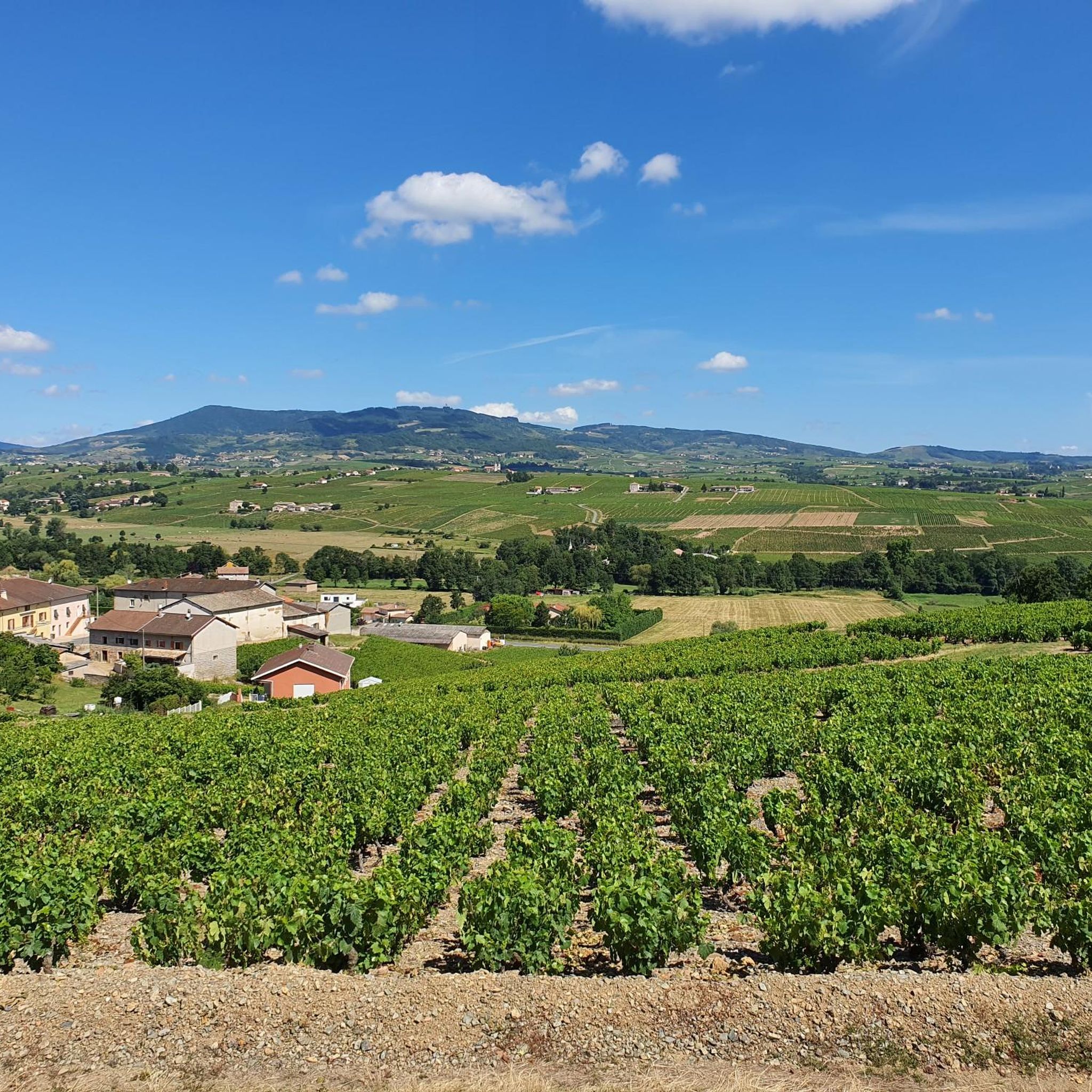
Best castles around Saint-Lager offer a glimpse into the rich history of the Beaujolais region. This area is characterized by its rolling hills and vineyards, providing a scenic backdrop for historical exploration. Visitors can discover various architectural styles, from ancient fortified structures to grand estates. The region's cultural significance is often intertwined with its winemaking heritage and historical landmarks.
Best castles around Saint-Lager
- The most popular castles is Château de Varennes, an 11th-century fortified castle. This historical site is…
Last updated: July 1, 2026
Château de Fléchères
Highlight • Castle
Translated by Google •
Tip by

Château de Varennes
Highlight • Castle
This label is awarded to buildings not protected as Historical Monuments but worthy of interest for the history of art.
Translated by Google •
Tip by
Sign up now to discover places like this
Get recommendations on the best single tracks, peaks, & plenty of other exciting outdoor places.
Sign up for free
Corcelles-en-Beaujolais Castle
Highlight • Castle
Translated by Google •
Tip by

Château de La Palud
Highlight • Castle
Translated by Google •
Tip by
Montbriand Castle
Highlight • Castle
Translated by Google •
Tip by

Start today with a free account
Your next adventure awaits.
Login or Signup

Tips from the Community

The historic Château de Corcelles (Castle in the French department of Rhône in Corcelles-en-Beaujolais) in the famous Beaujolais wine region was originally built in the 13th century on the foundations of an old Carolingian fortress as a defensive castle to protect against the Burgundians. After severe destruction, Jean de Laye rebuilt the castle around 1470 in its present basic form with a square keep and round towers. In the 16th century, a distinctive half-timbered gallery in the courtyard and a Gothic chapel were added. The estate has been a listed monument since 1927.
1
0


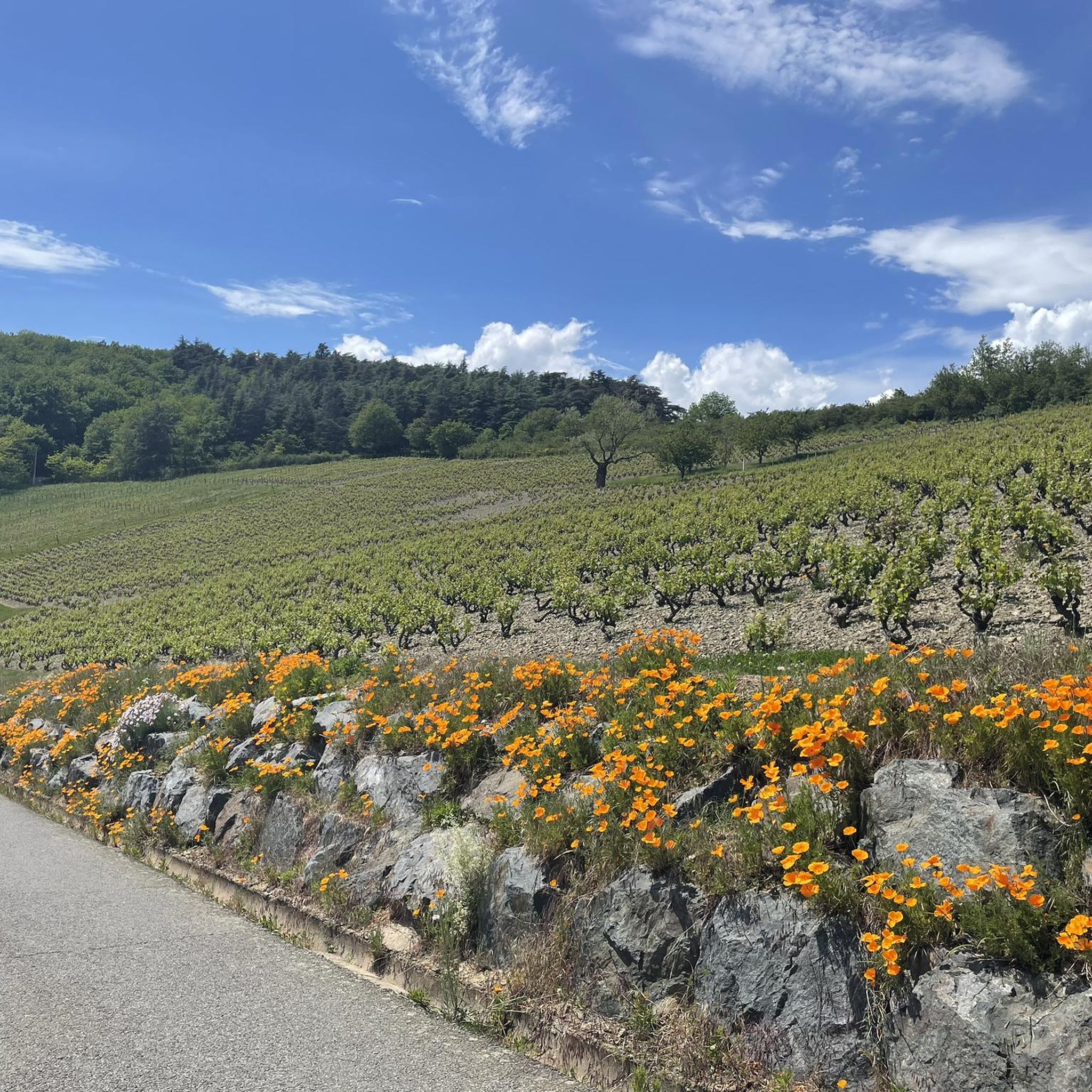
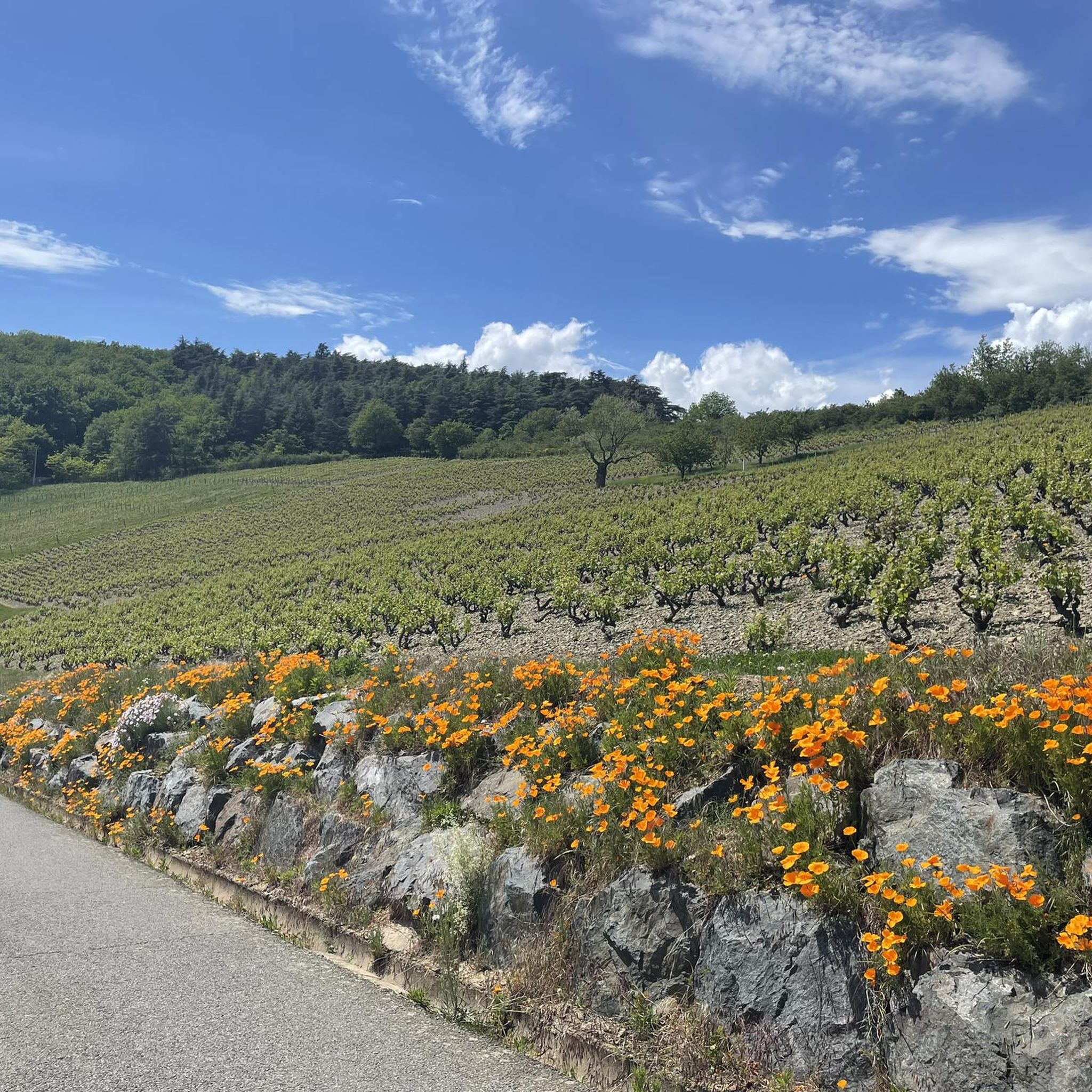
The area is too nice to walk around with the Beaujolais moors and the great village of Marchamp.
1
0

The Château de La Palud was built around 1560 for a powerful family from Beaujolais. Later in 1680, it was acquired by the nuns of Chazeaux. It is used today for agricultural purposes.
0
0
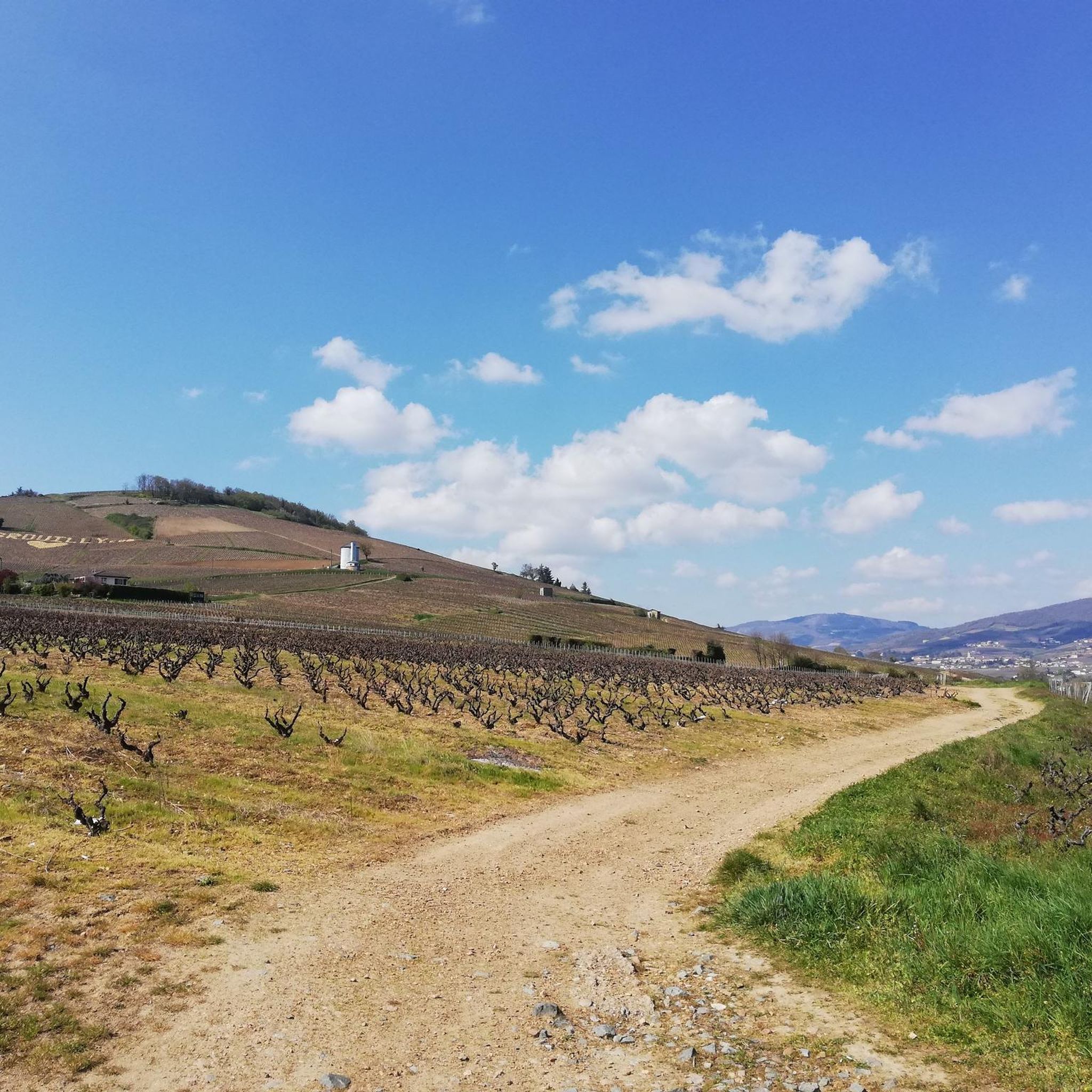
The Château de Varennes is an old fortified castle, from the 11th century. It is labeled “VMF Historical Heritage”. This label is awarded to buildings not protected as Historical Monuments but worthy of interest for the history of art.
1
0
The Château de Flégères is the largest castle to visit around Lyon. Spread over more than 30 hectares, the castle has a French garden and an English park which are very pleasant for a walk. All the information necessary for the visit is available here: https://chateaudeflecheres.com/la-visite
3
0

The original castle dates from the 11th century but was demolished in the 1400s by the Burgundians. In the 15th century it was rebuilt and in the 16th century it was transformed into a mansion. Today, it is owned by the Richard family who manage the estate and the vineyard.
5
0

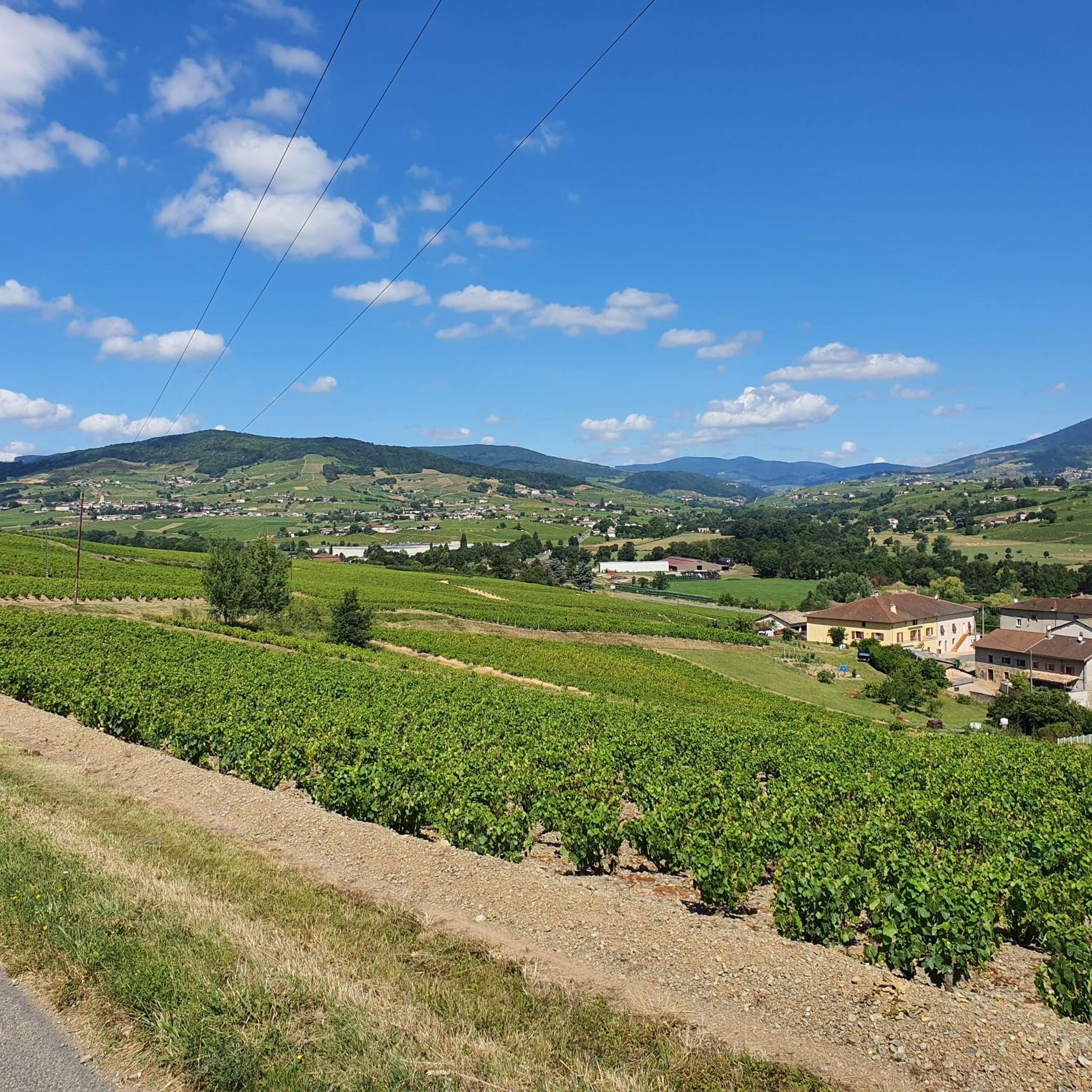
Pretty castle on the gas toboggan loop after the Col de Marchampt.
0
0
Frequently Asked Questions
What kind of history do the castles around Saint-Lager offer?
The castles in the Beaujolais region around Saint-Lager showcase a rich history, with structures dating back to the 11th century. You can find ancient fortified castles like Château de Varennes, which is labeled “VMF Historical Heritage,” and others that have been transformed into mansions or used for agricultural purposes, such as Château de La Palud. Many have undergone significant changes and restorations over centuries, reflecting different eras and owners.
Are there family-friendly castles around Saint-Lager?
Yes, Château de Fléchères is particularly suitable for families. This large 17th-century castle features a beautiful French garden and an English park, offering pleasant spaces for walks and exploration for all ages.
What outdoor activities can I do near these castles?
The region around Saint-Lager, with its rolling hills and vineyards, is excellent for various outdoor activities. You can find numerous routes for running, gravel biking, and cycling. For example, there are running trails like the Mont Brouilly Loop, and cycling routes such as the 'View of Mont Brouilly – Col du Plageret loop'. You can explore more options on the Running Trails around Saint-Lager, Gravel biking around Saint-Lager, and Cycling around Saint-Lager guide pages.
What is the best time of year to visit the castles around Saint-Lager?
The Beaujolais region is beautiful year-round, but the best time to visit the castles is typically from spring to early autumn (April to October). During these months, the weather is generally pleasant for exploring the castle grounds and gardens, and the vineyards are lush. Many castles also offer special events or extended opening hours during the peak tourist season.
Is parking available at the castles around Saint-Lager?
Parking availability varies by castle. While many castles, especially those open to the public, offer dedicated parking, it's always advisable to check the specific castle's website or contact them directly before your visit for the most accurate information on parking facilities.
Are the castles around Saint-Lager dog-friendly?
Policies regarding dogs vary significantly among castles. Some may allow dogs on leashes in outdoor areas like parks and gardens, while others may not permit them at all, especially inside historical buildings. It's recommended to check the individual castle's visitor information or contact them directly regarding their dog policy before planning your visit.
How long should I plan for a visit to the castles around Saint-Lager?
The duration of a visit depends on the castle and your interest. For a comprehensive visit including guided tours and exploring the grounds, plan for 1.5 to 3 hours per castle. If you're visiting multiple castles in a day, consider allocating half a day to a full day to comfortably enjoy the experience and travel between locations.
Do any castles around Saint-Lager have notable gardens or unique features?
Yes, Château de Fléchères is renowned for its extensive grounds, featuring both a meticulously maintained French garden and a sprawling English park, perfect for leisurely strolls. Château de Varennes, an 11th-century fortified castle, is also notable for its family vineyard, offering visits and tastings.
Are there any lesser-known or 'hidden gem' castles worth visiting?
Beyond the more prominent sites, Montbriand Castle offers a glimpse into the region's noble history, having been erected into a county in the 18th century. Château de La Palud, built around 1560 and later acquired by nuns, provides an interesting historical context, currently used for agricultural purposes.
Can I find cafes or restaurants near the castles?
The Beaujolais region is known for its culinary delights and wine. While not every castle will have an on-site cafe, you'll often find charming restaurants and cafes in the nearby villages and towns. Many local establishments offer regional specialties and, of course, local Beaujolais wines, providing a perfect complement to your castle visit.
What architectural styles can I expect to see among the castles?
The castles around Saint-Lager display a diverse range of architectural styles, reflecting their construction and transformations over centuries. You can encounter structures from the 11th century, such as fortified castles, to 17th-century grand estates like Château de Fléchères, and even properties that have evolved into agricultural estates. This variety offers a fascinating architectural journey through time.
Are there any castles that offer wine tastings or vineyard tours?
Yes, Château de Varennes, an 11th-century fortified castle, is home to a family vineyard that has been operating for 10 generations. They offer 'Discovery' tastings every Wednesday and Saturday at 11 am, providing a unique opportunity to combine historical exploration with the region's renowned winemaking heritage.
Most popular routes around Saint-Lager
Most popular attractions around Saint-Lager

Get inspired with the komoot mobile app


Explore more
Looking for the best castles somewhere else? Discover other guides around Saint-Lager:
