Attractions and Places To See around Le Fayel - Top 20
Attractions and places to see around Le Fayel offer a blend of historical landmarks and natural points of interest within the Oise department of France. The commune features preserved architectural elements, including a 17th-century château and a historic village pond. Archaeological findings indicate ancient Roman origins, contributing to the area's rich heritage. The surrounding region provides opportunities to explore both historical sites and natural landscapes.
Best attractions and places to see around Le Fayel
- The most popular attractions is Trans'Oise…
Last updated: July 6, 2026
Royal Abbey of Moncel
Highlight • Historical Site
Translated by Google •
Tip by

Compiègne Town Hall
Highlight • Monument
Translated by Google •
Tip by

Sign up now to discover places like this
Get recommendations on the best single tracks, peaks, & plenty of other exciting outdoor places.
Sign up for free
Town Hall
Highlight • Monument
Translated by Google •
Tip by

Saint-Denis Church of Pontpoint
Highlight • Religious Site
Translated by Google •
Tip by

Trans'Oise Greenway – Oise Ponds
Highlight • Cycleway
Translated by Google •
Tip by

Sign up for free to discover even more attractions around Le Fayel.
Sign up for free
Already have an account?
Start today with a free account
Your next adventure awaits.
Login or Signup




Tips from the Community

beautiful hill with a small section at 9%. Nice little village café just before the hill to regain strength
0
0


The square itself houses a statue of Joan of Arc, a tribute to the city's historical connection to this iconic figure. The Town Hall, with its rich history and stunning architecture, continues to captivate visitors, offering a glimpse into the past while remaining a vibrant part of Compiègne's present.
2
0
The architecture of the town hall is a true feast for the eyes. The central structure is dominated by a tall bell tower, flanked by two turrets connected by a decorative railing. This imposing façade, 47 meters high and 24 meters wide, is decorated with striking Gothic elements such as pinnacles and basket arches. The large niche now houses a high relief depicting the equestrian statue of Louis XII. It is an original creation from 1869 by the sculptor Henri-Alfred Jacquemart in the realistic style so prevalent at the time. However, contrary to the usual appearance of equestrian statues during the reign of Louis XII, Henri-Alfred Jacquemart chose not to build a horse walking "à l'amble," that is, with both straight legs raised simultaneously. On October 12, 1530, a clock was placed on the summit of the bell tower. From that time on, every quarter of an hour, she animated three wooden jaquemarts with bell hammers. The Compiègneis quickly gave them three nicknames corresponding to the enemies of the time: Langlois for the English, Flandrin for the Flemish, and Lansquenet for the Germans. Even today, they chant the life of the city by "punching the time," that is, by striking their hammer to strike the hours.
2
0

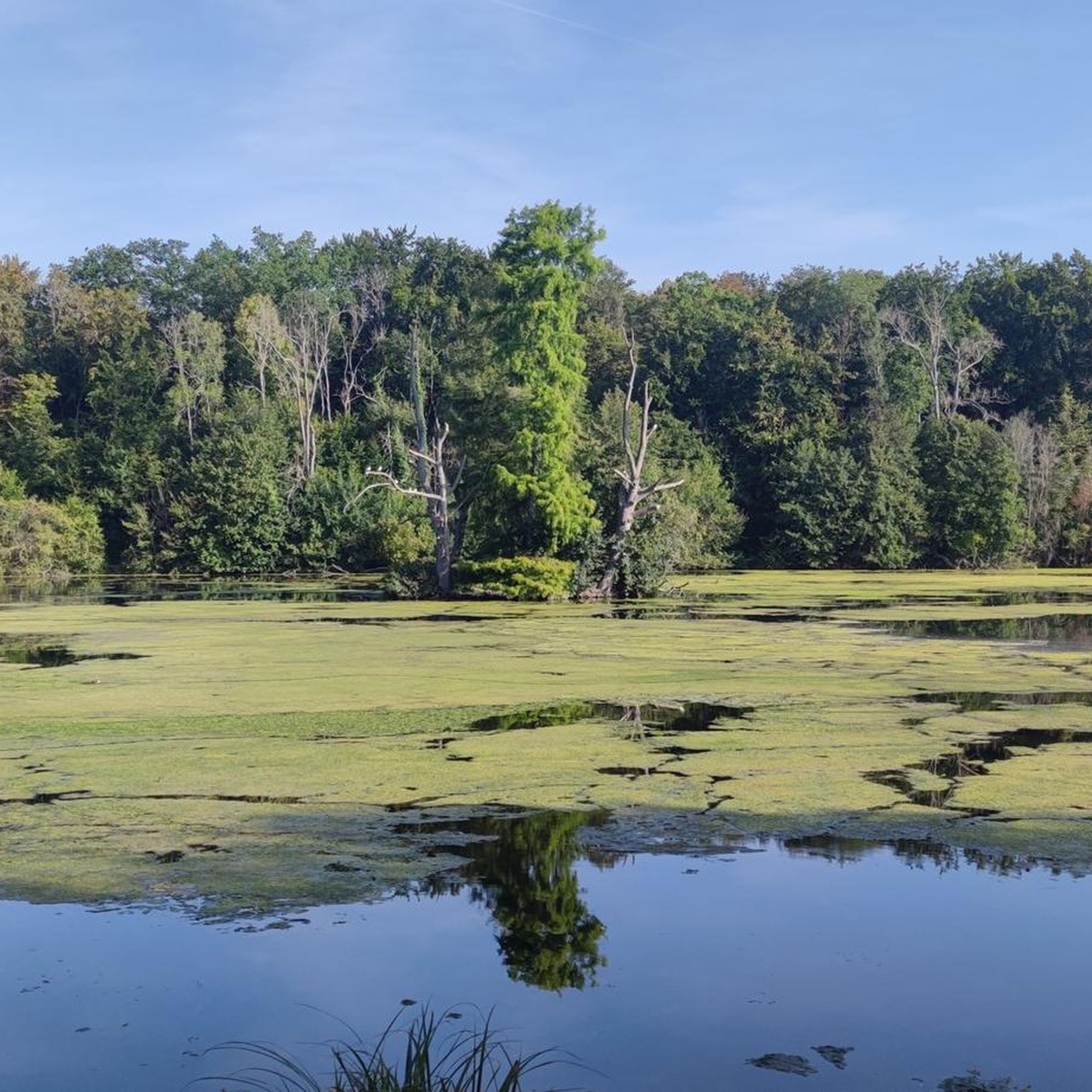
A lovely section of trail through the ponds. It's well-surfaced and very quiet.
2
0

Take good tires and provisions with you
1
0


The village of Pontpoint offers a peaceful stroll in the heart of the Oise department in northern France. As you pass through this charming village, you can enjoy panoramic views of the surrounding countryside, with its lush green fields, quiet country lanes and traditional French architecture. Be sure to stop by the village’s historic buildings, including the Church of Saint-Denis, and soak up the tranquil village atmosphere. The nearby banks of the Oise River also provide a beautiful setting for a short break along the way.
0
0
Frequently Asked Questions
What historical landmarks are there to visit in Le Fayel?
Le Fayel is rich in history. The most significant landmark is the Château du Fayel, a 17th-century brick and stone building with a park designed by Le Nôtre. It's registered as a historical monument and was even visited by King Louis XIV. You can learn more about its history on Wikipedia. The village also features a 17th-century dovecote within a renovated old farm, and archaeological excavations have revealed remains of a Roman villa, indicating its ancient origins.
Are there any notable religious buildings or abbeys near Le Fayel?
Yes, you can visit the Royal Abbey of Moncel, a major place of French heritage built in the 14th century by Philippe le Bel. It's a spacious and impressive site listed as a historical monument since 1920. Additionally, the Saint-Denis Church of Pontpoint is a historic church located in a charming village that offers panoramic views of the surrounding countryside.
What natural features or scenic spots can I find around Le Fayel?
The area offers several natural attractions. The Trans'Oise Greenway – Oise Ponds provides a lovely, quiet section of trail through ponds, perfect for cycling. You can also enjoy On the banks of the Oise, a pretty spot along the Oise River appreciated for its natural setting. Within Le Fayel itself, the preserved Village Pond (La Mare-abreuvoir) is home to ducks and moorhens, and the Bois de Gansoire is nationally recognized for its wild cherry trees.
Are there family-friendly activities or attractions in the area?
Yes, several attractions are suitable for families. The Trans'Oise Greenway – Oise Ponds is a well-surfaced and quiet cycle path, ideal for family bike rides. The Royal Abbey of Moncel is also listed as family-friendly, offering an educational historical experience. The Compiègne Town Hall, while a historical site, is also considered family-friendly due to its impressive architecture and the square housing a statue of Joan of Arc.
What outdoor activities, like hiking or cycling, are available near Le Fayel?
The region around Le Fayel is excellent for outdoor enthusiasts. For hiking, you can explore routes like the 'Verberie Ponds loop' or 'Mont Clergé loop'. Cyclists can enjoy the 'Pontpoint cycle path – Royal Abbey of Moncel loop' for road cycling or the 'Senlis, medieval city – On the banks of the Oise loop' for touring. You can find more details and routes on the Hiking around Le Fayel, Road Cycling Routes around Le Fayel, and Cycling around Le Fayel guide pages.
What do visitors particularly enjoy about the attractions around Le Fayel?
Visitors frequently praise the tranquility and natural beauty of the area. The Trans'Oise Greenway – Oise Ponds is loved for its quiet, well-surfaced path through the ponds. The banks of the Oise are appreciated for their magnificent natural setting. Historical sites like the Royal Abbey of Moncel impress with their dimensions and rich heritage.
Are there any unique architectural features to observe in Le Fayel?
Beyond the grand Château du Fayel, the village itself boasts significant architectural heritage. A large portion of Le Fayel's buildings predate the 20th century, showcasing characteristic rural architecture of the central Oise region. The village church and mairie, both built at the end of the 19th century, also contribute to the local architectural charm.
Can I find any viewpoints or places with panoramic views?
Yes, the village of Pontpoint, where the Saint-Denis Church of Pontpoint is located, offers panoramic views of the surrounding countryside, with its lush green fields and traditional French architecture. The Trans'Oise Greenway – Oise Ponds also offers scenic viewpoints along its path.
What is the significance of the Bois de Gansoire near Le Fayel?
The Bois de Gansoire is a notable natural area near Le Fayel, nationally recognized for its wild cherry trees. These trees are regularly harvested by Vilmorin nurseries, highlighting the wood's ecological and commercial importance.
Is the Compiègne Town Hall worth visiting, and what makes it special?
The Compiègne Town Hall is a significant historical site with stunning architecture. Built in the 16th century, it features a tall bell tower flanked by two turrets, adorned with Gothic elements. It's famous for its 'jaquemarts' – three wooden figures that strike the hours, each nicknamed after historical enemies. The square also features a statue of Joan of Arc, connecting it to the city's rich past.
Are there any easy walking trails suitable for beginners around Le Fayel?
Yes, there are several easy walking trails. For instance, the 'Boucquy Chapel loop from Jonquières' and 'Mont Clergé loop from Jonquières' are both rated as easy and offer pleasant walks. You can find more options and details on the Hiking around Le Fayel guide page.
Most popular routes around Le Fayel

Get inspired with the komoot mobile app


Explore more
Still not found the Highlight you’re looking for? See guides of the top attractions in other regions:
