Attractions and Places To See around Courcelles-Lès-Gisors - Top 20
Best attractions and places to see around Courcelles-Lès-Gisors. This commune in Hauts-de-France is historically significant, situated along the Epte River, which once marked the border between the Kingdom of France and the Duchy of Normandy. The area features medieval ruins, ancient monuments, and a natural landscape suitable for outdoor activities. It offers a blend of historical exploration and opportunities for walking trails.
Best attractions and places to see around Courcelles-Lès-Gisors
- The most popular attractions is Gisors Castle, a castle…
Last updated: October 18, 2026
Gisors Castle
Highlight • Castle
Translated by Google •
Tip by

Saint-Gervais–Saint-Protais Church
Highlight • Religious Site
Translated by Google •
Tip by

Sign up now to discover places like this
Get recommendations on the best single tracks, peaks, & plenty of other exciting outdoor places.
Castle of Château-sur-Epte
Highlight • Castle
Translated by Google •
Tip by

Dolmen des Trois-Pierres
Highlight • Historical Site
Translated by Google •
Tip by
Epte Valley
Highlight • Other
Translated by Google •
Tip by

Sign up for free to discover even more attractions around Courcelles-Lès-Gisors.
Already have an account?
Start today with a free account
Your next adventure awaits.

Tips from the Community


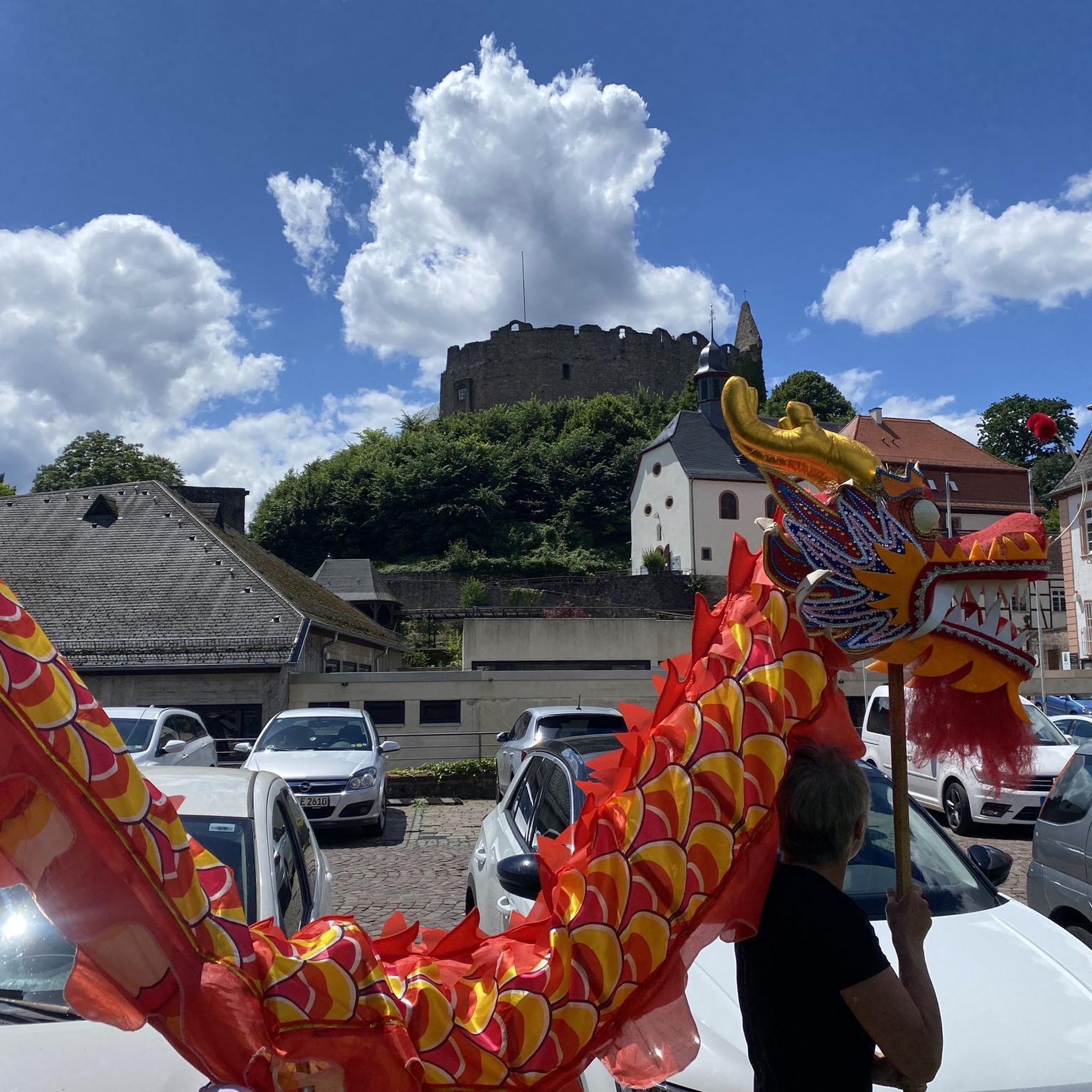
A military fortress with a defensive purpose, built in 1097, during the reign of William the Conqueror's second son, Gisors Castle marks a major page in the medieval history of Normandy. This fortification was intended to protect the Norman possessions of the King of England against the ambitions of the King of France. A true border place and eastern lock of Normandy, it was part of a vast campaign of fortifications in the Epte Valley, the natural boundary between the two kingdoms.
0
0
We know of Saints Gervais and Protais that they were Christian martyrs in the 2nd century in Milan. At the time, the Roman Empire forced all its subjects to worship the emperor, which was unacceptable to Christians. If they refused, they were crucified or sent to the arena to be devoured by lions between gladiatorial fights. Thus, Saint Ambrose, bishop of Milan, found them, in 386, buried side by side. This great bishop affirmed that they had been martyrs by fidelity to their baptism. He even added "They are of a prodigious size, such as one was in ancient times." Their cult reached Gaul where a large number of churches were dedicated to them.
1
0

The parish church of Saint-Gervais Saint-Protais was consecrated in 1119 by Pope Calixtus 11. This Romanesque church saw its nave ravaged by fire in 1123. It was rebuilt in 1160. Thanks to funding from Queen Blanche of Castile, the people of Gisors built a Gothic choir, consecrated in 1249. It was built according to the Chartres model, common at the time in Ile-de-France, with a three-level elevation: large arcades, triforium and high windows pierced with oculi. Thanks to funding from charitable brotherhoods and trade corporations, the church underwent multiple transformations from the end of the 15th century with the addition of radiating chapels and an ambulatory at choir level. Entrusted to the Grappins, a family of architects from Vexin, the work continued in the 15th century with the reconstruction of the nave and the chapels of the side aisles in flamboyant Gothic style, then of the façade decorated with Renaissance motifs.
0
0

Châteauneuf-sur-Epte is an ancient castle on motte which was founded in 1097 by the Duke of Normandy and whose remains stand in the French commune of Château-sur-Epte in the Eure department, in the Normandy region. It was one of the ducal castles controlling Epte, the border with the Kingdom of France. Under Henry II of England, the castle was considerably fortified.
0
0

The Trois Pierres dolmen is an ancient megalithic monument dating from the late Neolithic period (3400-2000 BC). It served as a collective burial ground for the inhabitants of the Seine-Oise-Marne culture. It consists of a short vestibule and a narrow room, separated by a vertical slab pierced by a circular hole, called the "soul hole," through which the bodies passed. The dolmen is surrounded by a peaceful and bucolic landscape, where you can also admire the menhir of the Bois de la Garenne, another prehistoric stone, located about 200 meters away.
2
0

Old fortified castle, built between the end of the 11th and the 12th century, today in ruins.
0
0
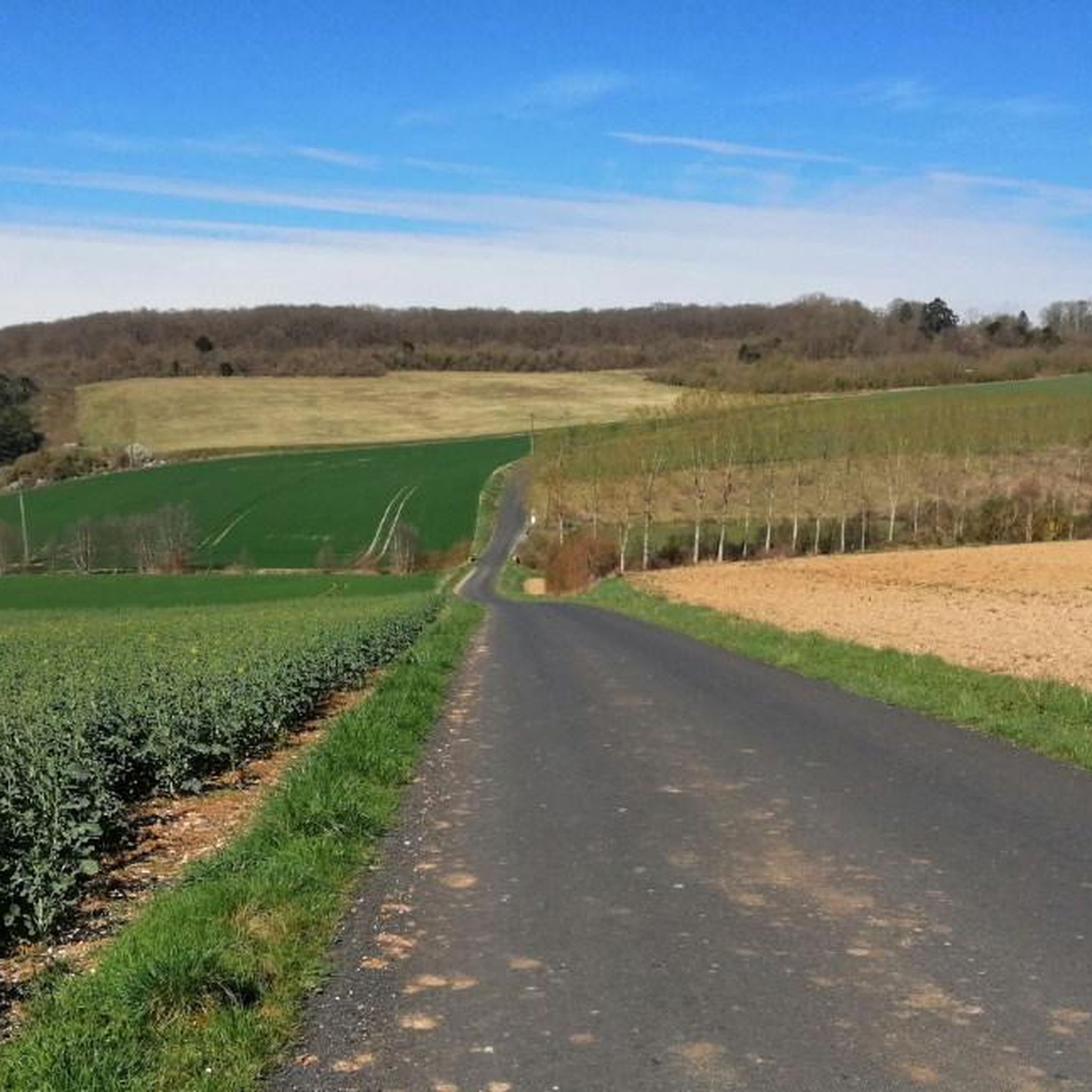
Current natural border between Île-de-France and Normandy, Epte is also a historical border. Indeed, in the Middle Ages, it was the boundary between the Kingdom of France and the Duchy of Normandy. This is why it had a large number of fortifications. Here, precisely in Saint-Clair-sur-Epte, the treaty was signed in 911 between Charles III the Simple and Rollo, Viking leader, aimed at establishing the Normans in Neustria in order to protect the kingdom of Charles III from their incursions by sea This treaty gave birth to the Duchy of Normandy.
0
0
Frequently Asked Questions
What historical sites can I explore around Courcelles-lès-Gisors?
The region is rich in history. You can visit the impressive Gisors Castle, a significant medieval fortress that played a key role for the Dukes of Normandy. Also, explore the ruins of the Castle of Château-sur-Epte, another 11th-century medieval ruin built to defend Norman territories. Don't miss the ancient Dolmen des Trois-Pierres, a megalithic monument from the late Neolithic period.
Are there any religious buildings or churches worth visiting?
Yes, the Saint-Gervais–Saint-Protais Church in Gisors is a notable religious building featuring a mix of Gothic, Romanesque, and Renaissance styles, with historical artifacts inside. Within Courcelles-lès-Gisors itself, the historic Église Saint-Gervais–Saint-Protais dates back to the 12th century and houses a charming 14th-century statue of the Virgin and Child.
What natural features can I discover in the area?
The commune is traversed by the Epte Valley, a river that historically formed a crucial border. This area offers a serene, bucolic landscape, especially around the Dolmen des Trois-Pierres and the nearby Menhir du Bois de la Garenne.
What outdoor activities are available around Courcelles-lès-Gisors?
The surrounding countryside provides ample opportunities for outdoor activities. You can find various hiking trails, including one that follows the former Gisors-Boisgeloup to Pacy-sur-Eure railway line, running alongside the Epte River. For more specific routes, you can explore hiking trails around Courcelles-lès-Gisors.
Are there family-friendly attractions or activities for kids?
Many historical sites like Gisors Castle and the Saint-Gervais–Saint-Protais Church are considered family-friendly. Exploring the ruins of the Château de Courcelles-lès-Gisors or the ancient Dolmen des Trois-Pierres can also be an engaging experience for children interested in history and nature.
Can I go cycling in the Courcelles-lès-Gisors area?
Yes, there are several road cycling routes available. You can find options ranging from easy to difficult, such as the 'Gisors Castle loop from Noyers' or the 'Great Loop of Gisors'. Discover more routes on the Road Cycling Routes around Courcelles-Lès-Gisors guide page.
Are there running trails nearby?
Absolutely. The area offers various running trails, including loops through the Epte Valley from different starting points like Gisors or Dangu. You can find detailed information and routes on the Running Trails around Courcelles-Lès-Gisors guide.
What is the significance of the Epte River in this region?
The Epte River is historically significant as it formed a crucial border between the Kingdom of France and the Duchy of Normandy in medieval times. This geographical feature led to the construction of numerous fortifications along its banks, making Courcelles-lès-Gisors a strategic location throughout history.
Are there any unique cultural insights or traditional sites to see?
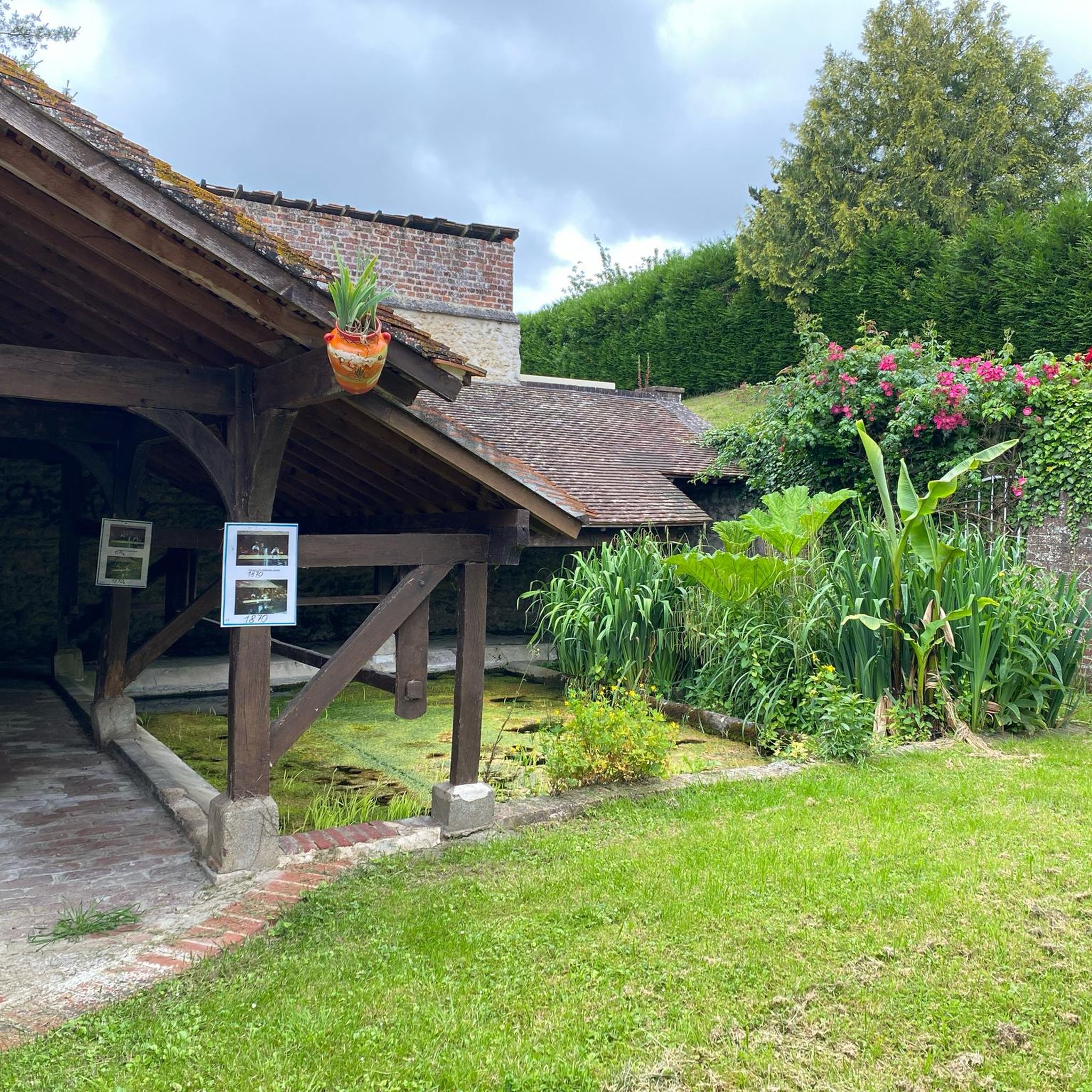
Beyond the grand castles and churches, you can find a picturesque Lavoir (wash house) in the heart of Courcelles-lès-Gisors. This offers a glimpse into traditional rural life and the historical practices of the region.
What are some other interesting towns or sites within a short drive?
Several significant sites are a short distance away. You could visit Gisors Castle, the historic town of Soissons (about 20 minutes away) with its Cathedral Saint-Gervais-et-Saint-Protais, or the fortified city of Laon (about 40 minutes away) known for its medieval architecture and Notre-Dame Cathedral.
What do visitors enjoy most about the attractions around Courcelles-lès-Gisors?
Visitors particularly appreciate the rich historical significance of the area, especially the medieval castles like Gisors Castle and the Castle of Château-sur-Epte. The blend of historical exploration with the natural beauty of the Epte Valley and ancient monuments like the Dolmen des Trois-Pierres is highly valued by the komoot community.
Is there a specific hiking trail that includes historical landmarks in Courcelles-lès-Gisors?
Yes, you can find a 'Gisors Washhouses – Gisors Castle loop from Courcelles-lès-Gisors' which is a moderate 16.5 km hike. This route allows you to combine the natural scenery with historical points of interest. More details are available on the Hiking around Courcelles-Lès-Gisors guide page.
Most popular routes around Courcelles-Lès-Gisors
Most popular attractions around Courcelles-Lès-Gisors

Get inspired with the komoot mobile app


Explore more
Still not found the Highlight you’re looking for? See guides of the top attractions in other regions:
