Attractions and Places To See around Acquigny - Top 20
Best attractions and places to see around Acquigny include historical landmarks, natural features, and cultural sites. This village, situated at the confluence of the Eure and Iton rivers in Normandy, France, offers a blend of historical architecture and diverse natural landscapes. The area is characterized by its significant châteaux, expansive parks, and riverine environment, providing various points of interest for visitors.
Best attractions and places to see around Acquigny
- The most popular attractions is Acquigny Castle, a castle ideally…
Last updated: October 18, 2026
Houetteville Castle
Highlight • Castle
On the circuit "Château Gaillard - Château de Gaillon Circuit from Gaillon - Aubevoye" I do not recommend the Caer/St Vigor part because the traffic there is dangerous for cyclists. Preferably use the small parallel roads.
Good road.
Rein.
Translated by Google •
Tip by

Acquigny Castle
Highlight • Castle
Translated by Google •
Tip by

Sign up now to discover places like this
Get recommendations on the best single tracks, peaks, & plenty of other exciting outdoor places.
Saint-Mauxe Enclosure
Highlight • Other
Translated by Google •
Tip by

Forêt de Bord-Louviers
Highlight • Forest
Translated by Google •
Tip by

Moulin de Muids
Highlight • Monument
Translated by Google •
Tip by
Sign up for free to discover even more attractions around Acquigny.
Already have an account?
Start today with a free account
Your next adventure awaits.
Tips from the Community

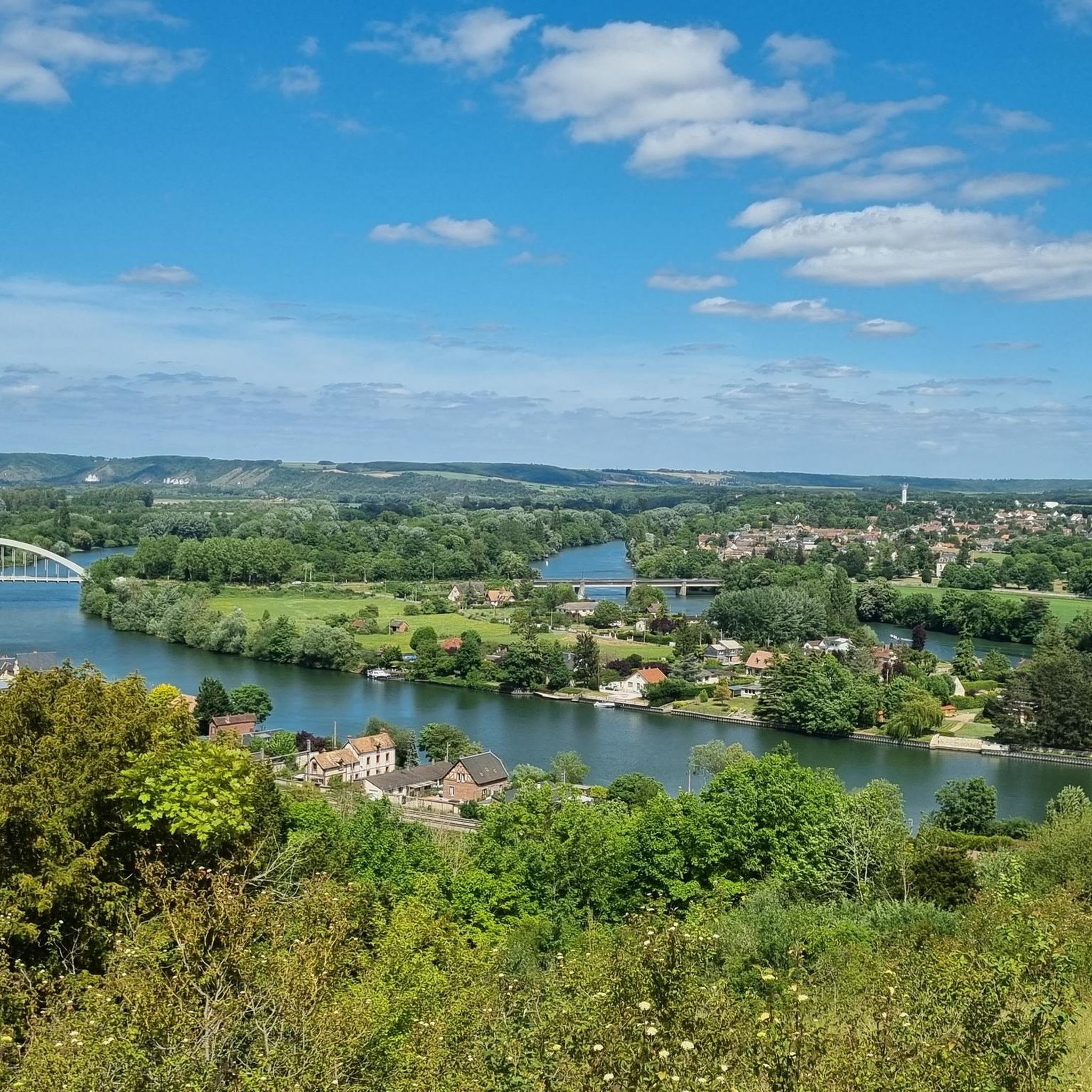
Magnificent view of the Château d'Acquigny (whose garden can be visited) and the Eure valley
0
0

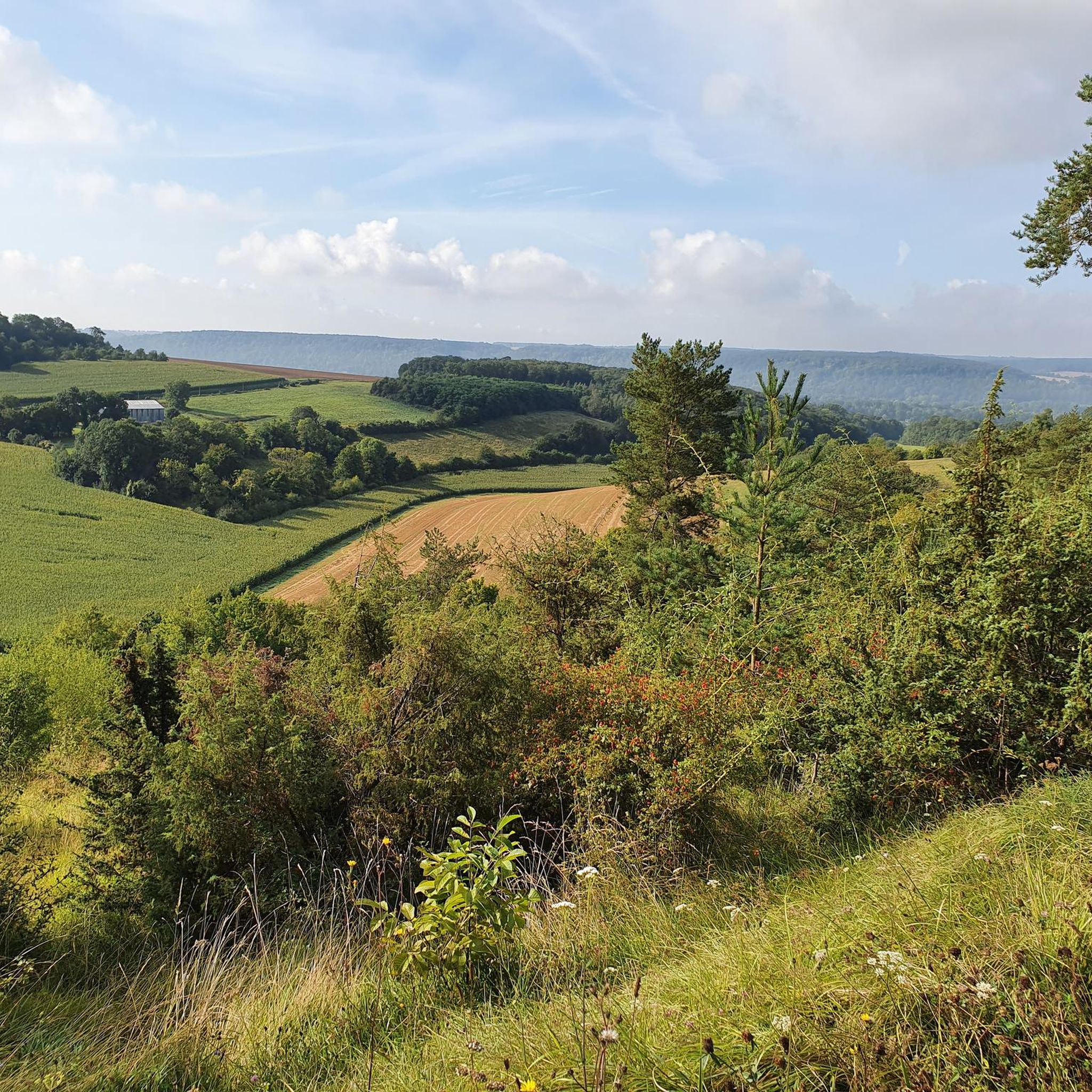
The Bord-Louviers forest is a majestic forest located at the confluence of the Eure and the Seine. This forest, former property of the Dukes of Normandy and the Kings of France, covers an area of 4,568 hectares and offers a variety of landscapes and ecosystems. You can discover the pine forest on the northern terraces overlooking the Seine, the beech forest in the central plain, or even the oaks on the southern plateaus. You will also be able to admire the seven remarkable trees listed, such as the Tabouel beech, a 39 meter high beech, or the Pancarte oak, an oak which has swallowed a sign on its trunk. The forest is also home to a rich fauna: deer, wild boars, foxes and squirrels.
2
0

Located on the border of the communes of Heudreville-sur-Eure and Acquigny, “Le Clos Saint-Mauxe”, a small clearing, is a symbolic place of the Christian faith. In the first centuries of our era, Saint-Mauxe, bishop of Italy, persecuted for his faith in God, took refuge in Gaul, accompanied by his brother Vénérand, deacon, and two priests Marc and Etherius. Pursued by the proconsul Sabinus from whom they had escaped in Italy, they were joined by their enemies in this clearing. Sabinus had the heads of Saint Mauxus and Saint Vénérand cut off... as well as eight of his own soldiers who had just been converted by the words and miracles of the holy bishop. This site became a place of fervor and devotion where processions were regularly organized, particularly during difficult times, for example during the plague of 1517 or the droughts of 1556 and 1785. According to historical records, miracles were even cited and an altar with a stone column was erected
1
0
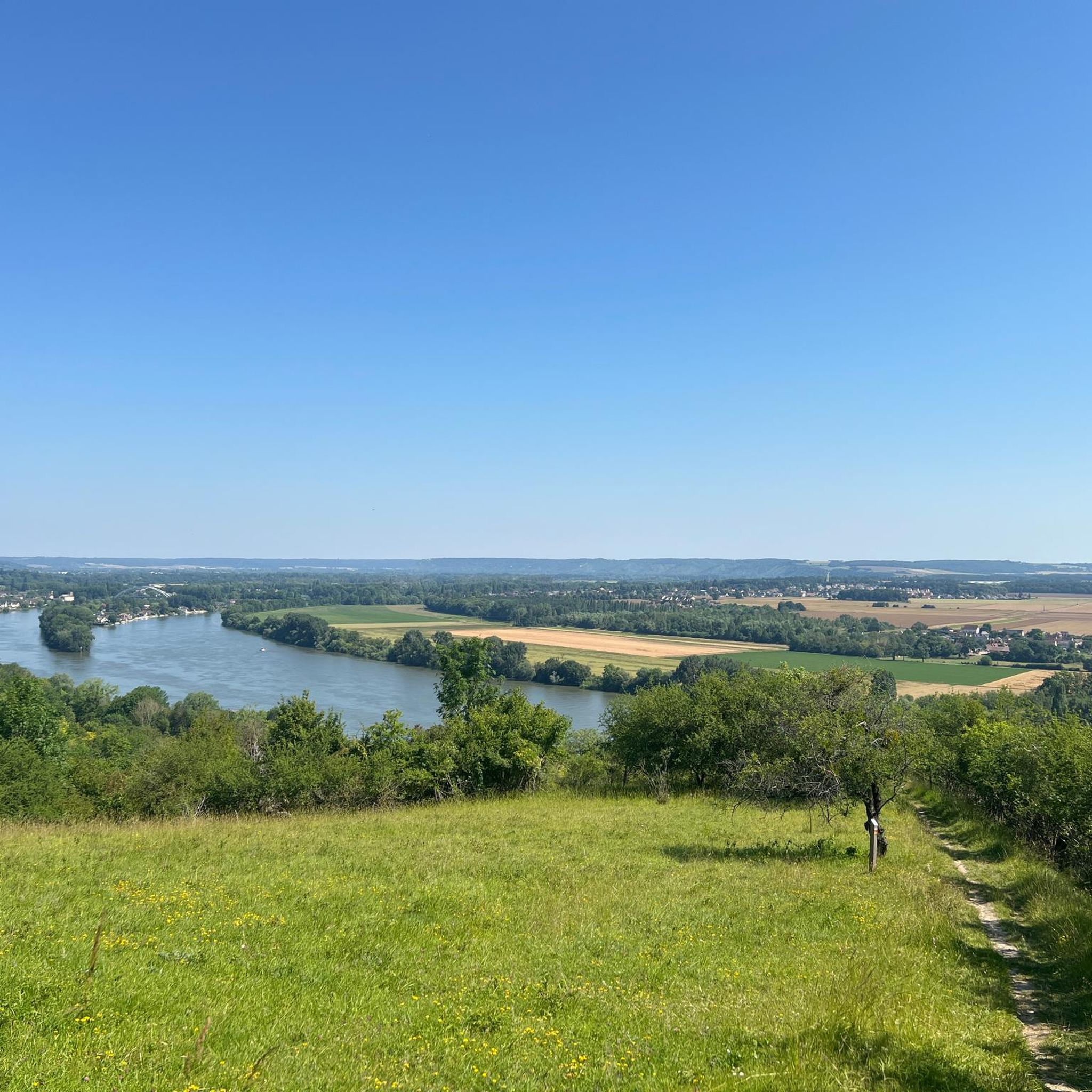
It is one of the most charming and historic attractions in the Eure department. Here you will find a wooden watermill that spans an arm of the Seine. The mill dates from the 12th century and has a unique mechanism that allows the wheel to lower or raise depending on the water level. It is one of the last examples of this type of mill in Europe. The Moulin de Muids is an ideal place to get some fresh air and discover the local heritage. Don't forget to bring your camera to capture great photos of the mill and the river!
4
0

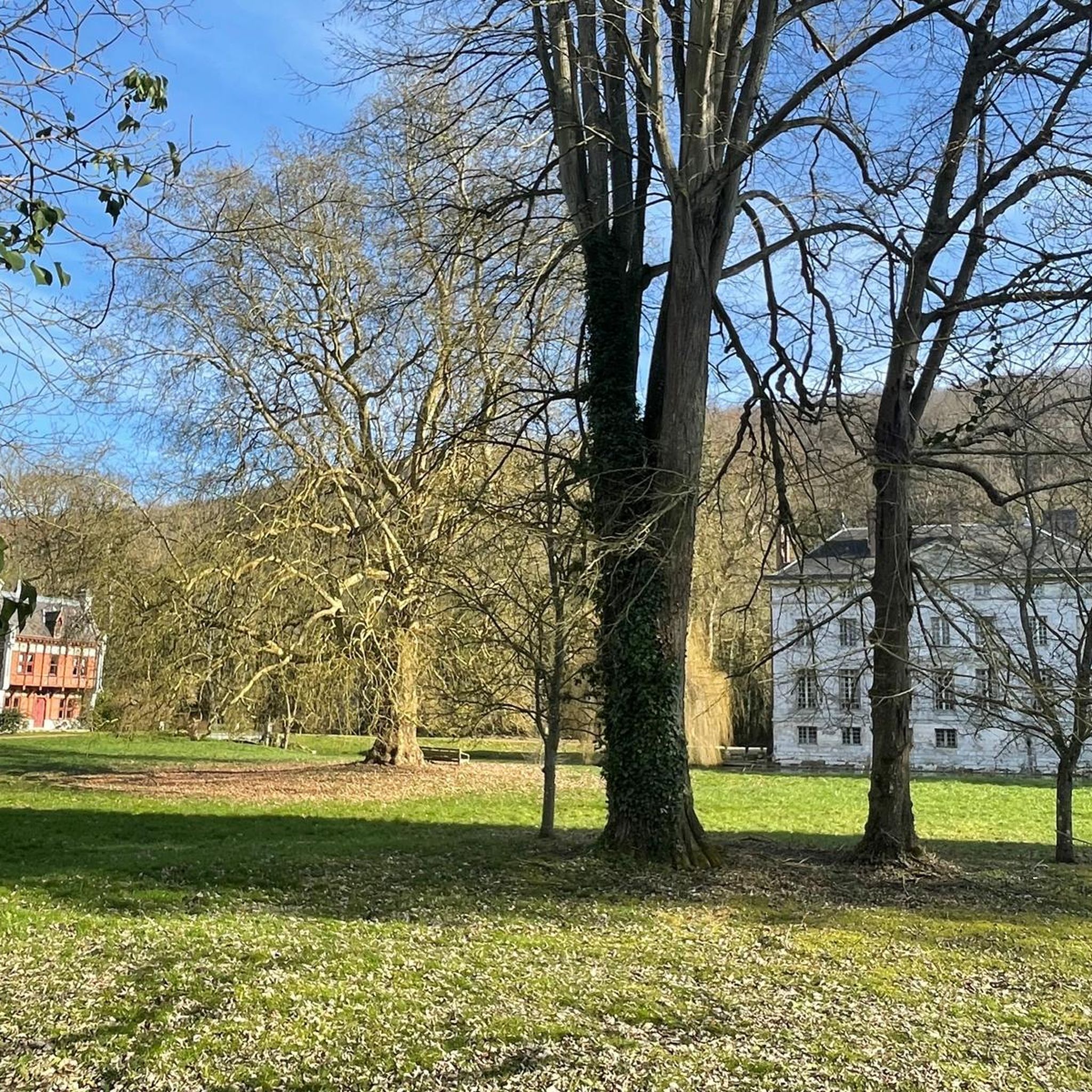
This castle is ideally placed at the confluence of the Eure and the Iton rivers. This stream was diverted from its bed to feed the moats of this beautiful building. It can be admired from the park gate.
1
0

The Château de Houetteville, a private castle visible from the road, is an old Renaissance castle transformed into a neo-medieval castle by Henri Jacquelin around the 1930s. “Jacquelin again transformed a simple neo-classical house in Houetteville into a medieval castle, with astonishing fantasy. In an economically paralyzed country, Houetteville was perhaps the last neo-Gothic castle in France. Extravagant edifice, which prefers to ignore its time to artificially continue a way of life long gone.”
0
0
The Château d'Acquigny was built at the request of Anne de Laval (cousin of the King of France Henri II and Dame-in-waiting to Queen Catherine de Medici), from 1557 with the criterion of inspiring the love that wore to her late husband, Louis de Silly. An original residence was then built: a plan combining the four initials of the couple (ALLS), for a facade of honor with decorative elements of great refinement, releasing all the love that the countess had for her husband. We then understand better why the park surrounding this elegant castle is also nicknamed “a love of garden”.
0
0
Frequently Asked Questions
What historical landmarks can I visit in Acquigny?
Acquigny is rich in history. You can admire the Renaissance-style Acquigny Castle, built in the mid-16th century, which is known for its unique design symbolizing the love of Anne de Laval and Louis de Silly. While the interior is generally not open, its exterior and the surrounding park are impressive. Another notable site is the Houetteville Castle, a 14th-century Renaissance castle transformed into a neo-medieval style in the 1930s, visible from the road. Don't miss the 16th-century Sainte-Cécile Church, a national heritage site with neoclassical architecture.
Are there any natural attractions or parks to explore in Acquigny?
Yes, Acquigny offers beautiful natural spaces. The Château d'Acquigny Park and Gardens, a 40-acre romantic park, is listed as a 'Remarkable Garden'. It features diverse trees, a walled kitchen garden, a 400-meter mirror of water, and an 18th-century orangery. The village is also situated at the picturesque confluence of the Eure and Iton rivers, with water elements like waterfalls and canals throughout the park. The majestic Forêt de Bord-Louviers, located at the confluence of the Eure and Seine, offers diverse landscapes, remarkable trees like the Tabouel beech and Pancarte oak, and rich wildlife.
What cycling opportunities are available around Acquigny?
Cyclists will enjoy the area. The Greenway from Évreux to Le Neubourg is a long, well-paved path that is far from road traffic, providing a calm and safe experience for cyclists. For more options, you can explore various cycling routes around Acquigny, including easy and moderate road cycling tours like the 'Bucolic Eure – Saint Peter's Church loop from Amfreville-sur-Iton' or 'Acquigny Castle – Houetteville Castle loop from Pinterville'. Find more details on Cycling around Acquigny.
Are there family-friendly activities in Acquigny?
Absolutely. The Forêt de Bord-Louviers is a family-friendly destination, perfect for exploring nature and spotting wildlife. The Greenway from Évreux to Le Neubourg is also suitable for families looking for a safe and enjoyable cycling experience. Additionally, the region offers a 2 km fun trail with thirteen owl figures designed to help children learn about local natural resources, including an insect garden.
What is the significance of the Saint-Mauxe Enclosure?
The Saint-Mauxe Enclosure, located on the border of Heudreville-sur-Eure and Acquigny, is a symbolic place of Christian faith. It commemorates Saint Mauxus, an Italian bishop, and his companions who were martyred there in the early centuries AD. Historically, it was a site of devotion and fervor, where processions were organized during difficult times, and miracles were even cited.
What kind of outdoor activities can I do near Acquigny besides cycling?
Beyond cycling, the area around Acquigny offers opportunities for gravel biking. You can find routes like the 'Adventure Park Among the Trees – Two Lovers' Lake loop from Heudebouville' or the 'Lake Acquigny – Acquigny railway bridge loop from Acquigny'. These routes provide a chance to explore the natural beauty of the region. For more information on these and other routes, check the Gravel biking around Acquigny guide.
What is the best time of year to visit Acquigny?
Acquigny's natural beauty, especially its parks and river confluence, is particularly appealing during the warmer months, from spring through early autumn. This allows for comfortable exploration of the Château d'Acquigny Park and Gardens and outdoor activities like cycling on the Greenway from Évreux to Le Neubourg. The diverse foliage of the Forêt de Bord-Louviers would also be vibrant during these seasons.
Are there any Roman historical sites in Acquigny?
Acquigny has a rich Gallo-Roman history. It was an important passage point between the Neubourg and Madrie Plateaus. Evidence of a Roman stone-paved ford across the Eure River still exists, and numerous Roman coins have been discovered in the area, indicating its historical significance during that period.
What makes the Château d'Acquigny Park and Gardens special?
The Château d'Acquigny Park and Gardens are a 'Remarkable Garden' due to their late 18th-century romantic design and diverse collection of trees, including London Plane trees over 47 meters tall and exotic species. The park's defining feature is water, with a 400-meter mirror of water, waterfalls, rivers, and canals, creating a serene atmosphere. It also includes a restored 18th-century red brick orangery and a walled kitchen garden.
What are some notable towns or attractions near Acquigny for a day trip?
Several interesting locations are within a reasonable distance for a day trip. Évreux, 17 km away, is known for its cathedral. The evocative 12th-century ruins of Château Gaillard, built by Richard the Lionheart, are about 18 km away and offer beautiful views of the Seine. Giverny, home to Claude Monet's house and gardens, is approximately 28 km away, and Rouen, with its stunning cathedral and old town, is about 31 km distant. Le Bec-Hellouin, recognized as one of France's 'Most Beautiful Villages,' is also nearby.
Can I see the Acquigny Castle up close?
While the interior of Acquigny Castle is generally not open to the public, you can admire its impressive Renaissance architecture and exterior from the park gate. The castle's design, inspired by the intertwined initials of Anne de Laval and Louis de Silly, and its setting at the confluence of the Eure and Iton rivers, make for a picturesque view.
What kind of wildlife can be found in the Forêt de Bord-Louviers?
The Forêt de Bord-Louviers is home to a rich variety of fauna. Visitors might spot deer, wild boars, foxes, and squirrels within its diverse landscapes, which include pine forests, beech forests, and oak plateaus.
Most popular routes around Acquigny
Most popular attractions around Acquigny

Get inspired with the komoot mobile app


Explore more
Still not found the Highlight you’re looking for? See guides of the top attractions in other regions:
