Attractions and Places To See around Saint-Pancré - Top 20
Best attractions and places to see around Saint-Pancré include historical remnants and religious heritage sites. This commune, nestled in the Meurthe-et-Moselle department of France, presents a traditional rural landscape. Its varying topography, with altitudes ranging from 230m to 400m, contributes to the natural features Saint-Pancré France offers. The area is characterized by an agricultural landscape dotted with religious buildings and wayside crosses, reflecting a deep cultural history.
Best attractions and places to see around Saint-Pancré
- The most popular attractions is…
Last updated: July 6, 2026
Éperons Barrés Viewpoint
Highlight • Viewpoint
Translated by Google •
Tip by

Cons-la-Grandville Castle
Highlight • Castle
Translated by Google •
Tip by
Sign up now to discover places like this
Get recommendations on the best single tracks, peaks, & plenty of other exciting outdoor places.
Sign up for free
Naisse Mill
Highlight • Historical Site
Translated by Google •
Tip by

Notre-Dame du Bonlieu Chapel
Highlight • Religious Site
Translated by Google •
Tip by
14th Regiment Hussars Bridge
Highlight • Bridge
Translated by Google •
Tip by

Sign up for free to discover even more attractions around Saint-Pancré.
Sign up for free
Already have an account?
Start today with a free account
Your next adventure awaits.
Login or Signup

Tips from the Community

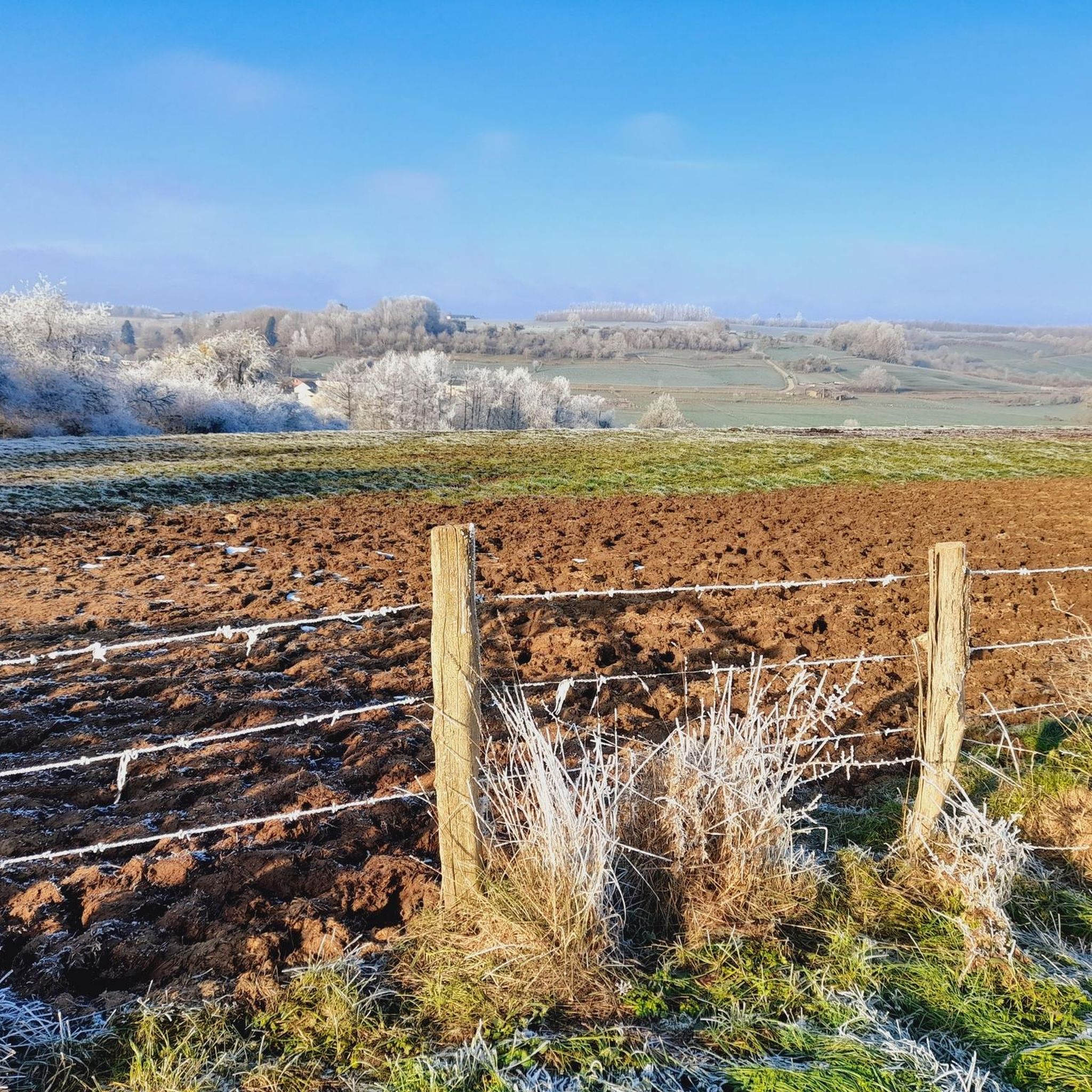
The trail from this viewpoint is a real balancing challenge towards the end, very rocky with large gravel. It seems to me that a few years ago the trail was not so perilous. It is part of the official permanent route "La Croix Renson en Gaume" which advises to do it clockwise, so this uphill trail is impossible! Except for a trialist with Hulk legs and a motorcycle traction. 🙄
0
0

In 1577, Henri le Clercq built a powder mill on the banks of the Ton in the lower town of Virton, which became a sawmill a hundred years later. In 1797, the buildings were redeveloped by the new owners, a fact clearly reflected in the first land registry of the town of Virton, dated 1850. In 1875, the sawmill was converted into a bark mill and tannery. In 1928, these buildings were purchased by Jean Naisse. He modernized the equipment to operate a sawmill that remained in operation until 1970. The small building to the east has preserved its mill and waterwheel from the early 19th century. The large western building houses the old tannery. It is recognizable by the nine rectangular openings that were necessary for drying the hides. In 1930, a traditional living area of the same size was added to form the current building. All buildings and the surrounding area have been listed as historic monuments since November 9, 1990. (Information board on site)
12
0

🏰 **Château de Cons-la-Grandville – A Journey Through the Centuries** The imposing castle of **Cons-la-Grandville**, near the border with Luxembourg, combines Romanesque origins with Renaissance and Baroque architecture. Built on the foundations of a Gallo-Roman villa, it was expanded and remodeled several times from the 11th century onwards. Particularly worth seeing: the Romanesque cloister, the elegant façade, and the magnificent courtyard. 🕰️ The château was the residence of the noble de Cons family, later also a monastery, and has been lovingly restored. Today it is a listed monument and open to visitors. **Tip:** Be sure to visit the cloister – one of the oldest preserved of its kind in Lorraine. Ideal as a stopover on the way between France and Luxembourg.
0
0

It depends which way... 😀😇
0
0

It stings a little 😂
1
0
Very beautiful course & very pleasant paths for running!
0
0

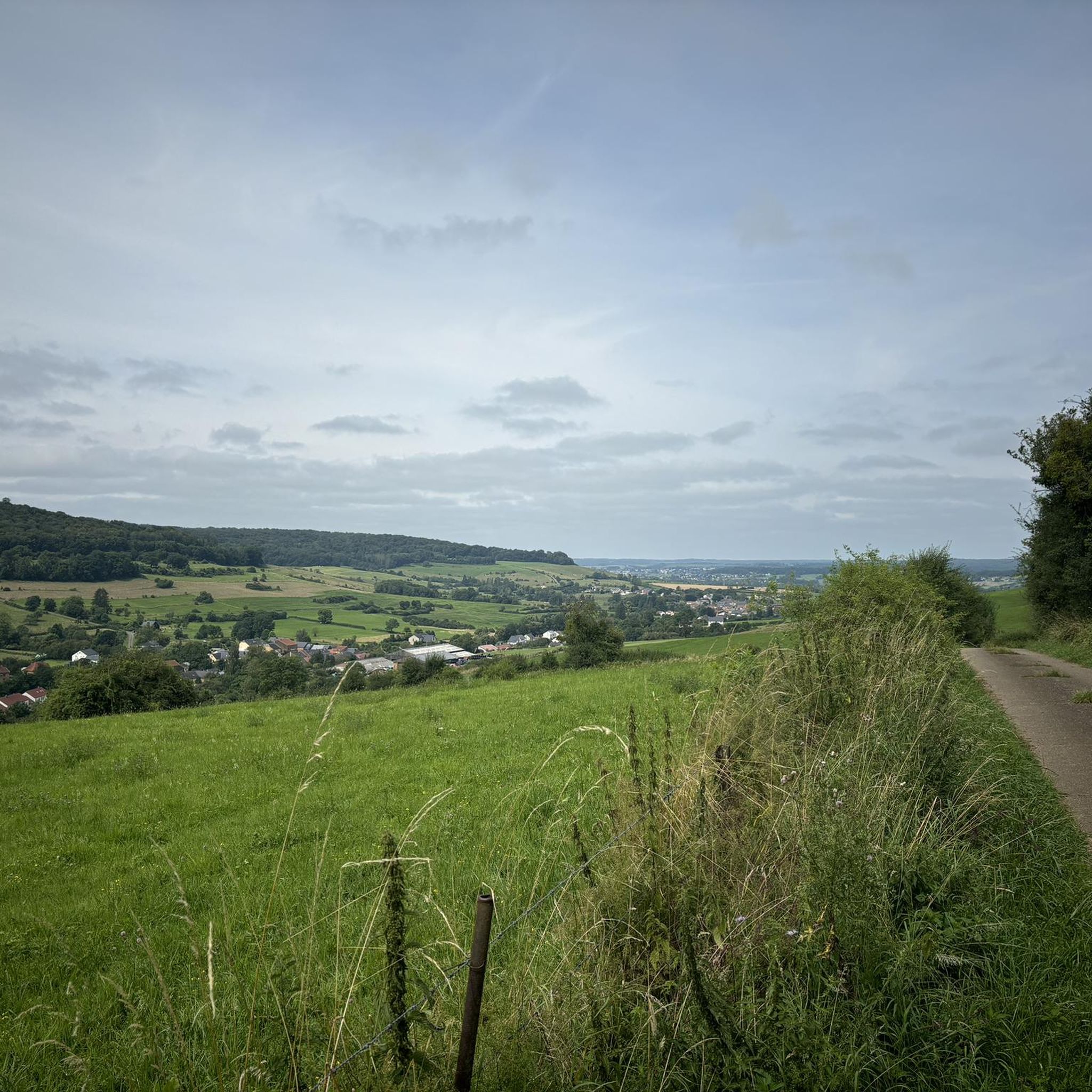
Nice view and Luxembourg bench ;)
0
0

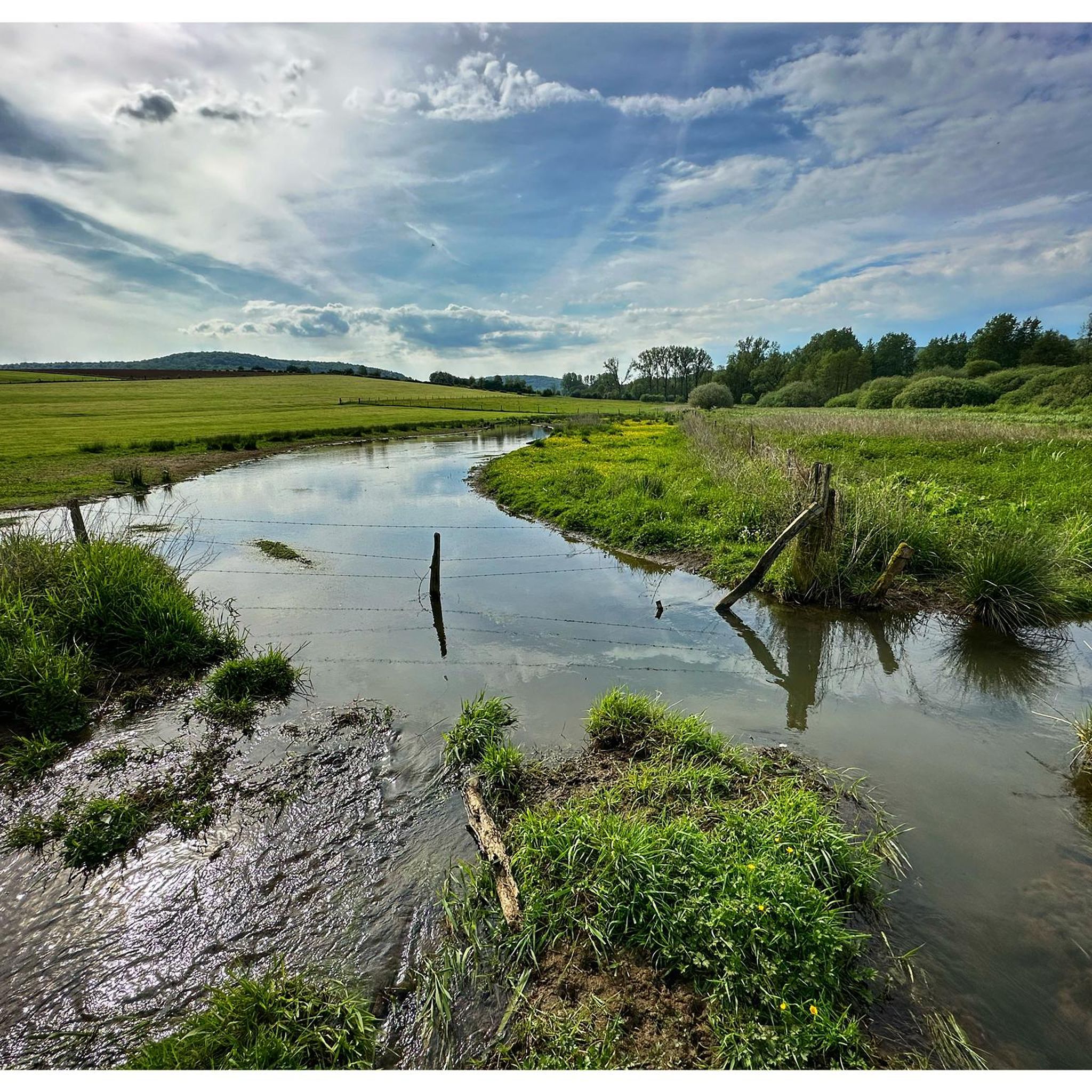
Well-known place not far from the Rabais ponds.
0
0
Frequently Asked Questions
What historical sites can I explore around Saint-Pancré?
Saint-Pancré and its surroundings are rich in history. You can visit Cons-la-Grandville Castle, an 11th-century fortress showcasing Romanesque, Renaissance, and classical architectural styles. Another significant historical site is the Naisse Mill, an old water mill with a history dating back to 1577, which served various purposes from a powder mill to a tannery. Additionally, the 14th Regiment Hussars Bridge holds a poignant history from 1914.
Are there any notable religious buildings in the Saint-Pancré area?
Yes, the area features several religious sites. The Notre-Dame du Bonlieu Chapel, located in the heart of the Bonlieu forest, is a Catholic chapel from 1943 and a local pilgrimage site. The commune of Saint-Pancré itself is home to the historic Church of Saint Pancras, reflecting the region's spiritual heritage.
Where can I find scenic viewpoints near Saint-Pancré?
For panoramic views, head to the Éperons Barrés Viewpoint. This belvedere offers an exceptional panorama of the Neuve Forge valley, where you can observe two Iron Age fortifications, the Châtelet and the Dent de Chien, which are examples of barred spurs.
What kind of natural features characterize the Saint-Pancré region?
The Saint-Pancré region is defined by its traditional rural landscape, with altitudes ranging from 230m to 400m, indicating varying topography. The area is agricultural, dotted with religious buildings and wayside crosses, and includes forested areas like the Bonlieu forest where the Notre-Dame du Bonlieu Chapel is situated.
Are there family-friendly attractions around Saint-Pancré?
Several attractions are suitable for families. The Éperons Barrés Viewpoint offers an interesting historical and scenic outing. Cons-la-Grandville Castle provides a journey through centuries of architecture, and the Naisse Mill offers a glimpse into local industrial history, all marked as family-friendly.
What outdoor activities, like hiking, are available near Saint-Pancré?
You can find numerous hiking opportunities around Saint-Pancré. Explore trails like the 'Ruette Church – View of Grandcourt loop' or the 'Hiking loop from Tellancourt'. For more options, including easy and moderate routes, check out the Hiking around Saint-Pancré guide.
Can I go running or cycling near the attractions in Saint-Pancré?
Yes, the area offers various routes for running and gravel biking. For running, consider trails like the 'RAVeL Ruette–Chenois Path loop' or the 'Cussignère marsh loop'. Gravel biking enthusiasts can explore routes such as the 'Bridge Over the Messancy – Scenic Concrete Cycle Path loop'. Detailed routes and guides are available in the Running Trails around Saint-Pancré and Gravel biking around Saint-Pancré guides.
What do visitors particularly enjoy about the attractions around Saint-Pancré?
Visitors appreciate the blend of history and natural beauty. For instance, the Cons-la-Grandville Castle is praised for its preserved Romanesque cloister and elegant architecture. The Éperons Barrés Viewpoint is loved for its exceptional panoramas and the historical insight into Iron Age fortifications. The tranquility and historical significance of sites like the Notre-Dame du Bonlieu Chapel are also highly valued.
Are there any remnants of ancient fortifications in the area?
Beyond the Iron Age fortifications visible from the Éperons Barrés Viewpoint, Saint-Pancré itself has historical remnants. A 16th-century circular tower is all that remains of a former castle, largely destroyed during the French Revolution, offering a tangible link to the commune's past.
What are some notable towns or sites to visit near Saint-Pancré?
While Saint-Pancré offers its own charm, the broader region has more to explore. Approximately 8 km away, Longwy is renowned for its significant Vauban fortifications. Further afield, about 43 km distant, Rodemack is designated as a 'Most Beautiful Village' and features a well-preserved medieval center and fortified village.
What is the best way to experience the historical and natural aspects of Saint-Pancré?
To fully experience the area, consider combining visits to historical sites with outdoor activities. You could explore the Cons-la-Grandville Castle and then take a moderate hike on a nearby trail, or visit the Notre-Dame du Bonlieu Chapel within the forest and enjoy a peaceful walk. The varying topography makes it ideal for exploring on foot or by bike.
Most popular routes around Saint-Pancré
Most popular attractions around Saint-Pancré

Get inspired with the komoot mobile app


Explore more
Still not found the Highlight you’re looking for? See guides of the top attractions in other regions:
