Top 5 Castles around Porte-Joie
Castles around Porte-Joie are situated in a historically significant area along the Seine River. This region features a landscape shaped by the river and surrounding fields, offering a blend of historical sites and natural scenery. Visitors can explore sites ranging from medieval ruins to 17th-century manors. The area showcases a variety of historical periods and architectural styles.
Best castles around Porte-Joie
- The most popular castles is Acquigny Castle, a castle ideally placed at the confluence of the Eure and…
Last updated: August 25, 2026
Acquigny Castle
Highlight • Castle
Translated by Google •
Tip by

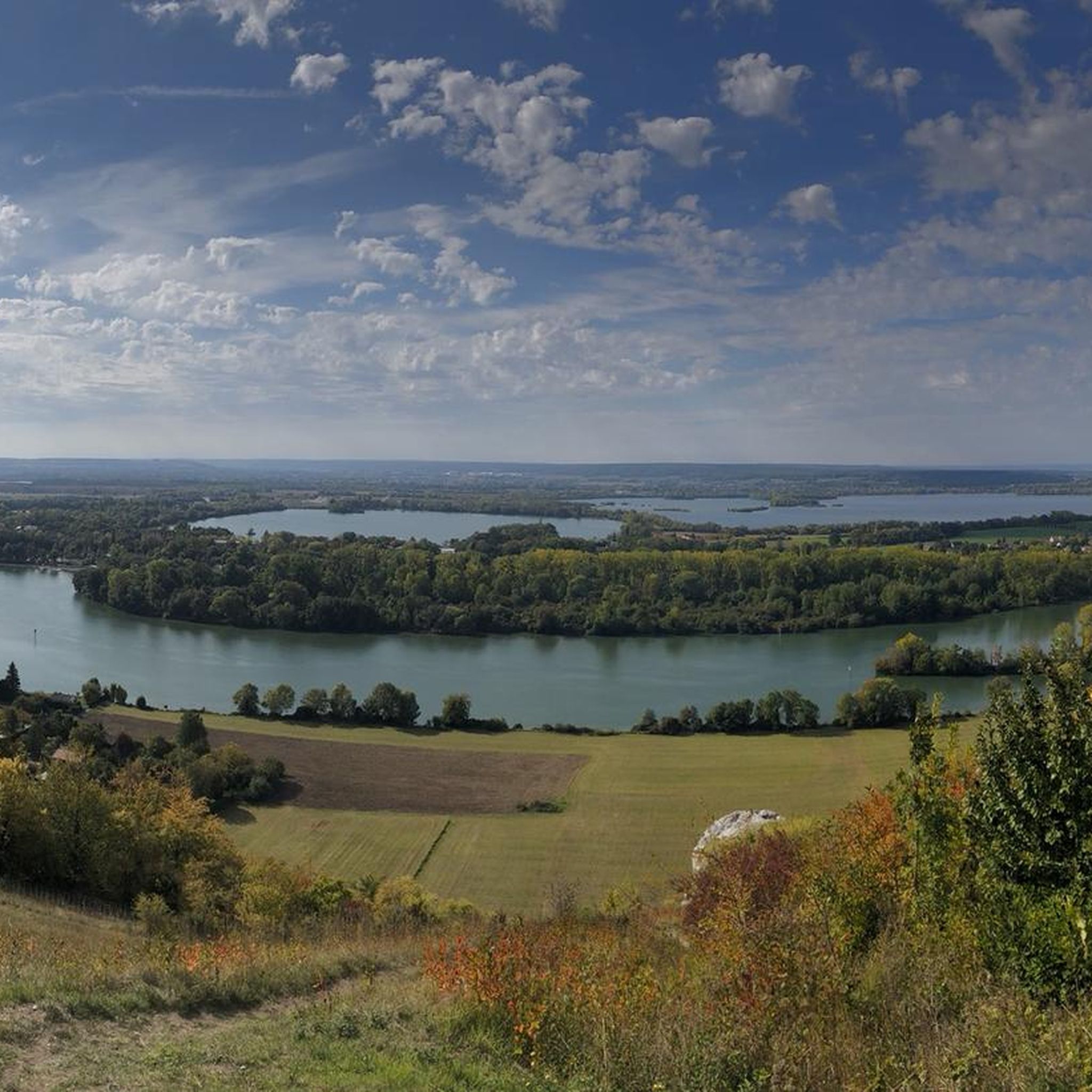
View of Château Gaillard and the Seine Valley
Highlight • Viewpoint
Translated by Google •
Tip by

Sign up now to discover places like this
Get recommendations on the best single tracks, peaks, & plenty of other exciting outdoor places.
Sign up for free
Canteloup Castle
Highlight • Castle
Translated by Google •
Tip by
View of the Castle
Highlight • Viewpoint
Translated by Google •
Tip by

Buspins Castle
Highlight • Castle
Translated by Google •
Tip by
Sign up for free to discover even more castles around Porte-Joie.
Sign up for free
Already have an account?
Start today with a free account
Your next adventure awaits.
Login or Signup
Tips from the Community

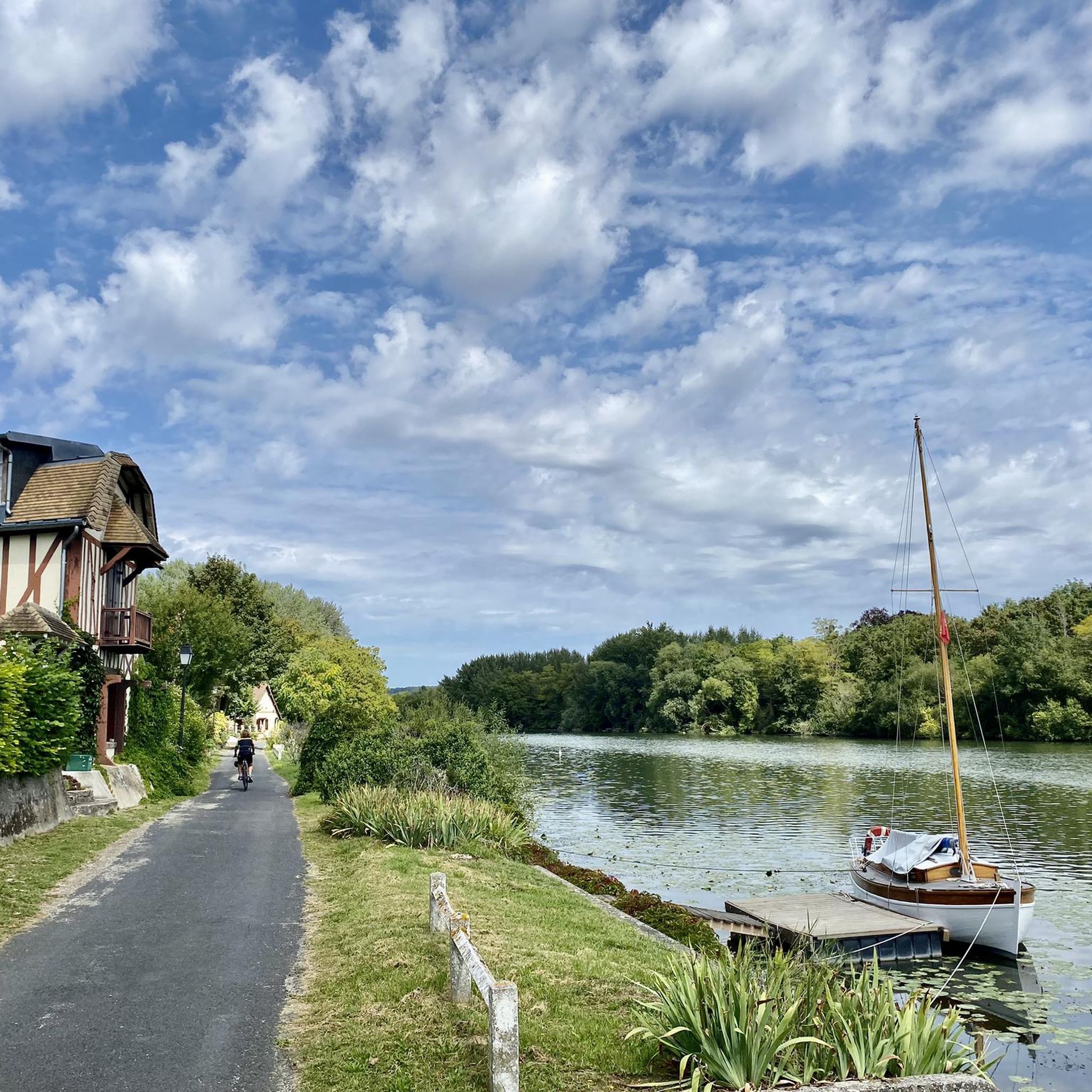
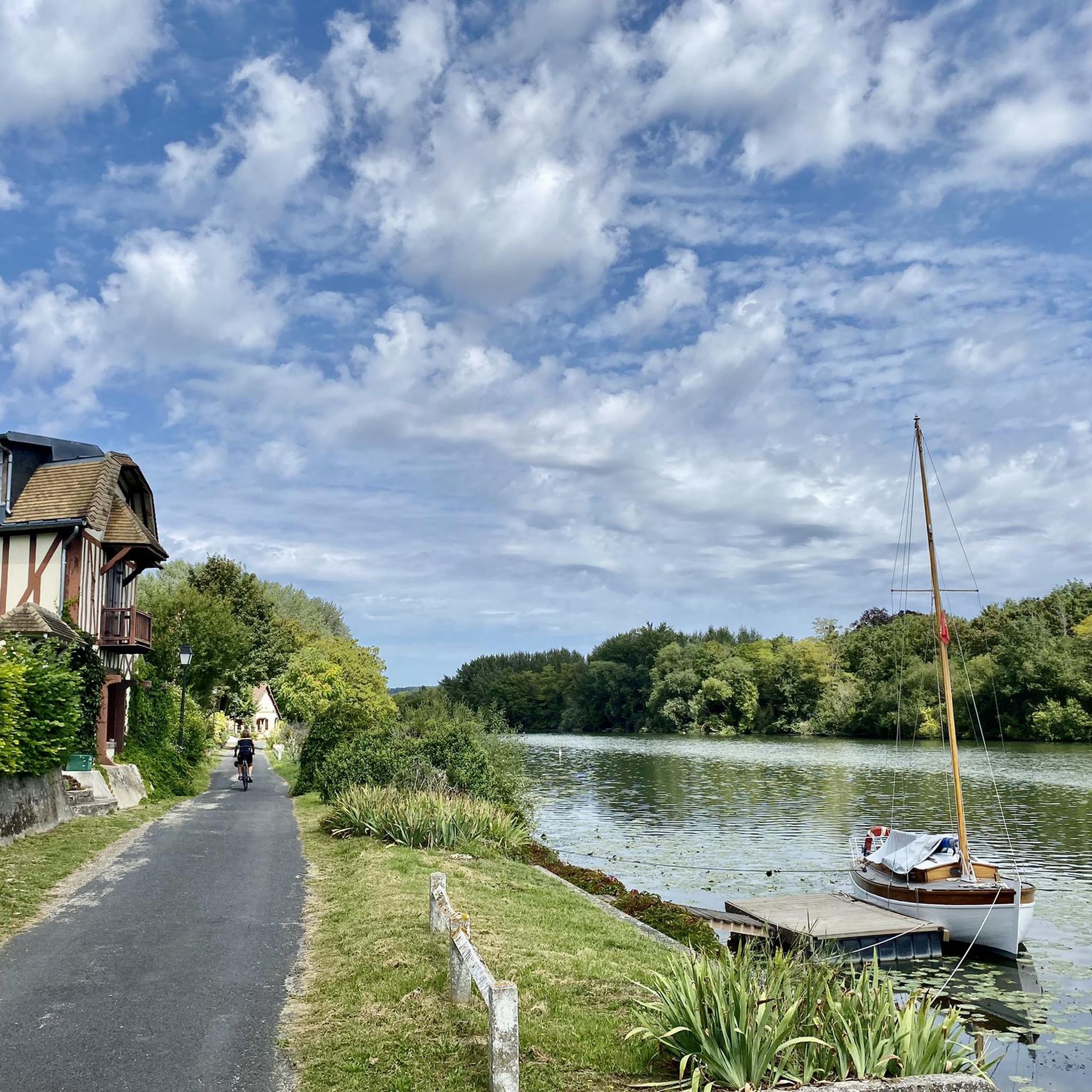
Nice tour, certain section on cobble/sand path and that is a bit of a challenge.
0
0

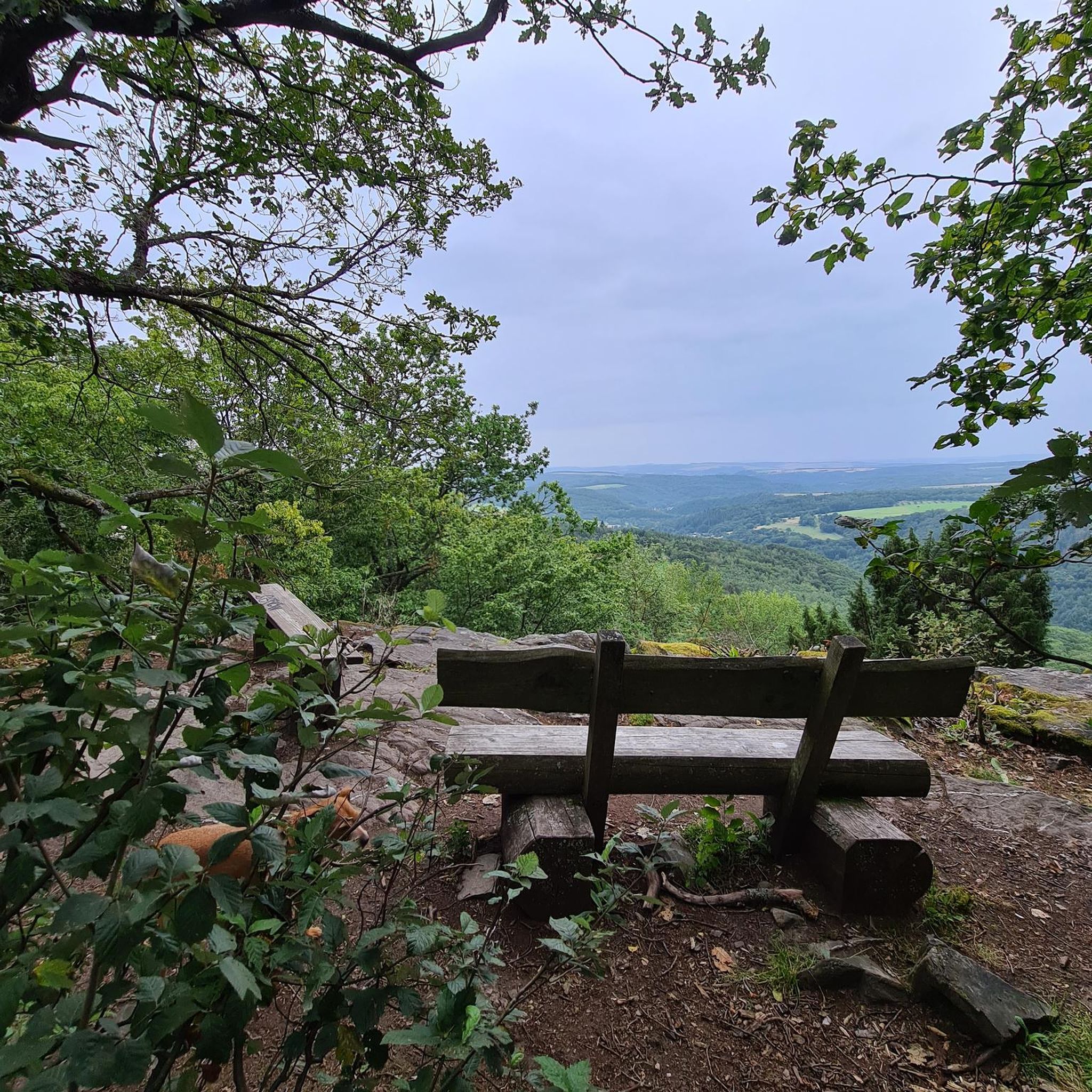
The paths in the woods are partly sandy, it is quite physical
1
0

Magnificent view of the Château d'Acquigny (whose garden can be visited) and the Eure valley
0
0
The view is worth the significant elevation gain of this hike.
0
0


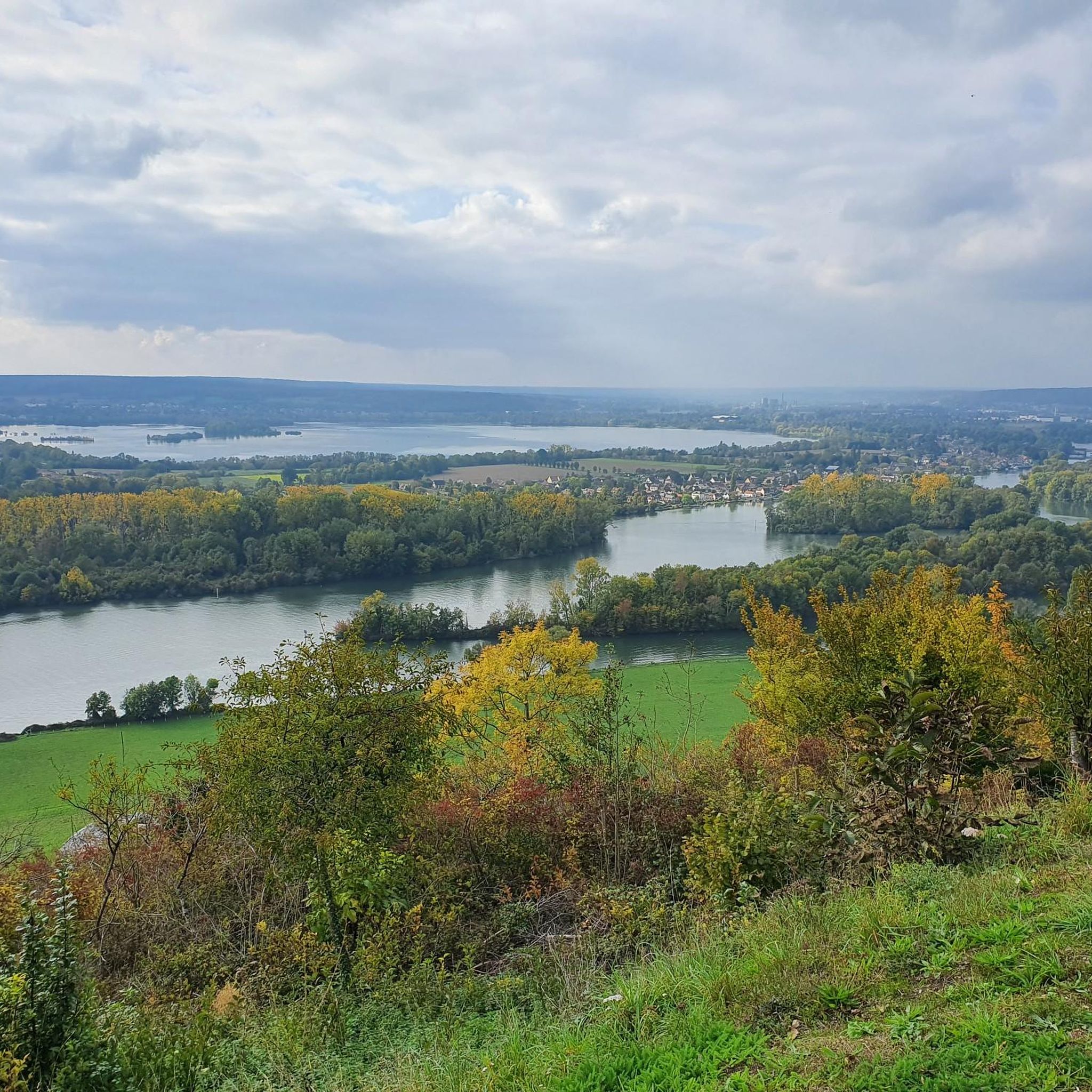
Following the GR2, the view of Château Gaillard, in Andelys, is magnificent. This ruined medieval castle, built by Richard the Lionheart in the 12th century, overlooks the Seine from the top of a cliff. You can take the GR2, a long-distance hiking trail that runs along the river, from Val Saint-Martin to the castle. The path offers beautiful views of the valley, the river and the town of Les Andelys.
2
0
If you like history and architecture, you might want to visit the Chateau des Buspins, a 17th century castle that was once part of a large agricultural estate belonging to the famous automobile manufacturer Louis Renault. You can admire the elegant brick and stone facade of the castle and explore the park and the garden of the castle, which extend over 6 hectares and are laid out in the French style. You can also see the dovecote, a dovecote which was used to house the pigeons. Don't miss this opportunity to discover a historic and charming site in Normandy.
3
0
Following the GR®2, the view of the Château Gaillard, in Andelys, is magnificent. This ruined medieval castle, built by Richard Coeur de Lion in the 12th century, overlooks the Seine from the top of a cliff. You can follow the GR®2, a long-distance hiking trail that runs along the river, from Val Saint-Martin to the castle. The path offers beautiful views of the valley, the river and the town of Les Andelys.
3
0
Frequently Asked Questions
What historical periods do the castles around Porte-Joie represent?
The castles in the Porte-Joie area showcase a rich history, ranging from medieval fortresses like the ruins of Château Gaillard, built by Richard the Lionheart in the 12th century, to 16th-century Renaissance castles such as Acquigny Castle and Bonnemare Castle, and even 17th-century manors like Le Manoir de Portejoie.
Are there any family-friendly castles to visit near Porte-Joie?
Yes, Acquigny Castle is noted as family-friendly. Its park, nicknamed 'a love of garden,' offers a pleasant setting for all ages. While not explicitly listed as family-friendly, the spacious grounds of Bonnemare Castle, with its 22-hectare park, could also be enjoyable for families.
Can I find hiking trails near the castles in this region?
Yes, several castles and viewpoints are accessible via hiking trails. For instance, the magnificent View of Château Gaillard and the Seine Valley can be reached by following the GR®2 long-distance hiking trail. You can find more hiking options in the area by exploring the Hiking around Porte-Joie guide.
What kind of views can I expect from the castle sites?
The region offers stunning panoramic views, particularly from sites like the View of Château Gaillard and the Seine Valley, which overlooks the Seine from a cliff. Canteloup Castle is also situated in a magnificent landscape between the Seine and the Côte des Deux Amants, offering breathtaking views of the valley.
Are there opportunities for cycling near the castles?
Absolutely. The area around Porte-Joie provides various cycling routes that can take you past or near several historical sites. For detailed routes and options, consult the Cycling around Porte-Joie guide.
Is Le Manoir de Portejoie open to the public for visits?
Le Manoir de Portejoie is an authentic 17th-century Norman manor. While primarily used for events, visits are typically by appointment, allowing for a personalized discovery of the location. You can find more information on their availability at tourisme-seine-eure.com.
What makes Acquigny Castle unique?
Acquigny Castle is uniquely situated at the confluence of the Eure and Iton rivers, with a stream diverted to feed its moats. Built in the 16th century, its design was inspired by Anne de Laval's love for her late husband, featuring decorative elements and a plan combining their initials. Its surrounding park is affectionately known as 'a love of garden'.
What can I see at Bonnemare Castle?
Bonnemare Castle is a 16th-century Renaissance castle featuring a rare and harmonious ensemble including a round chapel, a kitchen with a rotisserie, a farm with a forge, and a cider house. The castle is surrounded by a 22-hectare park with a poplar avenue, orchard, and pond.
Are there any castles with significant historical connections to famous figures?
Yes, the area is rich in such history. The ruins of Château Gaillard, visible from the View of Château Gaillard and the Seine Valley, were built by Richard the Lionheart in the 12th century. Additionally, Le Manoir de Portejoie stands on a site historically significant in the 12th century, where Richard the Lionheart also built a fortress.
What other castles are in the vicinity of Porte-Joie besides the main highlights?
Beyond the prominent highlights, the broader vicinity of Porte-Joie features other notable castles. These include Canteloup Castle, a 17th-century structure with scenic views, and Buspins Castle, also from the 17th century, known for its elegant brick and stone facade and French-style gardens.
Are there any castles that offer accommodation or event facilities?
Le Manoir de Portejoie is primarily used as a venue for events such as weddings and seminars, offering air-conditioned rooms and space for tents. Bonnemare Castle also offers guest rooms and gîtes, providing an authentic experience of French heritage.
What kind of outdoor activities can I combine with a castle visit?
The region offers various outdoor activities. You can enjoy hiking along the GR®2 trail near Château Gaillard, or explore mountain biking and touring bicycle routes. For specific routes, check the MTB Trails around Porte-Joie and Cycling around Porte-Joie guides.
Most popular routes around Porte-Joie
Most popular attractions around Porte-Joie

Get inspired with the komoot mobile app


Explore more
Looking for the best castles somewhere else? Discover other guides around Porte-Joie:
