Attractions and Places To See around Villié-Morgon - Top 20
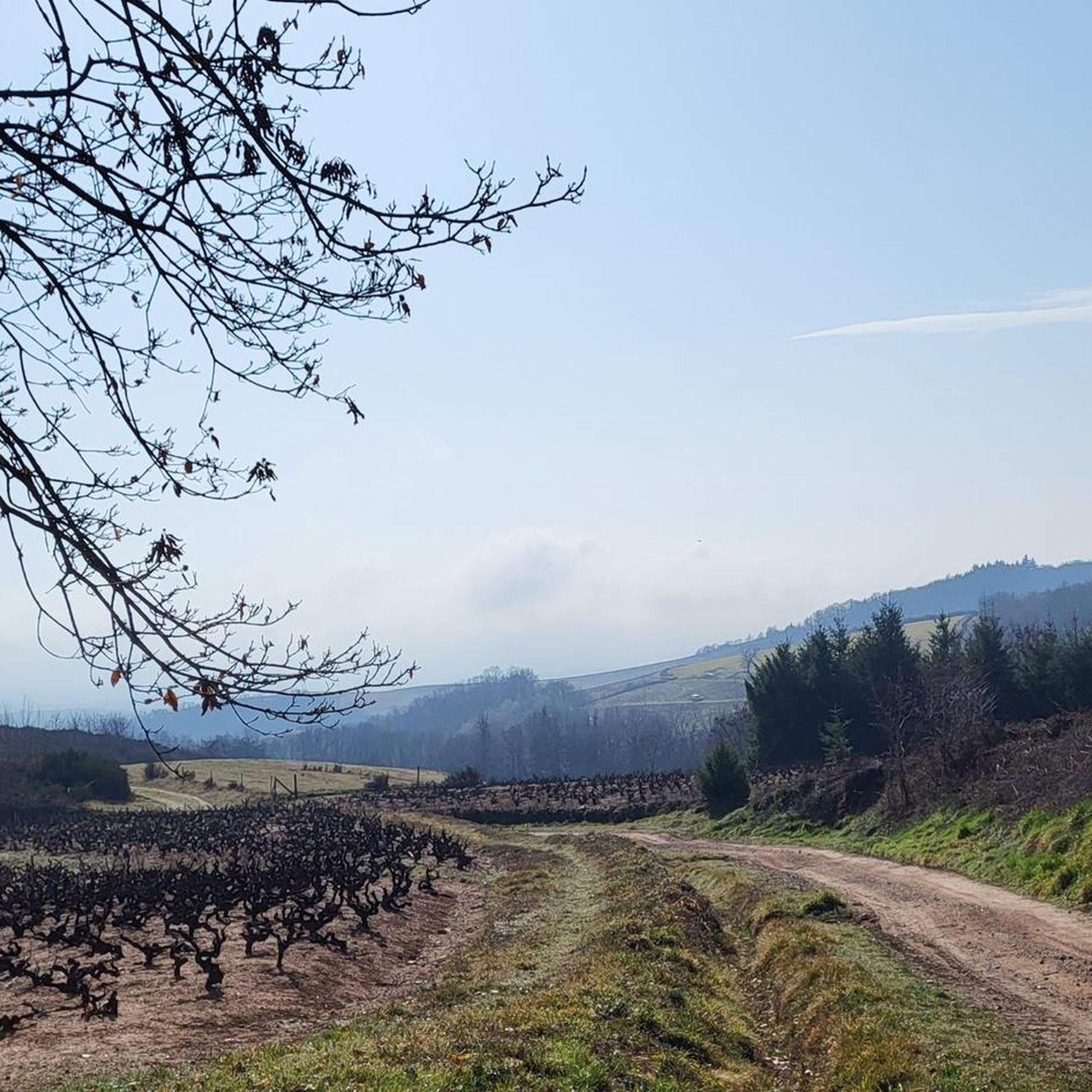
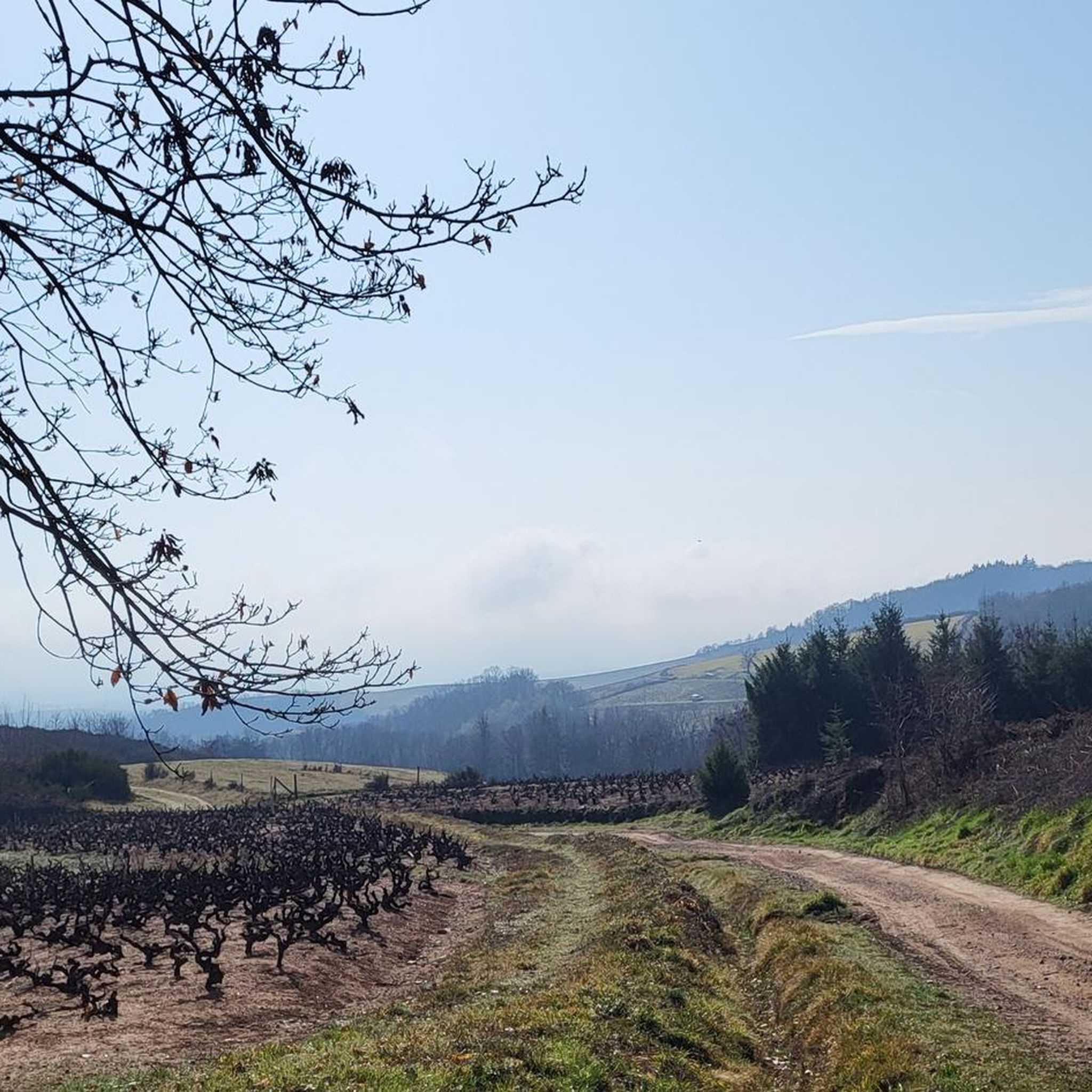
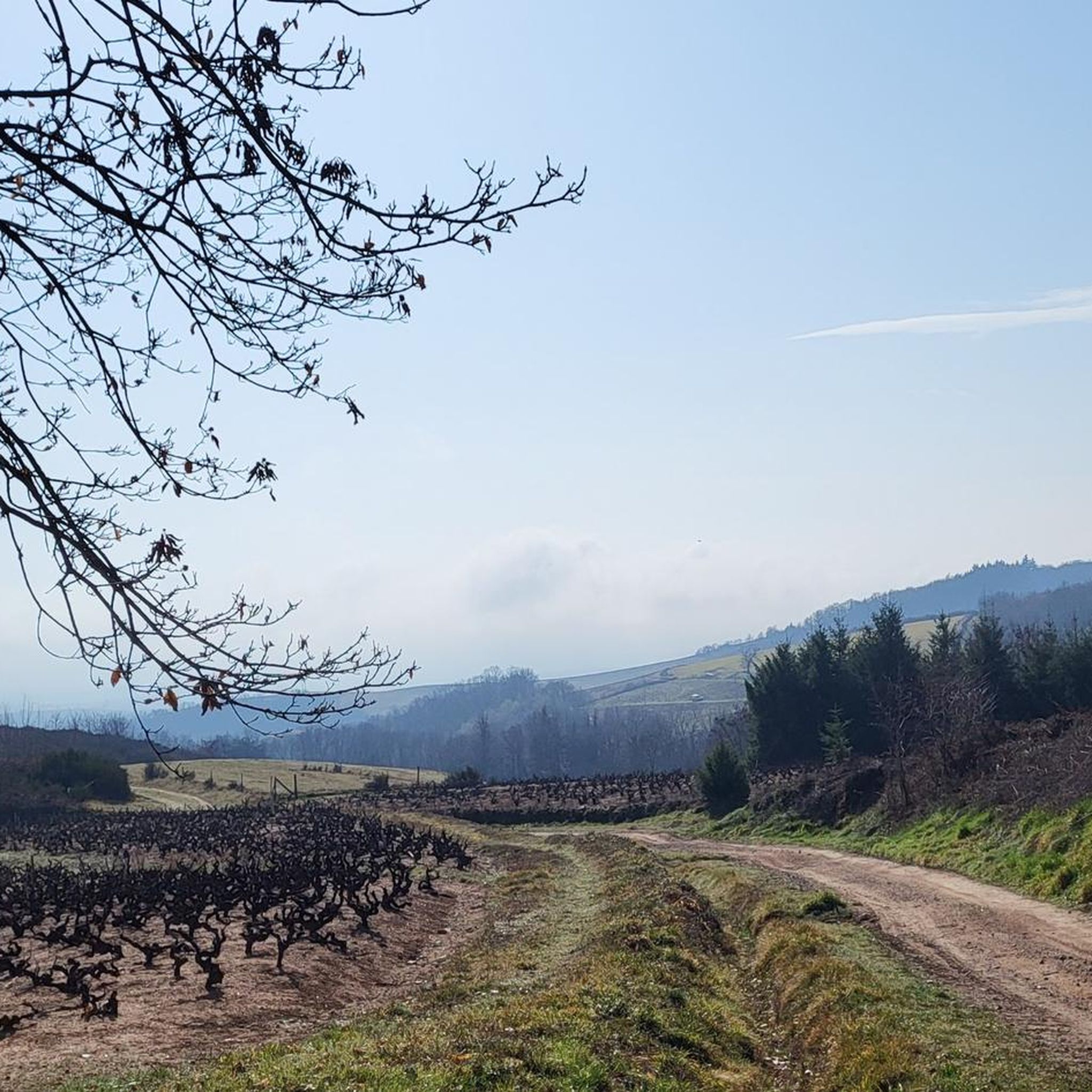
Best attractions and places to see around Villié-Morgon are found within the Beaujolais wine region, characterized by its hilly Monts du Beaujolais landscape and extensive vineyards. The area is deeply connected to viticulture, particularly the renowned Morgon appellation. Visitors can explore historical landmarks, natural viewpoints, and cultural sites centered around wine production. The region offers a blend of architectural heritage and scenic natural beauty.
Best attractions and places to see around Villié-Morgon
- The most popular attractions is Rochefort Cross, a man-made monument that offers panoramic views of the Beaujolais mountains and, on clear days, the Alps. This cross is located at the highest point of its circuit, featuring an orientation table with views of Beaujeu.
- Another must-see spot is Cross of Forces, a man-made monument. This cross provides a panorama to the east, overlooking the Rhône valley and the village of Quincié-en-Beaujolais.
- Visitors also love Windmill, a historical monument from the 15th century. This windmill is the only one in Beaujolais and Mâconnais to have preserved its large wooden guivre, which allowed its wings to be oriented towards the wind.
- Villié-Morgon is known for its historical landmarks, natural viewpoints, and cultural sites related to wine production. The region offers a variety of attractions to see and explore, from ancient castles to vineyard landscapes.
- The attractions around Villié-Morgon are appreciated by the komoot community, with more than 100 upvotes and over 50 photos shared.
Last updated: May 9, 2026
Rochefort Cross
Highlight • Monument
Translated by Google •
Tip by

Windmill
Highlight • Other
Translated by Google •
Tip by

Sign up now to discover places like this
Get recommendations on the best single tracks, peaks, & plenty of other exciting outdoor places.
Sign up for free
Cross of Forces
Highlight • Monument
So I hope that many people ... visit the crosses, whether as places of silence and taking a breath before God, whether as places of community gathering, prayer and praise of God.
(Text source: Dean Rainald M. Ollig
in: “Crosses... Small sacred monuments as signs of popular piety”)
Translated by Google •
Tip by
Saint-Jacques-des-Arrêts
Highlight • Other
The village also has a communal campsite. Inquire at town hall.
Translated by Google •
Tip by

Ferme Sainte-Marie in Saint-Étienne-la-Varenne
Highlight • Historical Site
Translated by Google •
Tip by

Sign up for free to discover even more attractions around Villié-Morgon.
Sign up for free
Already have an account?
Start today with a free account
Your next adventure awaits.
Login or Signup

Tips from the Community


Ferme Sainte-Marie, located in the commune of Saint-Étienne-la-Varenne, is a place rich in history and heritage. Perched on the heights, it offers a splendid view of the surrounding valleys, particularly those of Beaujolais. This estate originally belonged to the lords of Beaujeu, an influential medieval lineage. Over the centuries, the farm changed hands, and in 1680, François de la Chaise acquired it, keeping it in his family for several generations. Today, Ferme Sainte-Marie is also known for its leisure activities, such as hiking. Several trails allow you to discover the landscapes while appreciating the local fauna and flora. A popular hike starts from the center of the village of Saint-Étienne-la-Varenne, going up to the farm via viewpoints such as the Trou du Loup. These hikes offer an excellent way to explore nature while learning about local history and agricultural traditions. The farm also played a role during the Second World War, with resistance fighters carrying out actions there, including ambushes against the occupying forces. This historical connection reinforces the importance of Ferme Sainte-Marie as a place of remembrance in the context of Saint-Étienne-la-Varenne. For visitors, it is a place of natural beauty and a historic site to explore, combining history, nature and culture.
0
0

Long before the discovery of electricity and the inventions associated with it, our ancestors discovered the possibility of harnessing the power of the elements - which could be useful on the one hand, but could also be a threat as a force of nature on the other - for various purposes. A good example of the human inventiveness of earlier generations is such a mill: the heavy millstones used to grind grain or press oil, for example, could be powered by water or - as here - the wind. Hardly any of them still fulfil their original functions today, but fortunately some have at least survived as evidence of the old days.
1
0

See the paintings by Jean Fusaro inside.
0
0

Wonderful stage stop on my Camino https://huettemann.eu/de/2023/10/von-cluny-an-die-loire-berndscamino/
1
0

Nice little church on the way to Santiago de Compostela
1
1

The Croix des Forces offers a beautiful panorama to the east, towards the Rhône valley. It overlooks the village of Quincié-en-Beaujolais and a picnic table is set up nearby.
1
0
Frequently Asked Questions
What are the best viewpoints around Villié-Morgon?
The region offers several stunning viewpoints. The Rochefort Cross, located at 888m, provides a superb panorama of the Beaujolais mountains, the Monts d'Or, Mont Brouilly, and even the Alps on clear days. Another excellent spot is the Cross of Forces, which offers a beautiful eastward view towards the Rhône valley and the village of Quincié-en-Beaujolais. Additionally, the Roche de Vergisson, at 485 meters, offers unique panoramas of the Beaujolais valley and the Roche de Solutré.
Are there any historical sites or landmarks to visit in Villié-Morgon?
Yes, Villié-Morgon and its surroundings are rich in history. You can explore the 17th-century Château de Fontcrenne, which now serves as the town hall, or the 15th-century Château de Corcelles, known for its ancient wine cellar and tours. The Windmill, a 15th-century historical monument, is the only one in Beaujolais and Mâconnais to have preserved its original wooden guivre. The Saint-Vincent Church, rebuilt in a neo-medieval style, also houses several classified artworks.
What cultural experiences related to wine can I find in Villié-Morgon?
Villié-Morgon is at the heart of the Beaujolais wine region, particularly known for its Morgon appellation. A must-visit is Le Caveau de Villié-Morgon, established in 1953 as the first wine cellar of Beaujolais, offering tastings of Morgon wines and regional products. Many local producers and wine domains, such as Domaine Christophe & Daniel Rampon and Château Bellevue Morgon, welcome visitors for tastings and insights into the winemaking process.
What outdoor activities are available near Villié-Morgon?
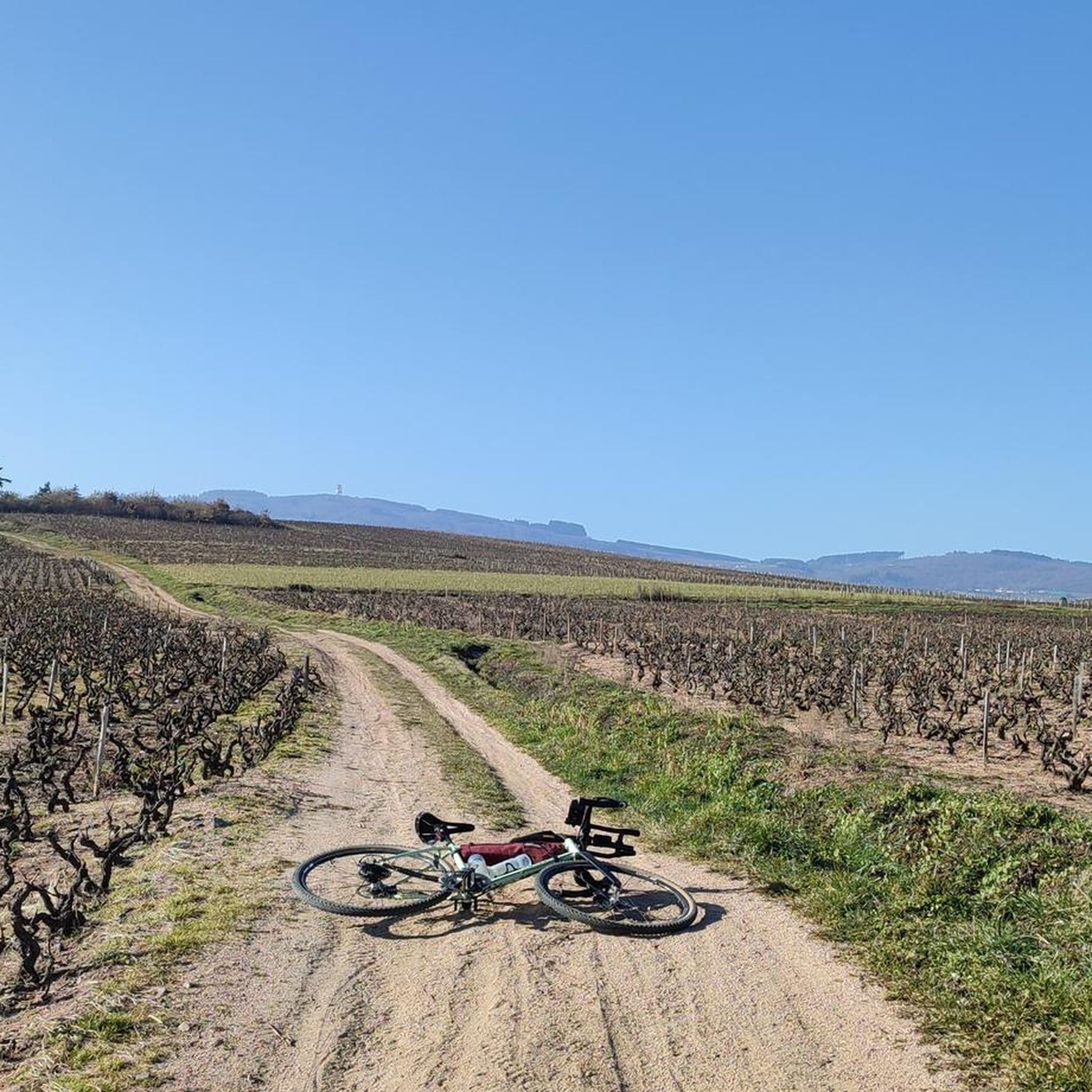
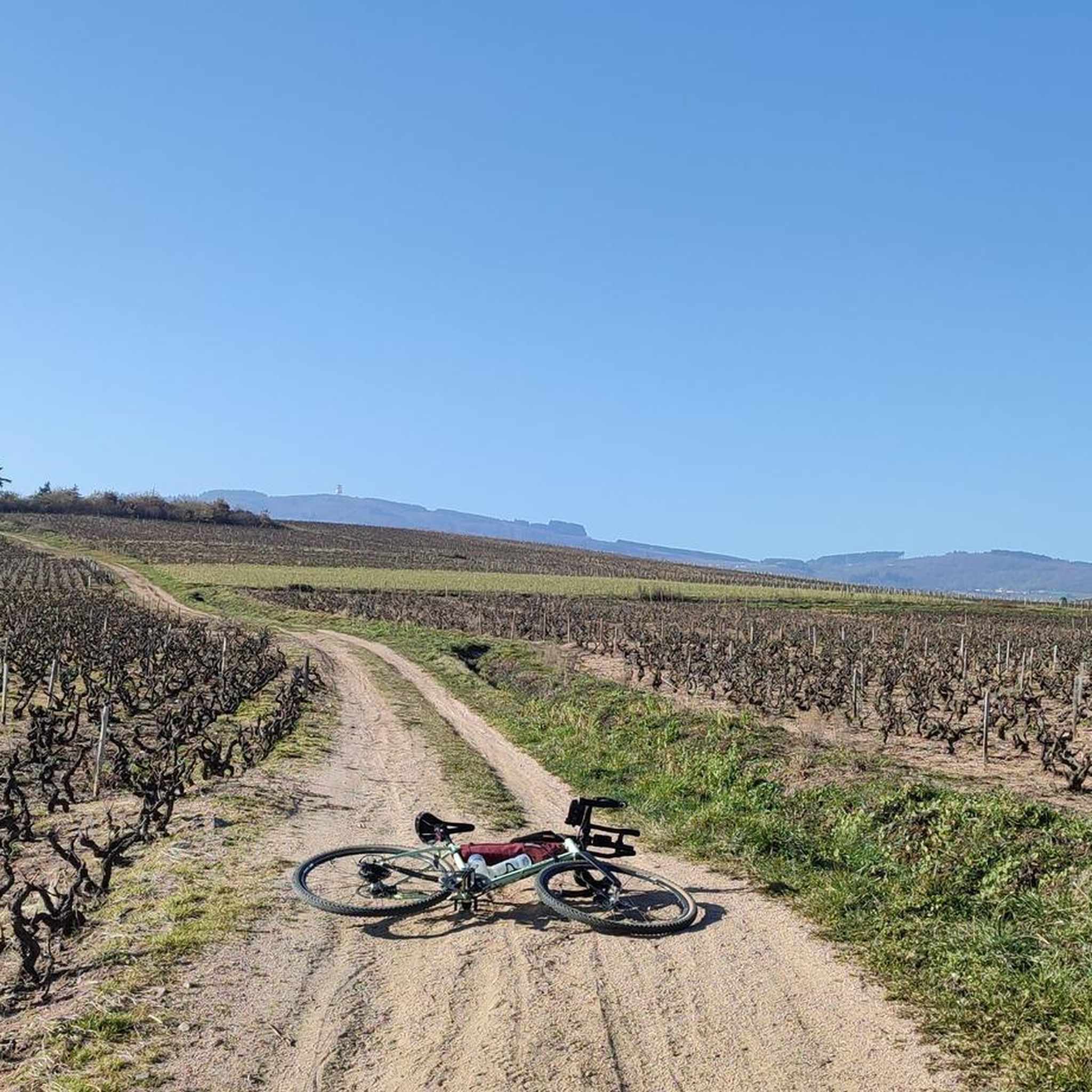
The hilly landscape of the Monts du Beaujolais provides numerous opportunities for outdoor activities. You can find various routes for gravel biking, mountain biking, and cycling. For example, explore the 'Col du Fût d'Avenas – Madonna Chapel loop' for mountain biking or the 'Durbize Pass – La Madone loop' for cycling. You can find more details on these and other routes in the Gravel biking around Villié-Morgon, MTB Trails around Villié-Morgon, and Cycling around Villié-Morgon guides.
Are there family-friendly attractions in the Villié-Morgon area?
Yes, several attractions are suitable for families. The Cross of Forces is noted as family-friendly and has a picnic table nearby, perfect for a break with views. The Château de Fontcrenne features an animal park that children might enjoy. Exploring the vineyards and enjoying easy walks through the picturesque landscape can also be a pleasant family activity.
Where can I go hiking near Villié-Morgon?
The Monts du Beaujolais offer many hiking opportunities. The area around Ferme Sainte-Marie in Saint-Étienne-la-Varenne is known for its hiking trails that allow you to discover the landscapes and local fauna and flora, with splendid views of the Beaujolais valleys. The Roche de Solutré, about 15 km away, is also a renowned natural site for walks and hikes.
What natural features define the Villié-Morgon region?
The Villié-Morgon region is characterized by the hilly landscape of the Monts du Beaujolais, with altitudes ranging from 212 to 689 meters. It is dominated by extensive vineyards, particularly the 1100 hectares dedicated to Morgon wines. The 'Côte du Py' is a significant volcanic hill, and the complex soils, including 'roche pourrie,' contribute to the unique terroir. Notable natural viewpoints include the Roche de Vergisson and the Roche de Solutré.
What is special about the Hamlet of Saint-Joseph Church?
The Hamlet of Saint-Joseph Church, built between 1872 and 1882, is notable for its distinctive two spires, intricate woodwork, and beautiful stained-glass windows. It also features a marble high altar. On the site, you can find a replica of the Grotto of the Virgin in Lourdes and a Stations of the Cross with various viewpoints, making it a significant religious and architectural landmark.
Are there any hidden gems or less-known spots worth visiting?
While not exactly 'hidden,' the village of Saint-Jacques-des-Arrêts offers a charming rural inn and a communal campsite, making it a great stop for those exploring the trails. Its connection to the pilgrim apostle James the Elder also adds a unique historical layer. The Ferme Sainte-Marie in Saint-Étienne-la-Varenne, with its rich history and scenic hiking trails, is another less-traveled spot offering beautiful views and a glimpse into local heritage.
What do visitors enjoy most about the attractions around Villié-Morgon?
Visitors particularly appreciate the panoramic views from spots like the Rochefort Cross and the Cross of Forces. The historical significance of sites like the Windmill and the rich wine culture, with opportunities for tastings at places like Le Caveau de Villié-Morgon, are also highly valued. The blend of natural beauty, historical landmarks, and the chance to engage with local traditions makes the region appealing.
Can I find local markets near Villié-Morgon?
Yes, several nearby towns host local markets. You can experience local life and find regional products in towns such as Beaujeu, Belleville, and Saint-Didier-sur-Chalaronne, which have markets on various days of the week. These markets are a great way to discover local produce and crafts.
What is the significance of the 'Côte du Py' in Villié-Morgon?
The 'Côte du Py' is a significant volcanic hill within the Villié-Morgon appellation. Its unique soils, which include decomposed schist often referred to as 'roche pourrie,' are crucial to the character and depth of the renowned Morgon wines produced in the region. It's a key element contributing to the unique terroir of Villié-Morgon.
Most popular routes around Villié-Morgon
Most popular attractions around Villié-Morgon

Get inspired with the komoot mobile app


Explore more
Still not found the Highlight you’re looking for? See guides of the top attractions in other regions:
