Attractions and Places To See around Sail-Les-Bains - Top 8
Best attractions and places to see around Sail-Les-Bains include a mix of historical landmarks, natural features, and cultural sites. The area, situated in the Loire department, offers a variety of places to explore. Visitors can find medieval villages, historical monuments, and expansive forests. These sites provide insights into the region's past and natural environment.
Best attractions and places to see around Sail-Les-Bains
- The most popular attractions is Le Crozet, a medieval village that features houses dating from the 13th…
Last updated: July 2, 2026
The Great Canopy of Lespinasse Forest
Highlight • Other
Translated by Google •
Tip by

Le Crozet
Highlight • Other
Translated by Google •
Tip by

Sign up now to discover places like this
Get recommendations on the best single tracks, peaks, & plenty of other exciting outdoor places.
Sign up for free
Le Petit Louvre
Highlight • Historical Site
Translated by Google •
Tip by

Châtelus
Highlight • Castle
Translated by Google •
Tip by

Droiturier
Highlight • Settlement
Translated by Google •
Tip by
Sign up for free to discover even more attractions around Sail-Les-Bains.
Sign up for free
Already have an account?
Start today with a free account
Your next adventure awaits.
Login or Signup

Tips from the Community


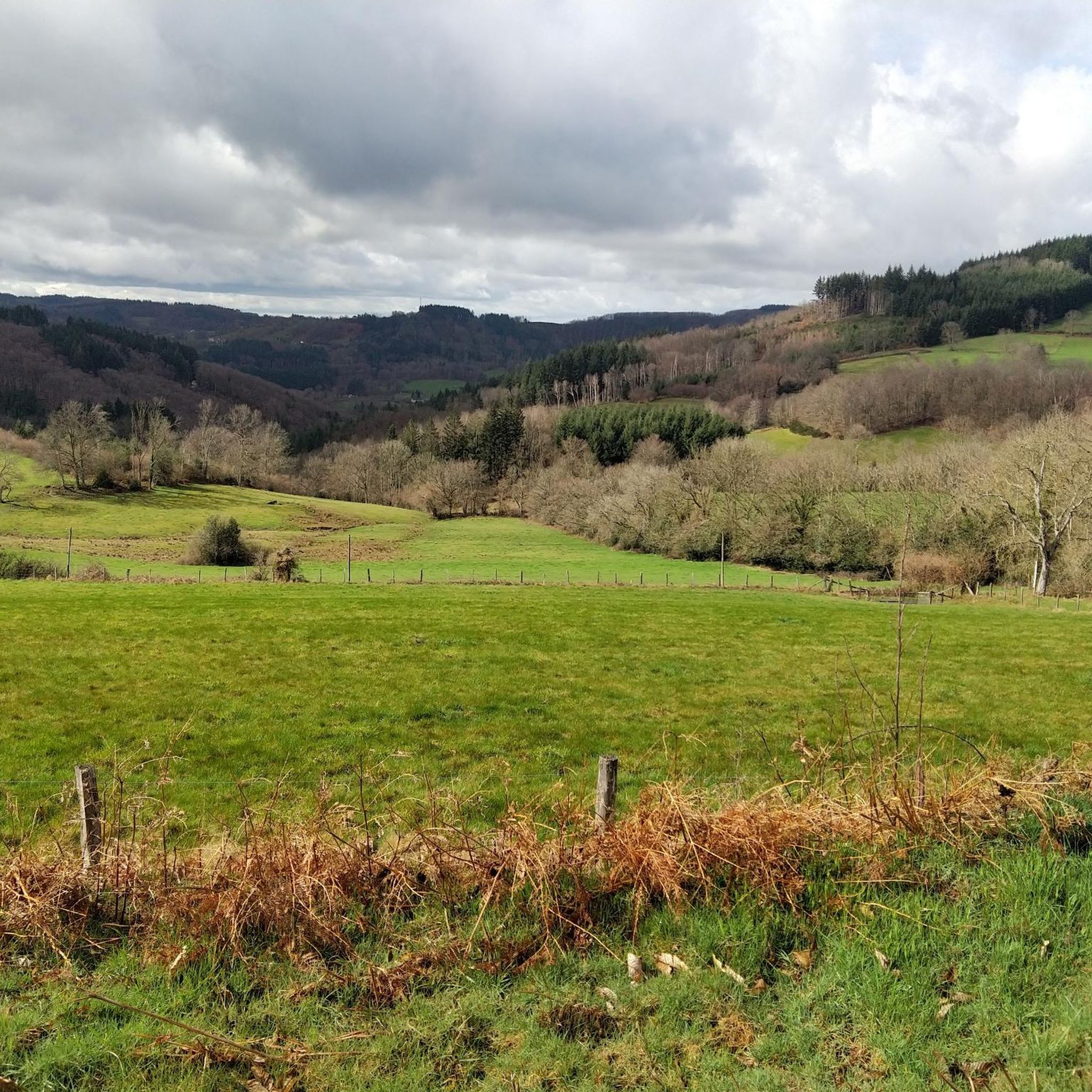
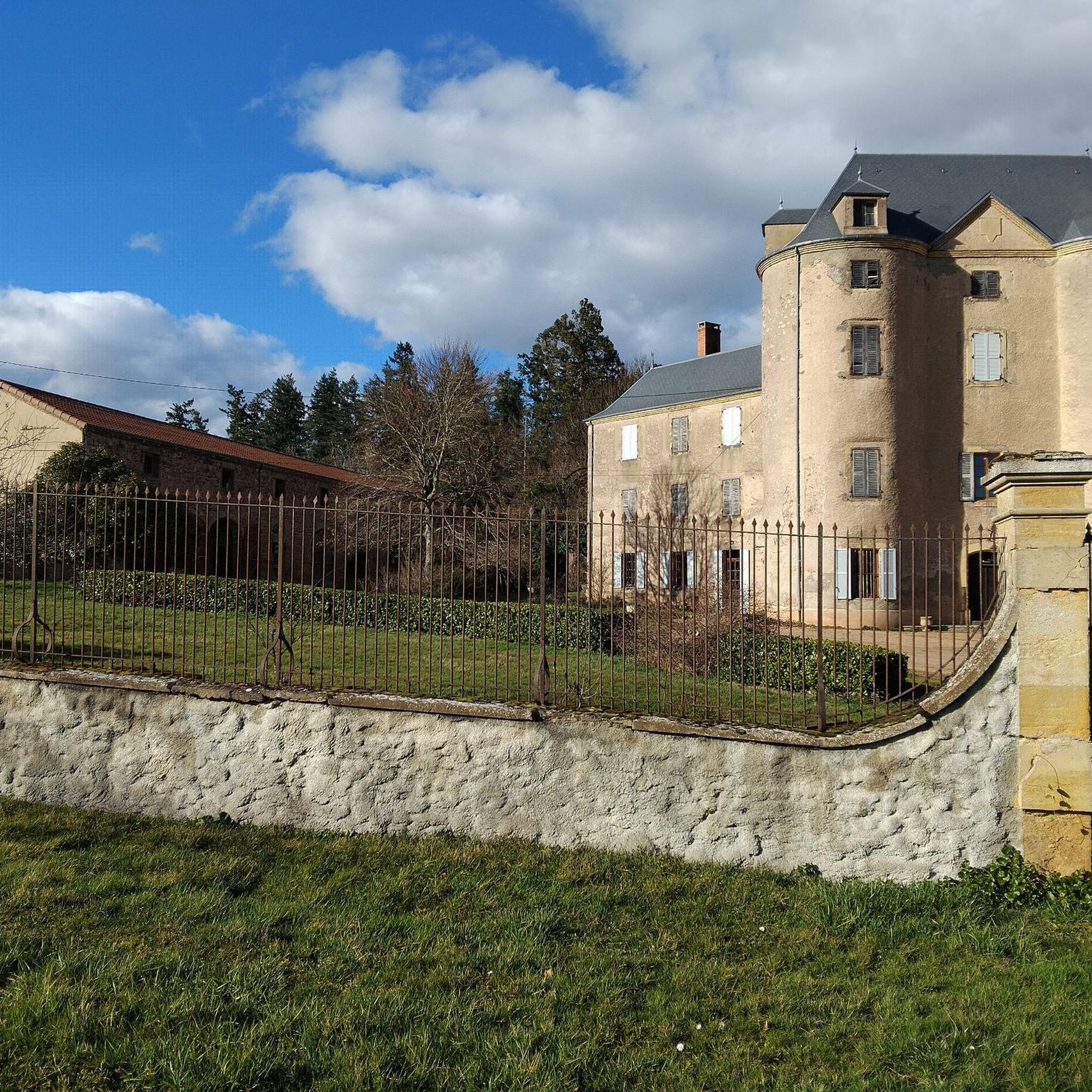
A small rural village, Châtelus was founded by the Gauls. Over the years, it grew into a substantial village, located on the important Roman road linking Cusset (Allier) to Marcigny (Loire). It houses a castle, later destroyed by the violent Wars of Religion. Today, the town maintains a museum dedicated to the 19th-century school, including numerous documents and furniture dating back to 1830. The museum is open on summer afternoons, from Thursday to Saturday.
0
0
A small rural village, Châtelus was founded by the Gauls. Over the ages, it became a significant village since it was located on the important Roman road linking Cusset (Allier) to Marcigny (Loire). It houses a castle, later destroyed by the violent Wars of Religion. Today, the town maintains a museum dedicated to the 19th century school, including multiple documents and furniture dating from 1830. The museum is open summer afternoons, from Thursday to Saturday.
0
0
Droiturier is a Cluniac town, in other words which was long inhabited by the monk of the order of Cluny. Between its opulent medieval half-timbered houses, its priory church and its chapel, you will discover a large part of the local Catholic history.
0
0

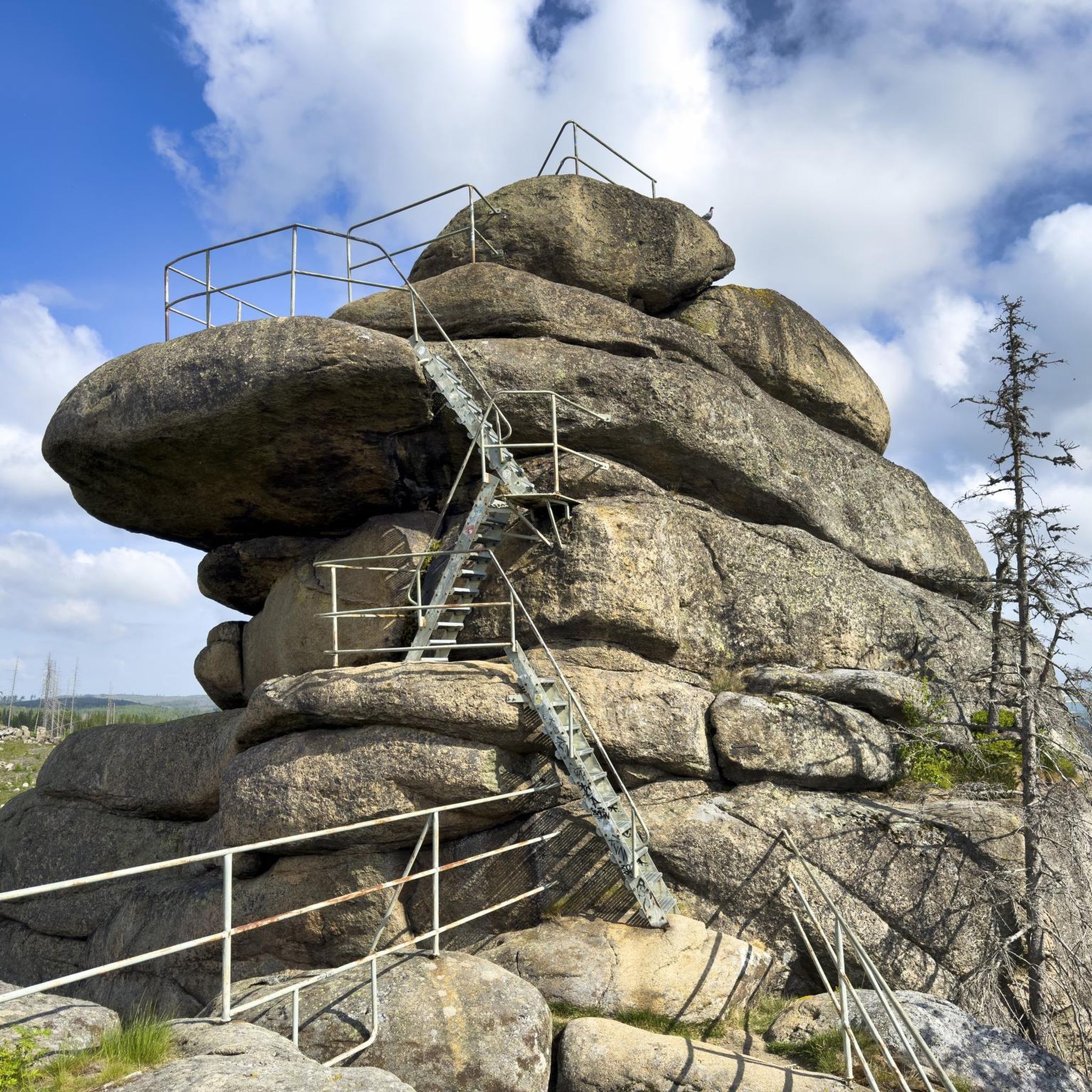
Former tile and brick dryer, at the entrance to the Lespinasse forest. Educational activities, exhibitions and tourist information point in July and August. Picnic tables.
1
0

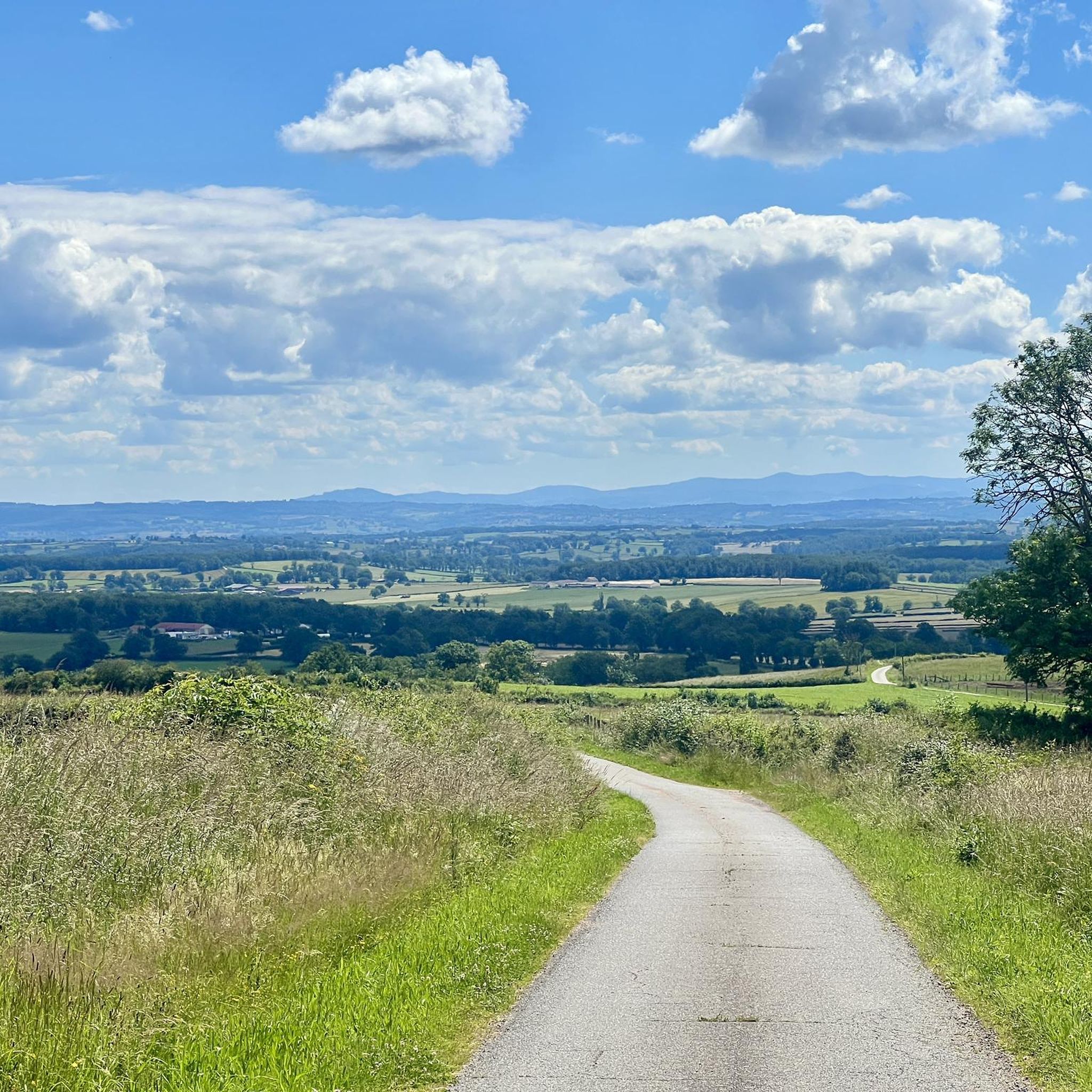
The Lespinasse forest extends over nearly 500 hectares and is a delight for hikers, mountain bikers and fishermen. Crossed by several marked circuits and equipped with picnic tables and games for children, this forest is qualified as a Sensitive Natural Area: a place rich in resources, to be preserved.
1
0
The Petit Louvre is a 15th century monument in Renaissance and Gothic style. It was a stopover lodge for the king's officers, constabulary brigade, post house in the royal service and presbytery. Its architecture stands out with its 3-storey frame in the shape of an upside-down boat hull and its tower. It is possible to visit the Petit Louvre from June 15 until the end of September.
0
0
Le Crozet is a medieval city which houses houses from the 13th to the 16th century. This characterful village has retained its fortifications and a mix of stone buildings, flower-decked houses and the large arched doorway built in 1236.
1
0
Frequently Asked Questions
What historical sites can I explore around Sail-Les-Bains?
The area is rich in history. You can visit Le Petit Louvre, a 15th-century monument showcasing Renaissance and Gothic styles, which was once a royal stopover lodge. Another significant site is Le Crozet, a medieval village with houses dating from the 13th to 16th centuries and preserved fortifications. Don't miss the Pont de la Vallée, a small stone bridge from 1758 recognized as a Historic Monument. Further afield, consider the Chateau de la Palice (Lapalisse) and the Priory of Anzy-le-Duc.
Are there any natural attractions or outdoor spaces to visit?
Absolutely. The most prominent natural feature is The Great Canopy of Lespinasse Forest, a vast forest area perfect for nature lovers. It features an educational center with exhibitions and tourist information during July and August, along with picnic tables. The forest is also a Sensitive Natural Area, rich in resources to be preserved.
What kind of outdoor activities can I do near Sail-Les-Bains?
The region offers excellent opportunities for outdoor activities. You can find numerous routes for hiking, cycling, and road cycling. For hiking, explore trails like the 'Étang de la Pelouse loop from Urbise' or the 'Hiking loop from Montaiguët-en-Forez'. Cyclists can enjoy routes such as the 'Le Crozet – Le Petit Louvre loop from Saint-Martin-d'Estréaux'. Discover more options on the dedicated guides for Hiking around Sail-Les-Bains, Cycling around Sail-Les-Bains, and Road Cycling Routes around Sail-Les-Bains.
Are there family-friendly attractions around Sail-Les-Bains?
Yes, several attractions are suitable for families. The Great Canopy of Lespinasse Forest offers picnic tables and games for children, making it a great spot for a family outing. The historical village of Le Crozet, with its charming medieval houses, can also be an engaging visit for older children. Additionally, the village of Châtelus hosts a museum dedicated to the 19th-century school, open on summer afternoons, which can be an interesting educational experience.
When is the best time to visit the attractions in Sail-Les-Bains?
The best time to visit depends on your interests. For exploring historical sites like Le Petit Louvre, visits are possible from June 15th until the end of September. The educational center at The Great Canopy of Lespinasse Forest is open during July and August. Generally, the warmer months from late spring to early autumn (May to September) are ideal for enjoying outdoor activities and exploring the villages and natural areas.
What makes Le Crozet a unique place to visit?
Le Crozet is a medieval village renowned for its well-preserved architecture, featuring houses from the 13th to the 16th century. Visitors are charmed by its quiet, flower-filled streets, stone buildings, and the prominent arched doorway built in 1236. It offers a genuine glimpse into the region's rich past.
Can I find any notable gardens in the vicinity of Sail-Les-Bains?
Yes, there are several remarkable gardens within a reasonable distance. These include Les Jardins Romans de Varenne-l'Arconce, Jardin du château de Chaumont, Les Jardins du château de Drée, Le jardin de Zéphyr, Jardin du château de Digoine, and Parc du domaine royal de Randan. These offer beautiful landscapes and horticultural interest for those willing to venture a bit further.
Are there local markets I can visit near Sail-Les-Bains?
Yes, you can explore various local markets in nearby towns. Le Donjon hosts a market on Tuesdays, Marcigny on Mondays, Lapalisse on Thursdays, and Paray-le-Monial on Fridays. These markets are great places to experience local culture and find regional products.
What is the significance of Châtelus?
Châtelus is a small rural village with Gaulish origins that grew into a significant settlement on an important Roman road. Although its original castle was destroyed during the Wars of Religion, the town today maintains a museum dedicated to the 19th-century school, offering insights into local history and education from that period.
What do visitors enjoy most about the attractions around Sail-Les-Bains?
Visitors particularly appreciate the blend of historical depth and natural beauty. The well-preserved medieval charm of Le Crozet and the architectural uniqueness of Le Petit Louvre are highly valued. The tranquility and outdoor opportunities offered by The Great Canopy of Lespinasse Forest also receive positive feedback, especially for hiking and family picnics.
Can I find cycling routes that pass by some of the main attractions?
Yes, several cycling routes are designed to take you through the scenic and historic areas. For instance, the 'Le Crozet – Le Petit Louvre loop from Saint-Martin-d'Estréaux' is a popular option for cyclists. You can find more detailed routes and guides on the Cycling around Sail-Les-Bains and Road Cycling Routes around Sail-Les-Bains pages.

Get inspired with the komoot mobile app


Explore more
Still not found the Highlight you’re looking for? See guides of the top attractions in other regions:
