Top 4 Castles around Cluny
Best castles around Cluny are situated in a historic town in Burgundy, France, renowned for its rich past and architectural heritage. The surrounding area features impressive fortifications and elegant residences, offering a glimpse into the region's history. These structures are often nestled in scenic landscapes, providing a blend of cultural exploration and historical insight. The region's diverse castles reflect various periods of French history.
Best castles around Cluny
- The most popular castles is Medieval fortress of Berzé-le-Châtel, a castle built from the 11th to the 15th century around a Carolingian chapel. It retains its entire defensive system with two keeps and 11 towers.
- Another must-see spot is Cormatin Castle, a 17th-century castle with opulent interiors and beautifully preserved Louis XIII apartments. Visitors can explore its extensive gardens, which include a large boxwood labyrinth and a green theater.
- Visitors also love Pierreclos Castle, a historical site located in the middle of vineyards. This impressive Burgundy castle has a 1000-year history and offers a vinery shop inside.
- Cluny is known for its medieval fortresses, 17th-century residences, and castles with active vineyards. The region offers a variety of historical sites, from defensive structures to elegant châteaux.
- The castles around Cluny are appreciated by the komoot community, with more than 220 upvotes and 71 photos shared.
Last updated: October 11, 2026
Cormatin Castle
Highlight • Castle
Translated by Google •
Tip by

Medieval fortress of Berzé-le-Châtel
Highlight • Castle
Superbly preserved, you can enjoy the three enclosures, a catering service and a picnic area.
Translated by Google •
Tip by
Sign up now to discover places like this
Get recommendations on the best single tracks, peaks, & plenty of other exciting outdoor places.
Pierreclos Castle
Highlight • Other
Tip by

Château de Gros Chigy
Highlight • Castle
Located on the hillside, between two hamlets, it is a castle whose buildings are grouped together and form a quadrilateral around a central courtyard. The entrance is framed by two round towers pierced by archers, and was formerly equipped with a drawbridge.
It will serve as a hotel, the guest rooms are almost finished.
Translated by Google •
Tip by

Château Avenue
Highlight • Castle
Its origins date back to the 9th to 11th centuries, beginning with a Romanesque chapel. In the 13th century, the complex was expanded into a medieval fortress. Today, it is protected as a private historical monument.
The castle is situated on a rocky outcrop that has been used for viticulture since the 6th century. The Pidault family's winery produces organically certified white and red wines (including Pouilly-Fuissé and Mâcon-Pierreclos).
Showing Translation
Tip by

Start today with a free account
Your next adventure awaits.
Popular around Cluny



Tips from the Community

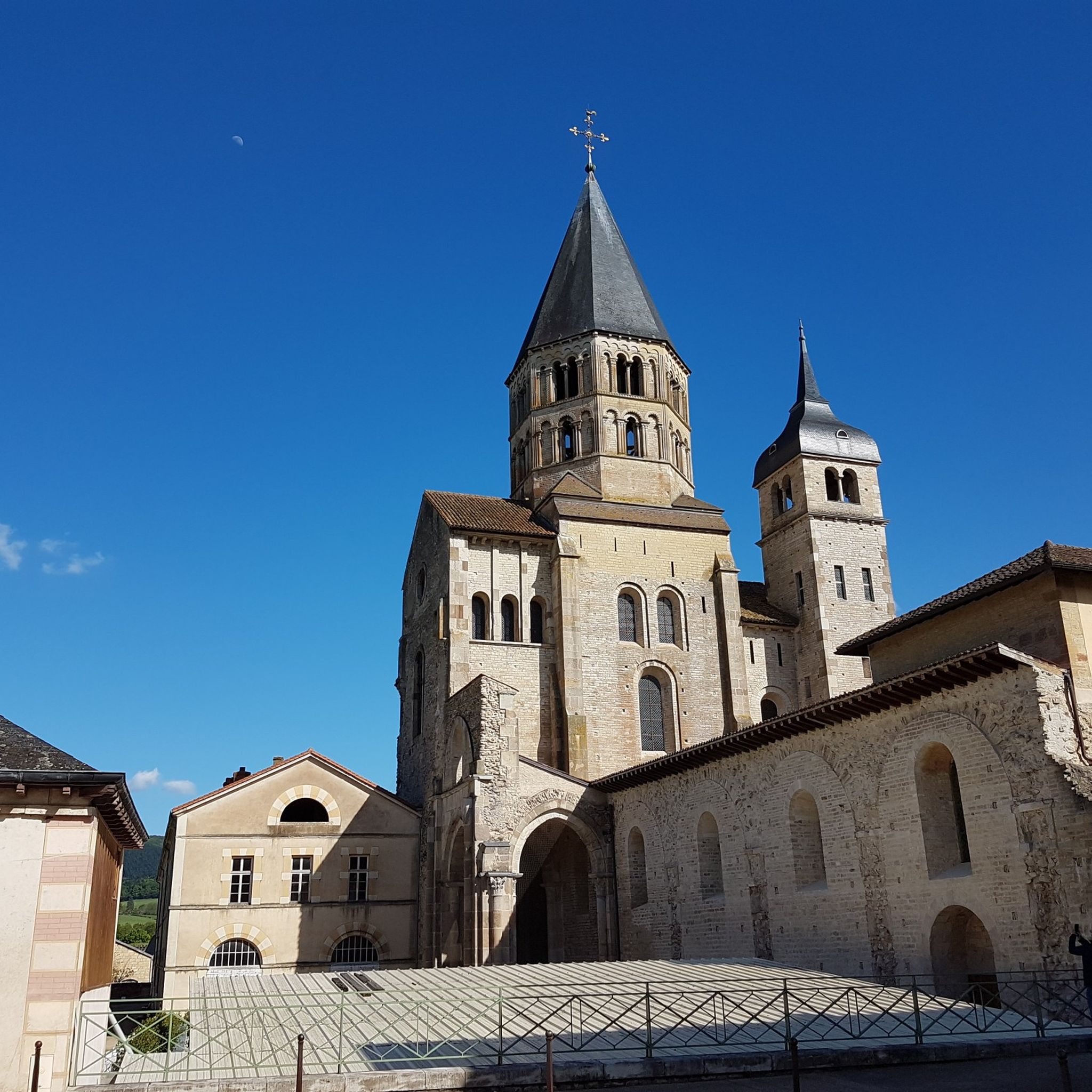
The Château de Cormatin is a magnificent early 17th-century water castle. The castle was built between 1606 and 1625 by the Marquises d'Huxelles. It houses the best-preserved state rooms from the time of Louis XIII in all of France. Famous are the "Gilded Rooms" (Salles Dorées) with lavish paintings, sculptures, and gold leaf ceilings. The extensive grounds, covering approximately 12 hectares, are among the most beautiful gardens in France. Highlights in the outdoor area include a large boxwood maze, an open-air baroque theatre, water features, and a historic vegetable garden.
3
0
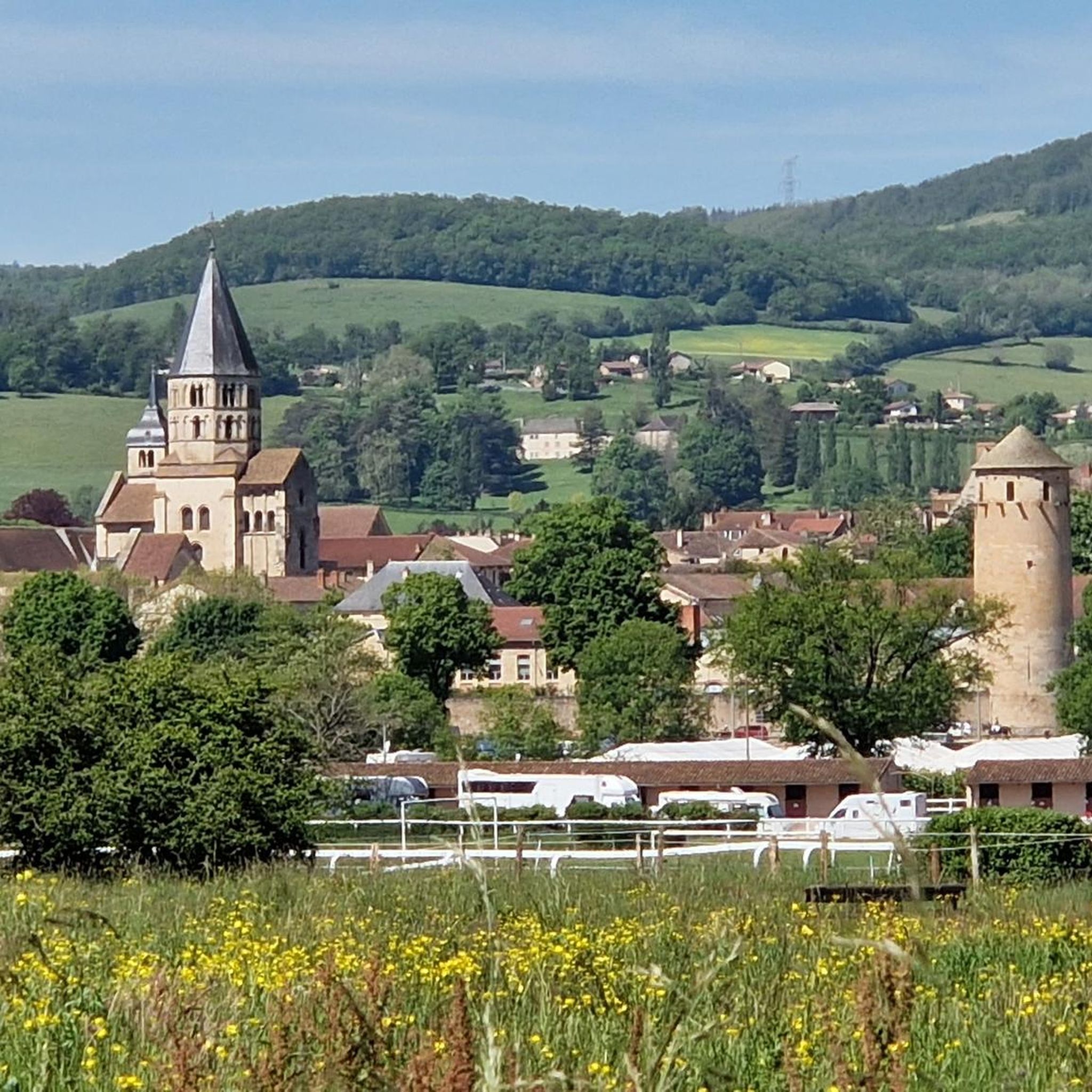
The Château de Berzé-le-Châtel (also known as Forteresse de Berzé) is the largest and best-preserved medieval castle in southern Burgundy. The site dates back to a 10th-century castrum and was strategically built on a rocky outcrop to protect the nearby powerful Abbey of Cluny. The fortress consists of three concentric walls and features 13 towers (including two keeps/donjons) as well as an imposing gatehouse. The heart inside is a remarkable Carolingian chapel.
1
0
The Château de Pierreclos is a historic Romanesque castle and a renowned winery. Its origins date back to the 9th to 11th centuries, beginning with a Romanesque chapel. In the 13th century, the complex was expanded into a medieval fortress. Today, it is protected as a private historical monument. The castle is situated on a rocky outcrop that has been used for viticulture since the 6th century. The Pidault family's winery produces organically certified white and red wines (including Pouilly-Fuissé and Mâcon-Pierreclos).
1
0
The Pierreclos Castle (Château de Pierreclos) is a historic, Romanesque castle complex and a renowned winery. The origins date back to the 9th to 11th centuries, starting with a Romanesque chapel. In the 13th century, the complex was expanded into a medieval fortress. It is now protected as a private historical monument. The castle is located on a rocky outcrop that has been used for viticulture since the 6th century. The Pidault family's winery produces organically certified white and red wines (including Pouilly-Fuissé and Mâcon-Pierreclos).
2
0
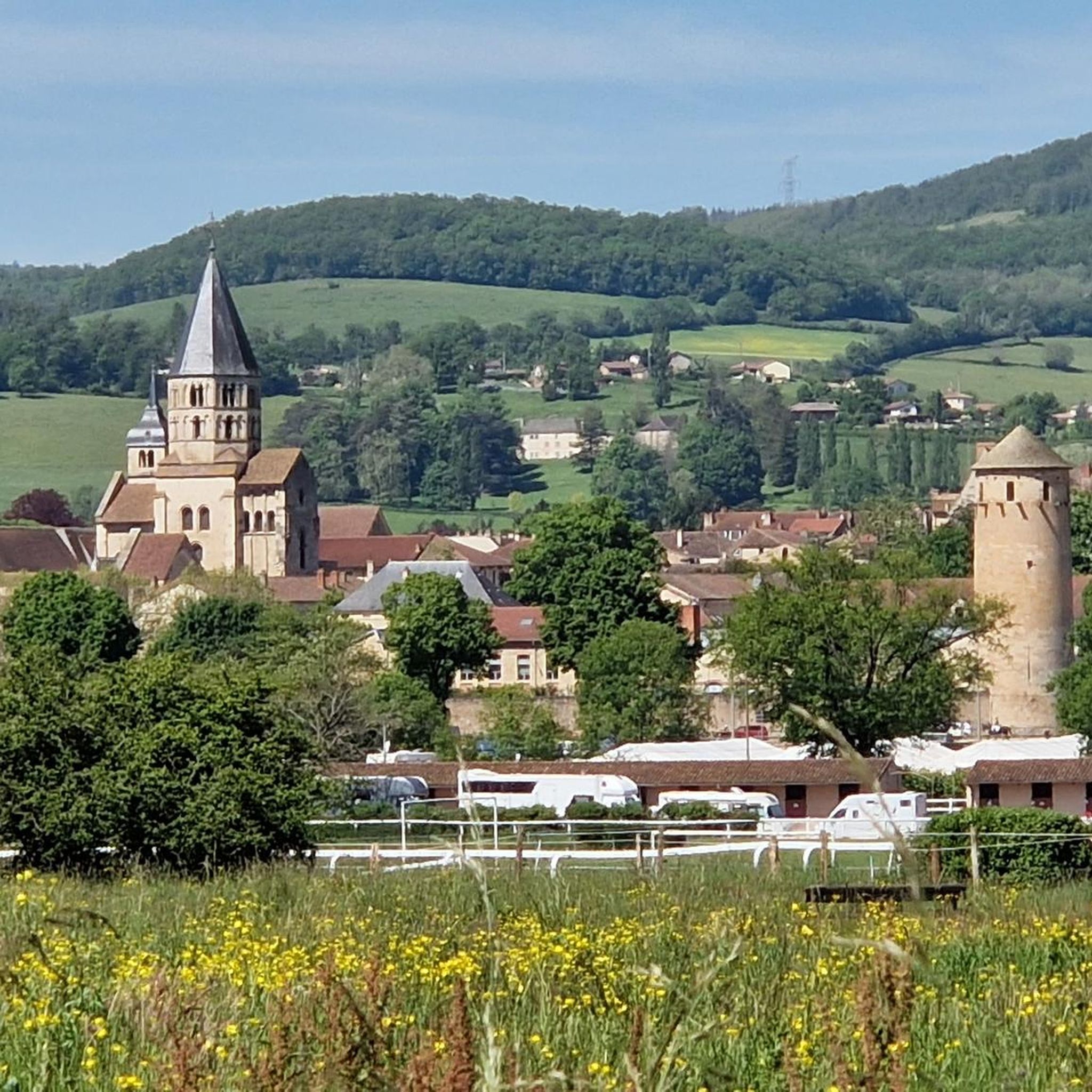
The current complex was built in the 15th century, after a predecessor had been destroyed on the orders of the French king. The irregular quadrilateral encloses a central courtyard. The striking north entrance, visible in the picture, is flanked by two mighty round towers equipped with gun loops (archères-canonniers) and was formerly protected by a drawbridge. The complex has been a listed Monument historique since 1967. Parts of the castle have been restored and are privately used as a charming guest house (Le Gros Chigy Château) for travellers in Burgundy.
1
0

Very beautiful castle. Feel free to visit the monks' chapel of Berzé la ville, with very beautiful paintings from the abbey of Cluny
1
0

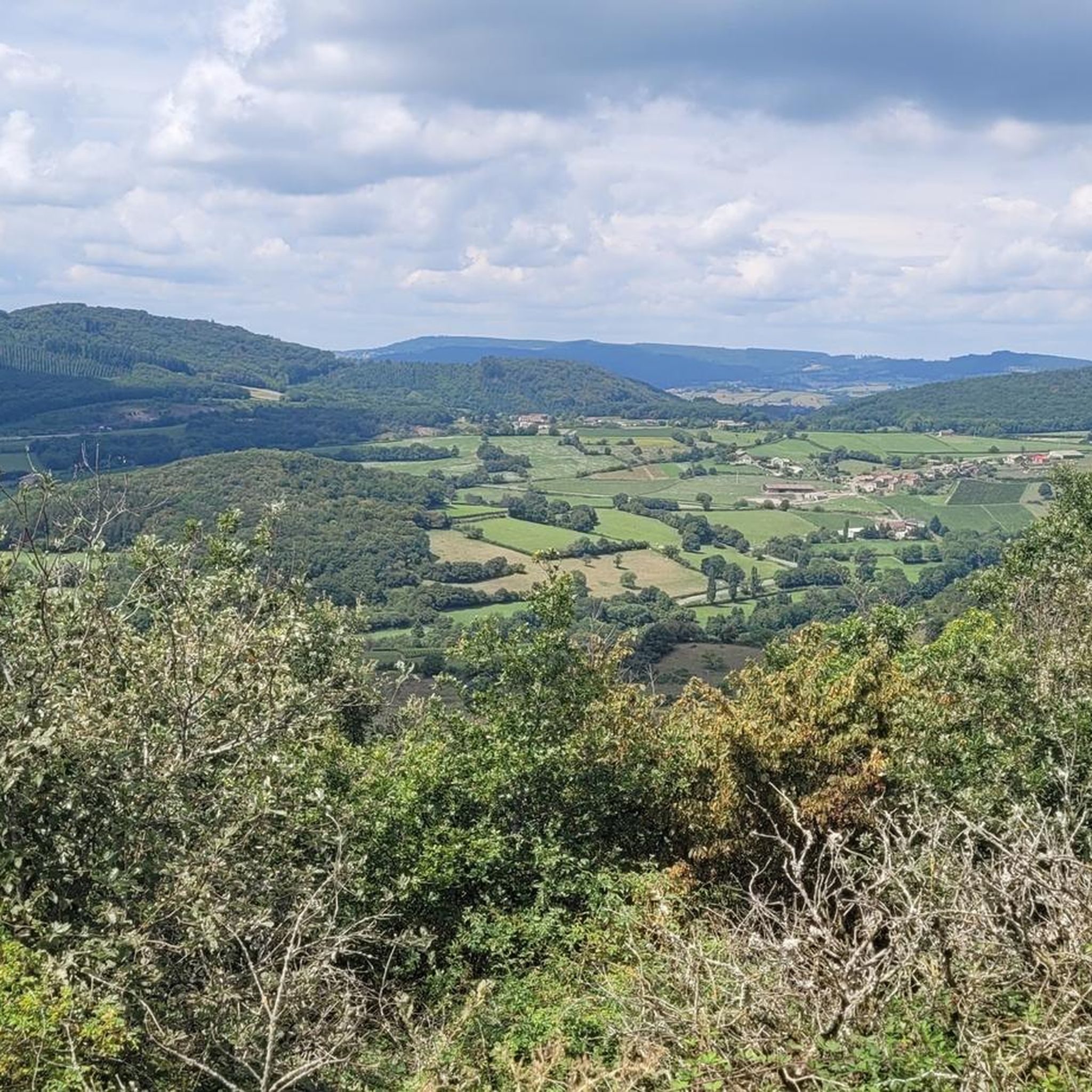
In the middle of the vineyards, on a rocky outcrop, stands this impressive Burgundy castle with a 1000-year history. The castle's property is made up of small vineyard plots that are cultivated organically. You can taste our wines: Pouilly-Fuissé, Saint-Véran, Mâcon-Pierreclos and Bourgogne rouge Pinot noir, as well as Burgundy specialties (ratafia, creme de pêche de vigne and creme de cassis) in the shop or in our wine cellars.
1
0
The residence of the Marquis d'Huxelles, built between 1606 and 1625, is home to the most sumptuous Louis XIII apartment preserved in France. Fireplaces, ceilings and wood panelling were painted, carved and gilded with sumptuous exuberance for the favourite of Queen Marie de Medici. Paintings, tapestries and period furniture complete this seductive evocation of "château life" at the time of the "Three Musketeers". The tour also reveals a monumental stone staircase (20 metres high), an 18th century kitchen and the opulent 1900s salons of an opera director. The garden, in the spirit of the Baroque period, offers 12 hectares of flowerbeds, a large boxwood labyrinth with aviary-belvedere, vegetable garden, green theatre, water features and remarkable trees.
4
1
Frequently Asked Questions
What kind of historical architecture can I expect to see at the castles near Cluny?
The castles around Cluny showcase a diverse range of historical architecture. You can explore robust medieval fortresses like the Medieval fortress of Berzé-le-Châtel, which features defensive systems with keeps and towers from the 11th to 15th centuries. In contrast, Cormatin Castle offers a glimpse into the opulent 17th-century aristocratic life with its lavish interiors and extensive gardens.
Which castle offers the best insight into medieval military architecture?
For a comprehensive experience of medieval military architecture, the Medieval fortress of Berzé-le-Châtel is highly recommended. Built between the 11th and 15th centuries, it boasts a remarkably preserved defensive system, including two keeps, 11 towers, and three enclosures, providing a tangible connection to the region's tumultuous past.
Where can I experience 17th-century aristocratic life and gardens?
You can experience the grandeur and elegance of the 17th century at Cormatin Castle. This magnificent castle is renowned for its opulent interiors, including beautifully preserved Louis XIII apartments, and its extensive gardens featuring a large boxwood labyrinth, a green theater, ponds, and flower beds.
Is there a castle near Cluny with a vineyard?
Yes, Pierreclos Castle is a historical site located in the middle of vineyards. This impressive Burgundy castle, with a 1000-year history, has its own vineyard plots cultivated organically. You can even visit its vinery shop inside the castle to taste local wines like Pouilly-Fuissé and Saint-Véran.
Are there family-friendly castles to visit near Cluny?
Absolutely! Cormatin Castle is very family-friendly, with its maze and gardens delighting children. The Medieval fortress of Berzé-le-Châtel also offers an engaging experience for families interested in medieval history and fortifications.
What is the best time of year to visit the castles around Cluny?
The best time to visit the castles around Cluny is generally during the spring (April to June) and autumn (September to October) months. During these periods, the weather is typically pleasant for exploring gardens and outdoor areas, and the crowds are often smaller than in peak summer. Summer (July-August) is also popular, but can be warmer.
What outdoor activities can I do near the castles around Cluny?
The region around Cluny offers various outdoor activities. You can find numerous hiking trails, including easy to moderate loops around Cluny Abbey. For cyclists, there are road cycling routes, such as the Buxy Station – Cormatin Castle loop, and mountain biking trails. Explore more options on the hiking guide, MTB guide, and road cycling guide for Cluny.
Are there options for dining or refreshments near the castles?
While specific cafes and restaurants vary by castle, many areas around the castles, especially in nearby towns like Cluny, offer dining options. The Medieval fortress of Berzé-le-Châtel even offers a catering service and a picnic area on-site, allowing visitors to enjoy refreshments amidst historical surroundings.
How accessible are the castles near Cluny by public transport?
Public transport options to the castles near Cluny can be limited, as many are situated in rural areas. While Cluny itself is accessible, reaching individual castles often requires a car. It's advisable to check specific castle websites or local tourist information for the most up-to-date public transport connections, as these can vary.
What are the parking options for visiting castles near Cluny?
Most castles near Cluny provide dedicated parking facilities for visitors, especially those that are open to the public. For example, Cormatin Castle has visitor parking. It's always a good idea to check the official website of the specific castle you plan to visit for detailed parking information and any potential fees.
Can I bring my dog to the castles or their grounds?
Policies regarding dogs vary by castle. While some castle grounds or gardens might allow leashed dogs, interiors are typically restricted. For instance, the gardens of Cormatin Castle might be accessible, but it's best to confirm directly with each castle before your visit to avoid disappointment.
Are there any castles that offer accommodation near Cluny?
Yes, some châteaux in the Cluny area, while not always traditional tourist attractions, function as high-end rental properties or hotels. For example, the Chateau at Cluny and Château de la Corbette offer luxurious holiday rentals. Additionally, Château de Gros Chigy is being converted to offer guest rooms.
Most popular attractions around Cluny

Get inspired with the komoot mobile app


Explore more
Looking for the best castles somewhere else? Discover other guides around Cluny:
