The best road cycling routes around Cerisé
4.3
(43)
1,943
riders
531
rides
Road cycling around Cerisé, located in the Orne department of Normandy, France, features varied terrain within a naturally picturesque region. The area is characterized by agricultural landscapes and pastoral scenery, forming part of the "Perche" territory and the Haute vallée de la Sarthe Natura 2000 conservation area. Routes often feature mostly paved surfaces, with options for different fitness levels, and are accessible from nearby towns like Alençon.
Best road cycling routes around Cerisé
- The most popular road cycling route is…
Last updated: July 4, 2026
4.5
(6)
40
riders
38.7km
01:38
210m
210m
Easy road ride. Great for any fitness level. Mostly well-paved surfaces and easy to ride.
5.0
(1)
37
riders
62.8km
02:31
300m
300m
Moderate road ride. Good fitness required. Mostly well-paved surfaces and easy to ride.

Sign up for free
2.0
(1)
32
riders
61.8km
02:32
340m
340m
Moderate road ride. Good fitness required. Mostly well-paved surfaces and easy to ride.
5.0
(1)
23
riders
60.2km
02:45
460m
460m
Moderate road ride. Good fitness required. Mostly well-paved surfaces and easy to ride.
24
riders
48.5km
01:59
210m
210m
Easy road ride. Great for any fitness level. Mostly well-paved surfaces and easy to ride.
Get access to more routes and recommendations from other explorers.
Sign up for free
Already have an account?
Our route recommendations are based on thousands of hikes, rides, and runs completed by other people on komoot.
Start today with a free account
Your next adventure awaits.
Login or Signup
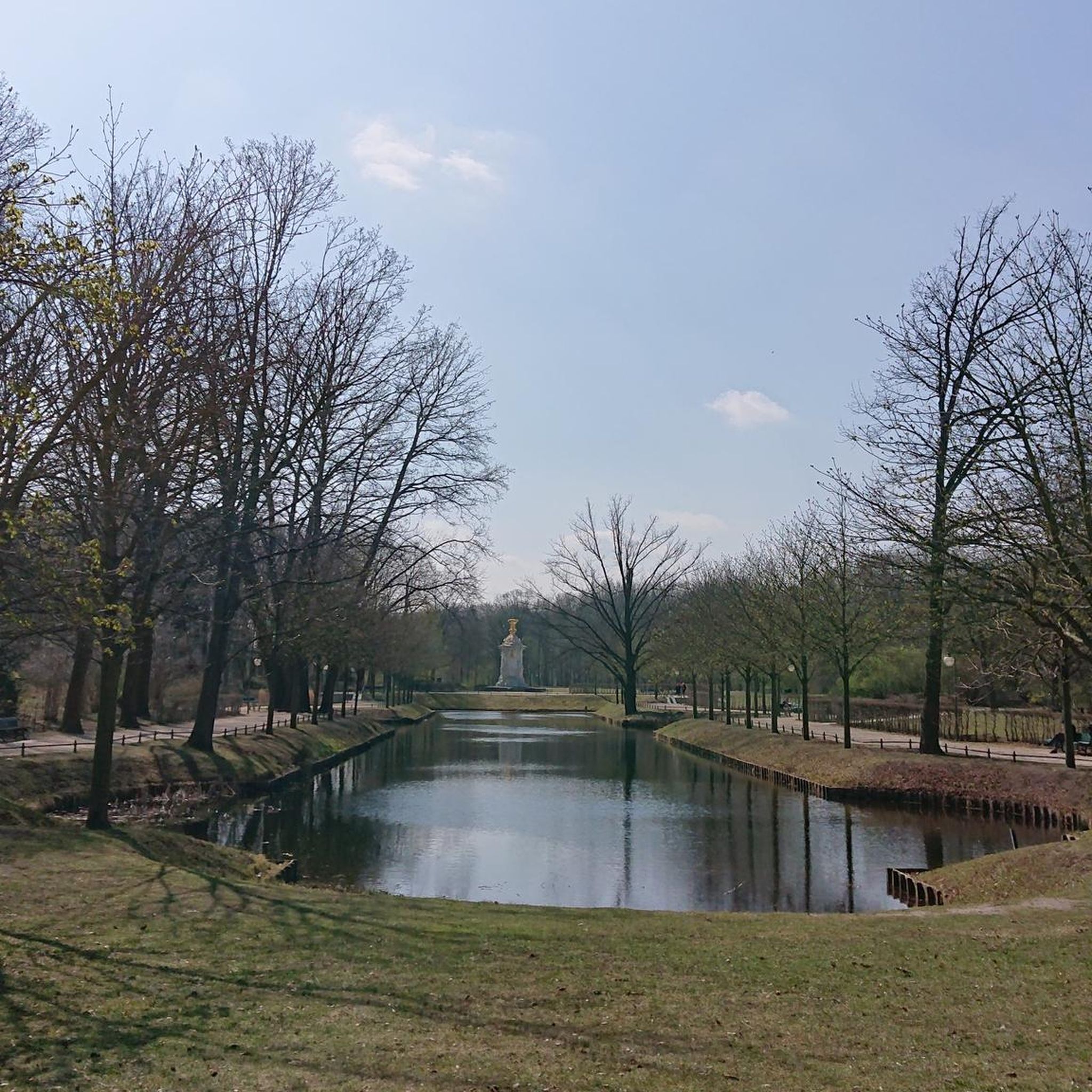

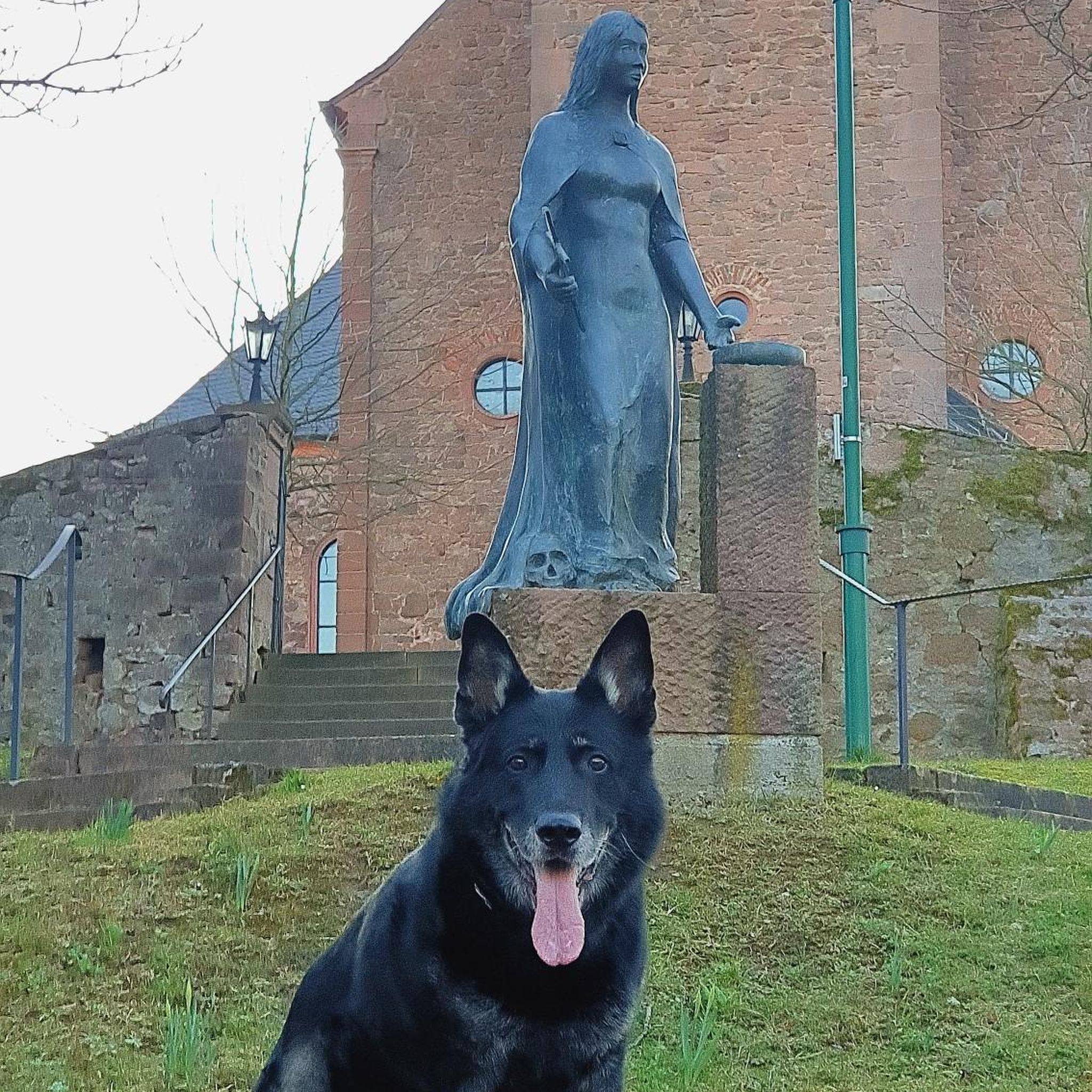
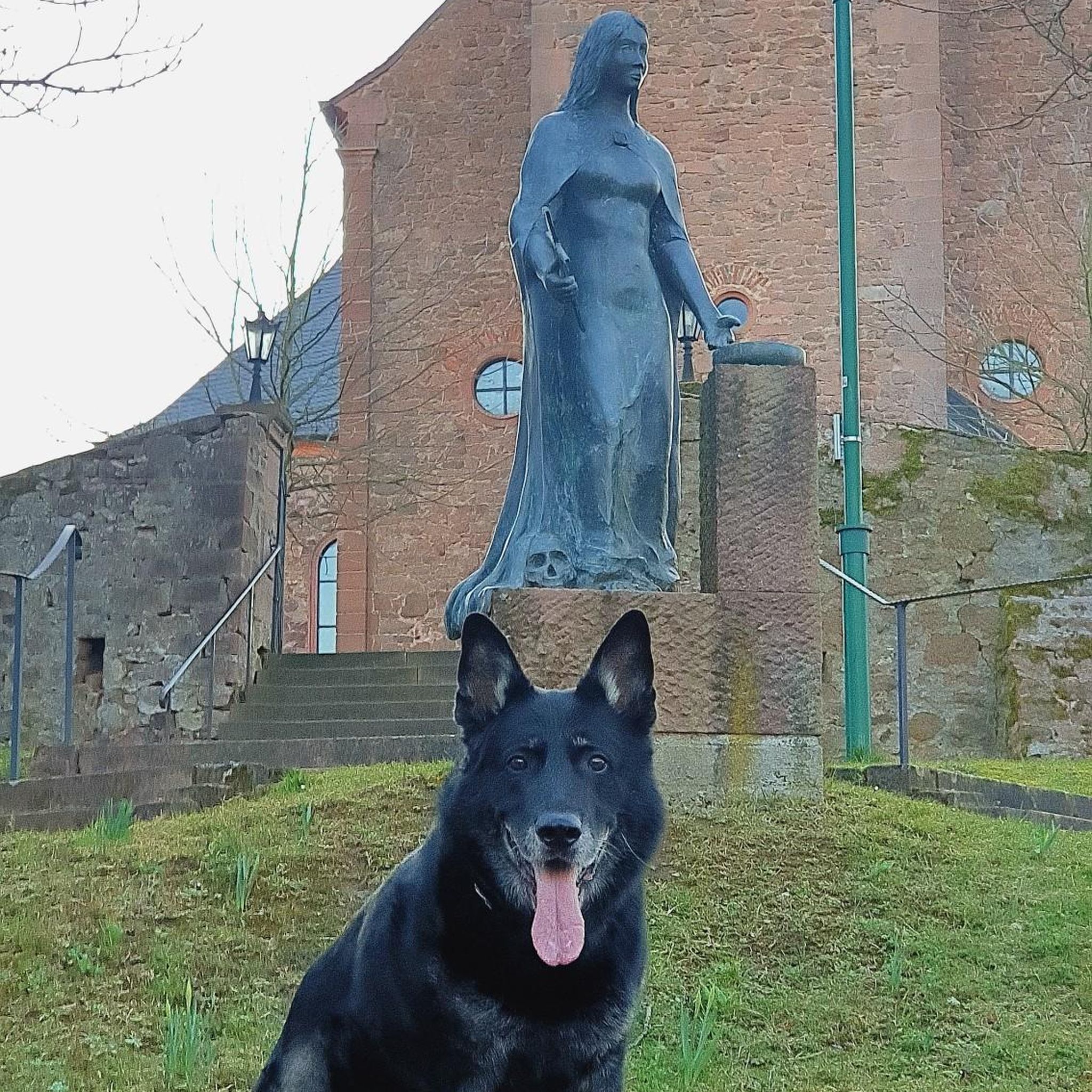

Tips from the Community

11th Century Church Worship was abolished in the parish of Chevain. The church was sold for 31,700 livres to the citizen of Villeray on 6 Vendémiaire, Year VII (September 27, 1799). The Chevain church, having been donated by Madame du Hameau de Villeray to the commune by notarial deed dated April 16, 1827, was restored to worship there on January 15, 1827. The parish was established as a branch parish.
0
0

2 perforations visible on the 12th photo of the Sherman M4A2 "Valois"
0
0

A very nice road bike.
0
0

shops and some small terraces with plenty of parking.
10
0
beautiful building
3
0
The building was built in 1827 by architect Dominique Devaux and was classified as a historic monument in 1975 Source Wikipedia
8
0

Small fine gravel soil, accessible by road bike
1
0
The Saint-Léonard church takes its name from the hermit Saint Léonard de Vandoeuvre. The latter, born at the end of the 5th century, left his family to serve God and settled in a place called Vandoeuvre, in Saint-Léonard-des-Bois, where he lived in austerity for several years. Joined by a few disciples, he built a monastery protected by King Clotaire. The relics of Saint Leonard, who died in 570, were transported in 868 to Corbigny by the monks of Vandoeuvre to preserve them from the Normans. Part of these was undoubtedly returned around 1025 thanks to the second lord of Alençon, William I, and deposited in an old chapel dedicated to Saint Martin located on the site of the current Saint-Léonard church. This saint is often invoked to cure deafness. A first Saint-Léonard church, attested between 1160 and 1182, was probably built very close to the Saint-Martin oratory. This disappeared around the middle of the 13th century in forgotten circumstances, but parish life remained concentrated in the chapel until the end of the 15th century. It is on the latter that the current church was built, in tertiary ogival style and flamboyant Gothic interior, by Duke René d'Alençon and his wife Marguerite de Lorraine. Most of the work took place from 1490 to 1505 and it was this same year that the building was placed under the name of Saint Leonard de Noblac, a character then more popular than Saint Leonard de Vandoeuvre. On the stained glass windows of one of the eleven side chapels, which was for a certain time dedicated to Louis IX, ancestor of the counts and dukes of Alençon, and on the walls, appeared the coats of arms of the houses of Alençon and Lorraine, today now disappeared. It was in this chapel that the duchess and the duke attended services and in which a fireplace was built for them which no longer exists. After René's death, his heart is placed in a lead box, itself in the shape of a heart, covered with a stone. When around 1510, René's heart was transferred to the church of Saint-François de Mortagne, the empty box was left in his vault. In 1776, the stone, which also bears the imprint of a heart, was removed, then put back in its place, and this imprint, erased by the friction of the feet, no longer exists except in memory. In 1562, the church was pillaged by Protestants. At Easter 1645, Hertré's granite vault collapsed. Replaced by a simple plaster cradle, it was not until 1836 that a new Gothic style vault was built. The main door was built in 1663 and the clock was installed in 1727. Until 1789, this church depended on Notre-Dame and did not have a baptismal font. The carved wooden altar and pulpit, two side consoles and some mostly modern stained glass windows, deserve the tourist's attention. The Saint-Léonard church, restored in the 17th-18th centuries, then completely refurbished in the 19th century by the architect Isidore Dédaux, is classified among the historic monuments.
0
0
Frequently Asked Questions
How many road cycling routes are available around Cerisé?
There are over 500 road cycling routes around Cerisé listed on komoot, offering a wide variety of options for different skill levels and preferences.
What kind of terrain can I expect on road cycling routes near Cerisé?
Road cycling routes near Cerisé feature varied terrain, characterized by agricultural landscapes and pastoral scenery. You'll find mostly paved surfaces, with options ranging from gentle river valleys to more challenging hilly sections, especially towards the Forêt d'Écouves.
Are there easy road cycling routes suitable for beginners around Cerisé?
Yes, Cerisé offers a good selection of routes suitable for beginners. There are over 100 easy road cycling routes available, often featuring minimal uphill climbs and scenic views through the Haute Vallée de la Sarthe Natura 2000 conservation area.
What are some challenging road cycling routes near Cerisé?
For those seeking a challenge, the region offers routes with significant elevation gain. The Forêt d'Écouves, for instance, includes hilly sections, and the Saint-Cénéri-le-Gérei – Saint-Léonard-des-Bois loop from Alençon is a moderate route with over 530 meters of elevation gain, providing a good workout.
What do other road cyclists enjoy most about cycling in Cerisé?
The road cycling experience around Cerisé is highly rated by the komoot community, with an average score of 4.2 stars from over 30 reviews. Cyclists often praise the varied terrain, the picturesque agricultural and pastoral landscapes, and the well-paved surfaces that ensure a smooth ride.
Are there any circular road cycling routes available?
Yes, many of the routes around Cerisé are designed as loops, allowing you to start and finish in the same location. An example is the St. Madeleine Church – Saint Leonard's Church loop from Alençon, which covers 63 kilometers through the Norman countryside.
What natural features or landmarks can I see along the road cycling routes?
The region offers diverse natural beauty and historical landmarks. You can explore the extensive Forêt d'Écouves, which includes the Signal d'Écouves, the highest point in Normandy. Along routes, you might also encounter highlights such as the Castle of the Dukes of Alençon or the Carrefour du Chêne au Verdier.
Is Cerisé well-connected to long-distance cycling networks?
Yes, Cerisé's location places it near major long-distance cycling networks. The renowned La Véloscénie, connecting Paris to Mont-Saint-Michel, passes through the wider area, utilizing quiet roads and greenways. La Vélo Francette, from Ouistreham to La Rochelle, also traverses the region, offering diverse scenery.
Where can I find parking for road cycling routes near Cerisé?
Many road cycling routes are accessible from nearby towns like Alençon, which offers various parking options. Routes often start from central points, making it convenient to park and begin your ride.
Are there family-friendly road cycling routes in the Cerisé area?
While specific family-friendly routes are not explicitly highlighted, the presence of over 100 easy routes with minimal climbs suggests options suitable for families. The tranquil river valleys and quiet country lanes, particularly in the Haute Vallée de la Sarthe, can provide a pleasant experience for all ages.
What is the best time of year for road cycling around Cerisé?
The region is generally pleasant for cycling from spring through autumn. Spring brings blooming landscapes, while autumn offers beautiful foliage. Summer is also popular, but it's always advisable to check local weather forecasts, especially for warmer days.
Most popular attractions around Cerisé

Get inspired with the komoot mobile app


Explore more
Browse the best Road cycling routes in other regions.
