The best road cycling routes around Le Conquet
4.2
(51)
1,470
riders
86
rides
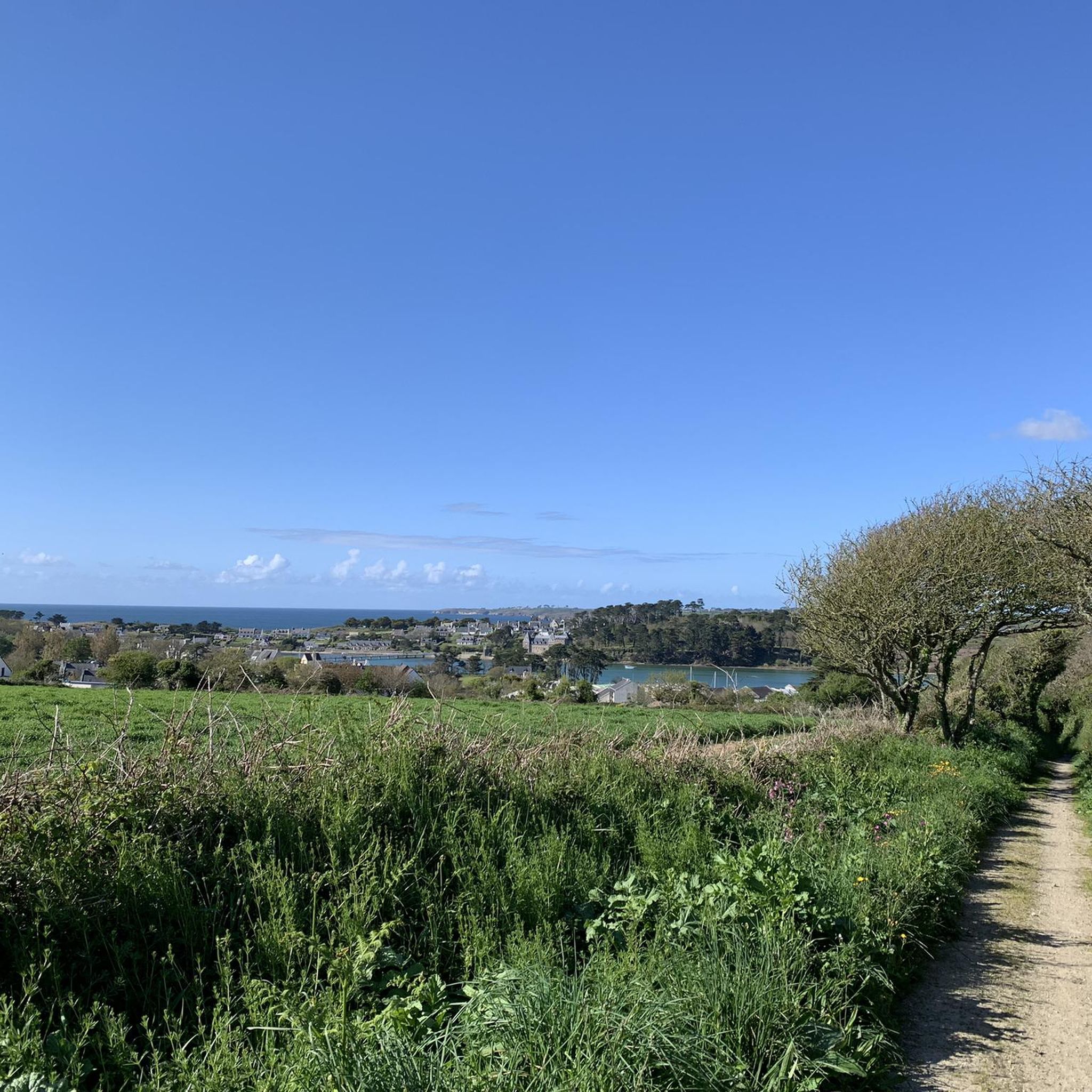
Road cycling around Le Conquet, situated at the westernmost tip of Brittany, offers diverse terrain characterized by dramatic coastal landscapes and historical maritime features. The region features a network of mostly paved routes, including asphalt and paved sections, with varying elevation gains. Cyclists can navigate routes that provide panoramic views of the Atlantic Ocean, rocky coastlines, and significant landmarks such as lighthouses and bays. The area's geography includes peninsulas, islands, and a large enclosed bay, providing a varied backdrop for…
Last updated: July 4, 2026
3.3
(7)
41
riders
71.6km
03:06
600m
600m
Moderate road ride. Good fitness required. Mostly well-paved surfaces and easy to ride.
4.0
(1)
35
riders
42.9km
01:54
400m
400m
Moderate road ride. Good fitness required. Mostly well-paved surfaces and easy to ride.

Sign up for free
5.0
(1)
17
riders
31.4km
01:27
290m
290m
Easy road ride. Great for any fitness level. Mostly well-paved surfaces and easy to ride.
13
riders
14.8km
00:39
120m
120m
Easy road ride. Great for any fitness level. Mostly well-paved surfaces and easy to ride.
4.0
(2)
11
riders
105km
04:48
890m
890m
Moderate road ride. Good fitness required. Some segments of this route may be unpaved and difficult to ride.
Get access to more routes and recommendations from other explorers.
Sign up for free
Already have an account?
Our route recommendations are based on thousands of hikes, rides, and runs completed by other people on komoot.
Start today with a free account
Your next adventure awaits.
Login or Signup
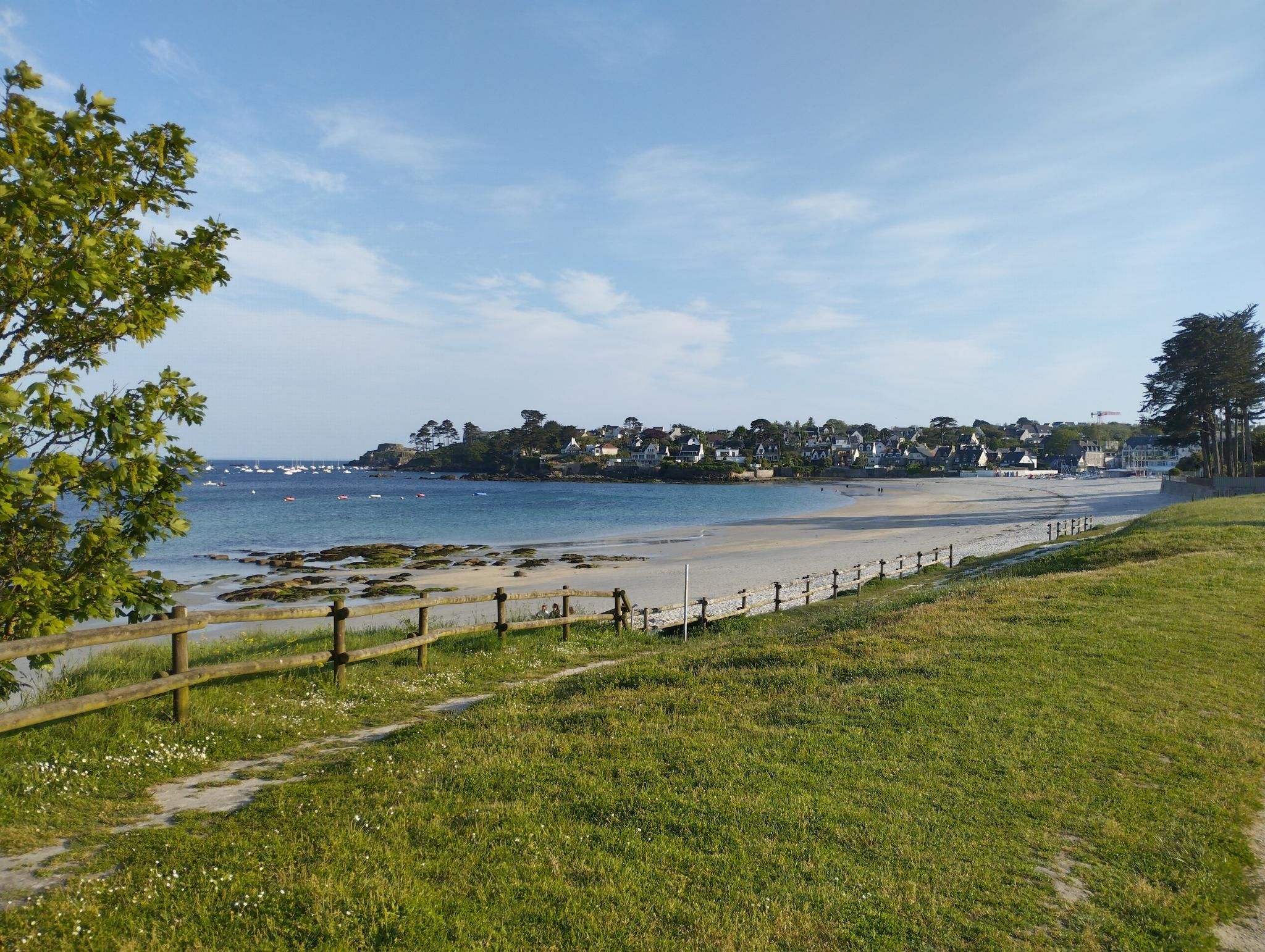
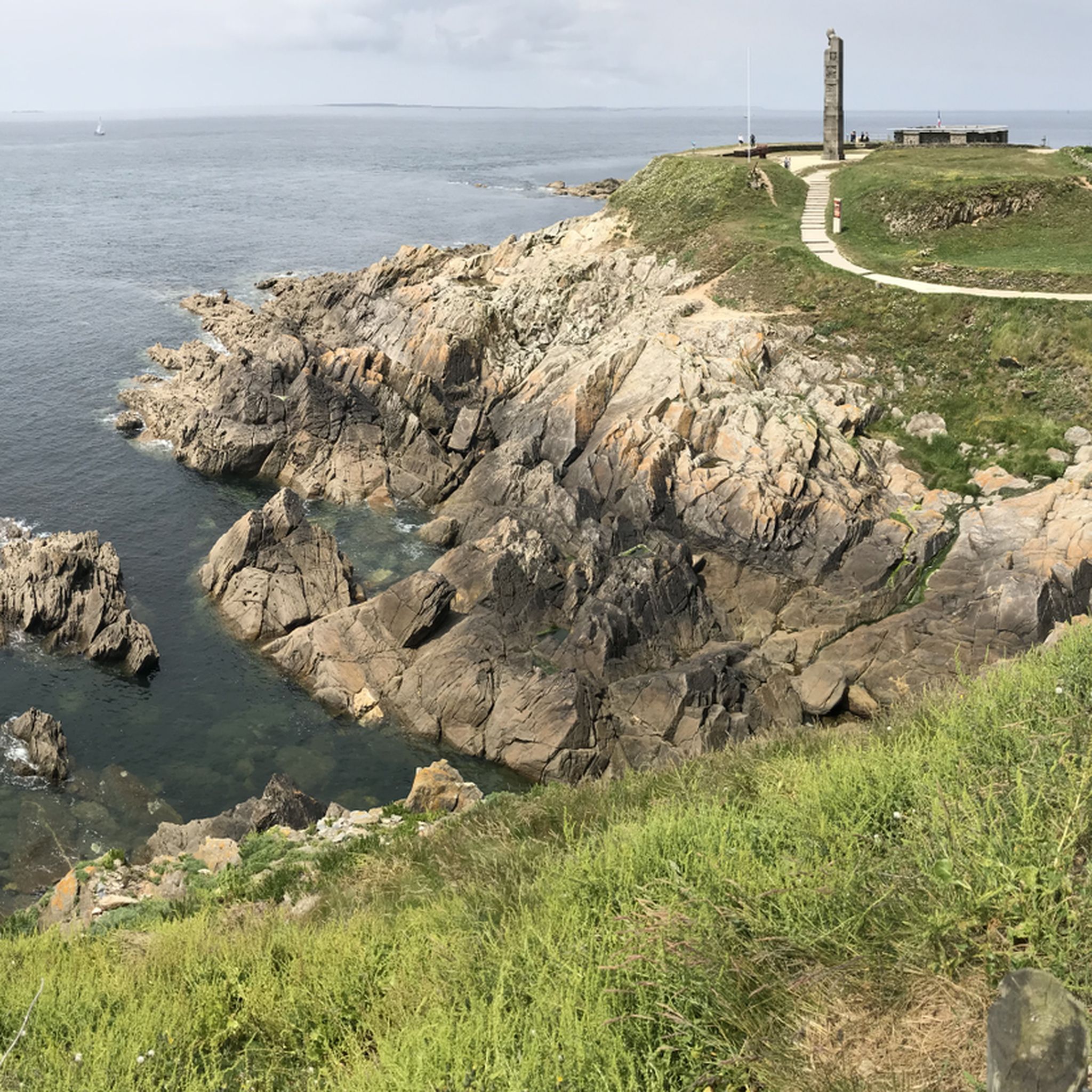
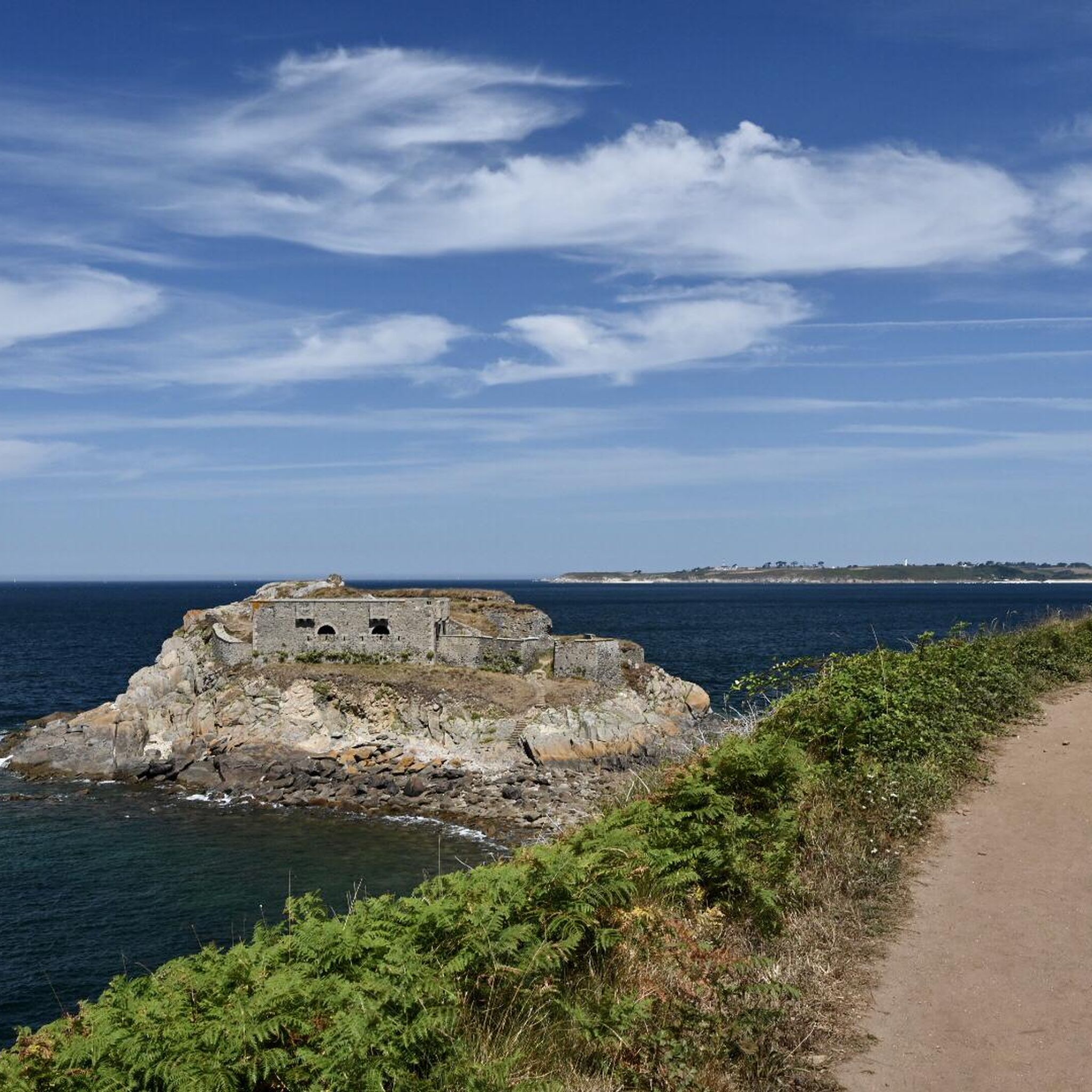
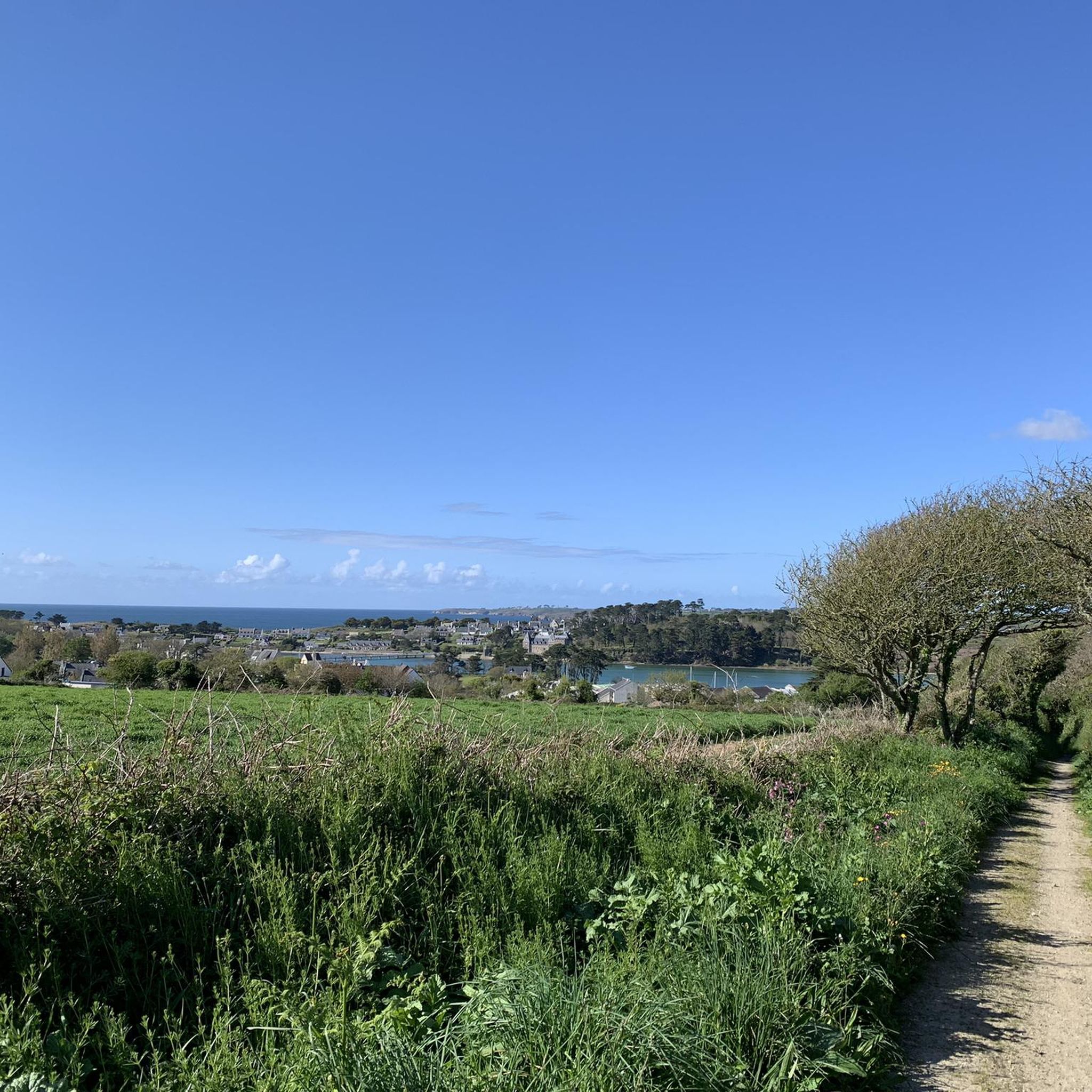

Other adventures around Le Conquet

Tips from the Community

Phare de Saint-Mathieu is the name of a lighthouse in the village of Saint-Mathieu on the Saint-Mathieu Point in Plougonvelin in the Finistère department. It was built on the site of the former Saint-Mathieu Abbey. Its theoretical range is 29 nautical miles, which is approximately 55 kilometers. Together with the Kermorvan lighthouse, it indicates the Passage du Four (Chenal du Four), an important north-south passage from or to the Iroise Sea, which runs between the mainland and the island of Ouessant, thus saving about two days of travel time. In conjunction with the Portzic lighthouse, it illuminates the entrance to the Bay of Brest. The lighthouse has been listed as a French Historic Monument since May 23, 2011. It is open to the public. Just west of the lighthouse is the Sémaphore de la Pointe Saint-Mathieu.
1
0
A sign says: everyone travels at the same speed here. So cycling is allowed, but at walking pace.
1
0
Unfortunately, there's no restaurant. But the Breton cakes and biscuits are divine.
1
0

practical footbridge over the harbor allowing you to reach Le Conquet
0
0

beautiful view for a short stop, bench facing the sea. otherwise restaurant bar with terrace facing the port
0
0

The church of Plouzané is dedicated to Saint Sané, who can be identified with Senan, a bishop who came from Ireland in the 6th century to evangelize the Breton peninsula. Built on the probable site of an ancient temple, nothing remains of the earlier edifice. The current church, the work of Pierre Besnard, a civil engineer, dates from 1781 and was restored after damage in 1944. The overall plan exudes a severe nobility. The nave, with three aisles and four bays, widens into the transepts and choir, which end in semicircles. The space is divided by eighteen square piers supporting semicircular arches. The pavement is composed of numerous reused tombstones. The west portal is a monumental construction with Doric columns with a triangular pediment and, above, a circular floor with a balustrade, square tower and pyramidal spire framed by pinnacles.
1
0
Please note: following Storm Ciaran (over 200 km/h), which damaged the building on November 2, 2023, the church is temporarily closed to both worship and visits. Latin cross plan with three naves. Flat chevet flanked to the north and south by two single-story sacristies. Bell tower with two galleries and two bell chambers, supported by an octagonal spire framed at its base by four pinnacles. The main structure is made of granite and quartz microdiorite ashlar. Four-bay nave covered with yellow-painted wainscoting with white ribs. Pointed arches extending directly into the columns. Chancel flanked by two side chapels opening onto the transept. Floor covered with granite and schist slabs. The church dates from the mid-19th century. It presents itself as a homogeneous ensemble in the Flamboyant Neo-Gothic style. The church houses the tomb of Michel de Nobletz, a famous 17th-century preacher in Lower Brittany. Stained-glass windows adorn the windows and are divided into three distinct groups: the main window of the choir, which brings together 16th-century remains from the church of Lochrist; two hagiographic stained-glass windows, works by Robert Micheau-Vernez, in 1930-32; and finally, twelve stained-glass windows, designed in 1960 and 1971 by the glass painter Jacques Bony. The building was constructed between 1856 and 1859 based on plans by the diocesan architect Joseph Bigot, by the contractor Jézéquel, using materials from the original Saint-Christophe chapel and the Lochrist chapel from the 15th, 16th, and 17th centuries. The western façade dates from 1856.
0
0

Small church in the town center of Plougonvelin. Destroyed during the bombings of 1944, it was restored between 1948 and 1951.
0
0
Frequently Asked Questions
How many road cycling routes are available around Le Conquet?
Le Conquet offers a selection of 12 road cycling routes, catering to various skill levels. These include 2 easy routes, 8 moderate routes, and 2 difficult routes, ensuring there's something for every cyclist.
What kind of terrain can I expect on road cycling routes in Le Conquet?
The terrain around Le Conquet is characterized by dramatic coastal landscapes and historical maritime features. Routes are mostly paved, featuring asphalt sections with varying elevation gains. You'll encounter panoramic views of the Atlantic Ocean, rocky coastlines, and significant landmarks. Be prepared for some short but demanding climbs, especially on routes leading into Le Conquet from areas like Lanildut.
Are there any easy road cycling routes suitable for beginners or families?
Yes, there are easy routes perfect for beginners or families. For instance, the Rue Pavée de Locronan – View of the Rocky Coast loop from Le Conquet is an easy 14.8 km (9.2 miles) trail that takes about 38 minutes. Another accessible option is the Bois de Pont du Chateau – Stèle de Dele Braz loop from Le Conquet, covering nearly 30 km with gentle elevation changes.
What are the most scenic landmarks or attractions to see along the road cycling routes?
Le Conquet's routes offer breathtaking views and historical sites. You can cycle past the iconic Saint-Mathieu Lighthouse and the nearby Ruins of Saint-Mathieu Abbey. The Croaë Footbridge over the Le Conquet Estuary offers peaceful views, and the Kermovan Lighthouse on the Kermorvan Peninsula is another highlight. Many routes also provide stunning vistas of the Iroise Sea and the Rade de Brest.
Are there any challenging road cycling routes for experienced riders?
Absolutely. For experienced riders seeking a challenge, the View over the Aber Wrac'h – Crique loop from Le Conquet is a difficult route spanning over 120 km with significant elevation gain, offering a demanding yet rewarding experience.
What do other cyclists say about road cycling in Le Conquet?
The road cycling routes around Le Conquet are highly regarded by the komoot community, with an average rating of 3.7 out of 5 stars from over 30 reviews. Cyclists often praise the dramatic coastal scenery, the variety of routes for different skill levels, and the historical landmarks encountered along the way.
Are there circular road cycling routes available?
Yes, many of the routes around Le Conquet are designed as loops, allowing you to start and end in the same location. Examples include the Crique – View of the Rocky Coast loop from Le Conquet, a 55.1 km route, and the View of the Rocky Coast – Saint-Mathieu Lighthouse loop from Le Conquet, which is 34.2 km.
Where can I find parking for road cycling routes in Le Conquet?
Le Conquet, being a popular tourist destination, offers various parking options within the town. Many routes start directly from Le Conquet, making it convenient to park your vehicle and begin your ride. Specific parking areas are usually available near the town center or close to major attractions like the Pointe de Saint-Mathieu.
What is the best time of year to go road cycling in Le Conquet?
The best time for road cycling in Le Conquet is generally from spring to early autumn (April to October). During these months, the weather is milder and more predictable, offering pleasant conditions for coastal rides. Summer provides the warmest temperatures but can also be busier with tourists. Always check local weather forecasts before heading out, as coastal conditions can change rapidly.
Can I combine road cycling with other outdoor activities in Le Conquet?
Absolutely! Le Conquet's diverse landscapes are perfect for combining road cycling with other activities. The region offers numerous coastal paths ideal for hiking or trail running. The Croaë Footbridge is exclusively for pedestrians and cyclists, offering peaceful strolls. The Arlan Beach and Plage des Blancs-Sablons on the Kermorvan Peninsula provide opportunities for water sports or simply relaxing by the sea.
Are there places to eat or drink along the road cycling routes?
While specific cafes directly on every route are not guaranteed, Le Conquet itself offers a charming selection of cafes, restaurants, and pubs where you can refuel before or after your ride. Many routes pass through or near small villages where you might find local establishments. Planning your route to include a stop in Le Conquet or a nearby town is recommended for refreshments.
Most popular routes around Le Conquet
Most popular attractions around Le Conquet

Get inspired with the komoot mobile app


Explore more
Browse the best Road cycling routes in other regions.
