Top 12 Castles around Magny-En-Vexin
Best castles around Magny-En-Vexin are situated within the Vexin Regional Nature Park, an area known for its historical landscape and natural beauty. This region offers a chance to explore significant historical sites, including structures dating back to medieval times. The commune of Magny-en-Vexin serves as a central point for accessing these historical landmarks. The surrounding area features a blend of architectural styles and historical narratives, providing diverse exploration opportunities.
Best castles around Magny-En-Vexin
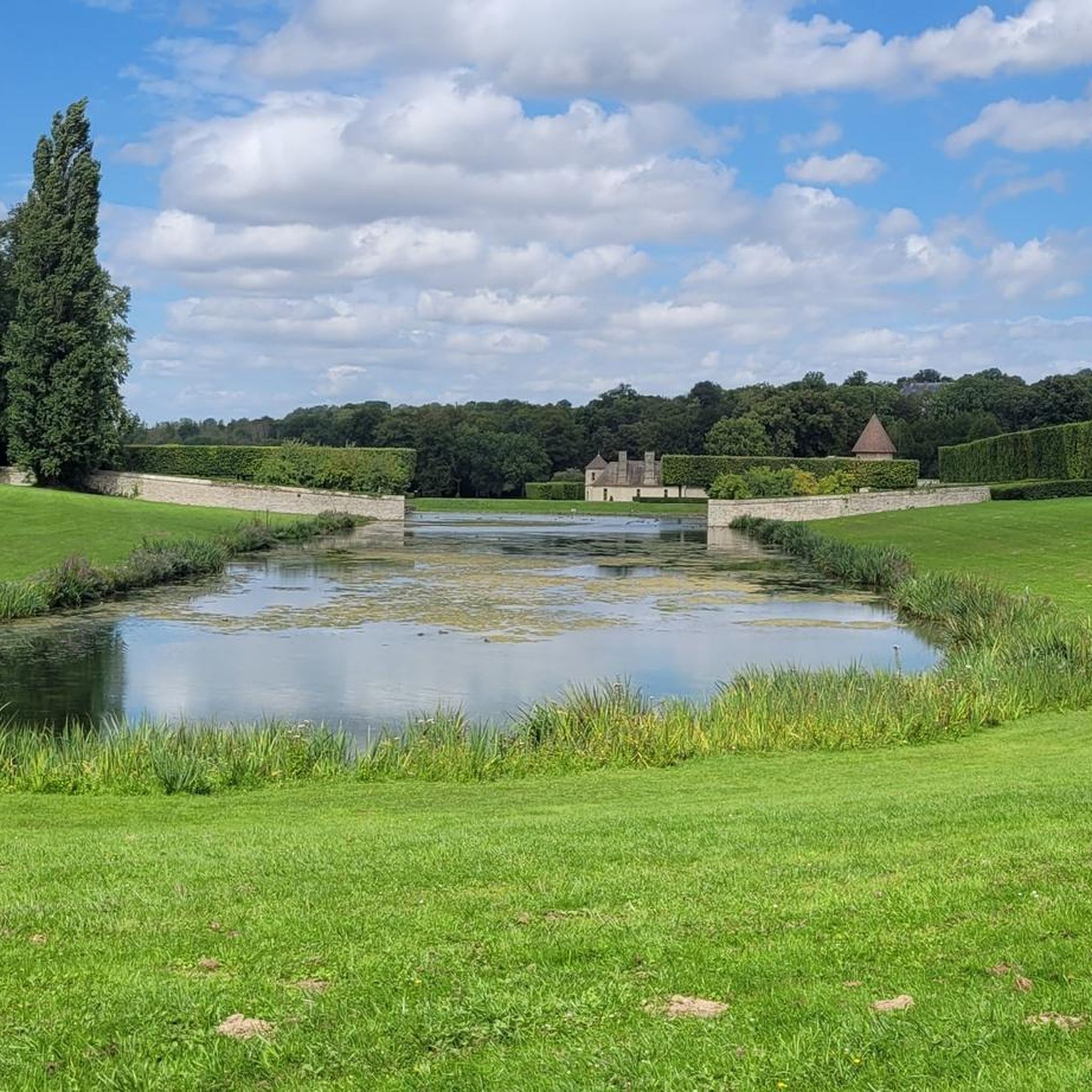
- The most popular castles is Villarceaux Estate, a castle that features immaculately manicured gardens and magnificent architecture. This estate is known for its 70-hectare park and two castles, including a 16th-century manor and an 18th-century residence.
- Another must-see spot is Château de Théméricourt, a castle with a park and pond. Visitors can explore its park with a pond and observe its unique 15th-century architecture, which includes two main buildings arranged at right angles and flanked by four turrets.
- Visitors also love Moussy Castle, a small castle with a strong entrance framed by two round towers. Its distinctive entrance and architectural details make it a visually interesting site.
- Magny-En-Vexin is known for medieval fortifications, Renaissance manor houses, and 18th-century residences. Visitors can explore structures ranging from medieval ruins to elegant 18th-century estates.
- The castles around Magny-En-Vexin are appreciated by the komoot community, with more than 150 upvotes and 20 photos shared by visitors.
Last updated: July 7, 2026
Château de Théméricourt
Highlight • Castle
Translated by Google •
Tip by

Moussy Castle
Highlight • Castle
Translated by Google •
Tip by

Sign up now to discover places like this
Get recommendations on the best single tracks, peaks, & plenty of other exciting outdoor places.
Sign up for free
Villarceaux Estate
Highlight • Castle
Built in the 17th century, the chateau has housed prominent French figures such as author Ninon de Lenclos and Madame de Maintenon, the future wife of King Louis XIV.
Today, the Domaine is open to the public for free from 2pm to 6pm Tuesday - Sunday. You can find more information, here: villarceaux.iledefrance.fr
Tip by

Guiry-en-Vexin Castle
Highlight • Castle
After being listed as historical monuments by decree of July 11, 1942 with its park, the castle, the avenue, the main courtyard, the outbuildings, the orchard and various elements of the park are classified by decree of March 14, 1944; then two constituent parcels of the avenue du château are classified by decree of December 10, 2001. Consequently, the park simply remains registered, and the castle with all the rest of the estate is classified
Translated by Google •
Tip by

Castle of Château-sur-Epte
Highlight • Castle
Translated by Google •
Tip by

Sign up for free to discover even more castles around Magny-En-Vexin.
Sign up for free
Already have an account?
Start today with a free account
Your next adventure awaits.
Login or Signup
Tips from the Community

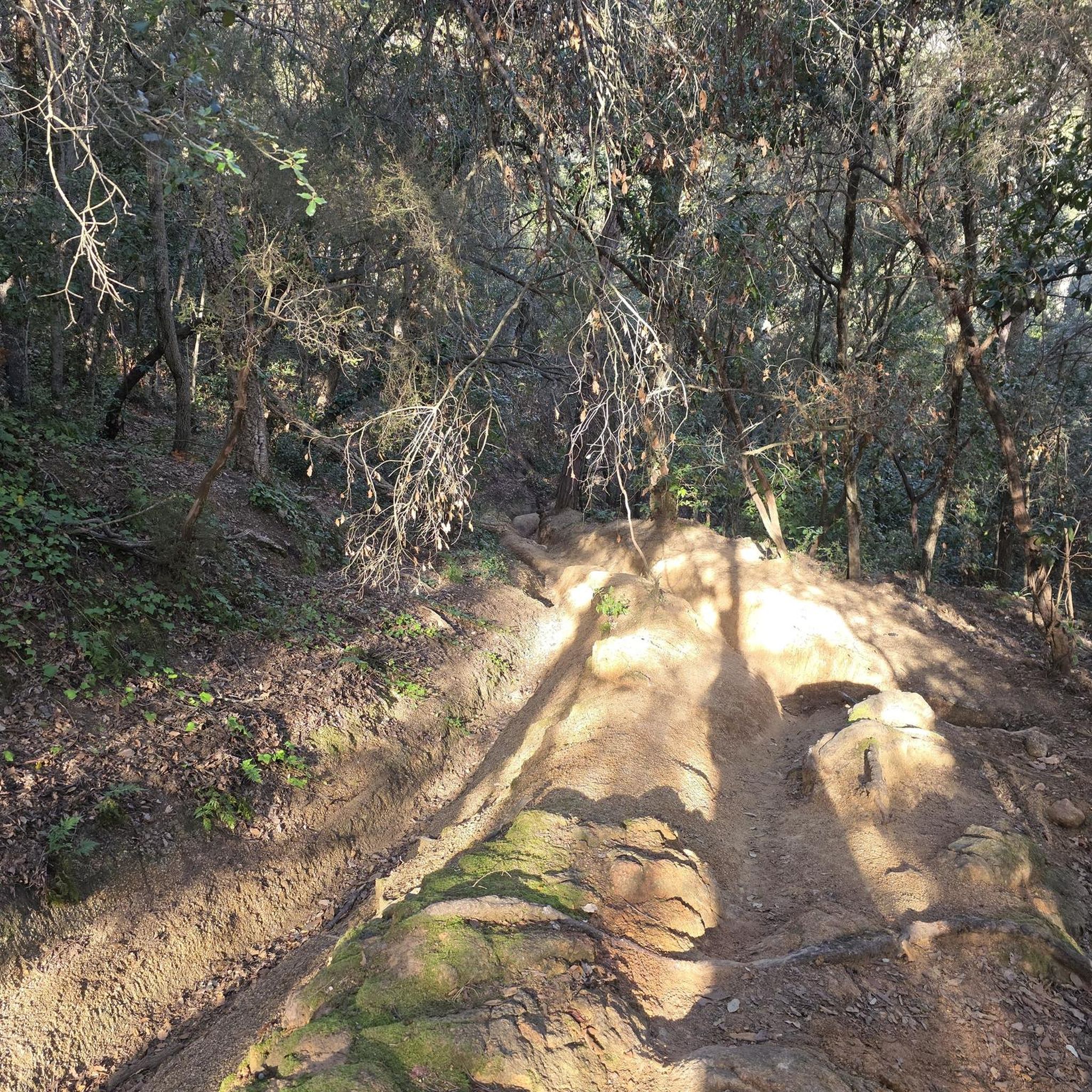
Please note: if you want to park there to go hiking, the car park is currently only open from 2:00 p.m. on Sundays.
0
0

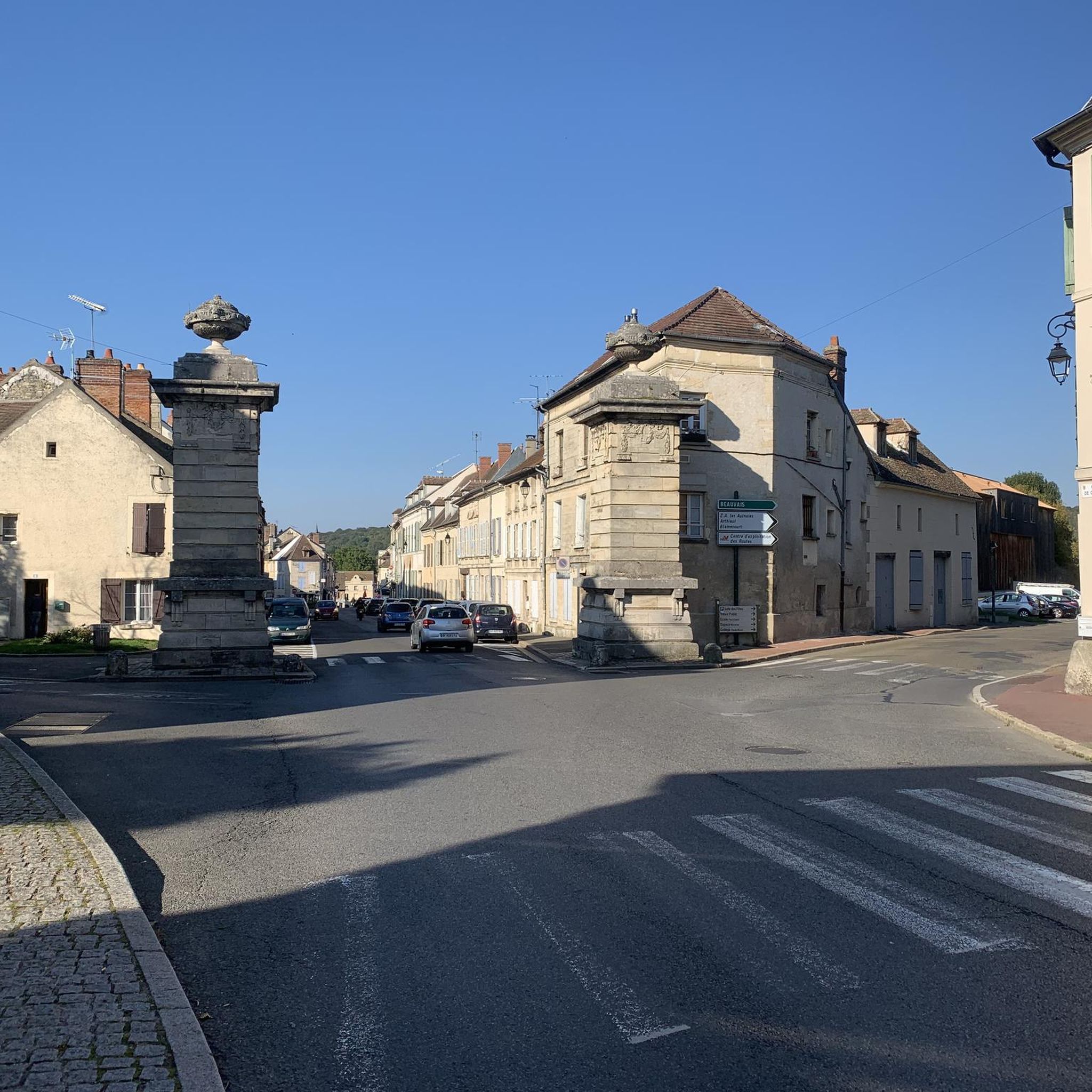
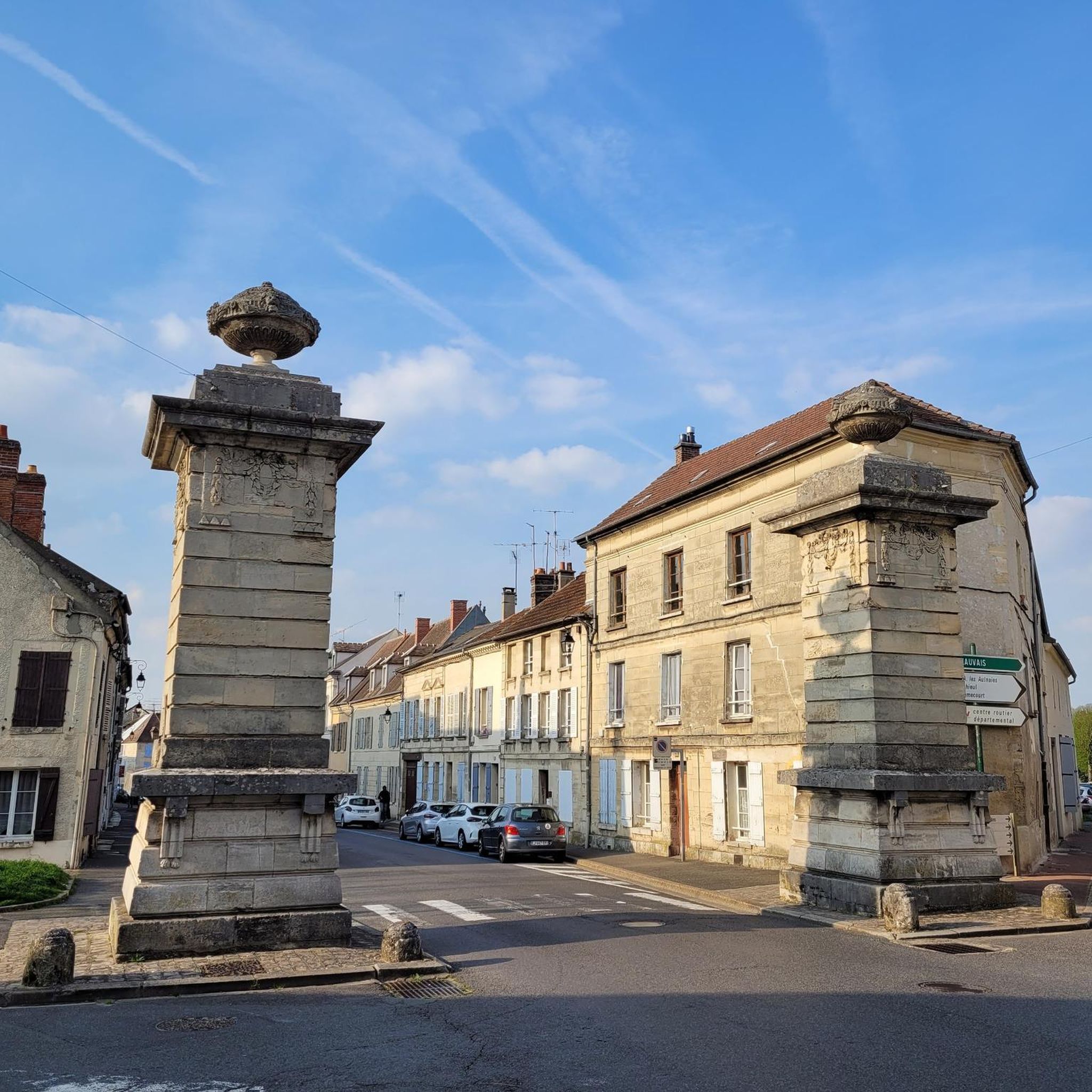
Simple and beautiful lines for this castle which is found there almost by surprise
0
0

Lots of beautiful things to see in this part of Vexin
1
0


Nothing to add to the description from Wikipedia, except that it is a peaceful place that charms with its elegance.
0
0

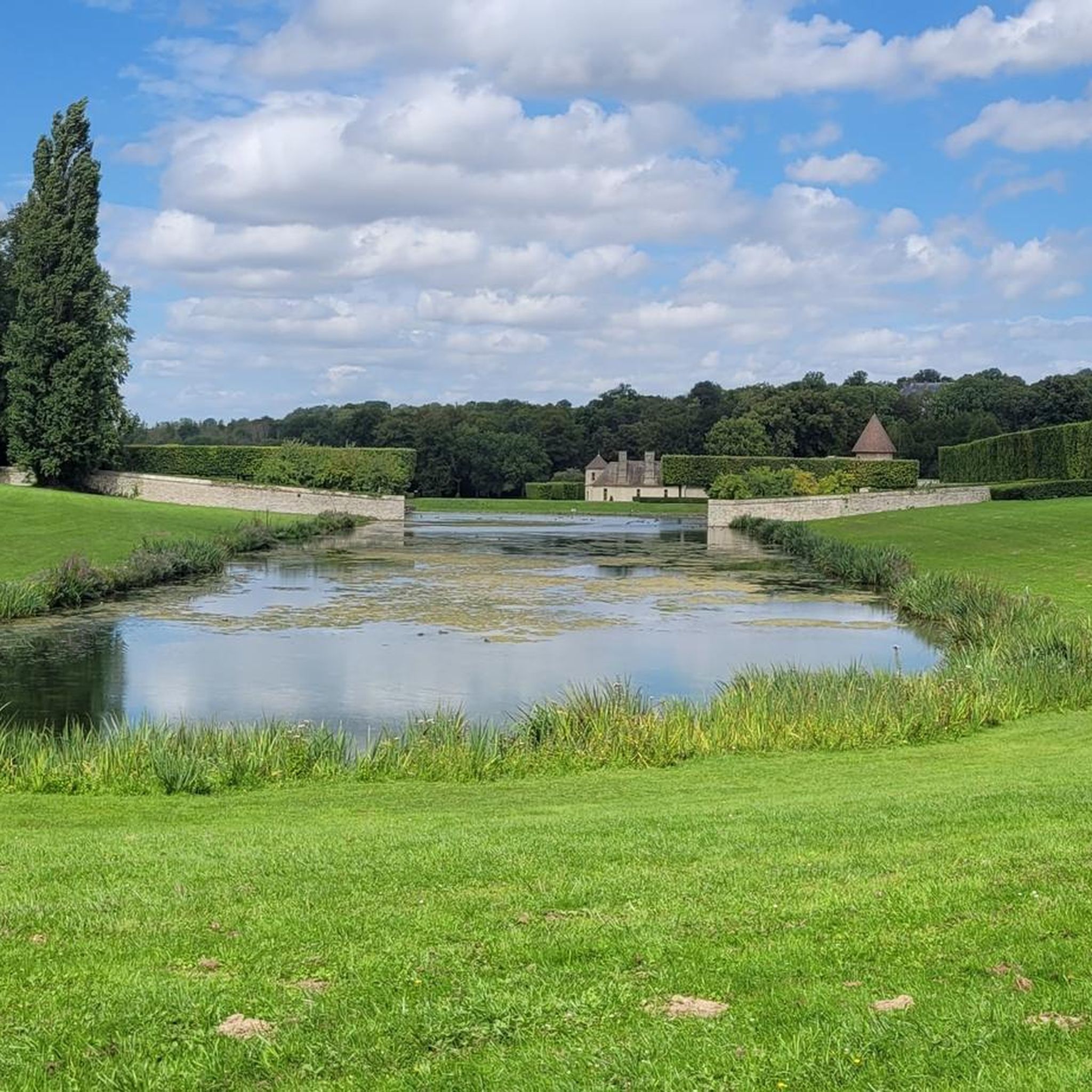
Villarceaux constitutes a unique ensemble: its 70 hectare park and its two castles (16th century manor and 18th century castle). The estate has existed since the 11th century.
0
0
Châteauneuf-sur-Epte is an ancient castle on motte which was founded in 1097 by the Duke of Normandy and whose remains stand in the French commune of Château-sur-Epte in the Eure department, in the Normandy region. It was one of the ducal castles controlling Epte, the border with the Kingdom of France. Under Henry II of England, the castle was considerably fortified.
0
0

Visit of Château-sur-Epte castle, a medieval ruin dating from the 11th century. The castle was built by William II of England to defend his Norman lands against the French, and has witnessed several sieges and battles over the centuries. You can explore the remains of the stone keep, curtain wall, gates and barn, and imagine what life was like in this frontier fortress. The castle is private property, but you can contact the owner to arrange a visit. Happy hiking and don't forget to pack your camera! 📷
3
0
Frequently Asked Questions
What are some of the most historically significant castles near Magny-en-Vexin?
The Villarceaux Estate and the Château de La Roche-Guyon are two prominent historical sites. The Villarceaux Estate dates back to the 11th century and features two châteaux from different eras, while the Château de La Roche-Guyon has a history spanning over a thousand years, including troglodyte origins and a role in World War II.
Which castles near Magny-en-Vexin are known for their beautiful gardens?
The Villarceaux Estate is renowned for its 70-hectare park, classified as a 'Remarkable Garden,' featuring water gardens, ponds, and a unique 'vertugadin.' The Château de La Roche-Guyon also boasts a restored 18th-century vegetable garden, an orchard, and an English garden.
Are there family-friendly castles to visit near Magny-en-Vexin?
Yes, both the Villarceaux Estate and the Château de La Roche-Guyon are considered family-friendly. The Château de La Roche-Guyon often hosts temporary exhibitions and children's entertainment, while the Villarceaux Estate offers expansive grounds for exploration and cultural events suitable for all ages.
What are the typical opening seasons for castles in this region?
The Château de La Roche-Guyon is typically open from April to early November, with an additional winter season in December and early January. The Villarceaux Estate is generally open to the public from April to October. It's always best to check their official websites for the most current opening hours before planning your visit.
Can I find castles with unique architectural features around Magny-en-Vexin?
Absolutely. The Château de La Roche-Guyon is unique for its troglodyte origins and being built directly into a limestone cliff, blending medieval and 18th-century styles. The Château de Théméricourt showcases distinctive 15th-century architecture with two main buildings arranged at right angles and flanked by four turrets.
Are there any castles near Magny-en-Vexin that are free to enter?
Yes, the Villarceaux Estate offers free admission to its park and châteaux, typically from 2 PM to 6 PM, Tuesday through Sunday during its open season. You can find more information at villarceaux.iledefrance.fr.
What kind of outdoor activities can I do near these castles?
The Vexin Regional Nature Park, where these castles are located, offers various outdoor activities. You can find numerous hiking routes, such as the 'Discovering Magny' trail, and road cycling routes, like the 'Cliffs of La Roche-Guyon' loop. For more details, explore the hiking guide or road cycling guide for the area.
Is public transport available to reach castles near Magny-en-Vexin?
While Magny-en-Vexin is accessible, direct public transport to the castles themselves can be limited. The Château de La Roche-Guyon is approximately an hour from Paris, and the Villarceaux Estate is about 8 km from Magny-en-Vexin. It is advisable to check local bus schedules or consider driving for easier access to these sites.
Are there any castles that are eco-managed or have a focus on sustainability?
Yes, the Villarceaux Estate is recognized as Europe's first 'eco-managed' historic monument. It is committed to sustainable practices, including banning chemical fertilizers and pesticides in its extensive gardens and park.
What is the best time of year to visit the castles around Magny-en-Vexin?
The spring and autumn months are generally ideal for visiting, offering pleasant weather for exploring the castle grounds and gardens. During these seasons, the natural beauty of the Vexin Regional Nature Park is also at its peak. Summer can be warm, but the gardens provide shade, and winter visits can offer a unique, quieter experience, especially at sites like Château de La Roche-Guyon during its specific winter opening.
Are there any castles that are currently in ruins but still worth visiting for their historical value?
Yes, the Castle of Château-sur-Epte is a medieval ruin dating from the 11th century. It was built by William II of England and played a strategic role in defending Norman lands. While it is private property, visits can sometimes be arranged with the owner, offering a glimpse into a frontier fortress that witnessed several sieges.
Which castle offers a blend of natural and architectural history?
The Château de La Roche-Guyon perfectly blends natural and architectural history. Its earliest forms were cave dwellings, and it is built directly into a limestone cliff. You can explore both the ancient troglodyte passages and the medieval keep, alongside elegant 18th-century additions.
Most popular routes around Magny-En-Vexin
Most popular attractions around Magny-En-Vexin

Get inspired with the komoot mobile app


Explore more
Looking for the best castles somewhere else? Discover other guides around Magny-En-Vexin:
