Attractions and Places To See around Feings - Top 20
Attractions and places to see around Feings are primarily concentrated in the Loir-et-Cher department of the Centre-Loire Valley region of France. This area is known for its historical châteaux and natural landscapes, including the Beuvron River. Visitors can explore a variety of cultural sites and enjoy the scenic countryside. The region offers opportunities for discovering historical architecture and charming villages.
Best attractions and places to see around Feings
- The most popular attractions is Cheverny Castle, a castle built in…
Last updated: July 2, 2026
Cheverny Castle
Highlight • Castle
Listed as historical monuments since 1926, it is open to the public. More information on: chateau-cheverny.fr.
Translated by Google •
Tip by

Candé-sur-Beuvron
Highlight • Historical Site
Translated by Google •
Tip by
Sign up now to discover places like this
Get recommendations on the best single tracks, peaks, & plenty of other exciting outdoor places.
Sign up for free
Fougères-sur-Bièvre Castle
Highlight • Castle
Of Gothic architecture, it was classified as a historical monument in 1912. It is currently …
Translated by Google •
Tip by
Beauregard Castle
Highlight • Castle
Translated by Google •
Tip by

Beuvron River banks
Highlight • River
Translated by Google •
Tip by

Sign up for free to discover even more attractions around Feings.
Sign up for free
Already have an account?
Start today with a free account
Your next adventure awaits.
Login or Signup
Tips from the Community

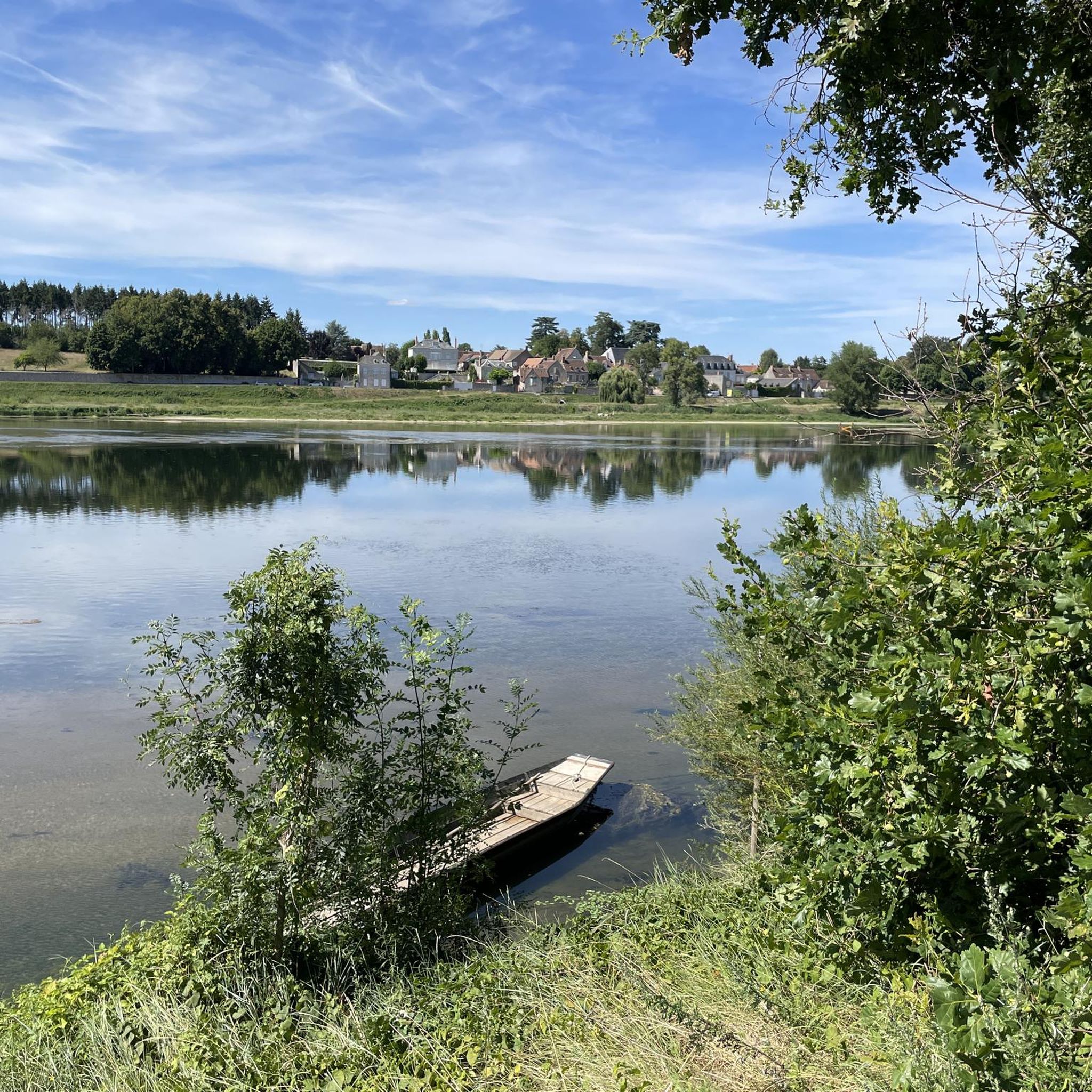
Candé-sur-Beuvron is a small, leafy village typical of Sologne. It's a must-see stop on the Loire Valley castle route. If you're looking for peace and quiet, you'll find them along the rivers that flow through Candé, as well as in its forests and vineyards. The village's restaurants offer local cuisine that will delight even the most discerning palates.
0
0

Small castle away from the crowds in a small sleepy town.
1
0

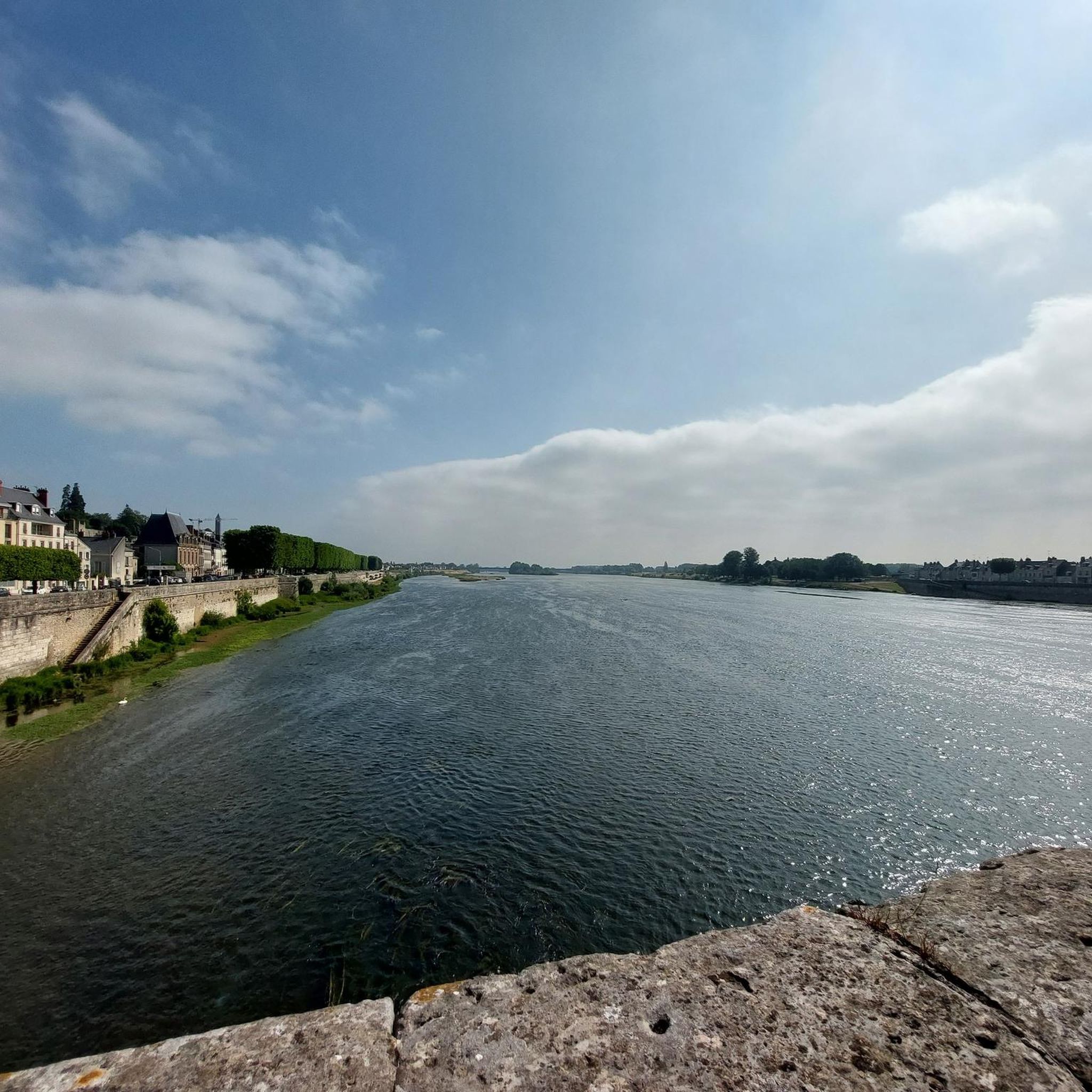
A beautiful place – as you can see in the picture of the bridge, the rains in 2024 also drove driftwood in front of the bridge. Flooding has always been a problem here – the entire bridge has been completely submerged several times!
0
0
The flood level is truly impressive! The entire town and the bridge over the Loire River have been flooded. There's not much you can do here by moving to higher ground.
0
0

Pleasant bridge for pedestrians and cyclists
0
0

Located in the heart of the Loire Valley, the castle of Fougères-sur-Bièvre built at the end of the 15th century is the image of the ideal fortified castle with its keep, its machicolated entrance curtain and its fortified postern. Built by Pierre de Refuge and modified by Jean de Villebresme around 1520, the castle acquired its definitive appearance in three generations and will retain it. A castle designed for entertaining, its defensive Gothic architecture allows Pierre de Refuge to assert his social status and his belonging to the French nobility. Acquired by the Lambot family in 1738, René Lambot had the idea of creating a spinning mill in the castle from 1813 to 1901. This made it possible to largely preserve it from revolutionary damage and to maintain life and activity there. Classified as a historic monument in 1912, put up for sale after the stock market crash of 1929, the castle of Fougères-sur-Bièvre was acquired by the State in 1932. The castle of Fougères-sur-Bièvre has a double face: an entrance facade with a particularly defensive Gothic appearance and a courtyard facade decorated with Renaissance decorations. Particularly well preserved, the castle today remains very close to that of 1525-1530 with its military exterior facade, the civil and domestic architecture of its interior courtyard and its medieval interior plan with rooms in a row without distribution corridors. The castle of Fougères-sur-Bièvre stands out from the great castles of the Loire by its sober and powerful architecture, very little altered over the centuries. It illustrates the art of building in the region with its walls made of limestone rubble from Beauce and its sculpted parts in tuffeau from the banks of the Cher. Young and old alike will easily find all the military attributes and the interior layout of a particularly well-preserved small castle from the end of the 15th century.
1
0
Built in a Classical style, the Cherveny castle has belonged to the same family for more than six centuries, the Huraults, financiers and officers in the service of several kings of France. The current castle was built around 1625 by Henri, son of Philippe Hurault, and his wife Marguerite Gaillard de la Morinière. They launched the construction of the current castle and entrusted the execution of the work to the architect Jacques Bougier. He uses “Bourré stone”, a stone from the Cher valley which has the particularity of whitening and hardening as it ages. Sobriety and symmetry characterize the Château de Cheverny, a precursor of the French style which established itself under the reign of Louis XIV. The work is of such magnitude that it will not see the end of the project. Their daughter Elisabeth, Marquise de Montglas, completed the interior decoration which was entrusted to Jean Monier. During the following hundred and fifty years, the Château de Cheverny changed owners several times. In 1825, Anne Denis Hurault, Marquis de Vibraye, bought the property from her ancestors. The Château de Cheverny, which has always been inhabited, presents remarkably well-preserved pieces of furniture and interior fittings. The first floor apartments bear witness to the French art of living. An English-style park and gardens surround the Château de Cheverny. Visitors can discover the Jardin des Apprentis, a contemporary designed garden created in 2006 which was inspired by the found plans of an old French garden and the vegetable garden, designed by the Marquise de Vibraye, it combines the use original of different colored materials, vegetables and flowers. The Garden of Love, created in 2019, presents six monumental statues by Gudmar Olovson which reflect Love in all its forms. Cheverny constitutes a heritage of stones, land but also of tradition with venery or hunting with hounds. The Cheverny crew was founded in 1850 by the Marquis de Vibraye. Nowadays, in the Cheverny forest and neighboring forests, the crew harvests exclusively deer. Every day, from April to September 14, subject to reservations, at 11:30 a.m., visitors can attend the dog meal. The Château de Cheverny inspired the Château de Moulinsart to the Belgian comic book author, Hergé. The Domaine de Cheverny and the Hergé Foundation have joined forces to create and set up a permanent exhibition on the theme: the secrets of Moulinsart.
1
0

Largest portrait collection in Europe
0
0
Frequently Asked Questions
What are the main types of attractions to explore around Feings?
The area around Feings, located in the Loir-et-Cher department, is renowned for its magnificent châteaux and historical sites. You'll find a concentration of impressive castles, charming villages, and picturesque riverbanks, offering a rich blend of history and natural beauty.
Which castles are a must-see near Feings?
Among the many impressive castles, Cheverny Castle stands out for its well-preserved interiors and its connection to the Tintin comics. Other notable châteaux include Fougères-sur-Bièvre Castle with its Gothic architecture, and Beauregard Castle, known for its portrait gallery and landscaped park. The region also boasts the famous Château de Chambord, Château de Blois, and Château de Chenonceau, all within a short distance.
Are there any charming villages or historical sites to visit besides castles?
Yes, Candé-sur-Beuvron is a charming village where you can discover an old stone bridge spanning the Beuvron River and enjoy a pleasant journey along the water. The village also offers a few shops for refreshments.
What natural features can I enjoy around Feings?
The region offers beautiful natural landscapes, particularly along the Beuvron River banks. You can enjoy scenic views and peaceful walks or rides in the shade of trees, especially between Candé-sur-Beuvron and Chaumont-sur-Loire.
Are there family-friendly attractions in the area?
Absolutely! Many attractions are suitable for families. Cheverny Castle, Candé-sur-Beuvron, Fougères-sur-Bièvre Castle, and the Beuvron River banks are all categorized as family-friendly, offering engaging experiences for all ages.
What outdoor activities can I do near these attractions?
The area around Feings is excellent for various outdoor activities. You can explore numerous routes for gravel biking, mountain biking, and running. For detailed routes and guides, check out the Gravel biking around Feings guide, MTB Trails around Feings guide, and Running Trails around Feings guide.
Are there specific trails for cycling or mountain biking?
Yes, there are many trails. For mountain biking, you can find routes like the 'Cheverny Castle – vineyards loop' or the 'Fougères-sur-Bièvre Castle – On the vineyard trail loop'. Gravel biking options include loops around Cheverny Castle and the Beuvron. You can find more details and specific routes in the dedicated komoot guides for gravel biking and MTB trails.
What do visitors enjoy most about the attractions around Feings?
Visitors frequently praise the well-preserved interiors and historical significance of the castles, such as Cheverny Castle. The charm of villages like Candé-sur-Beuvron and the peaceful atmosphere of the Beuvron River banks are also highly appreciated. The blend of history, architecture, and scenic landscapes makes the area a favorite for exploration.
Are there any less crowded or 'hidden gem' castles to visit?
Fougères-sur-Bièvre Castle is often described as a 'small castle away from the crowds in a small sleepy town,' offering a more intimate experience of a fortified castle. Beauregard Castle is also unique, with its park being one of the rare ones that can be visited by bike.
Can I find places to eat or stay near the walking routes?
In charming villages like Candé-sur-Beuvron, you will find a few shops where you can eat and even spend the night, making it a convenient stop during your explorations along the Beuvron River.
What kind of running trails are available around Feings?
Runners can find a variety of trails, including loops around vineyards and local ponds. Options range from moderate to difficult, such as the 'Vineyard Path – Cheverny Castle loop' or the 'Étang de la Boudinière loop'. More detailed routes are available in the Running Trails around Feings guide.
Most popular attractions around Feings

Get inspired with the komoot mobile app


Explore more
Still not found the Highlight you’re looking for? See guides of the top attractions in other regions:
