Attractions and Places To See around Cugney - Top 10
Attractions around Cugney, a commune in the Haute-Saône department of France, include historical architectural heritage and rural landscapes. The area features an 18th-century classical church and traditional fountains and washhouses, reflecting historical rural life. Visitors can explore these local points of interest and the surrounding natural environment.
Best attractions and places to see around Cugney
- The most popular attractions is Historic Center of Marnay, a historical site that was a prosperous Comtoise town in the Middle Ages, known for…
Last updated: June 24, 2026
Historic Center of Marnay
Highlight • Historical Site
Very prosperous in the Middle Ages, due to its trade and its artisans. There …
Translated by Google •
Tip by

Charcenne
Highlight • Other
Translated by Google •
Tip by
Sign up now to discover places like this
Get recommendations on the best single tracks, peaks, & plenty of other exciting outdoor places.
Sign up for free
Notre-Dame du Calvaire Chapel
Highlight • Religious Site
Translated by Google •
Tip by

The Old Railway Line
Highlight (Segment) • Cycleway
Translated by Google •
Tip by

Sainte-Cécile Hamlet
Highlight • Historical Site
Translated by Google •
Tip by

Sign up for free to discover even more attractions around Cugney.
Sign up for free
Already have an account?
Start today with a free account
Your next adventure awaits.
Login or Signup


Tips from the Community

You can discover the remains of an old chapel with pointed arch windows. In the past, this place was a place of pilgrimage: visitors came to draw water from the nearby fountain, renowned for its beneficial properties which were said to cure blindness.
0
0

The ruins of the Sainte-Cécile hermitage date back to the end of the 12th century. A former dependency of the Knights Templar, the site retains traces of its original architecture, such as ogival windows.
0
0

Characterful Comtoise town which was part of the Holy Roman Empire until the treaty of 1678. Very prosperous in the Middle Ages, due to its trade and its artisans. There has been a cloth hall there since the 14th century, after Jeanne de Bourgogne, countess of Franche-Comté and queen of King Philippe V the Long of France, brought weavers from Paris there. From June 14, 1354 and until the Revolution, the bourgeoisie of Marnay had a charter of emancipation which ensured them security and abundance - "anyone who has a house and keeps fire in the village will be bourgeois". This charter allowed residents to administer the city themselves and thus build ramparts and set up the individual gardens that can still be found there today.
0
0
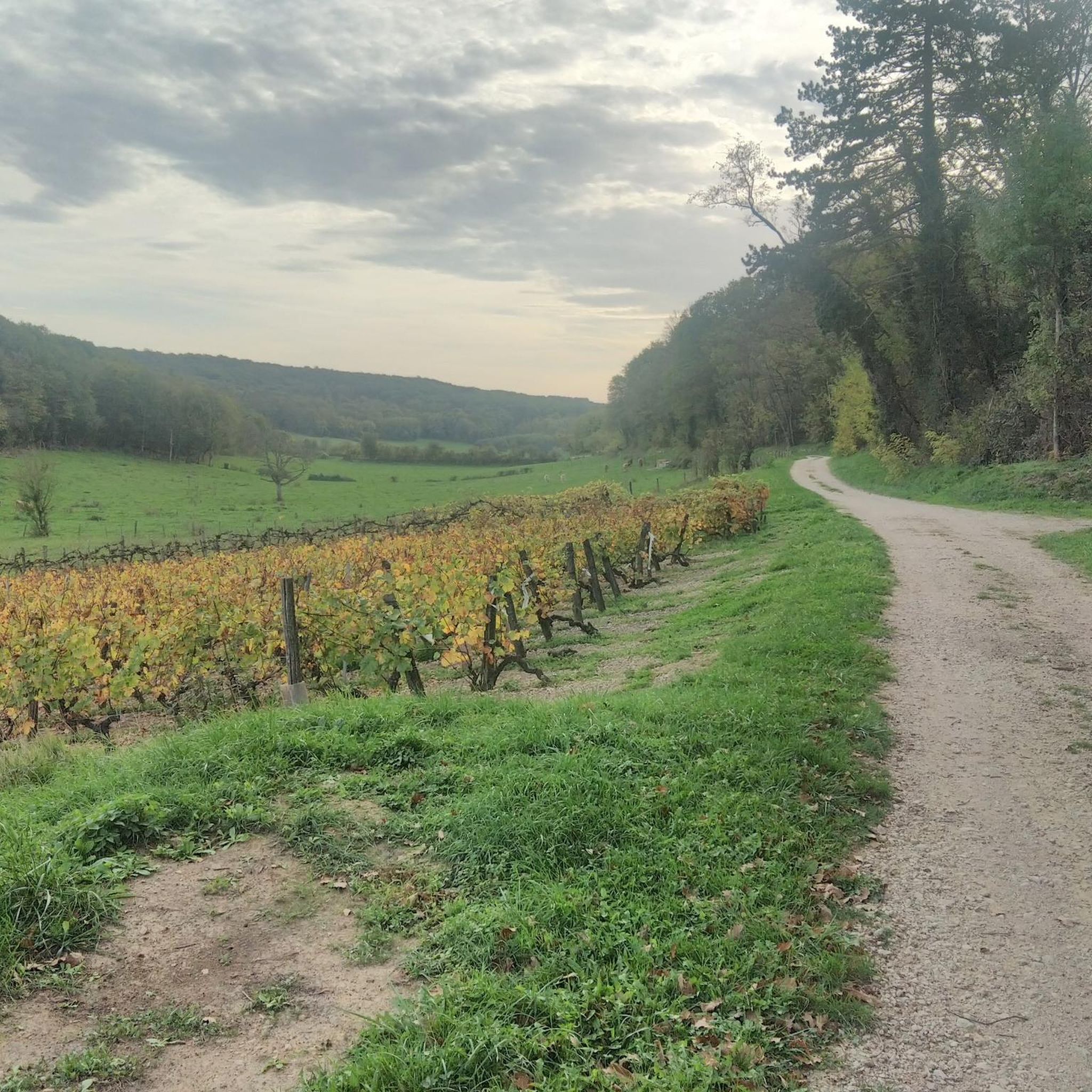
Village which dates back to Gaulle (Gallic burials have been unearthed there) and of which we also find traces under the Gallo-Roman Empire. There we find the source of the Colombine and some beautiful buildings, including the cemetery chapel (listed as a Historic Monument) and the Notre-Dame de Leffond Chapel which dates from the 13th century. However, the village is best known for its vineyards. In the Middle Ages, the wines of Gy and Charcenne were already exported and we found them on the tables of nobles in the 16th century. The Guillaume family has been cultivating vines there since 1732 and has developed a highly specialized nursery business since 1895, recognized worldwide. The 43 hectares of vines therefore produce wine, awarded several times, but also serve as a support for the multiplication of vine plants. They therefore cultivate other grape varieties than those necessary for their production. And if you want to accompany your wine with a cheese, head to the Millet cheese dairy to taste a Charcennais or an Ortolan.
1
0

The Notre-Dame du Calvaire chapel dates from the 19th century and was built following a promise made by the parish priest, the Red priest. Erected in height, in a clearing, it is accessible by a stone path from the church of Gy and a porthole allows to distinguish the interior whose paintings have been recently restored, and where the blue color dominates what is without doubt to recall that of the mantle worn by the Virgin.
0
0

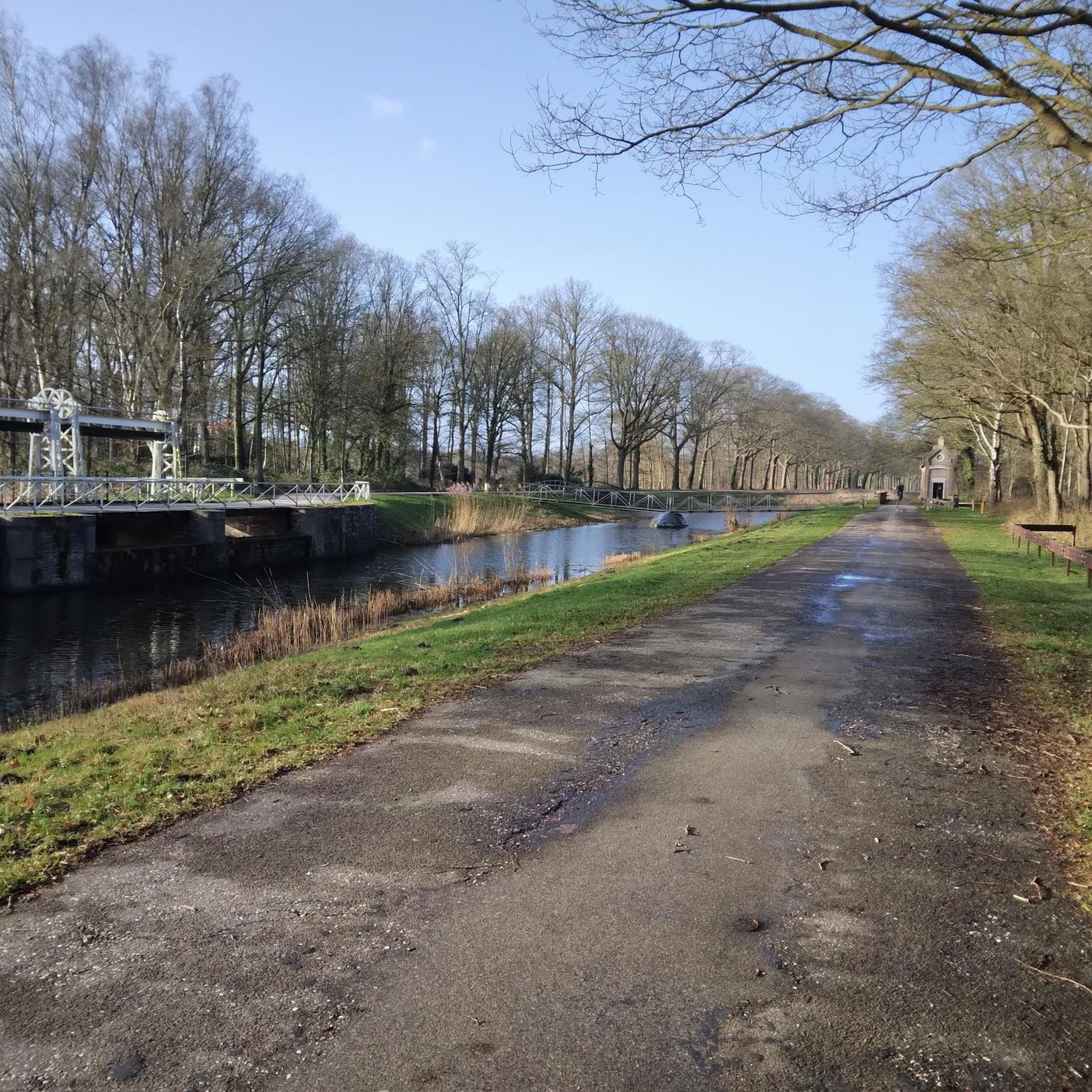
Old railway track rehabilitated in cycle path. Small fine white gravel road tire possible.
0
0
Old railroad rehabilitated e 'cycle lane small fine white gravel road tire possible.
0
0
Frequently Asked Questions
What historical and cultural sites can I explore in and around Cugney?
Cugney itself features an 18th-century classical church with a beautiful stone tombstone, along with well-maintained fountains and traditional washhouses (lavoirs) that reflect historical rural life. Nearby, you can visit the Historic Center of Marnay, a former prosperous Comtoise town known for its 14th-century cloth hall. Another significant site is Charcenne, a village with roots dating back to Gaul, featuring the 13th-century Notre-Dame de Leffond Chapel and historic vineyards.
Are there any natural attractions or scenic viewpoints near Cugney?
Yes, you can enjoy the natural beauty of the area by exploring the Path through the flower fields. This dirt path crosses limestone lawns, offering a vibrant yellow landscape during the flowering season. While Cugney itself is known for its rural charm, these fields provide a lovely natural vista.
What outdoor activities are available around Cugney?
The region around Cugney is ideal for various outdoor activities. You can find numerous hiking trails, including moderate routes like the 'Marnaysian loop'. For cyclists, road cycling routes are available, such as the 'Saint-Loup Castle – Charcenne loop'. Additionally, there are running trails for those who enjoy jogging through the countryside.
Are there family-friendly attractions or activities in the Cugney area?
Absolutely! Families can enjoy cycling along The Old Railway Line, a rehabilitated track with fine white gravel suitable for bikes. The Historic Center of Marnay offers an engaging historical experience for all ages, and the Path through the flower fields provides a pleasant walk for families.
What is the best way to explore the local architecture and heritage in Cugney?
To appreciate Cugney's local heritage, take a walk through the village to see its classical 18th-century church and the traditional fountains and washhouses (lavoirs). These structures offer a glimpse into the historical rural life of the Haute-Saône department. The well-preserved architecture provides a charming experience.
Can I go cycling near Cugney?
Yes, cycling is a popular activity. A notable option is The Old Railway Line, which has been transformed into a cycle path with fine white gravel. For more extensive rides, explore the various road cycling routes available in the wider Cugney area.
What kind of historical significance does Charcenne hold?
Charcenne is a village with deep historical roots, showing traces from Gaul and the Gallo-Roman Empire. It's particularly known for its vineyards, which have been cultivated since the Middle Ages, and is home to the 13th-century Notre-Dame de Leffond Chapel. The village's history is intertwined with its winemaking tradition.
Are there any religious buildings worth visiting near Cugney?
Beyond Cugney's own 18th-century church, you can visit the Notre-Dame du Calvaire Chapel, a 19th-century chapel built on a height, accessible by a stone path from the church of Gy. Its recently restored interior features dominant blue paintings. The 13th-century Notre-Dame de Leffond Chapel in Charcenne is also a significant religious site.
What makes the Historic Center of Marnay a unique place to visit?
The Historic Center of Marnay stands out as a characterful Comtoise town that was highly prosperous in the Middle Ages. It boasts a cloth hall dating back to the 14th century and was granted a charter of emancipation in 1354, allowing its bourgeoisie to self-administer the city. This rich history is evident in its well-preserved architecture.
What is the best time of year to visit Cugney for outdoor activities?
While specific seasonal weather data isn't provided, generally, spring and autumn offer pleasant temperatures for outdoor activities like hiking and cycling in the Haute-Saône region. During the flowering season, the Path through the flower fields would be particularly beautiful.
Are there options for running trails around Cugney?
Yes, there are several running trails in the vicinity of Cugney. You can find routes of varying difficulties, such as a moderate 10.6 km loop from Gy or a more challenging 20 km loop from Marnay that includes the Historic Center of Marnay.
What kind of landscapes can I expect to see on trails near Cugney?
The trails around Cugney offer a mix of rural landscapes. You can expect to traverse limestone lawns, as seen on the Path through the flower fields, and enjoy views of agricultural areas and forests. The region's gentle relief provides scenic, accessible routes.

Get inspired with the komoot mobile app


Explore more
Still not found the Highlight you’re looking for? See guides of the top attractions in other regions:
