Top 6 Castles around Truyes
Castles around Truyes are primarily found in the surrounding Loire Valley, a region known for its historical significance and diverse architecture. Truyes itself, a commune in Indre-et-Loire, features historical properties like the Manor of Chaix and Château de Bel-Air. The area offers a blend of private historical residences and publicly accessible grand châteaux. Visitors can explore various architectural styles, from medieval fortresses to Renaissance and early 20th-century designs.
Best castles around Truyes
- The most popular castles is Château de la…
Last updated: June 24, 2026
Montbazon
Highlight • Settlement
Translated by Google •
Tip by

Château de la Bourdaisière
Highlight • Castle
Translated by Google •
Tip by

Sign up now to discover places like this
Get recommendations on the best single tracks, peaks, & plenty of other exciting outdoor places.
Sign up for free
Nitray Castle
Highlight • Castle
Translated by Google •
Tip by

Châteaux Trail
Highlight (Segment) • Trail
There are many places to stop along the way, …
Translated by Google •
Tip by

Château de Fontenay
Highlight • Castle
Translated by Google •
Tip by
Sign up for free to discover even more castles around Truyes.
Sign up for free
Already have an account?
Start today with a free account
Your next adventure awaits.
Login or Signup

Tips from the Community

A charming little town nestled on the banks of the Indre, Montbazon stands out with its medieval character. Its small streets lead to shops of all kinds. The most remarkable remains the imposing fortress in the heart of the city, built from 991 and today accessible to the public. For pilgrims who frequent the Via Turonensis, a number of accommodations, including a campsite on the other side of the Indre, are available in Montbazon.
0
0

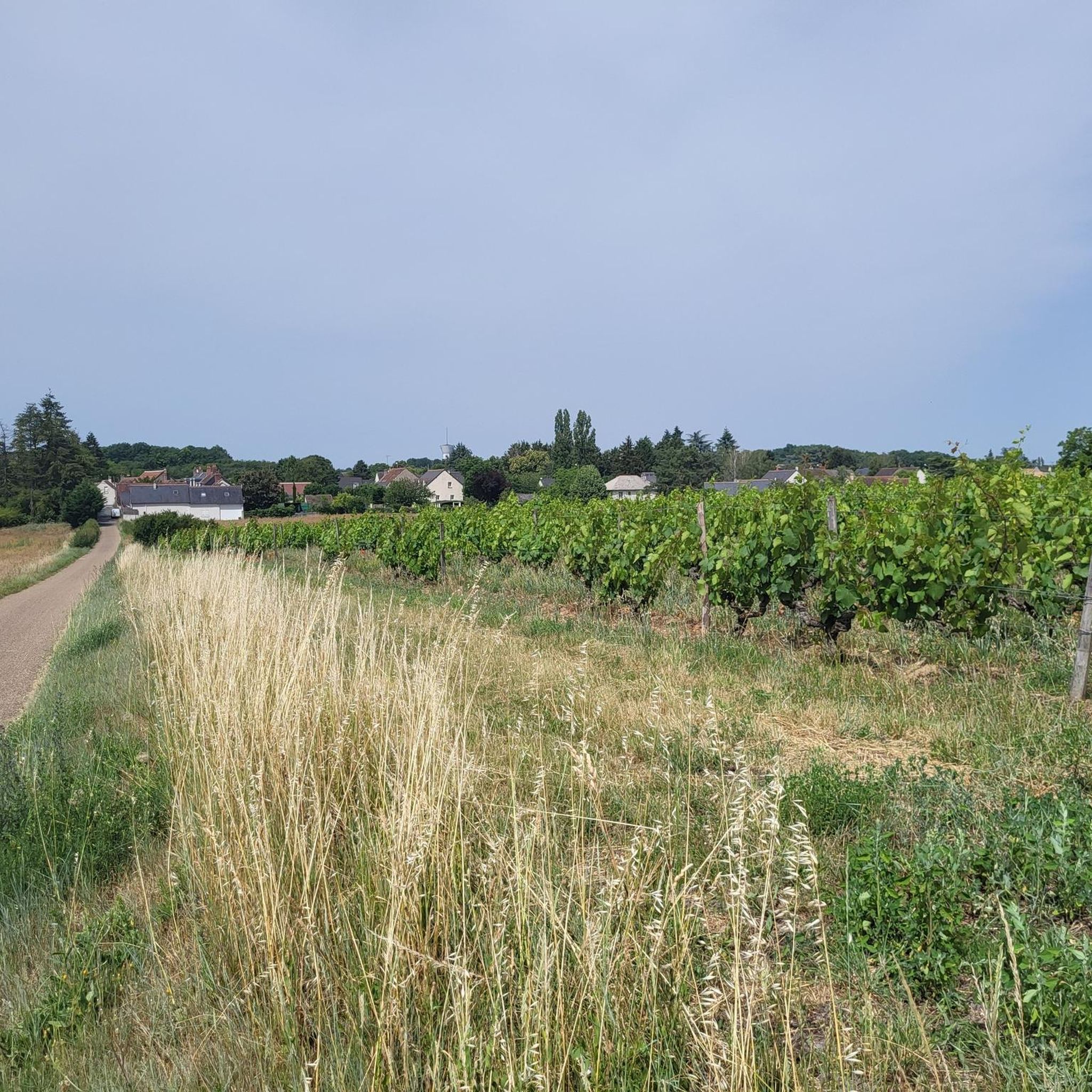
This beautiful path crosses shady woods, the path is generally smooth (it is unpaved however), can be muddy if it rains. There are many places to stop along the way, there are picnic tables available. You will pass by several castles such as the Château de Leugny and the Château de Beauvais.
1
0
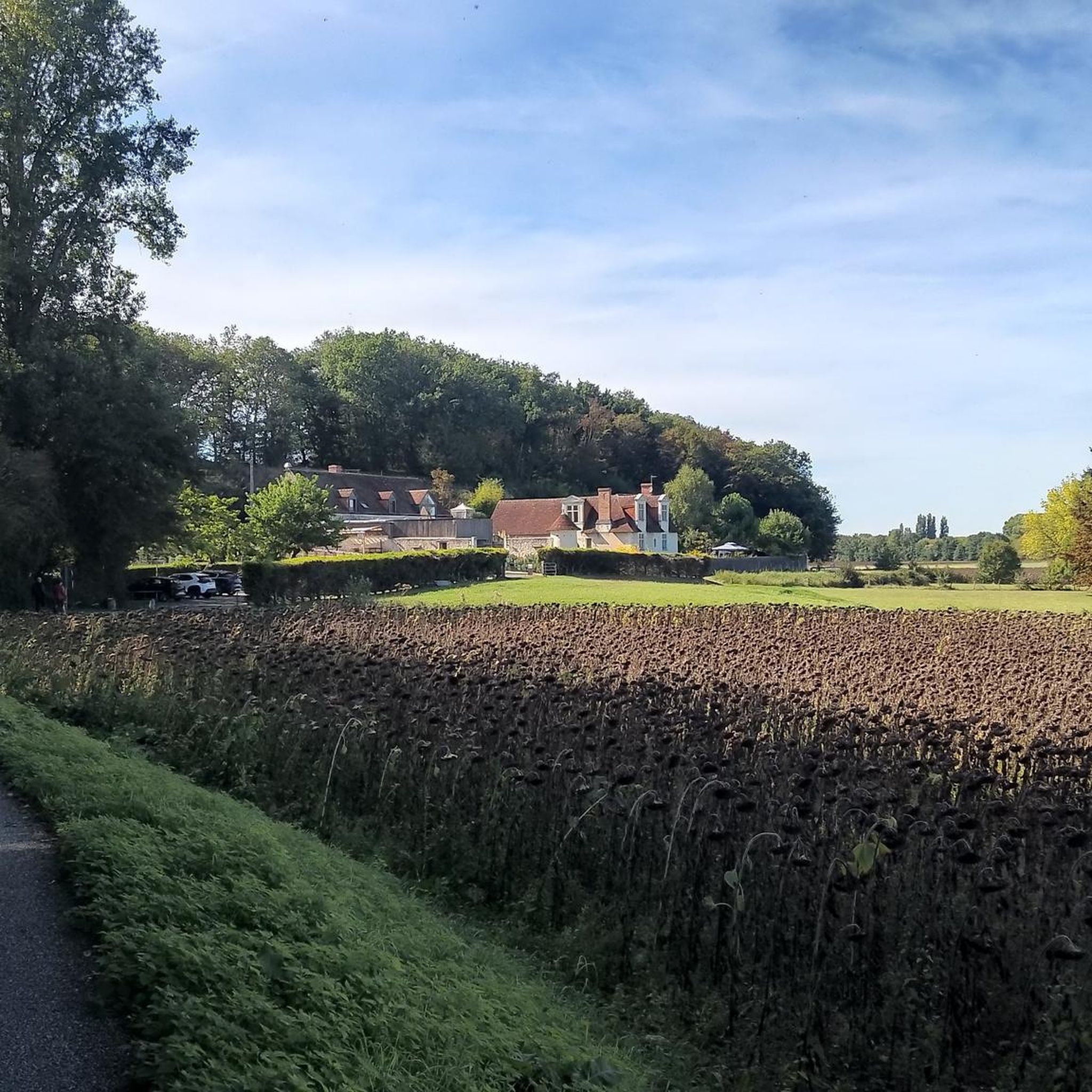
The Château de Fontenay is a castle whose first construction dates back to the 17th century. Partly destroyed two centuries later, it was finally rebuilt by a Parisian architect. Today, the castle hosts a gîte and guest rooms as well as a wine-growing activity.
0
0

Montbazon is a medieval town located on the banks of the Indre River and surrounded by greenery. Its historic center houses an impressive fortress that can be visited both in summer and during the holiday season.
0
0

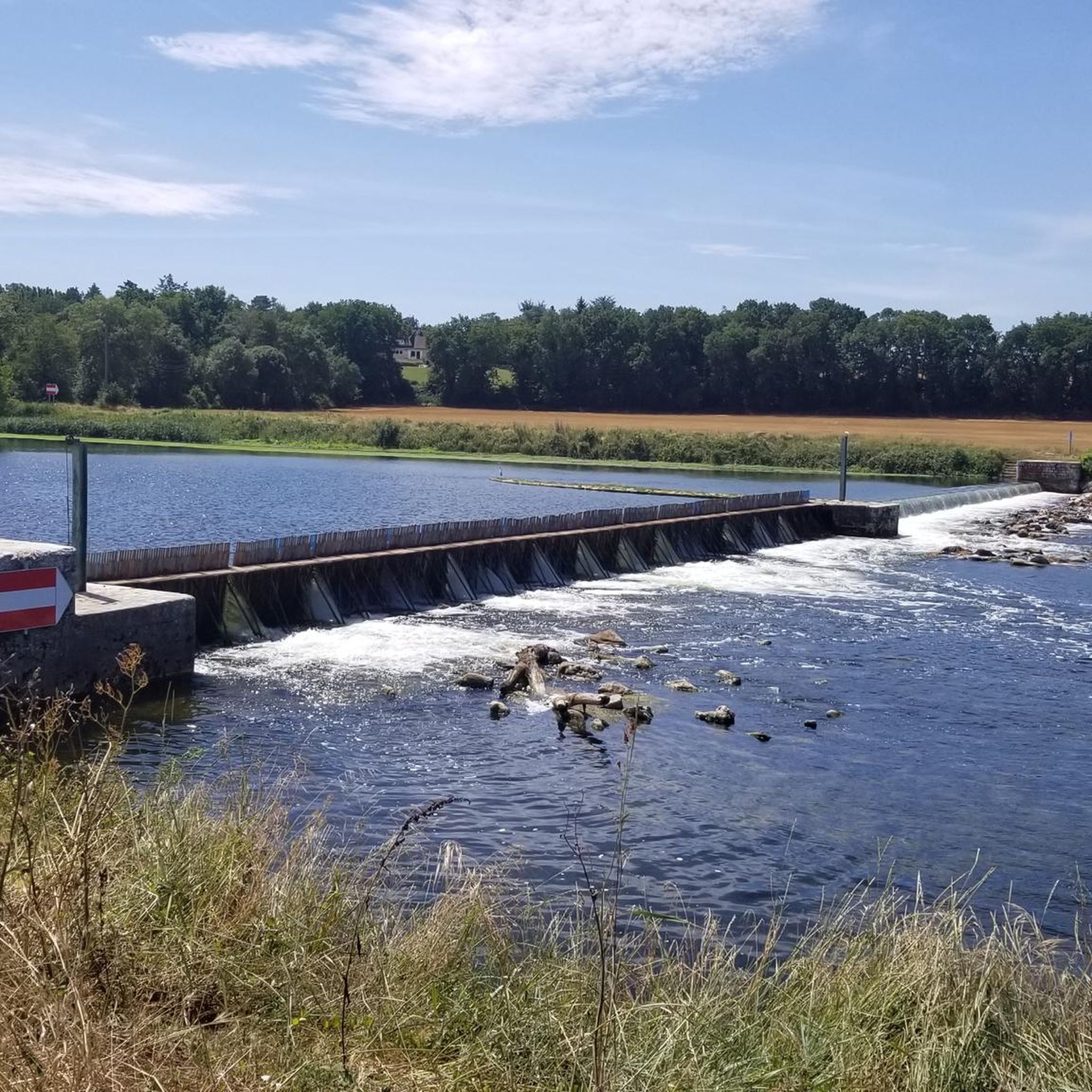
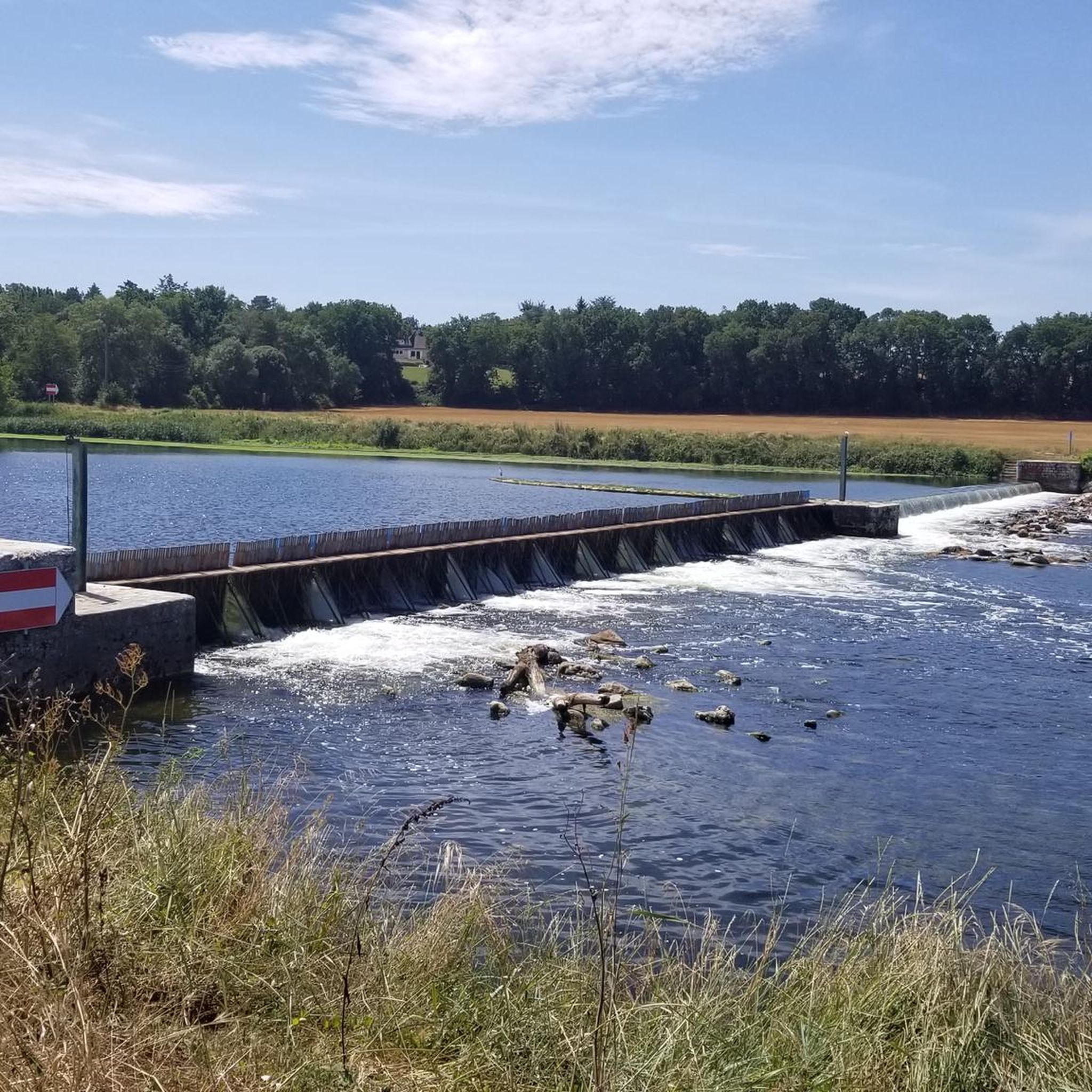
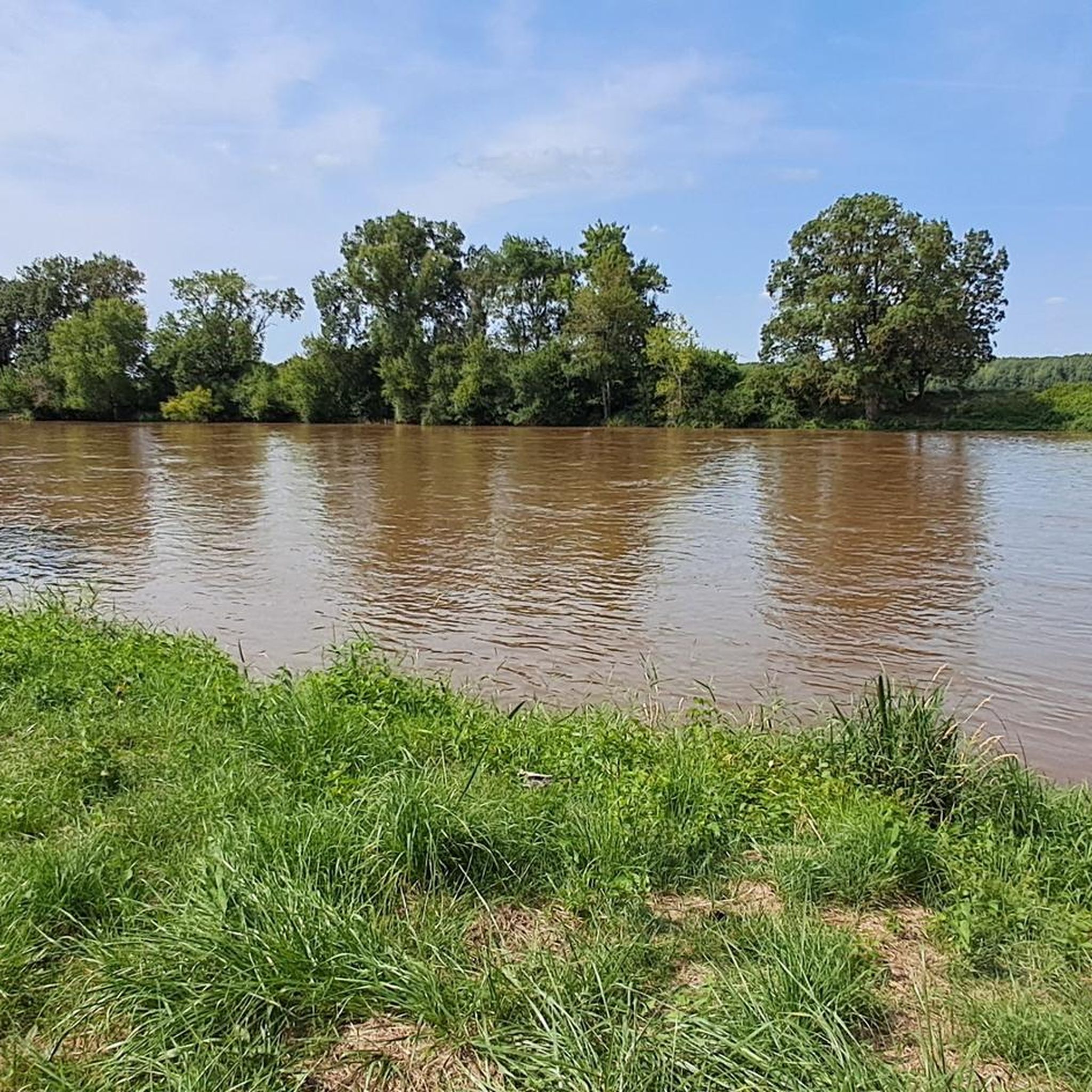
View from the path along the Cher
0
0

The Château de Nitray is a typical residence of the French First Renaissance. Built on the left bank of the Cher, it consists of two towers at the north entrance: one houses a chapel and the other the fruit tree (where fruit was dried). The lord's house overlooks the park as well as the main courtyard. A dovecote with its rotating ladder in working order completes the set. The French-style garden housing the vegetable garden and the orchard is located to the south of the agricultural buildings. The 10-hectare vineyard is located to the west of the chateau.
0
0

This castle cannot be visited, it is a hotel.
1
0
Its vegetable garden dedicated to tomatoes, and its pleasant wood, make this château an interesting stopover for a few hours.
1
0
Frequently Asked Questions
What are the most notable castles to visit near Truyes?
While Truyes itself has historical properties like the Manor of Chaix (private) and Château de Bel-Air (commune-owned), the most renowned and publicly accessible castles are found in the surrounding Loire Valley. These include the stunning Nitray Castle, a typical French First Renaissance residence with a vineyard, as well as the iconic Château de Chenonceau, Château d'Amboise, Château de Villandry, and Château d'Azay-le-Rideau, all within a short distance from Truyes.
Are there any family-friendly castles or activities near Truyes?
Yes, several castles in the region offer family-friendly experiences. The medieval fortress in Montbazon, for example, is known for its immersive historical activities. Many of the larger Loire Valley châteaux also provide specific programs or grounds suitable for children, such as gardens to explore.
What is the best time of year to visit the castles around Truyes?
The spring (April-May) and autumn (September-October) months are generally ideal for visiting the castles around Truyes. The weather is pleasant, and the gardens are often in full bloom or displaying beautiful fall colors. Summer (June-August) is also popular but can be crowded and hot. Some castles may have reduced hours or closures in winter, so it's always best to check individual castle websites.
Can I find hiking or cycling routes that include castles near Truyes?
Absolutely. The region around Truyes is excellent for outdoor activities that combine nature with historical sites. You can find numerous cycling routes, such as those detailed in the Cycling around Truyes guide, and gravel biking routes in the Gravel biking around Truyes guide, which often pass by or offer views of various châteaux. There's even a dedicated Châteaux Trail that winds through shady woods and past castles like Château de Leugny and Château de Beauvais.
Are there any castles near Truyes that are less crowded or considered 'hidden gems'?
While the major Loire Valley châteaux attract many visitors, you might find a more intimate experience at places like Nitray Castle, which is a charming Renaissance residence with a vineyard. The Châteaux Trail also leads to lesser-known castles like Château de Leugny and Château de Beauvais, offering a quieter exploration experience.
What kind of historical architecture can I expect to see in castles near Truyes?
The castles near Truyes showcase a rich tapestry of French architectural history. You'll find medieval fortresses, such as the one in Montbazon, Renaissance masterpieces like Nitray Castle, and even early 20th-century designs like the Château de Bel-Air in Truyes itself. The Loire Valley is particularly famous for its Renaissance châteaux, reflecting various periods of French royalty and nobility.
Is public transport available to reach castles from Truyes?
While Truyes is a smaller commune, public transport options exist to reach some of the larger Loire Valley châteaux. However, direct and frequent connections to all castles might be limited. For destinations like Château de Chenonceau, Château d'Amboise, or Château de Villandry, you may need to combine local bus services with train connections from nearby larger towns like Tours. Renting a car or using cycling routes offers more flexibility for exploring the region's castles.
Are there any castles near Truyes that offer accommodation or dining?
Yes, some castles in the area have been converted to offer unique accommodation or dining experiences. Château de la Bourdaisière operates as a hotel and has a restaurant, allowing guests a closer look at this privately owned property. Similarly, Château de Fontenay hosts a gîte and guest rooms, alongside its wine-growing activities.
What are the natural features or viewpoints near the castles around Truyes?
Many castles in the region are set amidst beautiful natural landscapes. For instance, Nitray Castle is located on the left bank of the Cher River and features a 10-hectare vineyard. The Châteaux Trail offers scenic paths through shady woods. The Loire Valley itself is a UNESCO World Heritage site, known for its river landscapes, forests, and picturesque countryside, providing numerous viewpoints and natural beauty surrounding the historical sites.
What do visitors appreciate most about the castles near Truyes?
Visitors frequently appreciate the rich history and diverse architecture of the castles, ranging from medieval fortresses to Renaissance masterpieces. The beautiful gardens, vineyards, and natural settings surrounding many châteaux are also highly valued. The opportunity to combine historical exploration with outdoor activities like cycling and hiking is another highlight for many, as evidenced by the numerous photos and upvotes from the komoot community.
Are there any dog-friendly castles or grounds near Truyes?
While policies vary, many castle grounds and parks in the Loire Valley are dog-friendly, often requiring dogs to be on a leash. However, access to the interior of the castles is typically restricted for pets. It's advisable to check the specific rules of each château before your visit. For example, the extensive gardens of some larger châteaux might be accessible with a leashed dog.
What are the parking options for visiting castles near Truyes?
Most major castles in the Loire Valley, including those near Truyes, provide dedicated parking facilities for visitors, often for a fee. For smaller or privately owned châteaux, parking might be more limited, sometimes requiring street parking in nearby villages. When exploring by bike, you'll often find bicycle parking available, such as near the fortress in Montbazon.
Most popular attractions around Truyes

Get inspired with the komoot mobile app


Explore more
Looking for the best castles somewhere else? Discover other guides around Truyes:
