The best running trails around Le Puy-Notre-Dame
4.7
(3)
702
runners
122
runs
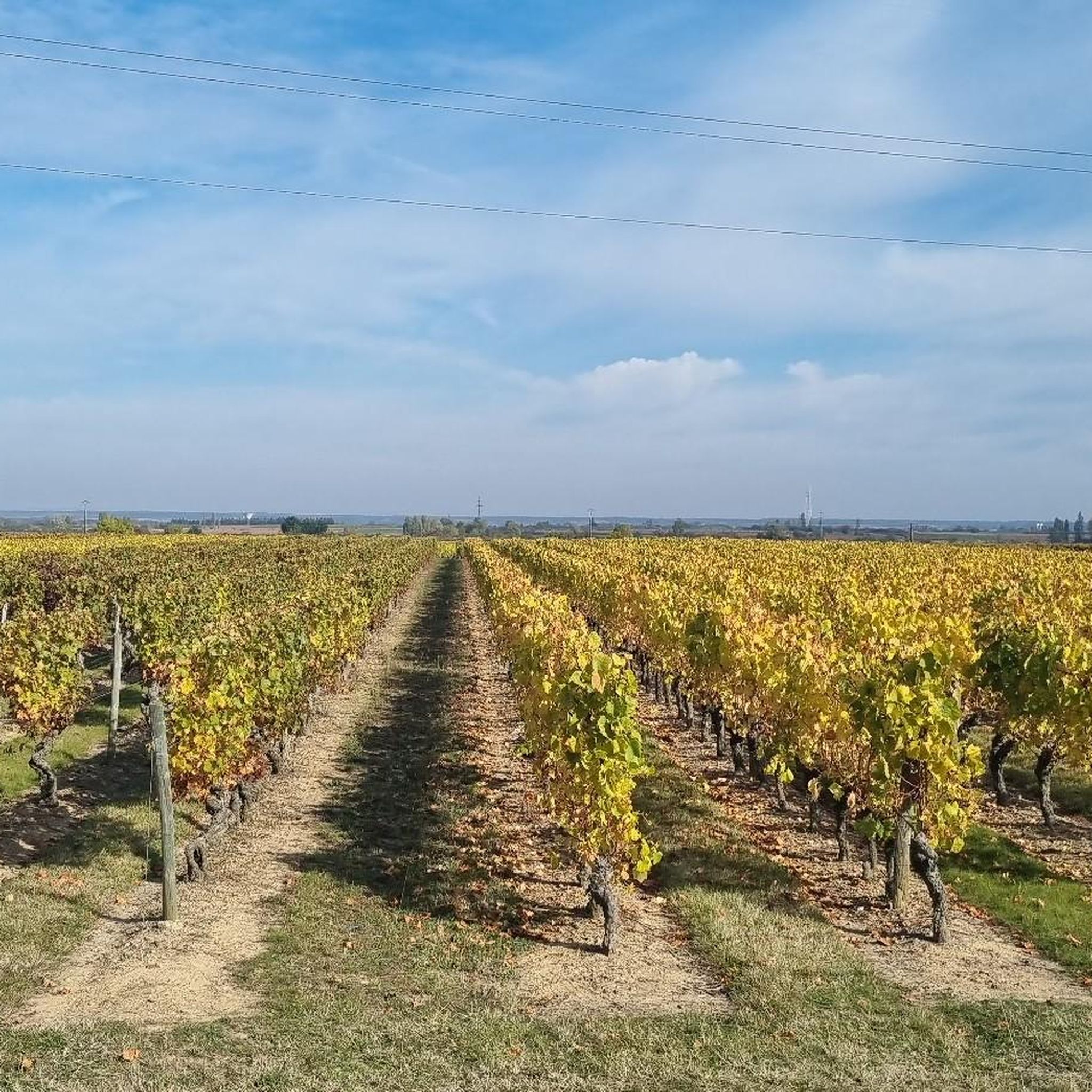
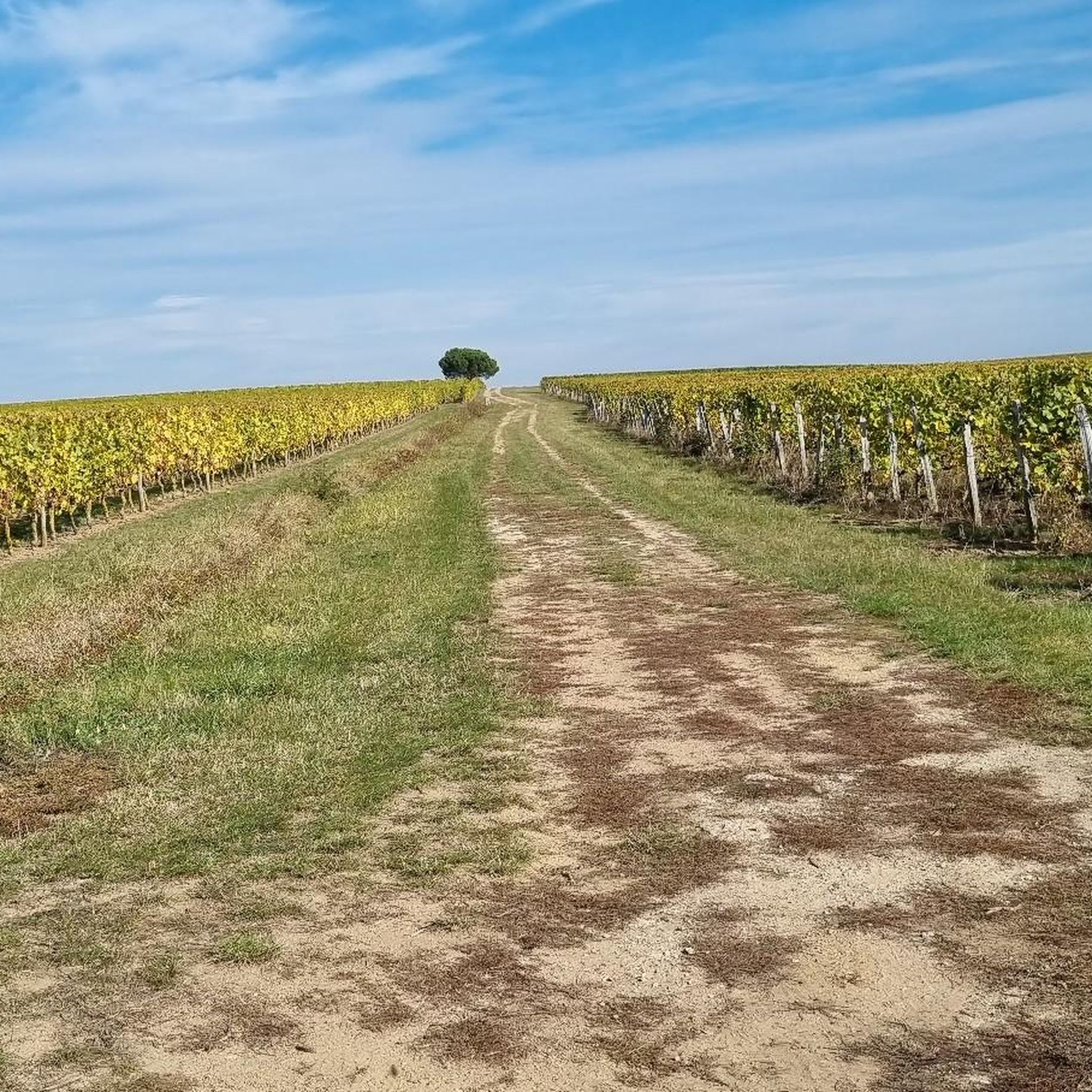
Jogging around Le Puy-Notre-Dame offers a diverse landscape, characterized by its position on a tufa mound, providing varied terrain. The surrounding area features extensive vineyards, part of the AOC Saumur-Puy-Notre-Dame, alongside valleys and forests within the Loire-Anjou-Touraine natural park. This region provides a network of running routes that traverse both cultivated plateaus and natural woodlands. The village itself is built on a tufa mound, a small hill, adding gentle elevation to some routes.
Best jogging routes around Le Puy-Notre-Dame
- The…
Last updated: July 6, 2026
21
runners
13.4km
01:31
110m
110m
Moderate run. Good fitness required. Mostly accessible paths. Some sure footedness required.
7
runners
24.6km
02:50
190m
190m
Hard run. Very good fitness required. Mostly accessible paths. Some sure footedness required.

Sign up for free
5
runners
9.06km
01:01
50m
50m
Moderate run. Good fitness required. Mostly paved surfaces. Suitable for all skill levels.
4
runners
5.62km
00:37
30m
30m
Moderate run. Good fitness required. Mostly paved surfaces. Suitable for all skill levels.
4
runners
6.47km
00:44
40m
40m
Moderate run. Good fitness required. Mostly paved surfaces. Suitable for all skill levels.
Get access to more routes and recommendations from other explorers.
Sign up for free
Already have an account?
Our route recommendations are based on thousands of hikes, rides, and runs completed by other people on komoot.
Start today with a free account
Your next adventure awaits.
Login or Signup


Tips from the Community

The community's house of worship stands out on the horizon with its tower like a landmark.
0
0

Montreuil, or small monastery, and Bellay, named after Lord Berlay installed in 1025 by Foulque de Nerra, founder of the rich province of Anjou, has been a walled town since the 13th century. Located at the crossroads of Anjou, Touraine and Poitou, the city became a strategic and commercial issue from the Middle Ages. This interest is reflected in the construction of fortified enclosures. A first belt (11th century), direct protection of the castle, is completed by an impressive rampart (13th century) encompassing the upper and lower towns, while a third enclosure ensures control of the ford. Six monumental gates, four of which still exist, were opened by the lords of Harcourt. These great builders endowed Montreuil-Bellay with exceptional architecture, which characterizes the appearance of the town even today: tuffeau lacework on the facades of the houses, the bossage of the towers of the Porte Saint-Jean, the tangle of the roofs of the house of the castle, turreted manors, castle chapel turned collegiate church, castles, Saint-Jean hospital... The 15th century is undoubtedly the golden century of Montreuil-Bellay, which can now be discovered in this preserved setting.
1
0

A must-see among the castles of the Loire, that of Montreuil-Bellay is very impressive, although less known, with its 15 defense towers and its 600 meters of ramparts. Fully furnished and inhabited by the same family since 1822, the castle located on a rocky promontory can be visited. Just like the gardens, suspended above the Thouet. From the ramparts, you will have a breathtaking view of the vineyards of the château's wine estate.
1
0

This historic and picturesque town boasts the Château de Montreuil-Bellay, first built on the site of what was the Gallo-Roman village high on a hill on the banks of the Thouet River. It is listed as a monument historique by the French Ministry of Culture. During the medieval period the property, consisting of more than 4 km2 (990 acres), was part of a group of 32 villages near-by that created the then known as "L'Anjou". The Mountreil-Bellay fief, first belonged to Gelduin le Danois afterward by regal heredity passed to Berlay le Vieux who became the first Sir of Bellay, in 1025 the castle was seized by Foulques Nerra a Plantagenet making Giraud Berlay his vassal during the second half of the 12th century. After the defeat of the English by Philip II, the fief returned to a descendant of the Berlay le Vieux family Sir of Bellay, Guillaume de Melun, during this period the fief went under a big renovation by the creation of high massive walls construction including 13 interlocking towers, with entry only via a fortified gateway and the name was anglicized from Barley to Balley. During the French Wars of Religion (1562–1598) the town of Montreuil-Bellay was ransacked and burned but the sturdy fortress suffered little damage. Ownership of the castle changed several times including, through marriage, to the Cossé-Brissac family. During the French Revolution the castle was seized by the revolutionary government and used as a prison for women suspected of being royalists. In 1822 the property was acquired by Saumur businessman Adrien Niveleau, who divided the huge property into rental units. In 1860 Niveleau's daughter undertook occupancy and a major restoration campaign, redoing some of the rooms in the Troubadour style. Descendants of her husband's nephew are the current owners of the property. Nowadays, Château de Montreuil-Bellay is also the name of a premium wine made on the property.
0
0
Frequently Asked Questions
How many running routes are available in Le Puy-Notre-Dame?
Le Puy-Notre-Dame offers an extensive network of over 100 running routes. These include a variety of options, from easy jogs to more challenging trail runs, catering to different fitness levels.
What kind of terrain can I expect on the running trails in Le Puy-Notre-Dame?
You can expect a diverse landscape, characterized by picturesque vineyards, serene valleys, and lush forests within the Loire-Anjou-Touraine natural park. The village itself is situated on a tufa mound, providing varied terrain with some routes featuring notable elevation gain. You might also encounter unique tufa stone architecture and ancient troglodyte dwellings.
Are there routes suitable for beginners or those looking for an easy run?
Yes, Le Puy-Notre-Dame has options for all abilities. There are 5 easy running routes available, perfect for beginners or those seeking a more relaxed pace. Additionally, the region is recognized as a 'Station de Trail,' offering clearly defined routes and services for both new and experienced runners, including a 'parcours de santé' (fitness trail) in the town hall park.
What do other runners say about the trails in Le Puy-Notre-Dame?
The running routes in Le Puy-Notre-Dame are highly rated by the komoot community, with an average score of 4.8 stars from over 5 reviews. More than 600 runners have explored the varied terrain, often praising the scenic beauty of the vineyards and the well-maintained paths.
Are there any circular running routes in the area?
Yes, many routes in Le Puy-Notre-Dame are circular, allowing you to start and finish at the same point. For example, the Château de Montreuil-Bellay – Montreuil-Bellay Castle loop from Montreuil-Bellay is a moderate 5.6-mile (9.0 km) path that winds through vineyards and offers views of the castle.
What historical sites or natural landmarks can I see while running?
Jogging in Le Puy-Notre-Dame offers a journey through history and nature. You can encounter typical 15th and 16th-century winegrowers' houses and the remains of old walls. Some routes pass by significant landmarks such as Montreuil-Bellay Castle or offer views of Château de Passavant. The region is also known for its distinctive white tufa stone and ancient troglodyte dwellings.
Are there challenging running routes with significant elevation gain?
Yes, for those seeking a challenge, Le Puy-Notre-Dame offers 12 difficult running routes. The area's position on a tufa mound means some trails feature up to 1,000 feet of elevation gain. A notable option is the Le Puy-Notre-Dame loop from Le Puy-Notre-Dame, a 15.4-mile (24.7 km) trail with substantial elevation changes.
Are there any running routes that pass through vineyards?
Absolutely. Le Puy-Notre-Dame is nestled 'between vineyards' and is known for its winegrowers and the AOC Saumur-Puy-Notre-Dame. Many routes, like the Château de Montreuil-Bellay loop from Montreuil-Bellay, provide picturesque runs through cultivated plateaus and offer stunning views of the wine region.
How can I access the running routes, regarding parking or public transport?
While specific parking details for each route vary, many trails start from villages like Le Puy-Notre-Dame or Montreuil-Bellay, where public parking is generally available. For public transport, it's advisable to check local bus services connecting to these villages, though a car often offers more flexibility for accessing trailheads in this rural region.
Are there any shorter running routes for a quick workout?
Yes, if you're looking for a shorter run, there are several moderate routes around 5-6 miles. For instance, the Running loop from Messemé is a moderate 5.6-mile (9.0 km) route, perfect for a quick and enjoyable workout.
Can I bring my dog on the running trails in Le Puy-Notre-Dame?
Generally, dogs are welcome on many outdoor trails in the region, especially in natural areas like forests and vineyards. However, it's always recommended to keep them on a leash, particularly when passing through cultivated areas or near wildlife. Specific rules may apply in certain protected zones or private properties, so always look for local signage.
Are there family-friendly running options in Le Puy-Notre-Dame?
Yes, the region offers paths suitable for families. The 'parcours de santé' (fitness trail) in the town hall park is a great option for general physical exercise with children. Many of the easier and moderate routes, especially those on flatter terrain through vineyards, can be enjoyed by families looking for a gentle run or walk together.
Most popular routes around Le Puy-Notre-Dame
Most popular attractions around Le Puy-Notre-Dame

Get inspired with the komoot mobile app


Explore more
Browse the best Running Trails & Routes in other regions.
