The best road cycling routes around Saint-Suliac
4.4
(397)
11,077
riders
501
rides
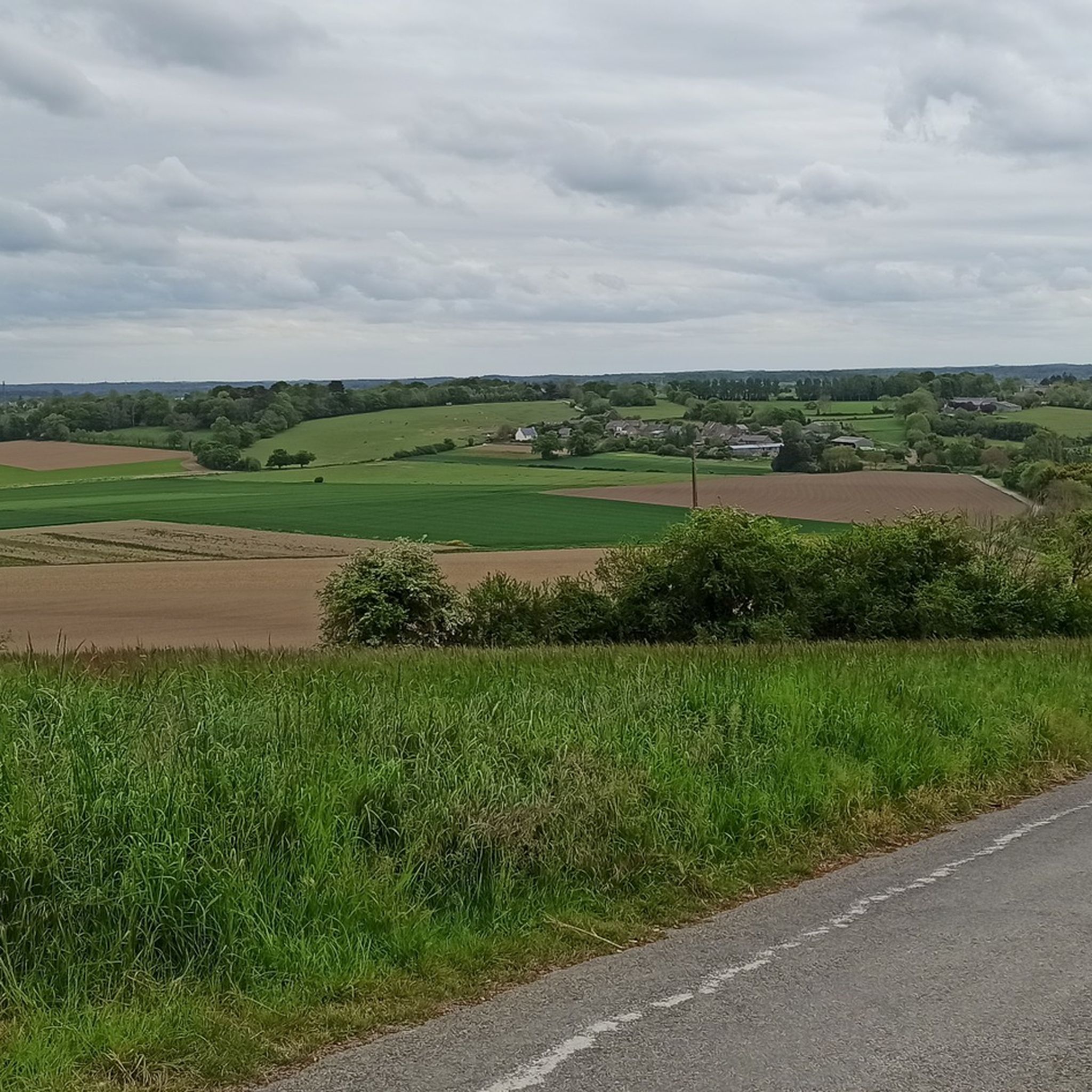
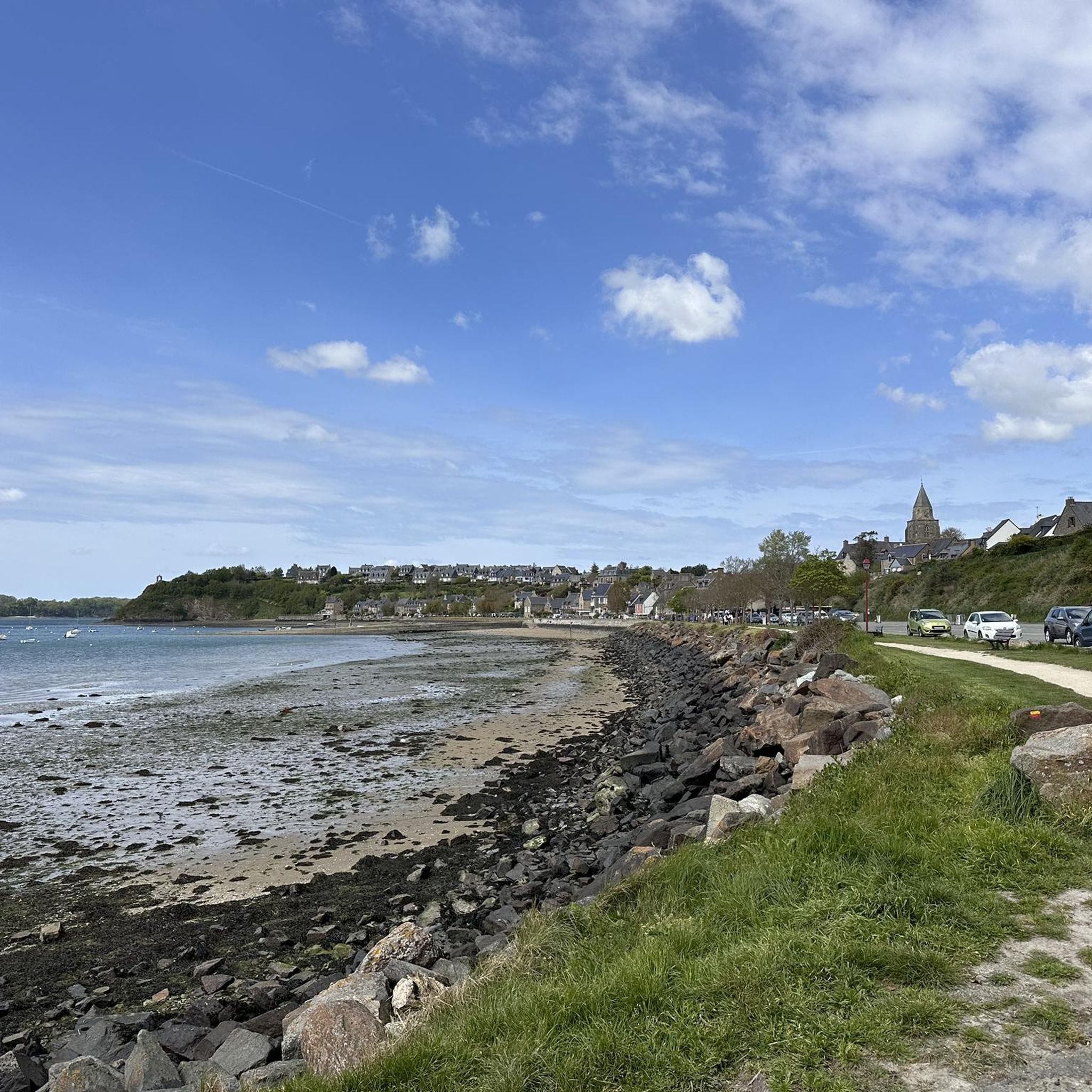
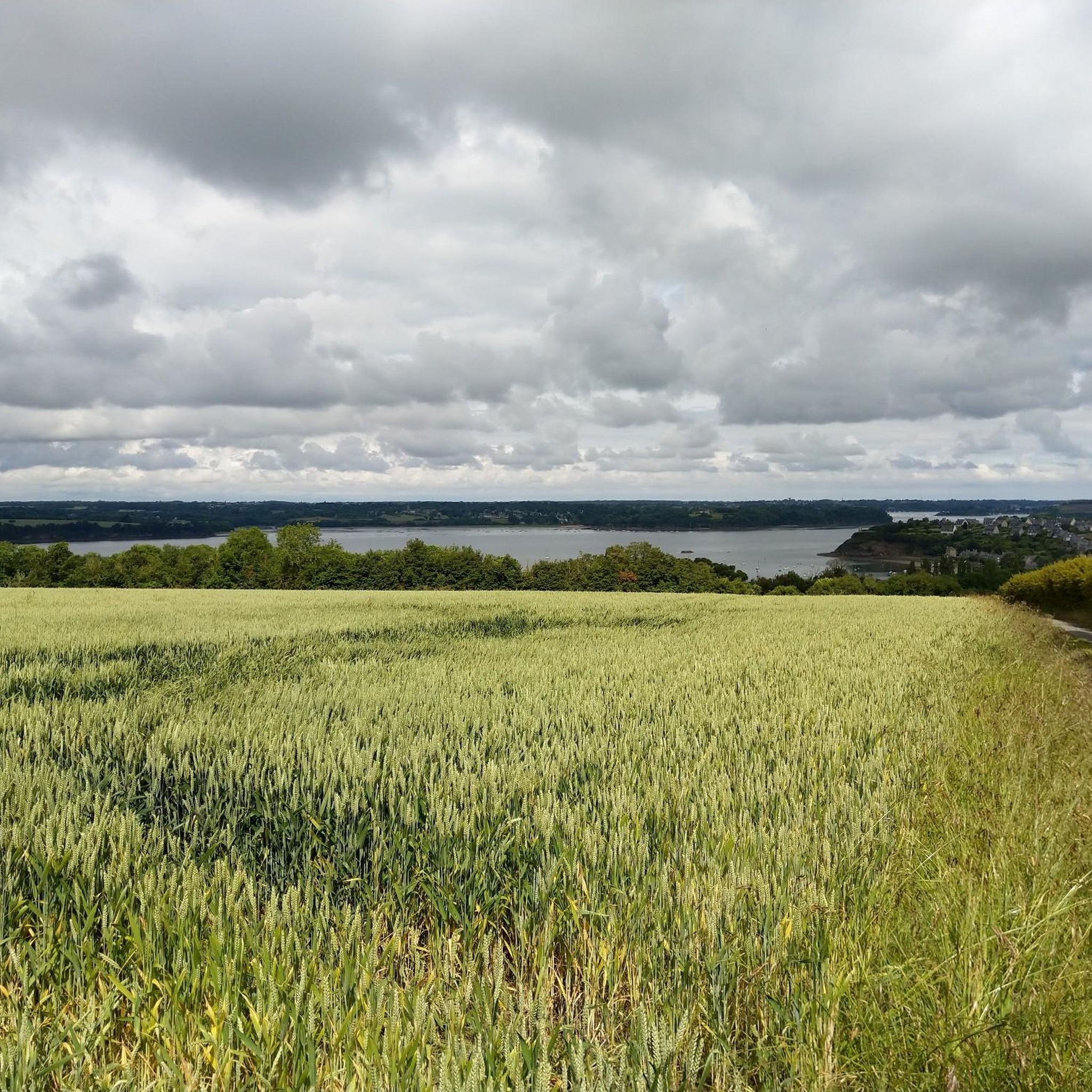
Road cycling routes around Saint-Suliac traverse the scenic Rance estuary region in Brittany, France. The terrain is characterized by a mix of coastal roads, river views, and gently rolling countryside. Road cyclists can expect routes that offer a blend of flat sections along the water and moderate ascents through the inland areas. The landscape features historic villages and open fields, providing varied backdrops for rides.
Best road cycling routes around Saint-Suliac
- The most popular road cycling route is Saint-Suliac –…
Last updated: October 18, 2026
4.8
(4)
95
riders
Easy road ride. Great for any fitness level. Mostly well-paved surfaces and easy to ride.
5.0
(1)
21
riders
27.9km
01:17
270m
270m
Easy road ride. Great for any fitness level. Mostly well-paved surfaces and easy to ride.

5.0
(1)
13
riders
27.2km
01:18
190m
190m
Moderate road ride. Great for any fitness level. Some segments of this route may be unpaved and difficult to ride.
11
riders
39.0km
01:43
320m
320m
Moderate road ride. Good fitness required. Mostly well-paved surfaces and easy to ride.
9
riders
Easy road ride. Great for any fitness level. Mostly well-paved surfaces and easy to ride.
Get access to more routes and recommendations from other explorers.
Already have an account?
Our route recommendations are based on thousands of hikes, rides, and runs completed by other people on komoot.
Start today with a free account
Your next adventure awaits.

Tips from the Community

It is precisely the breakwaters that make this view unique
0
0

The narrow streets of Intra-Muros, the old town of Saint-Malo, are lined with bistros, crêperies, international restaurants, boutiques, and souvenir shops. The Saint-Vincent Cathedral has artistic stained-glass windows. In contrast, the walkable ramparts offer sea views and access to Plage du Môle and Plage de Bon Secours beaches. At low tide, visitors can walk to the 1689 Fort National, located on a rock in the sea, as well as to the islands of Grand Bé and Petit Bé.
1
0

Impossible or extremely difficult to pass. Road uphill along motorway into Saint Malo closed for cyclists. Alternative trough park is extremely steep. Didi it with luggage and barely made it.
0
0

Impressive technical structure. Unfortunately, the exhibition was closed when we visited. I am interested in the question of whether there is a fish ladder and much more about the technology.
0
0
Very impressive. Part of the fortification.
1
0

The bridge is closed to car traffic until 2028, but passage is still possible on foot or by bicycle.
2
0

The Grand'Porte de Saint-Malo is the oldest surviving gate in the city, built in 1582. It consists of two massive round towers connected by a wall and served as the main entrance to the fortified old town (Intra-Muros) until 1708. The gate features niches containing statues of the Madonna and Child ("Notre-Dame des Miracles") and "Saint Christopher," the latter of which is associated with the legend of stopping the great fire of 1661. The Grand'Porte played an important role in defense, trade, and customs control.
16
0
From here you can see, in particular: the city walls and towers of Saint-Malo, the sea and the harbor area, part of the esplanade and sections of the beach promenade.
1
0
Frequently Asked Questions
How many road cycling routes are available around Saint-Suliac?
There are nearly 500 road cycling routes available around Saint-Suliac, offering a wide variety of options for different skill levels and preferences.
Are there easy road cycling routes suitable for beginners in Saint-Suliac?
Yes, Saint-Suliac offers over 100 easy road cycling routes. A great option for beginners is the Saint-Suliac – Beauchet Tidal Mill loop from Saint-Suliac, which is 24.3 miles (39.1 km) long and features views of the Rance estuary and the historic Beauchet Tidal Mill.
What kind of terrain can I expect on road cycling routes around Saint-Suliac?
The terrain around Saint-Suliac is characterized by a mix of coastal roads, scenic river views along the Rance estuary, and gently rolling countryside. You'll find a blend of flat sections near the water and moderate ascents through inland areas, passing through historic villages and open fields.
Are there any challenging road cycling routes for experienced cyclists?
Yes, for more experienced cyclists seeking a challenge, there are 20 difficult road cycling routes available. These routes often feature more significant ascents and longer distances, providing a robust workout amidst the region's varied landscapes.
What are some popular circular road cycling routes in the area?
Many routes around Saint-Suliac are designed as loops. A popular choice is the Saint-Suliac – Saint-Suliac loop from Saint-Suliac, a 19.4-mile (31.2 km) trail offering varied terrain through the local countryside. Another well-liked option is the Beauchet Tidal Mill – Saint-Suliac loop from Saint-Suliac, which covers 20.6 miles (33.1 km) through coastal and rural landscapes.
What is the best time of year for road cycling in Saint-Suliac?
The best time for road cycling in Saint-Suliac is generally from spring through early autumn (April to October) when the weather is mild and the days are longer. While winter cycling is possible, be prepared for cooler temperatures and potentially more unpredictable weather conditions.
Are there any notable landmarks or attractions to see along the road cycling routes?
Yes, the routes often pass by interesting landmarks. You can explore historical sites like the Saint-Malo Castle or the Bidouane Tower. Natural highlights include viewpoints such as La Pointe du Puits and Pointe de la Malouine, offering stunning estuary views.
What do other road cyclists enjoy most about cycling in Saint-Suliac?
The road cycling experience in Saint-Suliac is highly rated by the komoot community, with an average score of 4.4 stars from over 370 reviews. Cyclists frequently praise the beautiful estuary views, the charm of the rolling countryside, and the well-maintained village roads that define the region's routes.
Are there family-friendly road cycling routes in Saint-Suliac?
Many of the easy and moderate routes around Saint-Suliac are suitable for families, especially those with some cycling experience. Routes that stick closer to the Rance estuary often have flatter sections, making them more accessible. For example, the Roadbike loop from La Ville-ès-Nonais is an easy 16-mile (25.7 km) option.
Where can I find parking for road cycling routes in Saint-Suliac?
Parking is generally available in and around Saint-Suliac village, often near the starting points of popular routes. Look for designated parking areas within the village or at nearby attractions. For specific route starting points, check the individual tour details on komoot for more precise information.
Are there less crowded road cycling trails around Saint-Suliac?
While popular routes can see more traffic, the extensive network of nearly 500 routes means you can often find quieter roads, especially if you venture slightly off the most well-known paths. Exploring some of the inland routes or cycling during off-peak hours can lead to a more serene experience.
Can I find cafes or places to stop along the road cycling routes?
Yes, the region is dotted with charming villages and towns where you can find cafes, bakeries, and restaurants. Saint-Suliac itself offers options, and many routes pass through or near other communities along the Rance estuary, providing opportunities for refreshment stops. It's always a good idea to check your chosen route on komoot for points of interest and amenities.
Most popular routes around Saint-Suliac
Most popular attractions around Saint-Suliac

Get inspired with the komoot mobile app


Explore more
Browse the best Road cycling routes in other regions.
