The 6 Most Amazing Peaks around Bourg-Bruche
Best mountain peaks around Bourg-Bruche serve as an excellent starting point for exploring the Vosges Mountains. This region offers picturesque landscapes and diverse trails suitable for various fitness levels. It is known for its natural beauty, historical sites, and rewarding hiking experiences, providing access to significant natural sites and prominent summits.
Best mountain peaks around Bourg-Bruche
- The most popular mountain peaks is Champ du Feu, a summit that is a scenic mountainous region of Alsace, France. It is the…
Last updated: June 24, 2026
Champ du Feu
Highlight • Summit
Translated by Google •
Tip by

Champ du Feu Monoliths
Highlight • Natural Monument
Translated by Google •
Tip by

Sign up now to discover places like this
Get recommendations on the best single tracks, peaks, & plenty of other exciting outdoor places.
Sign up for free
The Hanging Cat
Highlight • Summit
Translated by Google •
Tip by

Roche des Abris
Highlight • Natural Monument
Translated by Google •
Tip by

Julius Tower (Tour du Climont)
Highlight • Monument
Translated by Google •
Tip by

Sign up for free to discover even more peaks around Bourg-Bruche.
Sign up for free
Already have an account?
Start today with a free account
Your next adventure awaits.
Login or Signup

Tips from the Community

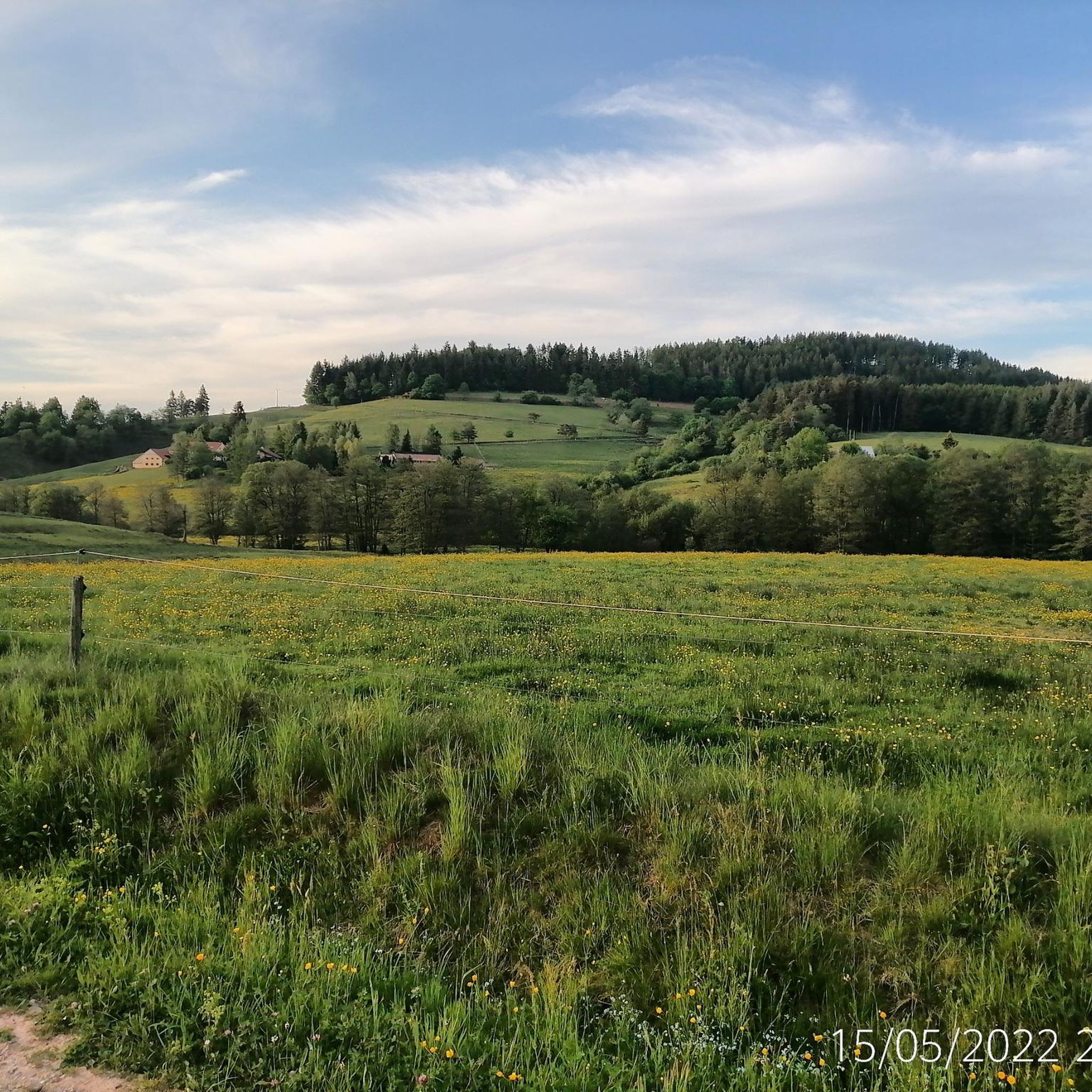
Champ du Feu, at 1099 meters, is the highest mountain in the Bas-Rhin department of the Vosges in Alsace. It is located between the villages of Belmont and Le Hohwald and consists of an extensive high plateau with forests, meadows, and moorlands. The area is a popular nature and recreational area. In summer, it is mainly used for hiking, mountain biking, and nature observation. In winter, there is a small ski resort with cross-country trails and simple slopes for winter sports. The stream La Serva originates from Champ du Feu and later forms the Cascade de la Serva. In clear weather, the summit offers wide views over the Vosges, the Rhine plain, and as far as the Black Forest. The area is particularly known for its tranquil nature, high moors, sunrises and starry skies, as well as well-marked hiking trails.
0
0

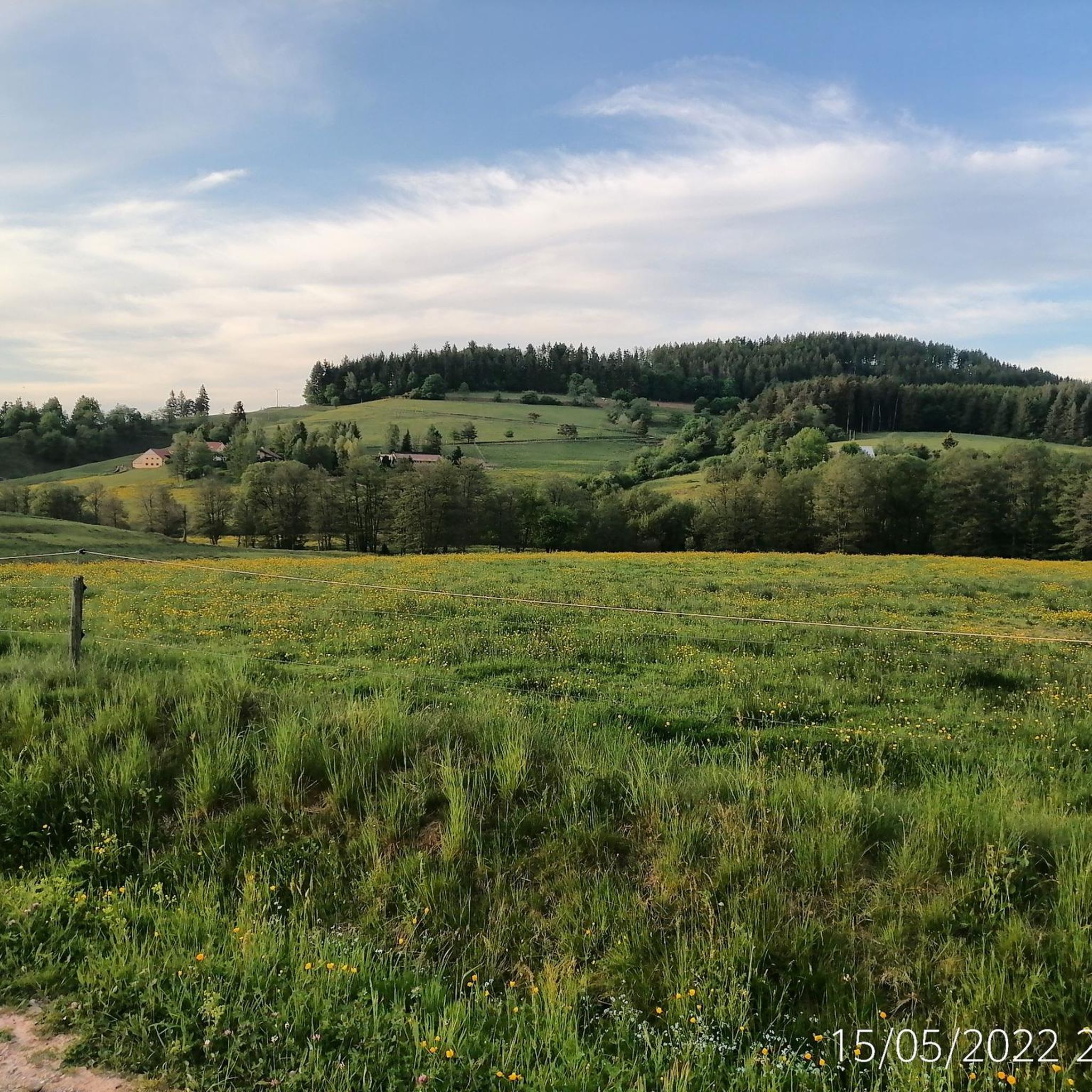
Viewpoint with wonderful views
1
0

Possible origins of the name: Celtic rituals: It is believed that solstice and sacrificial fires were lit here in Celtic times. Charcoal burners' fire: The "fire" could also refer to the fires lit by charcoal burners in the surrounding forests of the Vosges Mountains. Cattle pasture: A popular theory states that the French word "feu" is a corruption of the German word "Vieh," meaning "field of cattle," as it was a sparsely wooded plateau where cattle could graze. Text from the Internet
1
0

This rock shelter linked to a fort is that of the commander of the cartographic section. Inside there is a table, a stove, a bed, a telephone and electricity. This is where all the information obtained by the observers on the massif arrives.
0
0

No hanging pussy found... scam. 0 stars
2
3


The Juliusturm was built by the Vosges Club and you have a beautiful view over the Vosges.
0
0

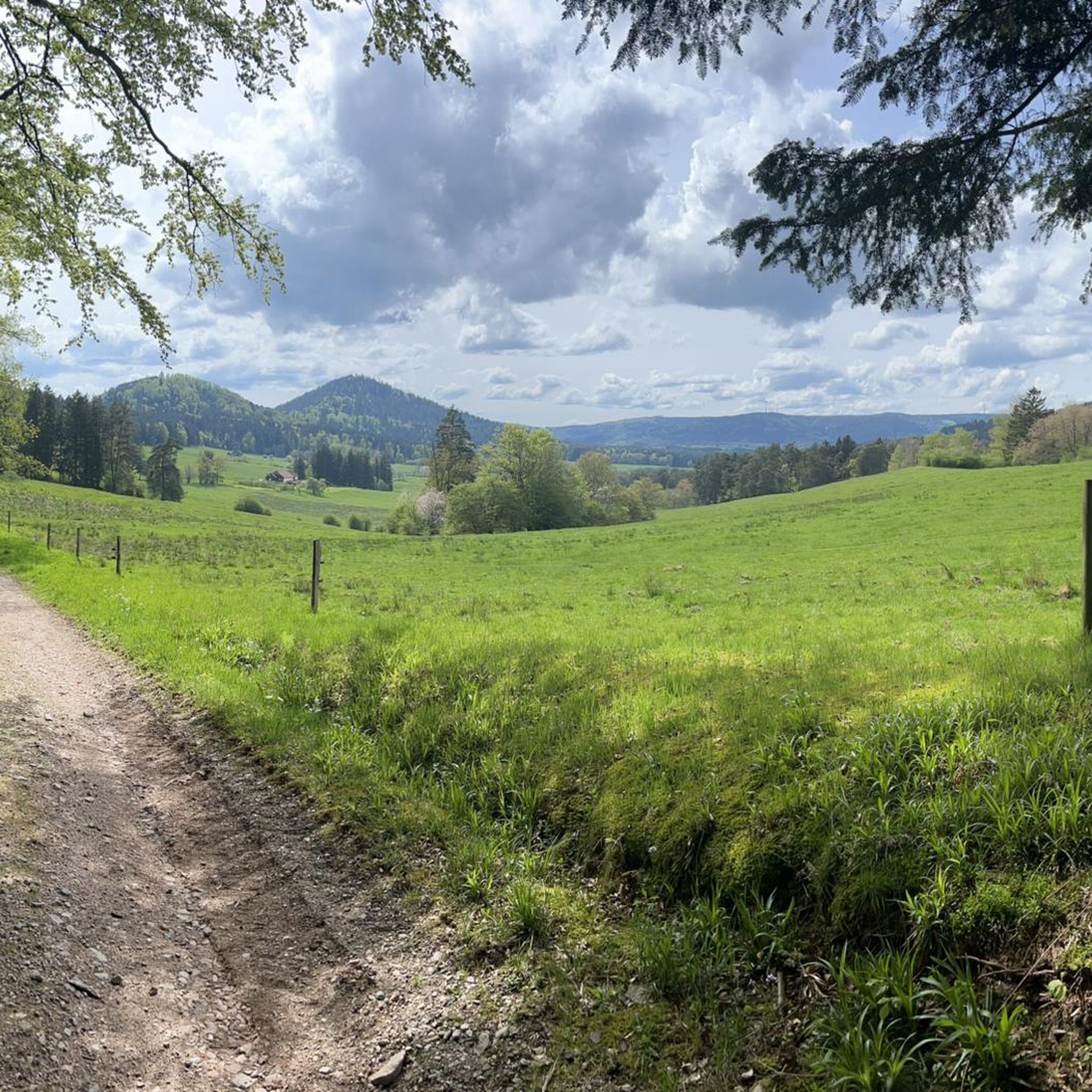
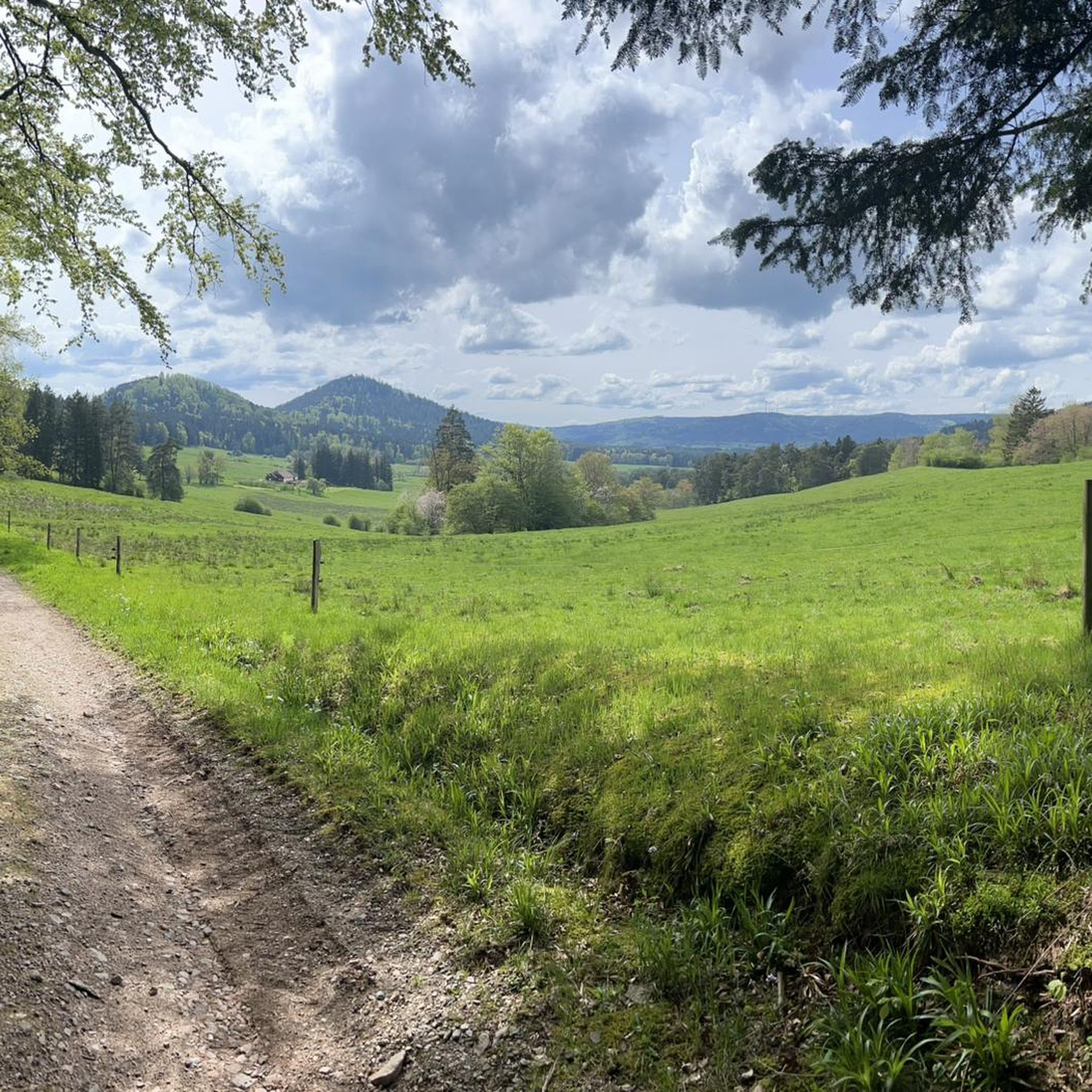
Beautiful view when the weather is nice... or not ☺️🌫️
2
0
Frequently Asked Questions
Which mountain peaks around Bourg-Bruche offer the best panoramic views?
For exceptional 360-degree panoramic views, consider visiting Julius Tower (Tour du Climont) on Climont. From its 17-meter-high summit, you can see the Bruche Valley, Donon, Saint-Dié-des-Vosges, Val de Villé, and even Haut-Koenigsbourg on clear days. Another excellent option is Tête du Coquin, which provides sweeping views from the Lorraine plain to the Alsatian mountains. Champ du Feu also offers stunning vistas from its lookout tower.
Are there any mountain peaks with historical significance in the Bourg-Bruche area?
Yes, Tête du Coquin holds significant historical importance, particularly from World War I. You can find concrete fortifications and an observation post dating back to 1916, used by the Germans for signaling. Additionally, Julius Tower (Tour du Climont) itself is a historical monument, built in 1897 by the Club Vosgien to honor its co-founder Julius Euting.
What are some easy mountain hikes suitable for families around Bourg-Bruche?
While specific 'family-friendly' categories aren't listed for all peaks, Tête du Coquin is noted to have trails varying in difficulty, including one described as 'super easy' and suitable for all levels, with a viewpoint just 0.42 kilometers from the start. Many trails leading to Climont also pass through peaceful forests and picturesque pastures, offering options for various fitness levels.
What kind of natural features can I explore on the mountain peaks near Bourg-Bruche?
The region is rich in natural beauty. Climont is known as the 'water tower' of the region, as three rivers—the Bruche, Giessen, and Fave—originate from its slopes. Champ du Feu features high-altitude thatch vegetation and raised peat bogs, offering a unique ecosystem to explore.
What outdoor activities can I do near these mountain peaks besides hiking?
Beyond hiking, the area around Bourg-Bruche offers excellent opportunities for cycling and mountain biking. You can find various routes, such as the 'Col d‘Urbeis — loop from Saâles' for road cycling or the 'Climont – Col de Steige loop from Saint-Blaise-la-Roche' for mountain biking. For more details, explore the Road Cycling Routes around Bourg-Bruche, Cycling around Bourg-Bruche, and MTB Trails around Bourg-Bruche guides.
Where can I find local products or refreshments while hiking near the peaks?
While hiking some paths on Climont, you might encounter the Ferme Auberge des Cîmes, which offers local products. There's also a popular Climont jam store in the vicinity, providing opportunities for culinary exploration during your visit.
What makes Climont a significant mountain in the Bruche Valley?
Climont is considered one of the most significant mountains due to its distinctive conical shape, its role as the 'water tower' where three rivers originate, and the iconic Julius Tower (Tour du Climont), which offers unparalleled panoramic views and is a historical landmark.
Can I find challenging hiking trails around Bourg-Bruche's mountain peaks?
Yes, the region offers a variety of hiking trails, including those with varying levels of difficulty. For instance, the ascent to Champ du Feu from Col du Steige is described as a constant steep climb, rewarding hikers with a lookout tower at the top. Many routes to Climont also provide challenging options through forests and pastures.
What do visitors enjoy most about the mountain peaks around Bourg-Bruche?
Visitors frequently praise the stunning panoramic views from peaks like Climont and Tête du Coquin. The historical significance of sites like Tête du Coquin's WWI fortifications and the unique natural features of Champ du Feu are also highly appreciated. The komoot community has actively shared over 120 photos and given more than 300 upvotes, highlighting the region's appeal for its natural beauty and diverse trails.
Are there any unique or unusual features among the peaks?
Yes, The Hanging Cat (La Chatte Pendue) is notable not only for its superb views but also for its unusual name, which has been the subject of many interpretations and historical linguistic transformations. Additionally, Roche des Abris is a unique historical rock shelter linked to a fort, featuring an interior equipped with a table, stove, bed, telephone, and electricity, serving as a command post during its operational period.
What is the highest point in the Bas-Rhin department near Bourg-Bruche?
The highest point in the Bas-Rhin department is Champ du Feu, which reaches an elevation of 1,098 meters above sea level. It features a 23-meter-high concrete tower, renovated in 2021, offering an expansive fresco of the landscape from its summit.
Most popular routes around Bourg-Bruche
Most popular attractions around Bourg-Bruche

Get inspired with the komoot mobile app


Explore more
See even more amazing summits around Bourg-Bruche with these guides:
