Top 9 Castles around Sulzmatt
Best castles around Sulzmatt are found in a region rich in medieval history, situated in the Haut-Rhin department of Alsace, France. This area features a diverse landscape, from vineyard-covered hills to mountain summits, providing varied settings for historical sites. The commune of Sulzmatt itself is home to Château Wagenbourg, a 15th-century castle, and is surrounded by numerous other impressive castles within easy reach. The region offers a blend of historical architecture and natural beauty, with many sites providing panoramic views.
…Last updated: October 10, 2026
The Three Castles of Eguisheim
Highlight • Castle
Translated by Google •
Tip by

Hohlandsbourg Castle
Highlight • Castle
Translated by Google •
Tip by

Sign up now to discover places like this
Get recommendations on the best single tracks, peaks, & plenty of other exciting outdoor places.
Saint Leo IX Chapel (Chapelle Saint-Léon IX), Éguisheim
Highlight • Religious Site
Translated by Google •
Tip by

Hagueneck Castle
Highlight • Castle
Translated by Google •
Tip by

Ruins of Hohrupf Castle
Highlight • Castle
Translated by Google •
Tip by

Sign up for free to discover even more castles around Sulzmatt.
Already have an account?
Start today with a free account
Your next adventure awaits.
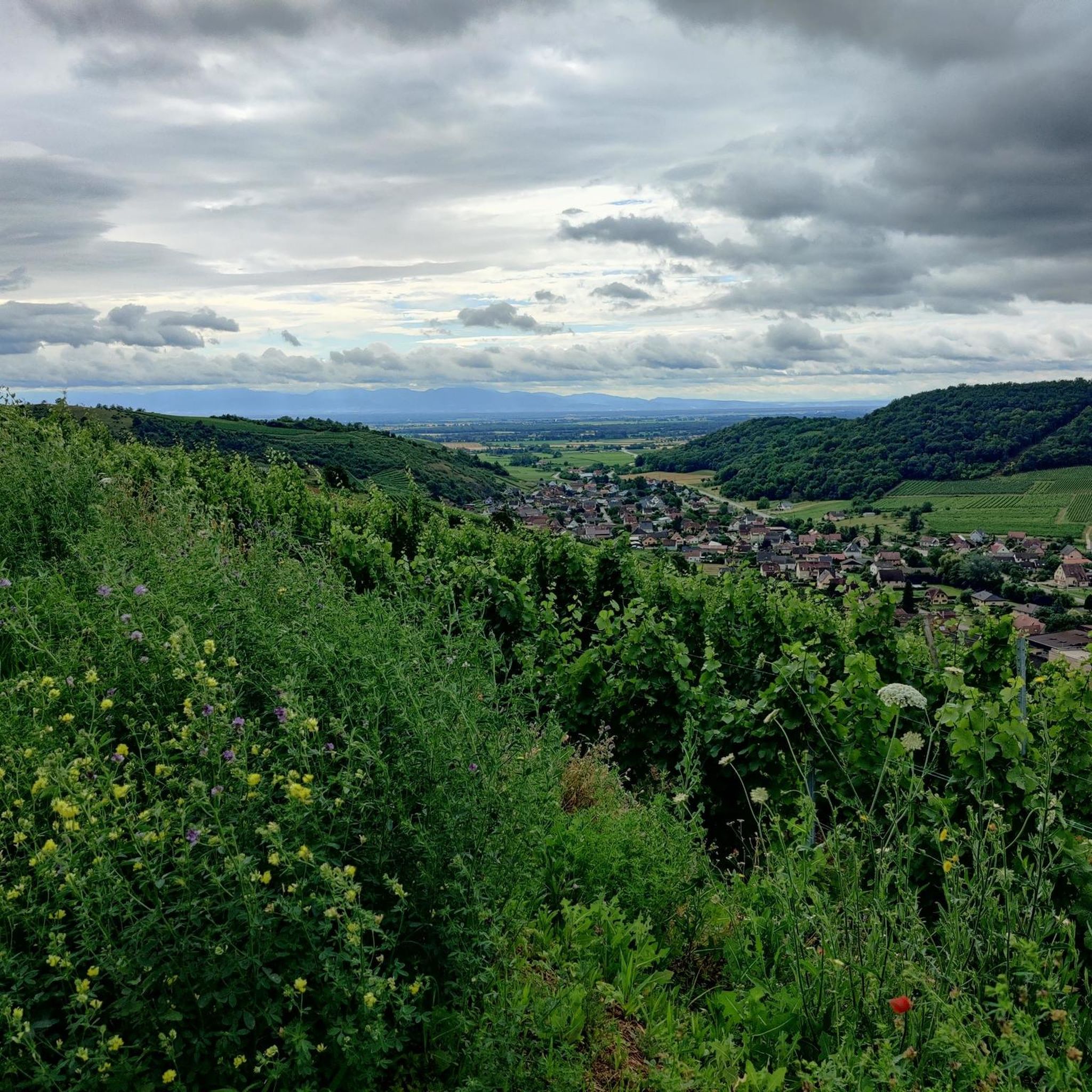
Tips from the Community

Well/spring. I did not test the water.
0
0

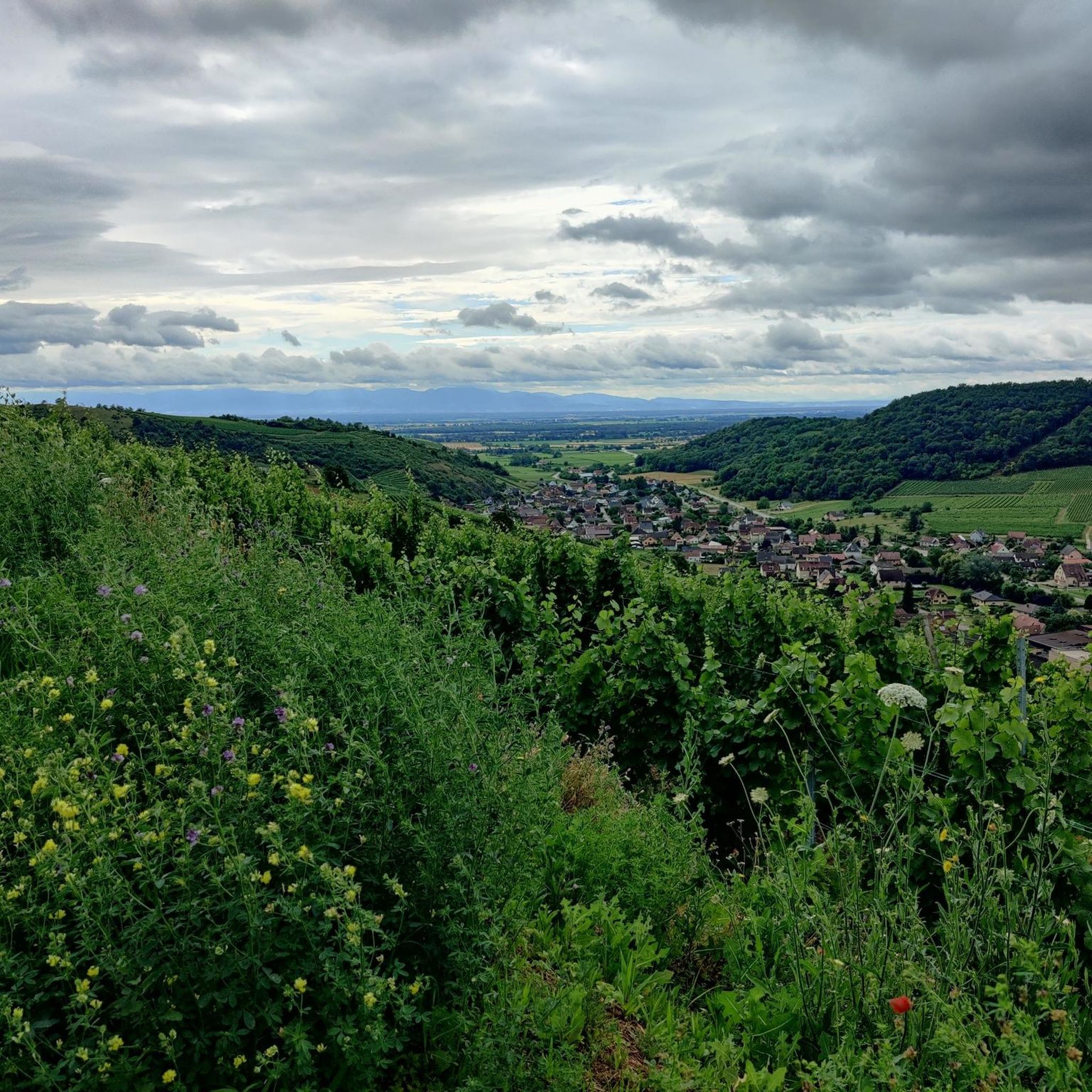
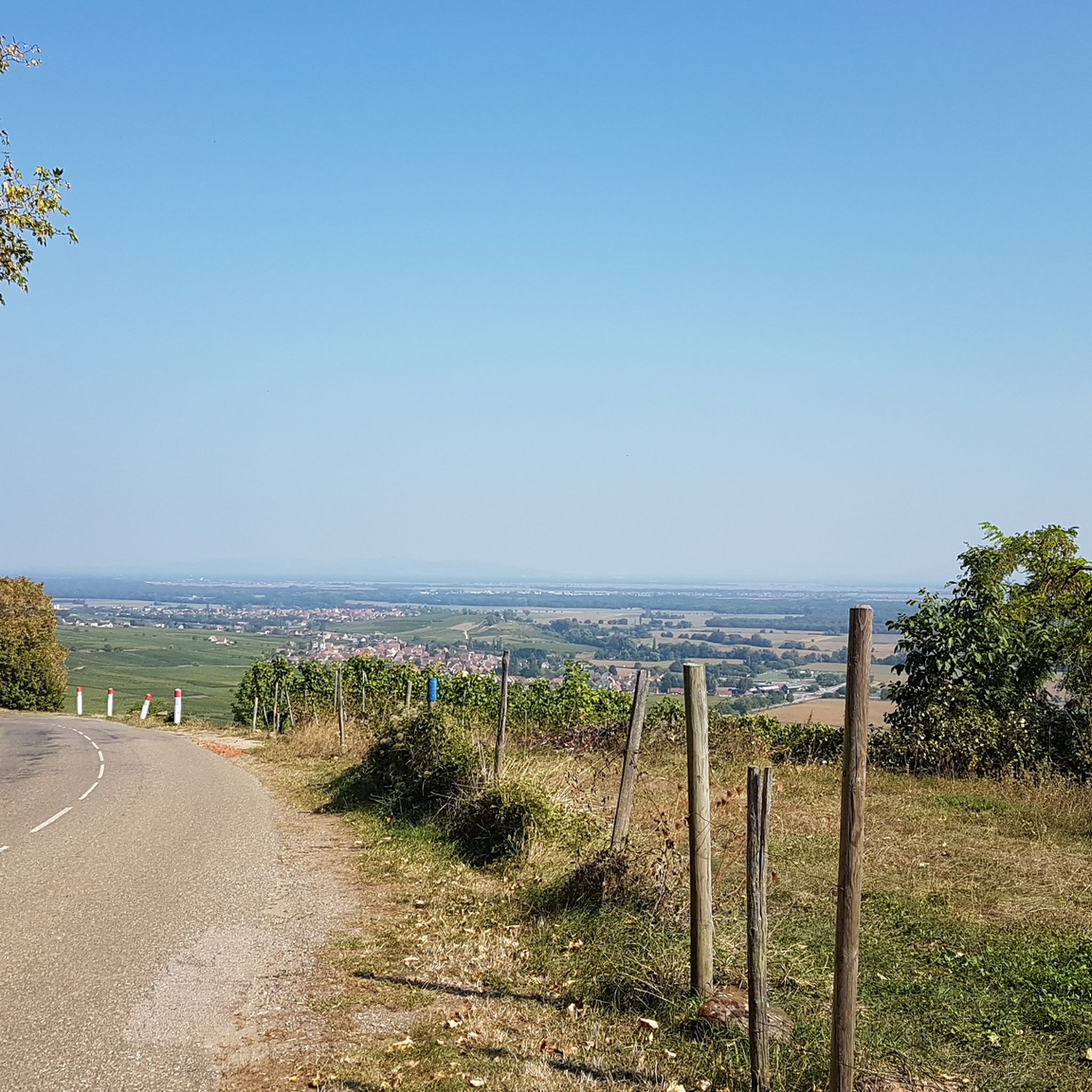
A stunning view of the Rhine plain and the Kaiserstuhl hills, well worth seeing. The tower can be easily climbed via a spiral staircase; the ascent is very narrow via a stone staircase inside the tower.
1
0

The Saint Leo Chapel was built in the Romanesque Revival style on the site where the keep once stood. It was consecrated in 1894 and dedicated to Saint Leo. Inside, Martin painted medallions on the vault in the 11th-century style, depicting seven scenes from the life of Saint Leo. The windows, dating from 1895, depict the saints of Alsace, many of whom were members of the Counts of Eguisheim.
7
1

The so-called “palace of the lords of Eguisheim” refers to the original castle of Eguisheim, which was built in the 8th century by Eberhard, Duke of Alsace and nephew of Saint Odilia 1. This castle formed the centre of the village and gave rise to the unique concentric urban structure of Eguisheim, with the houses and streets built in circles around the castle. Although the original castle has largely disappeared, its remains are integrated into the Chapelle Saint-Léon, which was built on the site of the old keep. This chapel and the surrounding Place du Château Saint-Léon today form the symbolic heart of the village. Here you will also find the statue of Pope Leo IX, who was born in this castle in 1002.
6
1

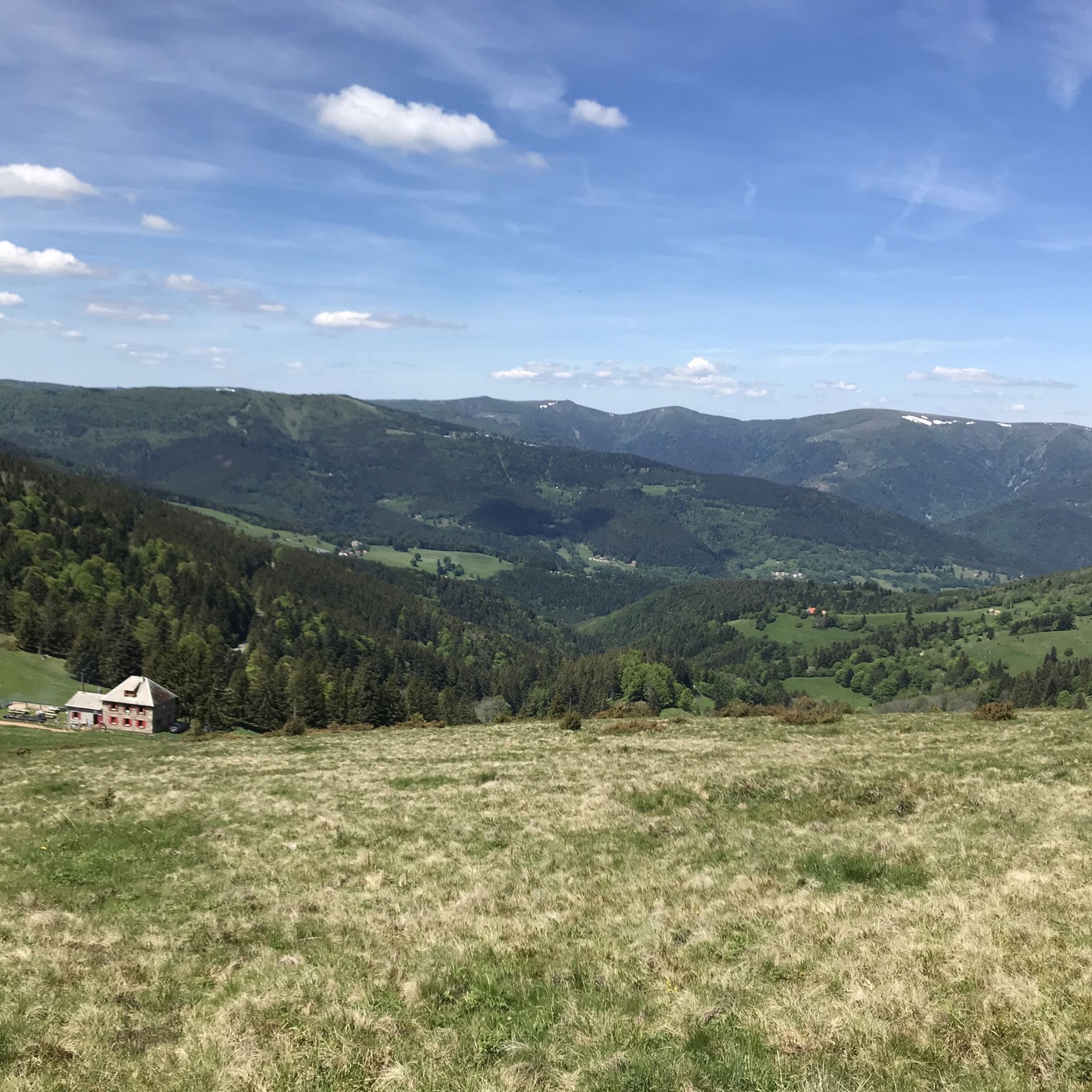
A magnificent castle! The walk along the castle walls offers beautiful views over the Alsatian wine-growing villages and towns... and especially the Vosges Mountains.
3
0

Beautiful view, entrance to the castle 10 euros.
3
0

Current entrance fee 10€ adult
4
0

You can go up there; nice view. By mountain bike, it is better to arrive via the lower path; just a few steps to go
0
0
Frequently Asked Questions
What historical significance do the castles around Sulzmatt hold?
The castles in the Sulzmatt region are deeply rooted in medieval history. For example, Château Wagenbourg, built in the late 15th or early 16th century, served to defend the Noble Valley. The Three Castles of Eguisheim date back to the 11th to 13th centuries, showcasing medieval architecture and territorial rivalries. Hohlandsbourg Castle, a 13th-century fortress, was once the seat of the Lords of Habsburg and is considered the largest fortified castle in Alsace.
Which castles offer the best panoramic views of the region?
Several castles provide stunning panoramic views. The Three Castles of Eguisheim offer breathtaking vistas of the Alsace plain and surrounding vineyards. Hohlandsbourg Castle boasts a magnificent 360-degree panorama over the Alsace plain and the Vosges Mountains, extending to Strasbourg Cathedral and the Swiss Alps on clear days. From Hagueneck Castle, you can enjoy a great view of the surrounding vineyards from its tower.
Are there family-friendly castles to visit near Sulzmatt?
Yes, Hohlandsbourg Castle is particularly family-friendly. It offers various events, re-enactments, and temporary exhibitions throughout the year, along with guided tours and family packages. The castle's comprehensive restoration and museum space make it an engaging experience for all ages. The Three Castles of Eguisheim are also suitable for families who enjoy hiking, as the ruins are accessed via scenic trails.
Can I combine a castle visit with hiking or other outdoor activities?
Absolutely! The region is ideal for combining castle exploration with outdoor activities. The Three Castles of Eguisheim are situated on a wooded hillside with numerous trails leading up to them, making it a popular spot for scenic hikes. For more extensive hiking options, you can explore routes like the 'Notre-Dame du Hubel – Path of reflection loop from Westhalten' or the 'Great Rock – Langenstein Menhir loop from Soultzmatt'. Find more hiking routes in the Hiking around Sulzmatt guide.
What makes Château Wagenbourg unique among the castles in the area?
Château Wagenbourg stands out as it has been owned by the Klein family since 1905 and transformed into a renowned winery. This unique blend of historical architecture and active viticulture allows visitors to connect with both the region's past and its famed wine production. While primarily a private property, it welcomes visitors for wine tasting and sales, offering a charming and distinct experience.
What is the best time of year to visit the castles around Sulzmatt?
The best time to visit the castles is generally from spring to autumn. Hohlandsbourg Castle, for instance, is open from the first Saturday in April to early November. During these seasons, the weather is pleasant for exploring the outdoor ruins and enjoying the panoramic views. Access to the Three Castles of Eguisheim is by foot only from November 15 to March 15, so warmer months offer easier access and better conditions for hiking.
Are there any castles that are mostly ruins, offering a glimpse into their original state?
Yes, the Three Castles of Eguisheim are primarily ruins, consisting of three distinct pink sandstone keeps. They offer a tangible link to medieval architecture with remnants of walls and keeps. Similarly, the Ruins of Hohrupf Castle provide a historical experience, though only a wall remains, offering a magnificent view of the Guebwiller valley.
What kind of events or exhibitions can I expect at the castles?
Hohlandsbourg Castle is known for being a cultural center, hosting various events, re-enactments, and temporary exhibitions throughout the year. It also features a permanent exhibition detailing the castle's history and daily life within its walls. It's advisable to check their official website for a current schedule of events.
Are there any religious or spiritual sites associated with the castles?
Yes, near the Three Castles of Eguisheim, you can find the Saint Leo IX Chapel (Chapelle Saint-Léon IX) in Éguisheim. Built in 1894 in the neo-Gothic style on the foundations of a castle dungeon, it is dedicated to Saint Leo IX, who was born in Eguisheim. The chapel contains relics of Saint Leo and features art depicting scenes from his life.
What are some lesser-known or unique castles to explore near Sulzmatt?
Beyond the more prominent sites, Hagueneck Castle offers a unique experience as a Romanesque complex nestled at the bottom of a valley, providing a different perspective on medieval architecture. While Château Wagenbourg is well-known locally for its winery, its private nature and historical significance as the sole survivor of seven fortified castles in the Noble Valley make it a unique visit.
What are the typical opening hours for the castles?
Opening hours vary by castle and season. Hohlandsbourg Castle is generally open from the first Saturday in April to early November, with specific hours varying. The Three Castles of Eguisheim are ruins and freely accessible, though access by foot only is enforced from November 15 to March 15. For Château Wagenbourg, which is a private winery, visits for wine tasting and sales are usually during business hours, and tours may be possible by appointment.
Are there any specific architectural features to look out for in these castles?
Yes, each castle has distinct features. Château Wagenbourg exhibits a distinctive architectural style from the late 15th/early 16th century, with a large corner tower featuring bossed embrasures and narrow molded windows. Inside, look for a grand staircase, vaulted rooms, and a spiral staircase. The Three Castles of Eguisheim are notable for their three distinct pink sandstone keeps. Hagueneck Castle is a Romanesque complex with a rectangular nucleus and two-storey palaces.
Most popular routes around Sulzmatt
Most popular attractions around Sulzmatt

Get inspired with the komoot mobile app


Explore more
Looking for the best castles somewhere else? Discover other guides around Sulzmatt:
