The best cycling routes around Château
4.6
(230)
1,706
riders
134
rides
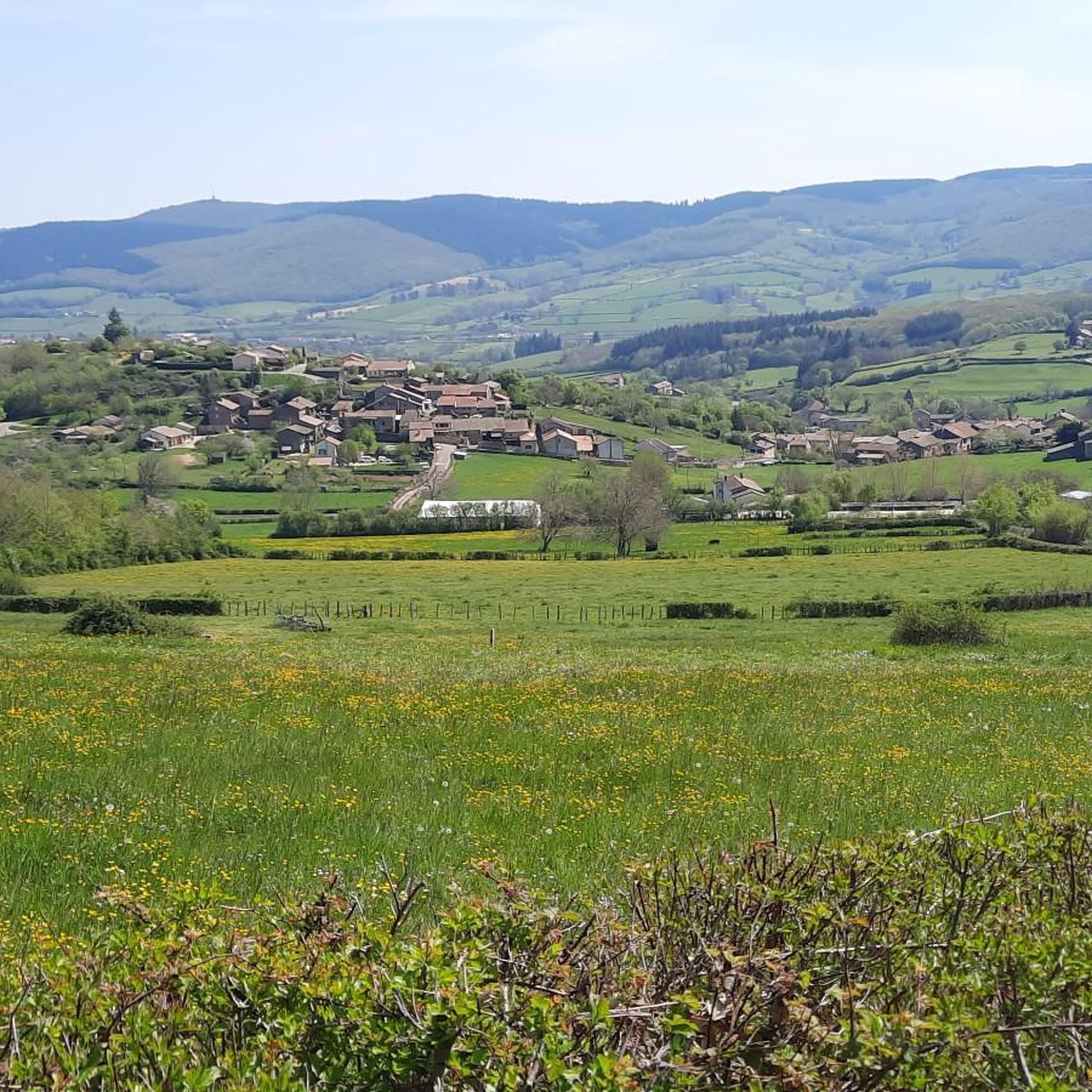
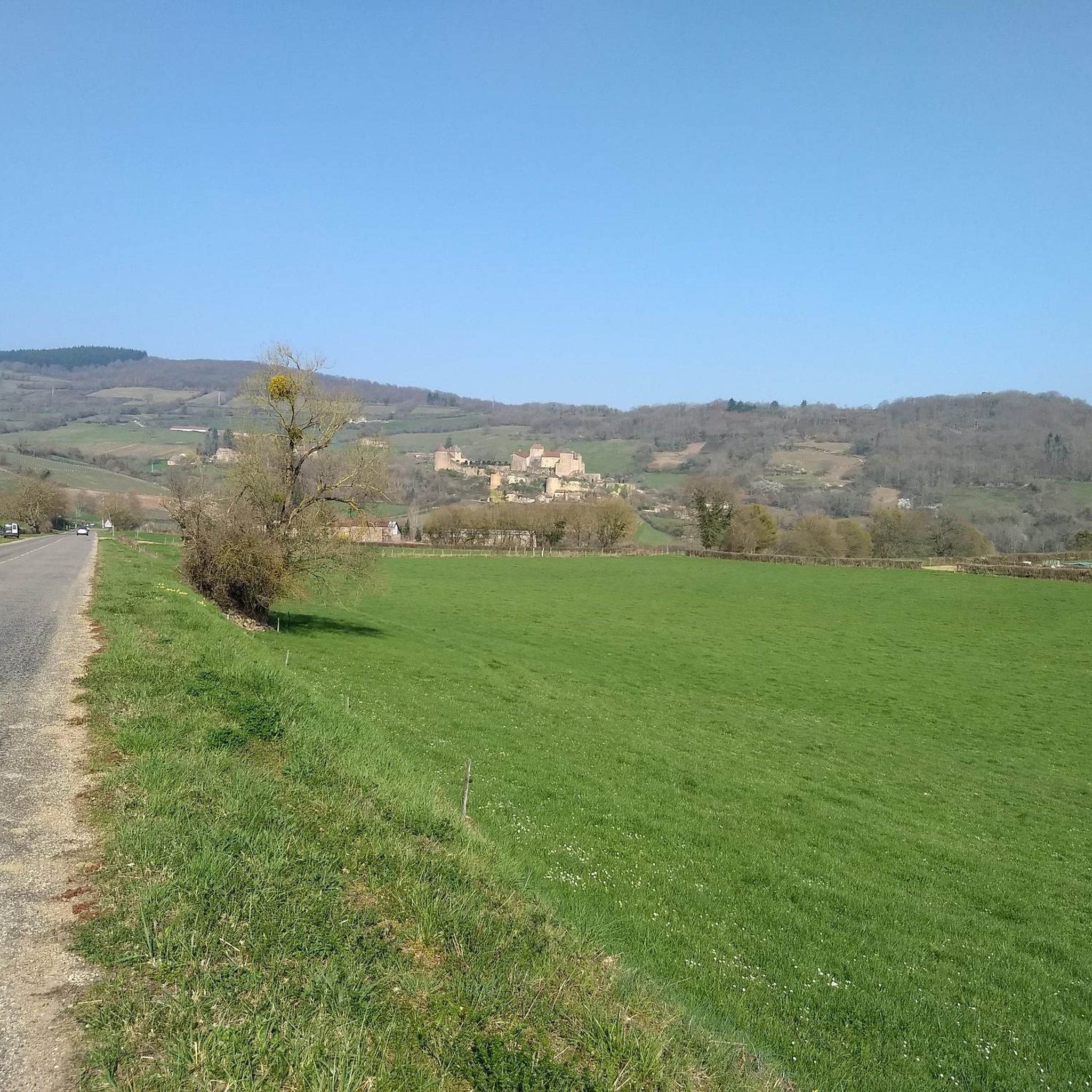
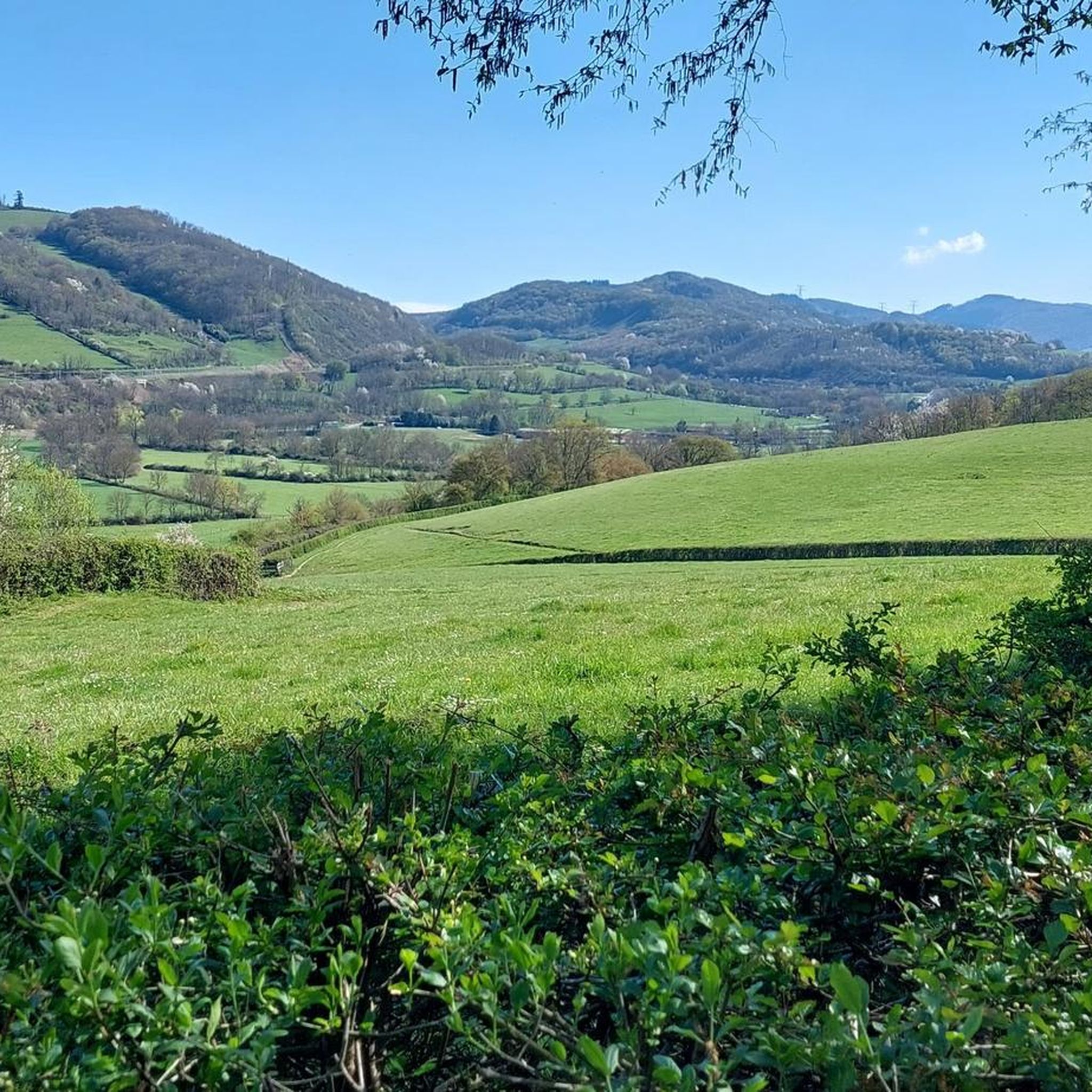
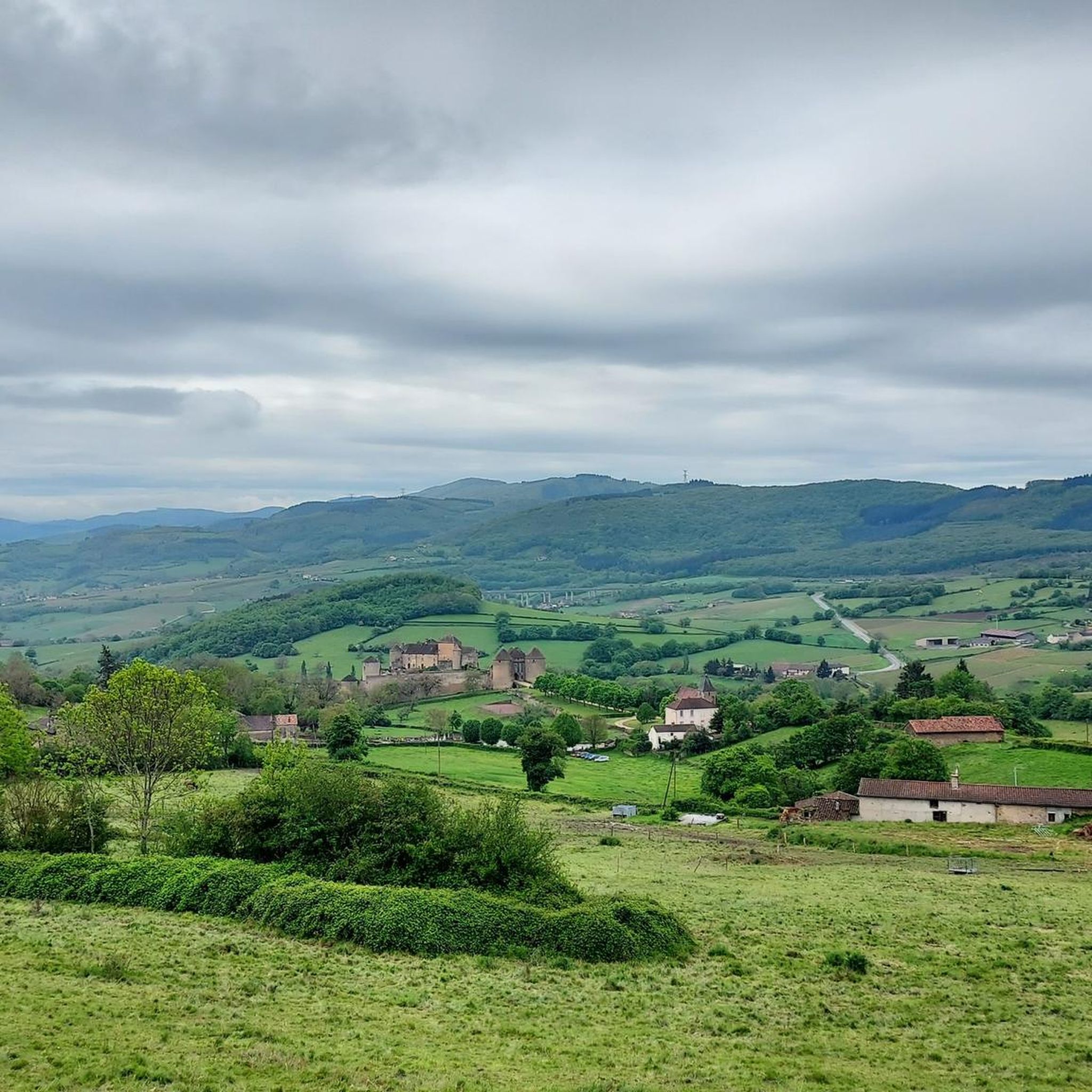
Touring cycling around Château is characterized by a landscape of rolling hills and greenways, offering varied terrain for cyclists. The region features a mix of open countryside, forested sections, and routes along former railway lines. Elevations are generally moderate, providing accessible cycling experiences across its network of trails.
Best touring cycling routes around Château
- The most popular touring cycling route is Cluny – Voie verte of Southern Burgundy loop from Jalogny, a 29.7 miles (47.9 km) trail that takes…
Last updated: June 20, 2026
5.0
(3)
30
riders
47.9km
02:49
280m
280m
Moderate bike ride. Good fitness required. Mostly paved surfaces. Suitable for all skill levels.
4.5
(2)
13
riders
24.7km
01:37
340m
340m
Moderate bike ride. Good fitness required. Mostly paved surfaces. Suitable for all skill levels.

Sign up for free
5.0
(2)
10
riders
39.5km
02:49
730m
730m
Hard bike ride. Very good fitness required. Mostly paved surfaces. Suitable for all skill levels.
5.0
(2)
11
riders
36.9km
02:31
630m
640m
Hard bike ride. Very good fitness required. Mostly paved surfaces. Suitable for all skill levels.
5.0
(1)
7
riders
28.0km
01:49
390m
390m
Moderate bike ride. Good fitness required. Mostly paved surfaces. Suitable for all skill levels.
Get access to more routes and recommendations from other explorers.
Sign up for free
Already have an account?
Our route recommendations are based on thousands of hikes, rides, and runs completed by other people on komoot.
Start today with a free account
Your next adventure awaits.
Login or Signup

Tips from the Community

Magnificent ride mostly in the shade on level, smooth ground.
0
0
The Tour des Fromages is a preserved defensive tower from the 11th century, which originally belonged to the ramparts of the powerful Abbey of Cluny. In the Middle Ages, the structure was still called Tour des Fèves (Bean Tower), as supplies were stored there. It got its current, curious name in the 19th century because a merchant used the tower to dry her homemade cheeses. Today, the tower is a popular attraction. Visitors can climb the 120 steps to the top. From up there, you have a beautiful 360-degree panoramic view over the entire medieval monastic city and the surrounding Burgundy landscape. Access to the tower is directly through the local Cluny tourist office.
1
0
A route through a green corridor, that brings joy.
1
0
The Château de Cormatin is a magnificent moated castle from the early 17th century. The castle was built between 1606 and 1625 by the Marquises d'Huxelles. It houses the best-preserved state rooms from the Louis XIII era in all of France. Famous are the "Gilded Rooms" (Salles Dorées) with lavish paintings, sculptures, and gilded ceilings. The extensive grounds, covering around 12 hectares, are among the most beautiful gardens in France. Highlights in the outdoor area include a large boxwood labyrinth, an open-air Baroque theatre, water features, and a historic vegetable garden. This spot only offers a brief glimpse of the rear grounds.
2
0
Great route through picturesque hilly cultural landscape.
1
0
The church of Saint-Valentin de Jalogny is a historic Roman Catholic church in the municipality of Jalogny in the Saône-et-Loire department. Built in the Romanesque style, the structure was erected in the 12th century. It replaced an earlier place of worship from 969, which had been built by the famous monks of the nearby Cluny Abbey. The striking, four-story bell tower with a pyramidal tent roof was built directly next to the choir. The lower part is preserved in its original state, while the upper floor was raised in the 19th century.
0
0
The Château de Saint-Point (also known as Château de Lamartine) in the Burgundy region originally dates from the 12th and 14th centuries. From 1820, it served as the residence for the famous French poet and politician Alphonse de Lamartine. Lamartine had the castle restored in the Anglo-Gothic style, which gives it its distinctive, romantic appearance with the round corner towers. It is a listed monument and can be visited as a museum.
0
0
The lake is located in the French region of Bourgogne-Franche-Comté, in the département of Doubs, at an altitude of around 850 meters. After Lac du Bourget and Lac d'Annecy, it is the third largest natural lake in France. It is a very popular swimming lake in the summer and offers opportunities for kayaking, windsurfing, and stand-up paddling. There is also a popular hiking trail around the entire lake, approximately 20 kilometers long.
0
0
Frequently Asked Questions
How many touring cycling routes are available in the Château area?
There are over 130 touring cycling routes in the Château area, offering a diverse range of experiences for cyclists. These routes are highly rated by the komoot community, with an average score of 4.6 stars from over 300 reviews.
Are there any easy touring cycling routes suitable for beginners or families?
Yes, the Château area offers several easy routes perfect for beginners or families. For instance, the Cluny – Greenway of Southern Burgundy loop from Grangelot is a moderate 12.2-mile (19.6 km) trail that follows a section of the Southern Burgundy Greenway, known for its gentle terrain. The region's greenways and former railway lines provide accessible cycling experiences.
What kind of terrain can I expect on touring cycling routes around Château?
The touring cycling routes around Château are characterized by a landscape of rolling hills and greenways. You can expect a mix of open countryside, forested sections, and routes along former railway lines. Elevations are generally moderate, making for accessible cycling experiences. The region's greenways, like those found on the Cluny – Voie verte of Southern Burgundy loop from Jalogny, offer extensive views of the rural landscape.
Are there any circular touring cycling routes in the Château area?
Yes, many routes in the Château area are designed as loops, allowing you to start and finish in the same location. Examples include the Cluny – Voie verte of Southern Burgundy loop from Cluny, a 15.4-mile (24.7 km) trail through varied countryside, and the Tramayes – Lake Saint-Point loop from Mazille.
What are some notable attractions or points of interest along the cycling routes?
While cycling in the Château area, you can explore several interesting landmarks. Highlights include the historic town of Cluny, the unique Tunnel du bois clair, and significant religious sites like the Sainte-Marie-Madeleine Church and the Church of Reconciliation. You can also visit the Lamartine House, a historical site.
What do other touring cyclists enjoy most about cycling in the Château area?
The Château area is highly rated by the komoot community, with an average score of 4.6 stars. Reviewers often praise the region's varied terrain, which includes greenways and gentle hills, making it suitable for different ability levels. The well-maintained paths and the scenic rural landscapes are frequently highlighted as favorite aspects.
Are there any more challenging touring cycling routes for experienced riders?
Yes, for more experienced riders seeking a challenge, the Château area offers several difficult routes. An example is the Côte de Chateau – Notre-Dame Church loop from Jalogny, which is a 22.9-mile (36.9 km) route with significant elevation gain, providing a more demanding experience.
What is the best time of year to go touring cycling in the Château area?
The Loire Valley, which encompasses areas like Château, is generally best for cycling from spring through early autumn (April to October). During these months, the weather is typically mild and pleasant, ideal for exploring the region's landscapes and attractions. Spring offers blooming vineyards, while autumn provides beautiful fall foliage.
Are there opportunities to see wildlife along the cycling routes?
Yes, the region's expansive forests, such as those in Sologne and the Chambord forest, provide shady routes and opportunities to observe wildlife. Cyclists might spot deer, roe deer, and wild boar, especially in quieter, more natural sections of the trails.
Can I find cafes or places to stop for refreshments along the routes?
While specific cafes are not listed for every route, the region is known for its charming riverside villages and historic towns. These often offer local restaurants and auberges where cyclists can stop for refreshments and sample regional cuisine and wines. The 'Accueil Vélo' (Cyclists Welcome) service in the broader Loire Valley ensures many establishments cater to cyclists.
Is the Château area suitable for touring cyclists interested in historical sites?
Absolutely. The region is renowned for its rich history. While the specific routes listed here are in the Southern Burgundy area, the broader context of 'Château' often refers to areas rich in historical landmarks. The nearby town of Cluny, for example, is a significant historical site.
Most popular attractions around Château

Get inspired with the komoot mobile app


Explore more
Browse the best Cycling routes in other regions.
