The best cycling routes around Stenay
4.3
(109)
769
riders
34
rides
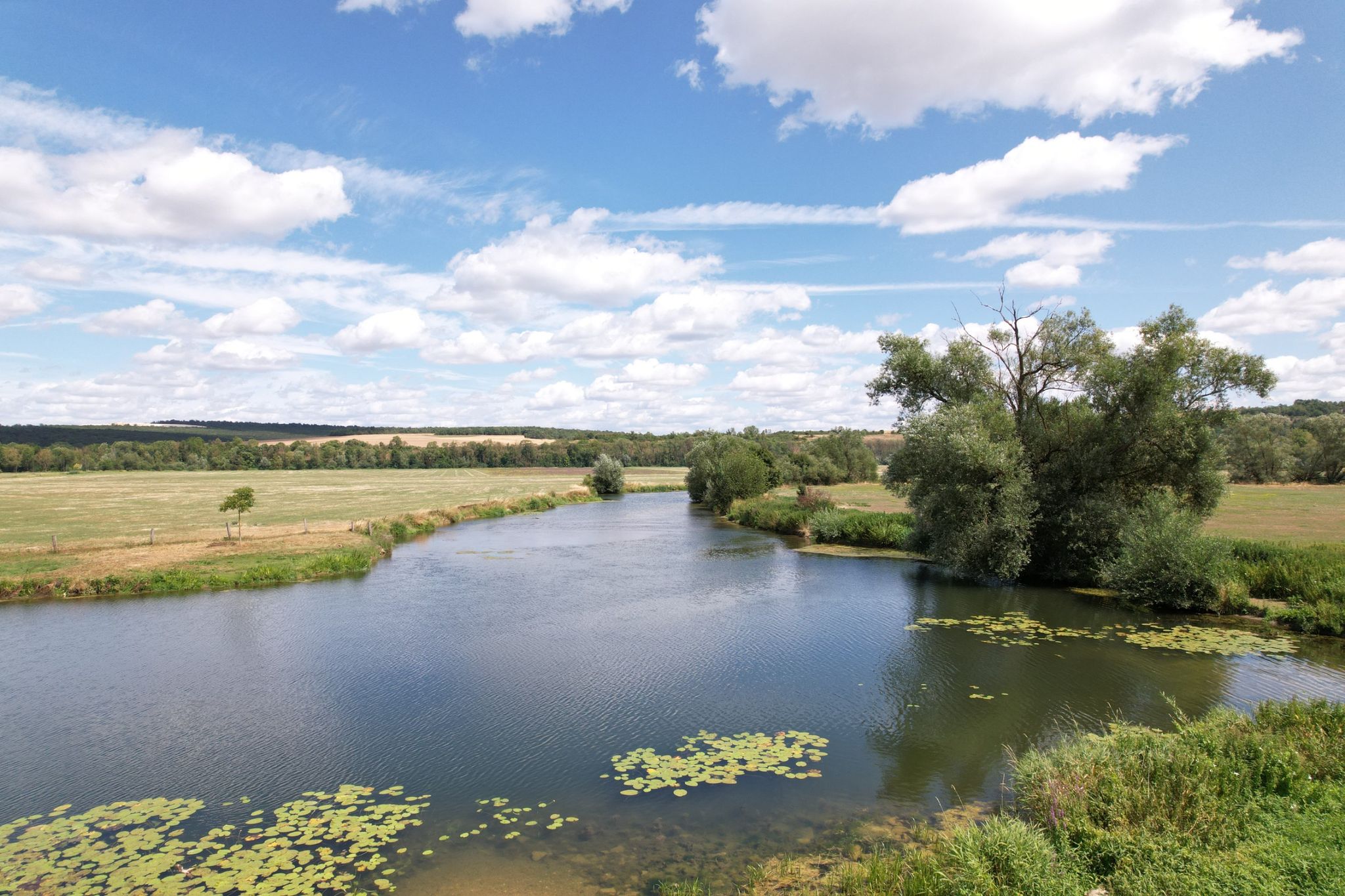
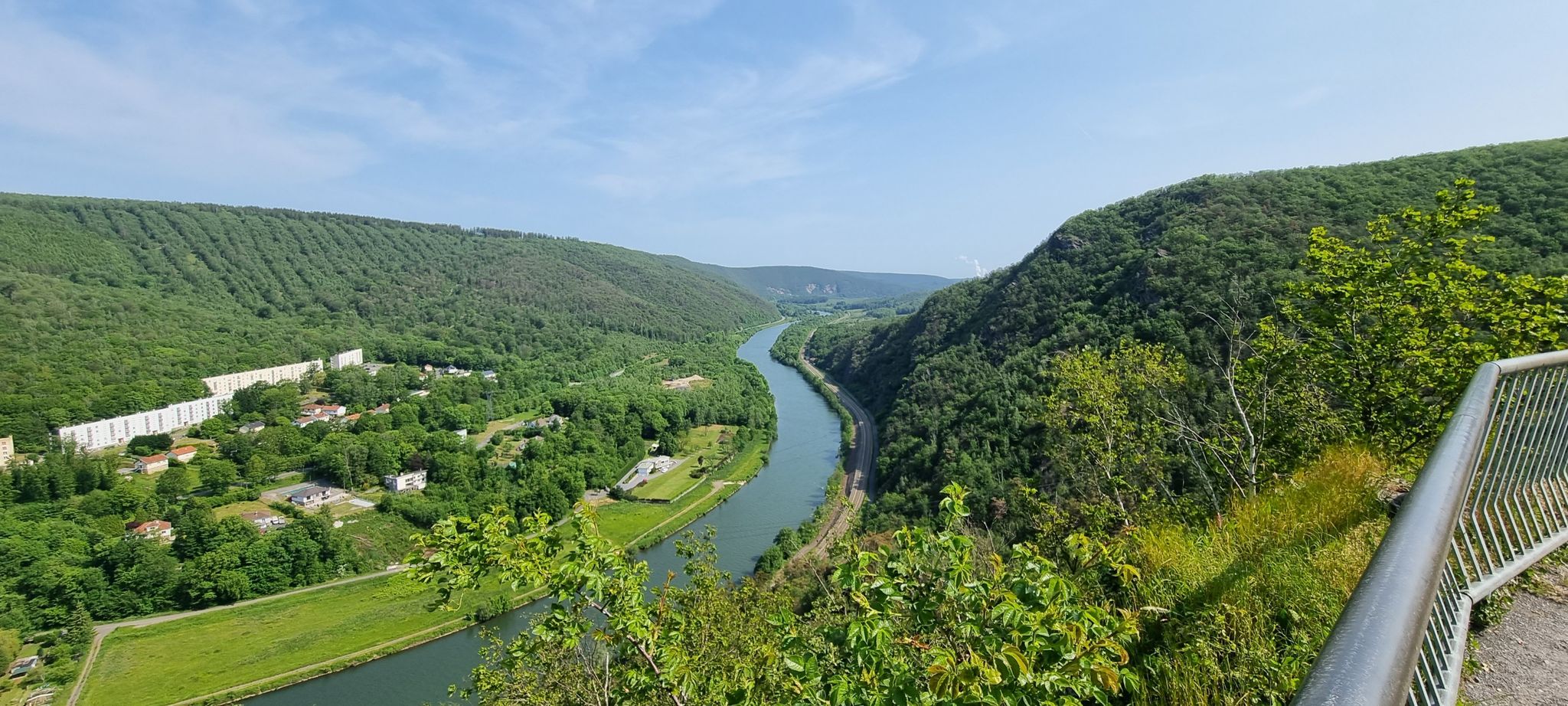
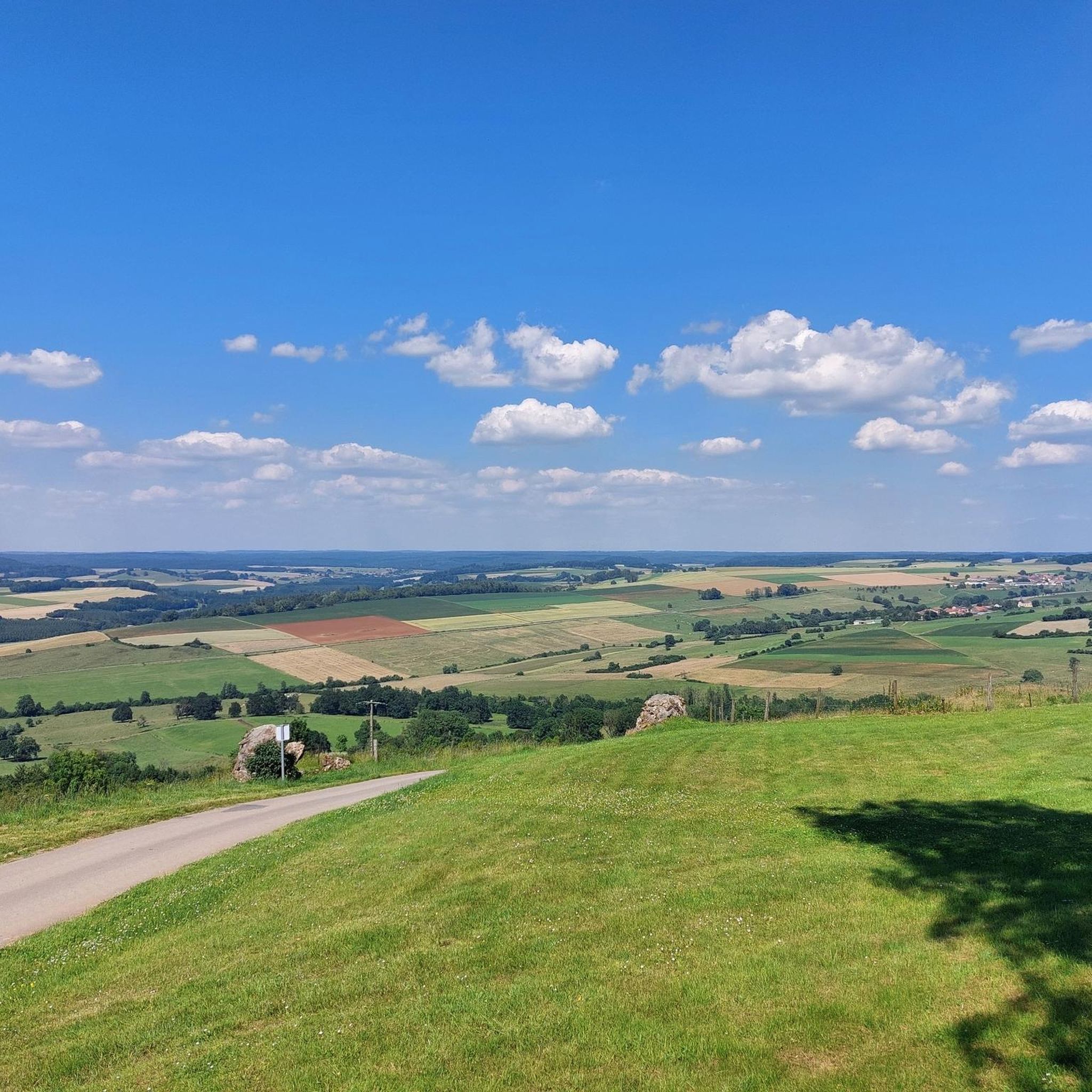
Touring cycling around Stenay is characterized by its gently sloping landscapes and access to the Meuse River. The region features picturesque natural elements such as huge flowery meadows and "pastel landscapes" along its routes. Many paths follow the Meuse River, including sections of the EuroVelo 19, offering car-free options like the Trans'Ardennes green route. The terrain is generally accessible, making it suitable for various cycling abilities.
Best touring cycling routes around Stenay
- The most popular touring cycling route is Pershing…
Last updated: October 4, 2026
3.8
(10)
31
riders
35.8km
02:07
180m
180m
Moderate bike ride. Good fitness required. Mostly paved surfaces. Suitable for all skill levels.
4.8
(4)
23
riders
42.9km
02:32
230m
240m
Moderate bike ride. Good fitness required. Mostly paved surfaces. Suitable for all skill levels.

3.0
(1)
7
riders
42.3km
02:37
410m
410m
Moderate bike ride. Good fitness required. Mostly paved surfaces. Suitable for all skill levels.
9
riders
75.5km
04:43
660m
660m
Hard bike ride. Very good fitness required. Mostly paved surfaces. Suitable for all skill levels.
8
riders
55.4km
03:19
380m
380m
Moderate bike ride. Good fitness required. Mostly paved surfaces. Suitable for all skill levels.
Get access to more routes and recommendations from other explorers.
Already have an account?
Our route recommendations are based on thousands of hikes, rides, and runs completed by other people on komoot.
Start today with a free account
Your next adventure awaits.



Tips from the Community

Nice town on the Maas with a good restaurant and bakery. From the N, the Maasroute is flat up to here. Up to Verdun, work is being done on a new route on the old railway line.
0
0
Nice, small campsite with good facilities.
0
0
Opposite the museum is a B&B: Moulin le Cygne. This is an excellent place to stay overnight. Both regarding the apartments and the very extensive breakfast. Moreover, the owners are very cordial.
0
0
Good views and nice to connect with history and religion, however on our tour the proposed route took us over some “roads” that were not suited to 4x4s or off road motorcycles that I used when I belonged to the TRF ( look it up online UK)
0
0

This charming little town has a significant historical and industrial heritage. It is nestled between the Meuse and the eponymous canal. Don't miss its beautiful Notre-Dame abbey church either.
4
1

The wash house dates from 1830 and is part of the city's historical heritage and part of an important group of monuments. Around the wash house there is an abbey founded in 874, a church from 1774 whose choir is classified as a historic monument or even a former chaplain's house from 1634.
0
0
Renaissance castle, built in the 17th century for Simon II de Pouilly, military governor of Stenay, on behalf of the Duchy of Lorraine. Its architectural interest lies mainly in the portals and verandas carved with great imagination and in the imposing dovecote. You can visit it in the company of a guide who will provide all the historical information. You will discover the two main courtyards, the dovecote, the park and the chapel. Visit by reservation only for groups in July and August.
0
0
The first mention of the village in the archives dates from the 11th century (1093, Lopeium), according to Liénard (19th century historian). At the death of the Count of Bar, Thibaut I, in 1214, two towers were built in Louppy corresponding to two castles installed at each end of the promontory dominating the Loison valley. It is for this reason that the village subsequently adopted the name Louppy-aux-deux-châteaux until the French Revolution. (see map of Villeneuve from 1700 here) In the heart of the village, near the church, the imposing remains of a tower and a curtain wall are still visible. Originally the castle (commonly called the High Castle) appeared in the shape of a quadrangle flanked by four corner towers and once had deep moats fed by the nearby Loison. In addition to the defensive character of the building, its residential function seems certain, given the presence of a fireplace and benches under the windows. These remains undoubtedly date from the 13th or 14th century, but the first mention of a castle dates from the end of the 12th century as the property of the Count of Bar Thibaut I. Subsequently, the Lordship of Louppy was shared between several families until the arrival of the Pouilly family in the 16th century. During the Hundred Years' War, in 1379, the castle was partially destroyed.
0
0
Frequently Asked Questions
What is the general terrain like for touring cycling around Stenay?
The region around Stenay is characterized by its gently sloping landscapes, making it ideal for touring cyclists who prefer less strenuous rides. Routes often follow the Meuse River, winding through verdant meadows and picturesque "pastel landscapes" that offer serene views.
How many touring cycling routes are available around Stenay?
There are over 40 touring cycling routes around Stenay, catering to various skill levels. You'll find options ranging from easy to difficult, with 5 easy, 19 moderate, and 16 difficult routes to explore.
Are there any family-friendly touring cycling routes in Stenay?
Yes, Stenay offers several family-friendly options, particularly along the Meuse Cycle Route (EuroVelo 19). A notable section is the Trans'Ardennes green route, which provides a completely flat and car-free path suitable for all ages and skill levels, connecting Stenay to Sedan.
What are some notable landmarks or attractions I can see along the touring cycling routes?
Along the routes, you can encounter several interesting sites. The 11th-century Romanesque Saint Martin's Church in Mont-devant-Sassey is a cultural stop. Other nearby attractions include the Citadel of Montmédy and the Pershing Bridge of Dun-sur-Meuse. Don't miss the Stenay Beer Museum for a unique local experience.
What do other touring cyclists enjoy most about cycling in Stenay?
The area is highly rated by the komoot community, with an average score of 4.4 stars from over 30 reviews. Cyclists often praise the serene Meuse River scenery, the gently sloping terrain, and the expansive flowery meadows that make for a picturesque and enjoyable ride.
Are there any circular touring cycling routes around Stenay?
Yes, there are several circular routes available. For example, the moderate Commemoration of the 1st World War – Pershing Bridge of Dun-sur-Meuse loop from Stenay offers a 62.5 km journey through historical areas and riverine scenery. Another option is the World War I Memorial – Pershing Bridge of Dun-sur-Meuse loop from Stenay, a 43.7 km trail through historical landmarks and the Meuse valley.
When is the best time of year to go touring cycling in Stenay?
The most popular months for touring cycling in Stenay are typically May and August. These months generally offer favorable weather conditions to enjoy the region's natural beauty, including its huge flowery meadows and pleasant river-side paths.
Are there any long-distance touring cycling routes that pass through Stenay?
Yes, Stenay is a key point along the Meuse Cycle Route (EuroVelo 19). This route provides extensive paths along the Meuse River. A specific 49.46 km leg stretches from Stenay to Sedan, characterized by its gently sloping terrain, while another section connects Dun-sur-Meuse to Stenay.
Can I find easy touring cycling routes suitable for beginners?
Absolutely. Stenay offers 5 easy touring cycling routes. An example is the Pershing Bridge of Dun-sur-Meuse – Menhir known as the Devil’s Hood loop from Laneuville-sur-Meuse, which is 33.7 km long with minimal elevation gain, making it a great choice for beginners.
Are there any routes that include cultural or historical points of interest?
Many routes in Stenay incorporate historical elements. The Commemoration of the 1st World War – Pershing Bridge of Dun-sur-Meuse loop from Stenay and the World War I Memorial – Pershing Bridge of Dun-sur-Meuse loop from Stenay both traverse areas with historical significance, offering a blend of natural beauty and cultural exploration.
What kind of natural features can I expect to see while cycling around Stenay?
The natural environment around Stenay is serene and accessible. You'll primarily encounter the Meuse River, which many routes follow, along with vast flowery meadows and what are often described as "pastel landscapes." The gently sloping terrain ensures a pleasant ride through verdant surroundings.
Most popular attractions around Stenay

Get inspired with the komoot mobile app


Explore more
Browse the best Cycling routes in other regions.
