Attractions and Places To See around Soulosse-Sous-Saint-Élophe - Top 20
Attractions and places to see around Soulosse-Sous-Saint-Élophe offer a journey through history and nature in the Vair valley. This village, historically known as Solimariaca, is situated on an ancient Roman road and is deeply connected to the legend of Saint Élophe. Visitors can explore historical landmarks, Gallo-Roman sites, and natural features tied to the area's rich past. The region provides a blend of cultural significance and natural landscapes for exploration.
Best attractions and places to see around Soulosse-Sous-Saint-Élophe
- The most…
Last updated: July 2, 2026
Bois-Chenu Basilica
Highlight • Monument
Translated by Google •
Tip by

Birthplace of Joan of Arc
Highlight • Historical Site
Translated by Google •
Tip by

Sign up now to discover places like this
Get recommendations on the best single tracks, peaks, & plenty of other exciting outdoor places.
Sign up for free
Saint-Remy Church in Domrémy-la-Pucelle
Highlight • Religious Site
Translated by Google •
Tip by

Joan of Arc Monument and Her Voices
Highlight • Monument
Translated by Google •
Tip by
Neuer Radweg
Highlight (Segment) • Other
Translated by Google •
Tip by

Sign up for free to discover even more attractions around Soulosse-Sous-Saint-Élophe.
Sign up for free
Already have an account?
Start today with a free account
Your next adventure awaits.
Login or Signup
Tips from the Community

The basilica is a landmark offering sweeping views over the Meuse Valley. Inside the church, large paintings depict scenes from the life of Joan of Arc.
2
0

⚜️ The Story of Joan of Arc ⚜️ She was born in Domrémy-la-Pucelle in 1412 to a peasant family. At the age of 13, she began hearing voices telling her to save France from the English. She left her village to seek help from King Charles VII and reclaim the French throne. Joan of Arc successfully convinced King Charles VII to grant her an army. She led this army to several victories against the English, including the liberation of Orléans in 1429. This victory marked a turning point in the Hundred Years' War and led to the defeat of the English. Joan of Arc was captured by the English in 1430. She was tried and burned at the stake in 1431 in Rouen. However, her popularity continued to grow after her death. She was canonized by the Catholic Church in 1920.
2
0

The Basilica of Bois-Chenu (Roman Catholic) is a gigantic monument in Domremy-La-Pucelle. It is also called the Basilica of Sainte Joan of Arc. It is located about 11 km from Neufchâteau on an idyllic hill in the Vosges Mountains. From this wooded hill, you can enjoy a magnificent view of the Meuse Valley, surrounded by numerous blooming orchids. The birthplace of France's national heroine is also nearby. The massive basilica was built from pink granite from the Vosges Mountains! Bronzes of Joan of Arc and her family stand in the forecourt of the basilica.
1
0
A beautiful Roman Catholic basilica built in honor of Joan of Arc, a very young resistance fighter during the Hundred Years' War between England and France. Accused of witchcraft at just 19 years old, she was tortured and burned at the stake. She was later beatified and canonized, and is venerated by the French people to this day.
1
0
Excellent off-road cycling path on our Meuse route! Wonderfully signposted and enjoyable! Magnificent scenery!
1
0
In this town, you'll visit the birthplace of the French heroine Joan of Arc. This simple house is adorned with a beautiful small garden and a statue of the Maid of Orleans. Opposite is the church with Joan's baptismal font. An interesting historical museum can also be visited. A contemporary historical event on our Meuse bike tour
2
0

The gate is open from 9am to 6pm and there is no admission charge
0
0

Joan of Arc's birthplace dates back to the 15th century and is now a listed building. Right next door is the new "Faces of Joan" presentation center, redesigned in 2020. Here, you can experience a detailed tour that paints a comprehensive picture of Joan—from her childhood in Domrémy to current adaptations of her story.
1
0
Frequently Asked Questions
What historical sites can I explore in Soulosse-Sous-Saint-Élophe?
Soulosse-Sous-Saint-Élophe is rich in history, particularly its Gallo-Roman past and connection to Saint Élophe. You can visit the Sainte-Épéothe Chapel, built in the 15th century on the supposed site of Saint Élophe's martyrdom, featuring a remarkable bas-relief. The Church of Soulosse-Sous-Saint-Élophe, dating back to the 12th century, houses the relics of Saint Élophe and has a unique recumbent effigy. Additionally, the village itself, known in antiquity as Solimariaca, is situated on an ancient Roman road, offering a journey through Gallo-Roman heritage.
Are there any museums in Soulosse-Sous-Saint-Élophe?
Yes, the village hosts an Archaeological Museum in its heart. This museum showcases a rich collection of Celtic and Gallo-Roman artifacts discovered within the commune, highlighting the area's significant past as a Gallo-Roman center.
What natural features are associated with the legend of Saint Élophe?
The legend of Saint Élophe is deeply intertwined with the natural landscape. You can discover Saint Élophe's Fountain, which, according to legend, sprang forth when the saint struck the ground with his staff. This fountain can be found during a walk through the forest on the hill, following in Saint Élophe's footsteps.
What outdoor activities can I do near Soulosse-Sous-Saint-Élophe?
The area around Soulosse-Sous-Saint-Élophe offers various outdoor activities. You can enjoy road cycling, touring cycling, and mountain biking. For example, there are routes like the 'In the Land of Joan of Arc Loop' for road cycling, or the 'Bois-Chenu Basilica – voie verte loop' for touring cycling. Mountain bikers can explore trails such as the 'Saint Nicholas Church – View of Bourmont loop'. You can find more details on these and other routes on the respective guide pages for Road Cycling, Cycling, and MTB Trails around Soulosse-Sous-Saint-Élophe.
Are there family-friendly attractions in the area?
Yes, several attractions are suitable for families. The Bois-Chenu Basilica, the Birthplace of Joan of Arc, and the Saint-Remy Church in Domrémy-la-Pucelle are all categorized as family-friendly. These sites offer historical and cultural insights that can be engaging for all ages.
What is the significance of the Giant Statue of Saint Élophe?
The Giant Statue of Saint Élophe stands prominently beside the Church of Soulosse-Sous-Saint-Élophe, overlooking the Vair valley. It serves as a powerful symbol of the village's deep and enduring connection to the saint's legend and his central role in the local heritage.
What is the 'Forest Walk' and where does it lead?
The 'Forest Walk' allows visitors to follow in Saint Élophe's footsteps. This walk through the forest on the hill leads to the legendary Saint Élophe's Fountain and ultimately to the village of Saint-Élophe itself, offering a blend of nature and historical narrative.
What do visitors particularly enjoy about the attractions near Soulosse-Sous-Saint-Élophe?
Visitors frequently appreciate the historical depth and scenic beauty of the area. The Bois-Chenu Basilica is praised for its breathtaking views and impressive architecture. The Birthplace of Joan of Arc offers well-prepared information about the late Middle Ages, providing a good impression of her early life. The Saint-Remy Church is admired for its magnificent Gothic style and beautiful stained glass windows.
Are there any newly developed cycling paths in the region?
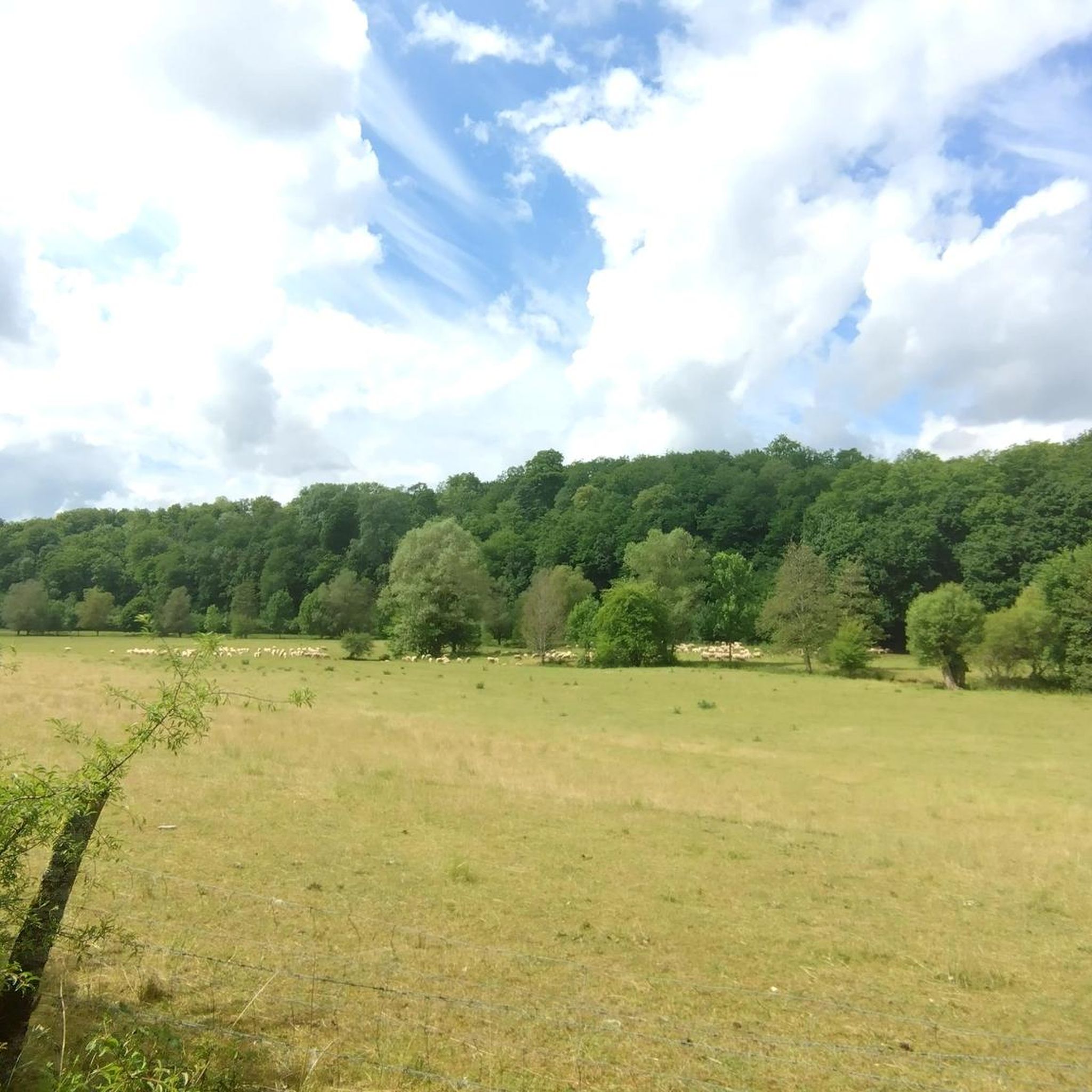
Yes, there is a newly constructed section of EuroVelo 19, also known as the Meuse Cycle Route, which offers excellent conditions for cyclists. This path features smooth asphalt for a pleasant ride, interesting works of art along the route, and beautiful fields and meadows to discover. It's well-signposted and provides a very comfortable new surface for cycling.
What is the historical context of Soulosse-Sous-Saint-Élophe's name?
The village of Soulosse-Sous-Saint-Élophe was known in antiquity as Solimariaca. Its location on an ancient Roman road further emphasizes its significant Gallo-Roman heritage, making the entire village a journey through history.
Can I find information about Joan of Arc near Soulosse-Sous-Saint-Élophe?
Absolutely. The region is closely associated with Joan of Arc. You can visit the Bois-Chenu Basilica, built near where she is said to have heard her voices. The Saint-Remy Church in Domrémy-la-Pucelle is where Joan of Arc was baptized, and her Birthplace, a 15th-century house, is also open to visitors, offering insights into her early life.
Most popular routes around Soulosse-Sous-Saint-Élophe

Get inspired with the komoot mobile app


Explore more
Still not found the Highlight you’re looking for? See guides of the top attractions in other regions:
