The best walks and hikes around Jalogny
4.7
(458)
1,786
hikers
223
hikes
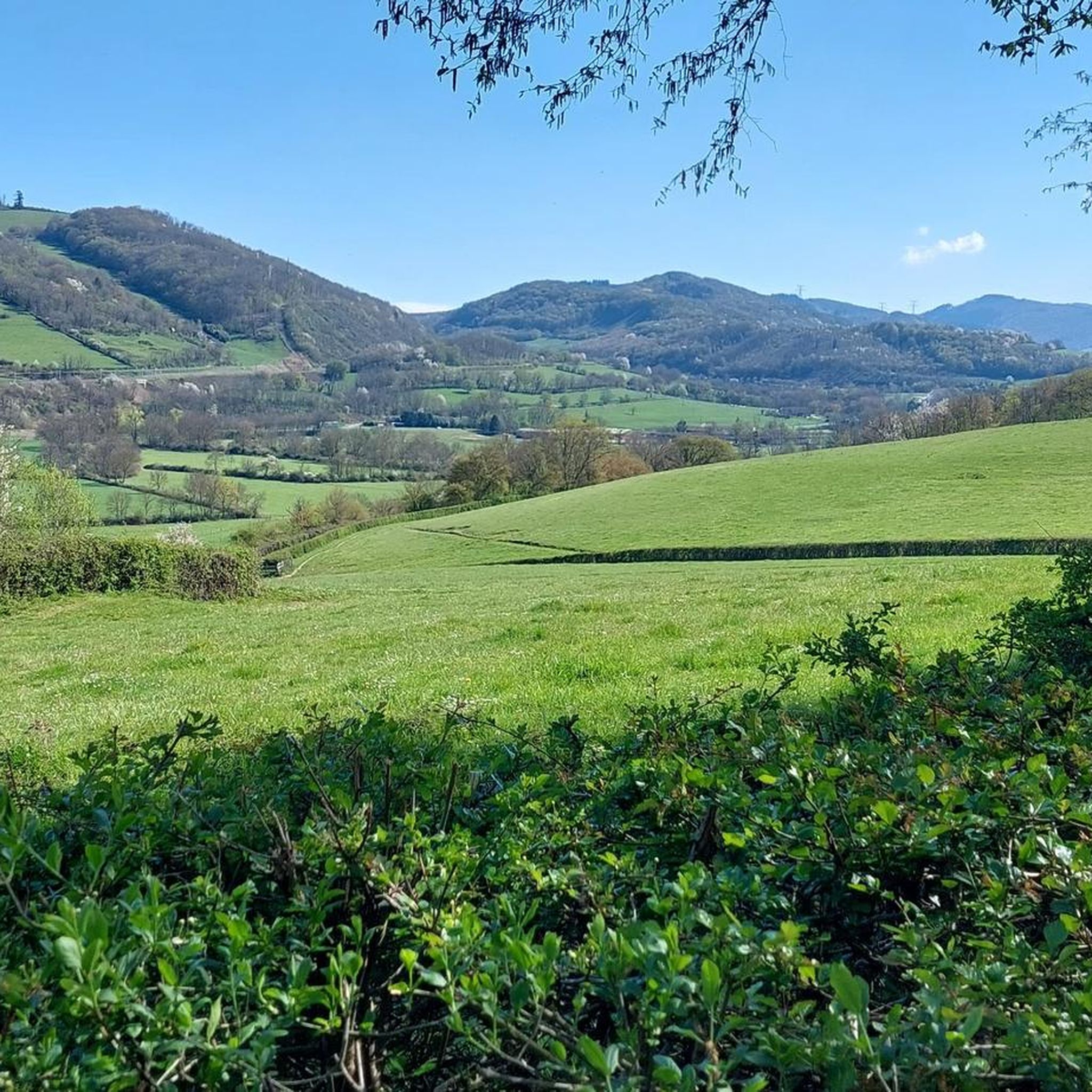
Hiking around Jalogny offers diverse landscapes for outdoor exploration. The region is characterized by picturesque bocage landscapes, a mix of traditional woodland and pasture, with the Grosne river forming part of its southeastern border. Predominantly prairies and forests, the area also features Mont Saint-Pierre, providing varied terrain for hikers.
Best hiking trails around Jalogny
- The most popular hiking route is Notre-Dame Church – Abbey Park of Cluny loop from Cluny, a 7.9 miles (12.7 km) trail that takes 3…
Last updated: June 27, 2026
4.2
(6)
26
hikers
7.71km
02:02
70m
60m
Moderate hike. Good fitness required. Easily-accessible paths. Suitable for all skill levels.
5.0
(4)
19
hikers
10.4km
02:59
250m
250m
Moderate hike. Good fitness required. Easily-accessible paths. Suitable for all skill levels.

Sign up for free
4.2
(5)
13
hikers
9.51km
02:50
290m
290m
Moderate hike. Good fitness required. Easily-accessible paths. Suitable for all skill levels.
4.0
(2)
8
hikers
8.40km
02:22
180m
180m
Moderate hike. Good fitness required. Easily-accessible paths. Suitable for all skill levels.
6
hikers
5.25km
01:21
30m
30m
Easy hike. Great for any fitness level. Easily-accessible paths. Suitable for all skill levels.
Get access to more routes and recommendations from other explorers.
Sign up for free
Already have an account?
Our route recommendations are based on thousands of hikes, rides, and runs completed by other people on komoot.
Start today with a free account
Your next adventure awaits.
Login or Signup

Tips from the Community

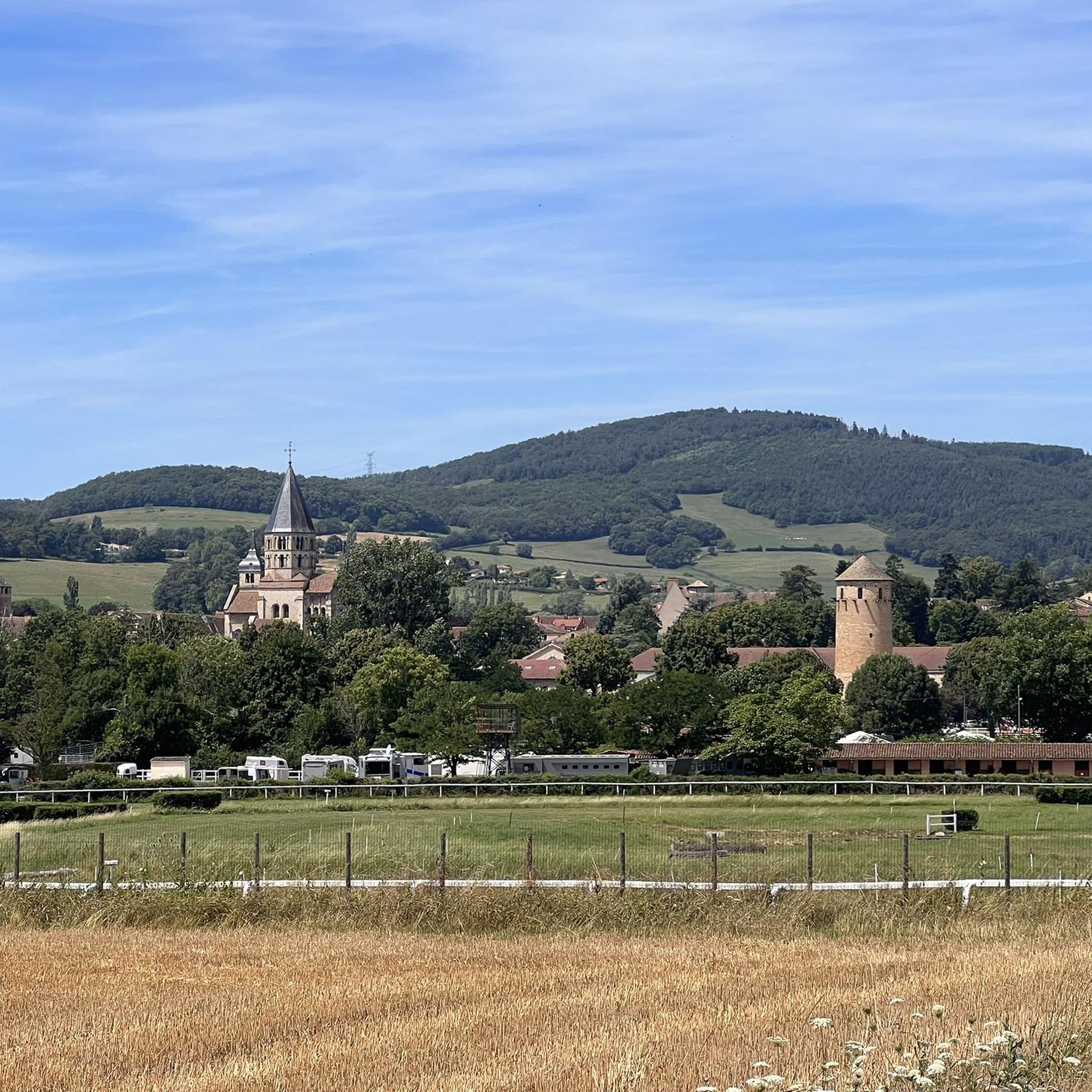
The Tour des Fromages is a preserved defensive tower from the 11th century, which originally belonged to the ramparts of the powerful Abbey of Cluny. In the Middle Ages, the structure was still called Tour des Fèves (Bean Tower), as supplies were stored there. It got its current, curious name in the 19th century because a merchant used the tower to dry her homemade cheeses. Today, the tower is a popular attraction. Visitors can climb the 120 steps to the top. From up there, you have a beautiful 360-degree panoramic view over the entire medieval monastic city and the surrounding Burgundy landscape. Access to the tower is directly through the local Cluny tourist office.
1
0
The palace is a rare and outstandingly preserved example of a lordly residence in the Flamboyant Gothic style. It was built in the 15th century for the powerful Abbot Jean de Bourbon. The building today houses the Musée d'Art et d'Archéologie de Cluny. Inside, you can visit monumental fireplaces, historical coins, as well as valuable sculptural remains and fragments of the once gigantic abbey church (Cluny III). The entrance to the museum is conveniently included in the ticket for the Abbey of Cluny.
0
0
The historic town of Cluny, located in the Bourgogne-Franche-Comté region, can best be admired from the viewing platform of the famous Cheese Tower (Tour des Fromages), from which you can enjoy a striking 360-degree view over the historic rooftops and the gentle, green hills of Southern Burgundy. Cluny is world-renowned for its Benedictine abbey, founded in 910 AD. In the High Middle Ages, the abbey was the starting point of the pioneering Cluniac reform movement and developed into the head of a Europe-wide monastic order with over 1,200 monasteries.
0
0
The large work of art on the narrow building facade directly above the fountain is a monumental, historical sundial (cadran solaire). The faded, artistic lines and Roman numerals show the classic grid system of an old vertical sundial, which the townspeople could use to read the time of day. Such large astronomical mural paintings were widespread in the Burgundy region as well as on the outbuildings of the powerful abbey, in order to synchronize the monastic and urban daily routine.
1
0
The neoclassical fountain directly on the building wall was built in the 18th century and is also known today as Fontaine Prud'hon. It was named in honor of the famous French painter and draftsman Pierre-Paul Prud'hon, who was born in Cluny in 1758. The fountain is integrated into the wall like a "water cabinet" (buffet d'eau) and features a fluted basin on a pedestal. In the past, a lion's head spout fed the basin. Today, a modern tap serves cyclists and pedestrians as a public drinking water source.
1
0
The Abbey Park of Cluny, located on the grounds of the once most powerful Benedictine abbey of the Middle Ages. The park and the surrounding ruins are the remains of the Abbey of Cluny, founded in 910, which was the religious center of Western Europe as the starting point for significant reforms. The church Cluny III (Maior Ecclesia) built there was considered the largest house of worship in Christendom for over 400 years, until it was surpassed by St. Peter's Basilica in Rome.
2
0
In the Middle Ages, the abbey was one of the most influential spiritual and cultural centers in Europe. Cluny was the mother house of the Cluniac Reform and headed a federation of over 1,200 monasteries. The third abbey church (Cluny was the largest church in the Christian world until the construction of St. Peter's Basilica in Rome). Of the once-mighty complex, only parts of the southern transept remain today, as the abbey was largely used as a quarry and demolished after the French Revolution.
1
0
Frequently Asked Questions
How many hiking trails are available around Jalogny?
There are over 200 hiking routes around Jalogny listed on komoot, catering to various skill levels. This includes 74 easy routes, 111 moderate routes, and 21 difficult trails for more experienced hikers.
What kind of landscapes can I expect to see while hiking in Jalogny?
Jalogny is known for its picturesque bocage landscapes, a traditional French countryside featuring a mix of woodland and pasture. You'll encounter extensive prairies and dense forests, with the Grosne river adding to the scenic beauty along its southeastern border. The Mont Saint-Pierre is also a prominent natural feature within the commune.
Are there any family-friendly hiking options in Jalogny?
Yes, Jalogny offers a good selection of easy routes suitable for families. With 74 easy tours available, you can find paths that are less challenging and enjoyable for all ages. These often traverse the gentle bocage landscapes and prairies.
What is the best time of year to go hiking in Jalogny?
The region experiences a temperate climate with warm summers, making it agreeable for outdoor pursuits during the warmer months. Spring and autumn also offer pleasant conditions with milder temperatures and beautiful scenery.
Are there any circular walks around Jalogny?
Many of the routes around Jalogny are designed as loops, offering convenient circular walks. For example, the Cluny loop from Cluny is a moderate 10.4 km trail that takes you through varied terrain and brings you back to your starting point.
What nearby attractions can I explore while hiking in Jalogny?
Beyond the trails, you can visit several interesting sites. The historic town of Cluny is a significant highlight, known for its abbey. Other points of interest include the Tunnel du bois clair, the Sainte-Marie-Madeleine Church, and the Lamartine House.
What do other hikers say about the trails in Jalogny?
The hiking routes in Jalogny are highly rated by the komoot community, with an average score of 4.7 stars from over 400 reviews. More than 1600 hikers have used komoot to explore the varied terrain, often praising the well-maintained paths and diverse scenery.
Are there any longer or more challenging hikes available?
Yes, for those seeking a greater challenge, there are 21 difficult routes around Jalogny. An example is the Notre-Dame Church – Cluny loop from Cluny, a demanding 21.6 km trail with significant elevation changes.
Can I find routes that combine historical sites with natural scenery?
Absolutely. Many trails in the area connect natural beauty with historical landmarks. The Notre-Dame Church – Abbey Park of Cluny loop from Cluny is a prime example, offering a 12.7 km journey that blends historical sites with picturesque natural surroundings.
Are there any specific trails that offer good viewpoints?
While specific viewpoints are not detailed for every trail, the varied terrain, including the Mont Saint-Pierre and the bocage landscapes, often provides elevated sections with scenic vistas over the surrounding countryside and the Grosne river valley.
What is the general duration for hikes in Jalogny?
Hike durations vary significantly based on the route's length and difficulty. For instance, a moderate 7.7 km route like the Notre-Dame Church – Cluny loop from Cluny typically takes around 2 hours, while longer trails can extend to 4 hours or more.
Are there opportunities for wildlife spotting on Jalogny trails?
Given the region's diverse natural environment, characterized by prairies, forests, and the Grosne river, there are opportunities to observe local wildlife. The tranquil bocage landscapes provide habitats for various bird species and small mammals.
Most popular attractions around Jalogny

Get inspired with the komoot mobile app


Explore more
Browse the best Hikes in other regions.
