Attractions and Places To See around Fromental - Top 14
Best attractions and places to see around Fromental, a commune in the Haute-Vienne department of France, include a blend of historical landmarks, natural features, and cultural sites. The region offers opportunities to explore ancient structures and significant religious buildings. Visitors can discover sites that reflect the area's history and its role on pilgrimage routes.
Best attractions and places to see around Fromental
- The most popular attractions is Church of Our Lady of La Souterraine, a religious building distinguished by…
Last updated: July 6, 2026
Porte Saint-Jean
Highlight • Historical Site
Translated by Google •
Tip by

Church of Our Lady of La Souterraine
Highlight • Religious Site
Translated by Google •
Tip by

Sign up now to discover places like this
Get recommendations on the best single tracks, peaks, & plenty of other exciting outdoor places.
Sign up for free
Bridiers Tower
Highlight • Castle
Translated by Google •
Tip by

View of the medieval site of Bridiers
Highlight • Castle
Translated by Google •
Tip by

Étang du Cheix
Highlight • Lake
Translated by Google •
Tip by
Sign up for free to discover even more attractions around Fromental.
Sign up for free
Already have an account?
Start today with a free account
Your next adventure awaits.
Login or Signup



Tips from the Community

The Porte Saint-Jean is one of the old city gates of La Souterraine. What you see now is modest, but in the Middle Ages it was a serious entrance to the walled city. Why it's nice: This was literally the city's checkpoint. Anyone who wanted to enter was examined here. The name probably refers to a nearby chapel or hospital of Saint-Jean. You're essentially walking through a 13th-14th-century section here, without it being ostentatious. What many people miss: La Souterraine was an important stop on a side route of the pilgrimage route to Santiago. It's likely that pilgrims, traders, and soldiers passed through here centuries ago.
3
0
The Tour de Bridiers is what remains of a medieval castle from the 12th–13th centuries. What you see now is mainly the enormous round keep—and it's not subtle. What makes it cool: That tower is over 30 meters high. That's seriously impressive when you stand next to it. It stands slightly apart from the landscape, giving it an almost cinematic feel. The castle was part of a major trade route between Limoges and Berry. So this wasn't a romantic fairytale castle, but a pure display of power. In the summer, a historical evening show is held here with lights, projections, and knights. Then the ruins literally come back to life. What almost no one knows: The name "Bridiers" probably comes from "bride" (rein). The castle was intended to keep the region in check.
0
0
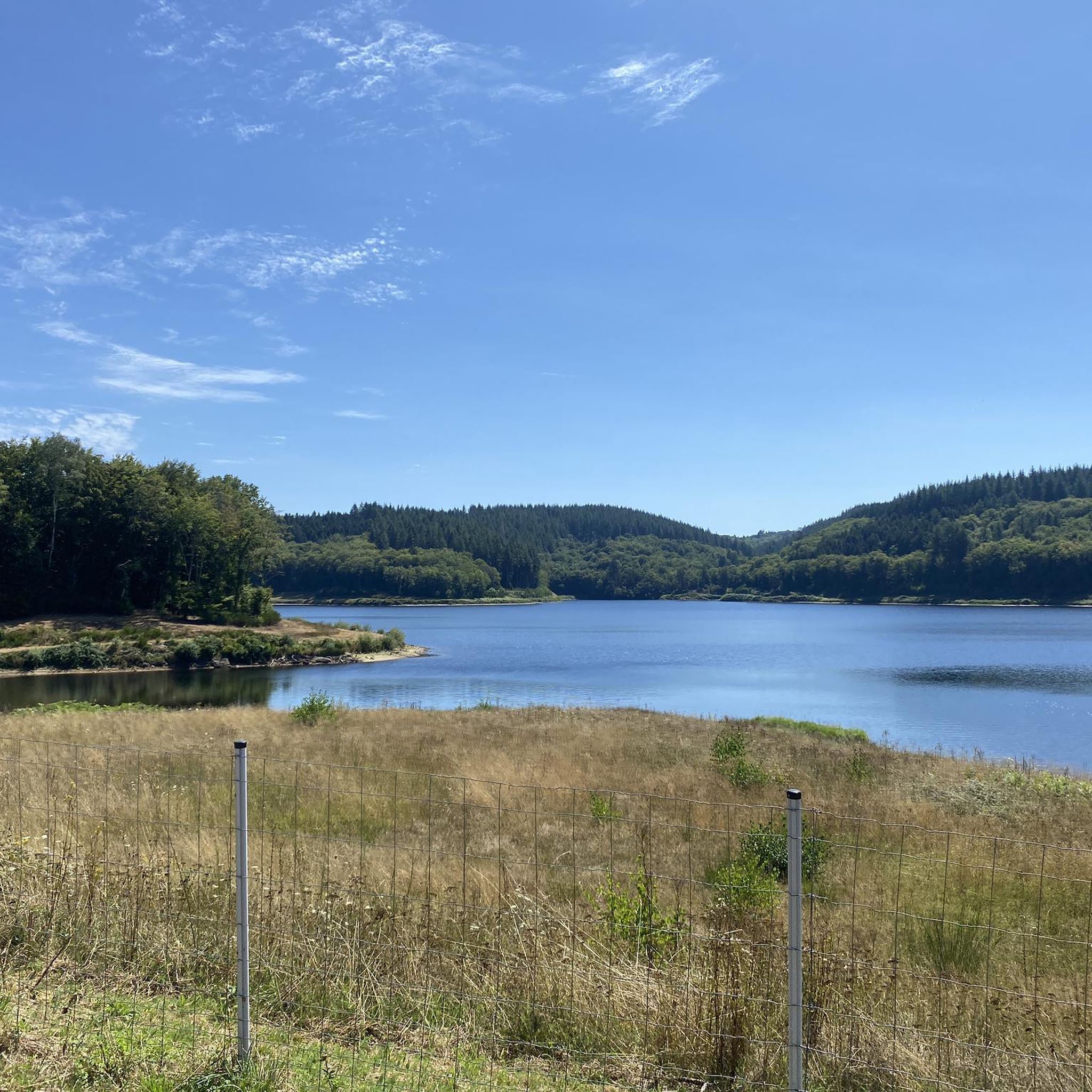
Étang du Cheix: a hidden haven just outside La Souterraine. Small, quiet, and perfect for a short, relaxing walk surrounded by sparkling water and forest.
0
0

The Saint-Jean gate is one of the emblems of La Souterraine. It was used to defend the city and was remodeled in the 15th century. We admire the two round turrets visible on the exterior facade. The door can be visited independently. To do this, simply ask for the keys at the Bar du Marché.
0
0
It is the Bridiers Tower which makes this site famous. Dating from the 12th and 13th centuries, the site had a defensive function. It has been the subject of conservation since 1993 and excavations. These made it possible to discover the pentagonal fortress located at the foot of the tower. There is no guided tour, but access to the site is free. Climbing the tower is organized by the municipality and requires a modest payment of two euros.
1
0

In the 12th century, a tower was built on this site. But not the one you see today, it was built in the 13th and 14th centuries. What happened to the first tower? According to a written chronicle dating from 1202, it collapsed!
2
0

The Notre-Dame de la Souterraine church was restored in the 19th century. It is distinguished by its underground crypt. The style of the granite building would have been influenced by the pilgrims of Santiago de Compostela, La Souterraine being on the pilgrimage route.
2
0

The Church of St. James is remarkable because of the crypt that gave the place its name "Souterrain".
0
0
Frequently Asked Questions
What historical landmarks can I explore in Fromental?
Fromental is rich in history. You can visit the Château de Fromental (also known as Château de Montautre), a 14th-century castle with a moat and Renaissance gateway. The local Fromental Church, dedicated to Saint Martin of Tours, features 18th and 19th-century painted decorations. For ancient history, explore the Menhir des Fichades and the Dolmen de la Pierre Levée, both significant prehistoric sites.
Are there any significant religious sites in the Fromental area?
Yes, the Fromental Church, dedicated to Saint Martin of Tours, is a notable religious site with historical painted decorations and a statue of Saint-Roch, indicating its past as a stop on the road to Saint-Jacques. Additionally, the Church of Our Lady of La Souterraine is distinguished by its underground crypt and its connection to the Santiago de Compostela pilgrimage route.
What natural attractions are there around Fromental?
The region offers several natural spots. You can visit the Lac de Saint-Pardoux, a large leisure lake about 14-16 km southwest of Fromental, offering various activities. Closer to Fromental, the Étang du Cheix provides a quiet setting for a relaxing walk. The surrounding area also features numerous marked hiking and mountain biking trails winding through forests and past ponds.
What outdoor activities can I do near Fromental?
Fromental and its surroundings are ideal for outdoor enthusiasts. You can explore a variety of marked hiking and mountain biking trails. For specific routes, consider checking out the Hiking around Fromental guide or the Cycling around Fromental guide for detailed route options. Equestrian activities are also available at the Moulin du Goutay equestrian center.
Are there family-friendly attractions around Fromental?
Many of the historical sites can be interesting for families. The Porte Saint-Jean and the Church of Our Lady of La Souterraine offer a glimpse into medieval history. The Lac de Saint-Pardoux provides a range of leisure activities suitable for all ages. The equestrian center of Moulin du Goutay also offers horse rides, with specific welcomes for children.
What is the history behind the medieval sites like Bridiers?
The medieval site of Bridiers features the impressive Bridiers Tower, dating from the 12th and 13th centuries. This site served a defensive function and was part of a major trade route. The tower is over 30 meters high, making it a significant historical landmark. Excavations have also revealed a pentagonal fortress at its foot.
Can I find ancient or prehistoric sites near Fromental?
Yes, Fromental is home to several ancient sites. The Menhir des Fichades, a megalith unearthed in 1914, is located at 'Au Grand Bagnol'. Another significant prehistoric site is the Dolmen de la Pierre Levée, a shaped burial chamber from the Neolithic period, featuring pillars supporting a large slab.
What is the best time of year to visit Fromental attractions?
The region is generally pleasant for visiting during the spring, summer, and early autumn months when the weather is mild and suitable for outdoor activities like hiking and cycling. Historical sites and churches are typically accessible year-round, but specific opening hours for places like the Château de Fromental (which functions as a B&B) might vary, sometimes offering visits during Heritage Days.
What historical significance does La Souterraine hold for visitors?
La Souterraine was an important stop on a side route of the pilgrimage to Santiago de Compostela. You can visit the Porte Saint-Jean, one of the old city gates that served as a checkpoint for pilgrims and traders. The Church of Our Lady of La Souterraine, with its unique underground crypt, also reflects the town's deep historical and religious connections.
Are there any viewpoints to enjoy scenic landscapes around Fromental?
While not a dedicated viewpoint, the View of the medieval site of Bridiers offers a striking perspective of the impressive Bridiers Tower and its surrounding landscape. Many of the hiking and cycling trails in the area also provide scenic vistas as they wind through forests and past ponds.
Can I go cycling near Fromental's attractions?
Absolutely! The area around Fromental is well-suited for cycling. You can find various routes, including those that pass by historical sites like the Porte Saint-Jean and the Bridiers Tower. For detailed routes and difficulty levels, refer to the Road Cycling Routes around Fromental and Cycling around Fromental guides.
What do visitors enjoy most about the attractions around Fromental?
Visitors appreciate the blend of historical depth and natural beauty. The ancient structures and religious buildings, particularly those connected to pilgrimage routes, offer a rich cultural experience. The serene lakes and extensive network of hiking and cycling trails are also highly valued for their opportunities to explore the scenic countryside.

Get inspired with the komoot mobile app


Explore more
Still not found the Highlight you’re looking for? See guides of the top attractions in other regions:
