Attractions and Places To See around Montjoie-Saint-Martin - Top 8
Best attractions and places to see around Montjoie-Saint-Martin include historical sites, natural landscapes, and cycling routes. This region offers a variety of outdoor activities and cultural experiences. Visitors can explore a 17th-century castle, a tranquil village, and a long-distance cycle path. The area is characterized by its historical significance and proximity to the La Sélune river.
Best attractions and places to see around Montjoie-Saint-Martin
- The most popular attractions is Ducey, a settlement known for its pleasant village atmosphere, shops,…
Last updated: July 1, 2026
Montgommery Castle
Highlight • Castle
Translated by Google •
Tip by

Ducey
Highlight • Settlement
The Montgommery castle on the banks of the La Sélune river offers pretty landscapes just a few dozen meters from the Véloscénie.
Translated by Google •
Tip by

Sign up now to discover places like this
Get recommendations on the best single tracks, peaks, & plenty of other exciting outdoor places.
Sign up for free
Voie verte de la Véloscénie
Highlight • Cycleway
Over about 450 km it takes you partly on small roads, former railway lines …
Translated by Google •
Tip by

Along the Sélune
Highlight (Segment) • River
Translated by Google •
Tip by
Saint-Benoît Polishing Stone
Highlight • Monument
Translated by Google •
Tip by

Sign up for free to discover even more attractions around Montjoie-Saint-Martin.
Sign up for free
Already have an account?
Start today with a free account
Your next adventure awaits.
Login or Signup

Tips from the Community


Beautiful route but there are no water points for the cans! Otherwise it's magnificent
0
0


Montgommery Castle was built in the 17th century by the Montgommery family, prominent Protestants involved in the death of King Henry II of France. The castle is Renaissance style, with a terrace, a balcony and a chapel dedicated to Saint Marguerite. You can explore the castle and its surroundings, and learn more about its history and architecture. You can also play a game of Ducey-Code, a live investigation game that mixes puzzles and history in the castle. The castle is open from Wednesday to Sunday, from 2:00 p.m. to 6:00 p.m.
3
0
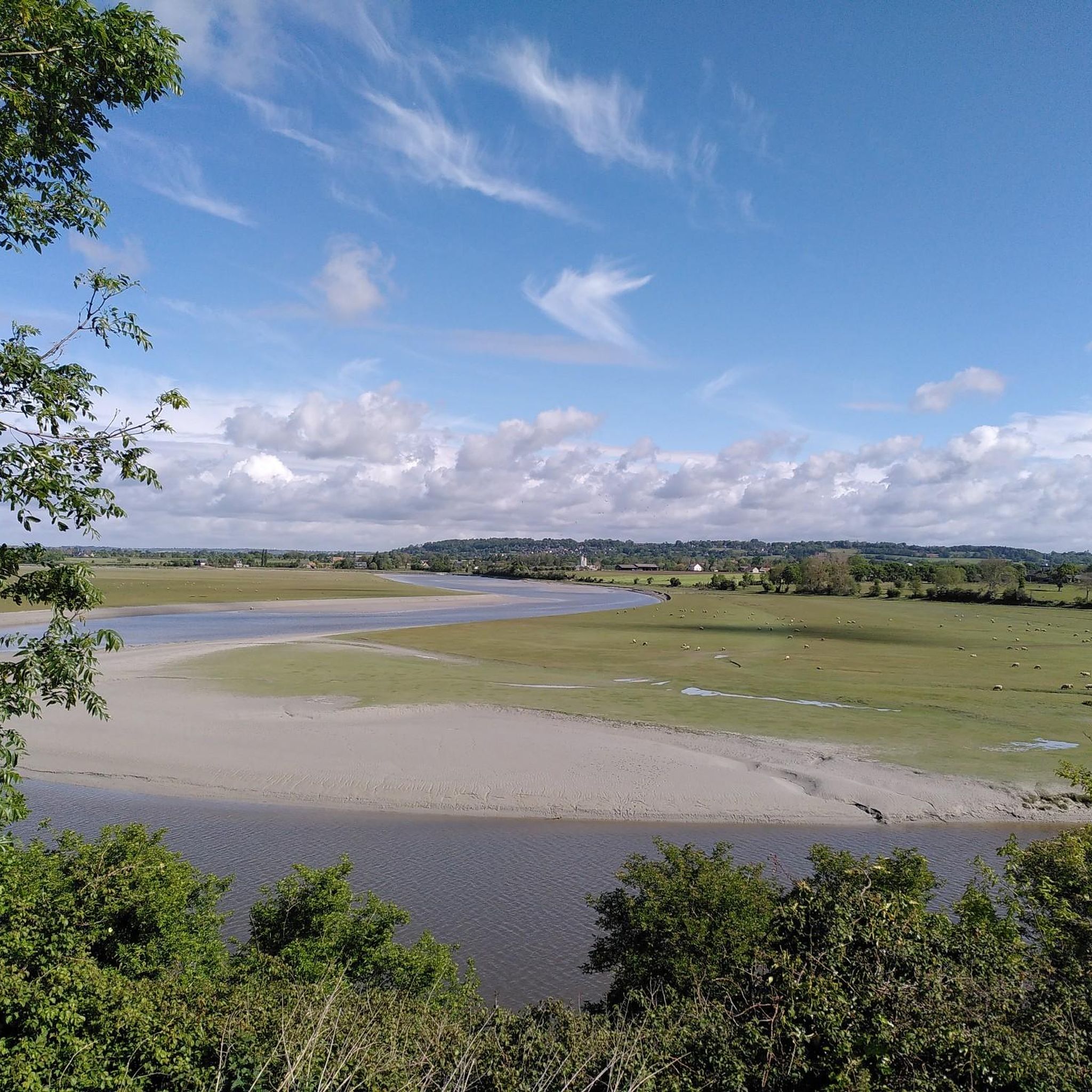
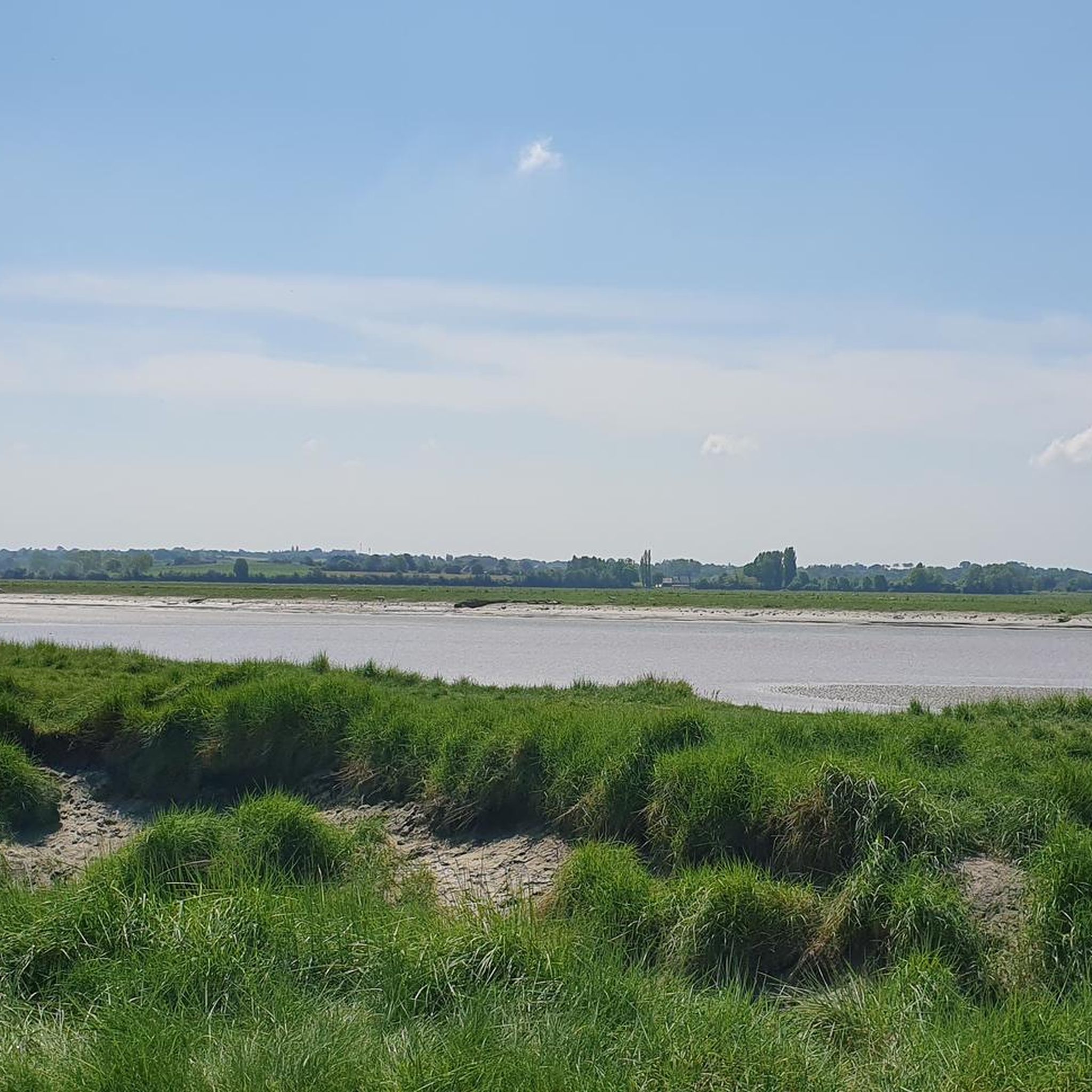
The Sélune, 84 km long, ends its journey in the English Channel. It is one of the few rivers where migrating salmon come up the river from the sea to complete their life cycle.
4
0
Montgommery Castle was rebuilt in the 17th century. At the beginning of the 16th century, the castle took the name of the Montgommery family. Famous, Gabriel I of Montgommery, owner of the castle, took part in the rue Saint-Antoine tournament and, by bad luck, mortally wounded King Henri II in the eye. Interestingly, this did not result in his own death. It was his conversion to Protestantism that led to his execution and the confiscation of his castle. Two years after his death, Henry III authorized Gabriel I de Montgommery's son, Gabriel II, to reoccupy the castle.
6
0

This polisher, dating from around 4,000 BC, is a quartz block of modest size, 1.25 m by 0.50 m, barely level with the grass. On its surface, there are a dozen parallel grooves and a basin. The bowl was used to polish flints and the grooves to sharpen the edges of axes. Excavations have uncovered polished axes, one of which is jade. The place is also called "Pierre de Saint-Benoît". Because according to one of the legends attached to this monument, it would be Saint Benedict petrified: the pink veins that run through the block would be the veins of the saint and the grooves his ribs. The water in the basin is said to have curative and febrifuge properties: feverish people came on pilgrimage, sprinkled themselves with this water and placed offerings in the grooves, hoping for the cure of their ailments. It is reached by a little busy and very pleasant little road.
0
0

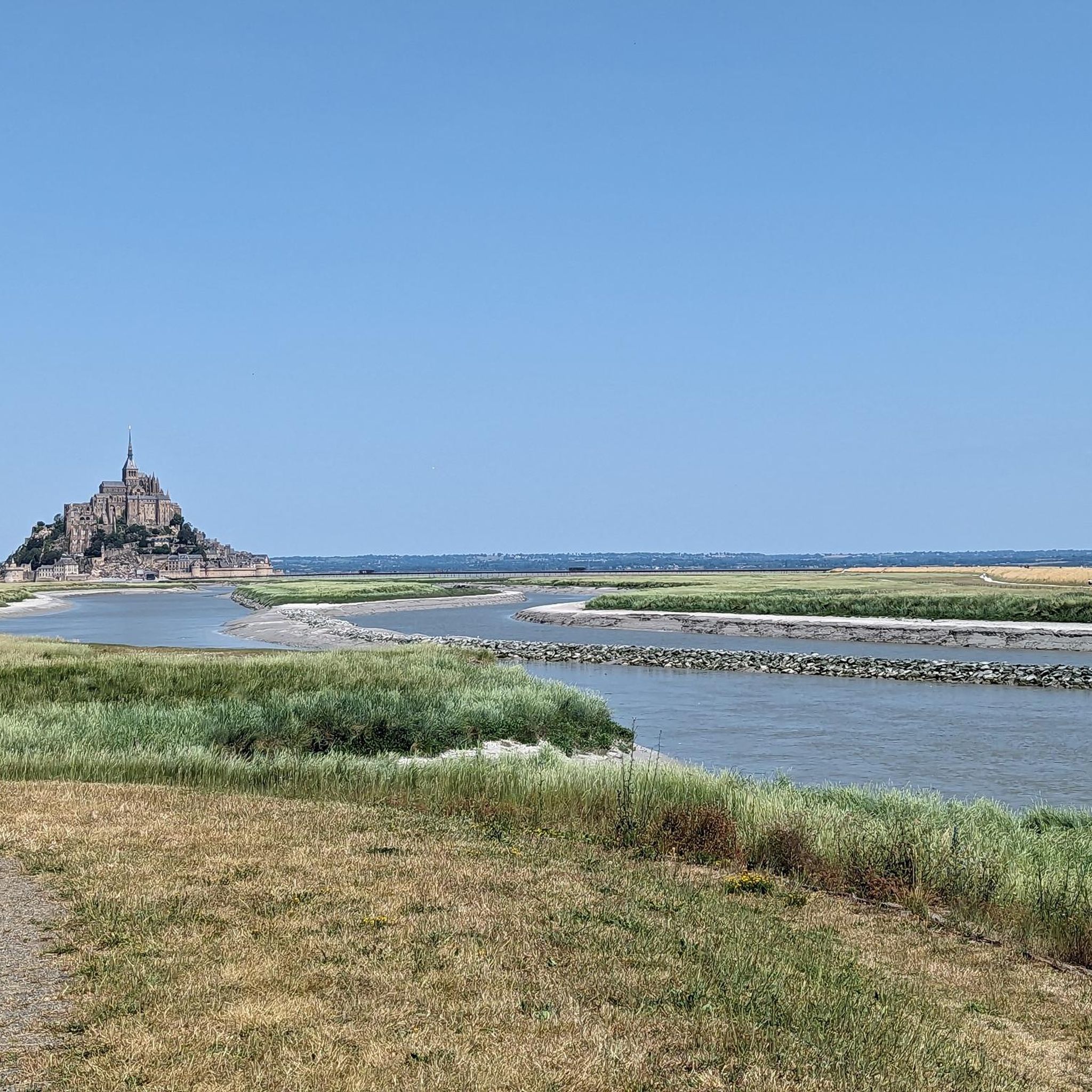
The Voie verte "Véloscénie" connects the heart of Paris (the Ile de la Cité) with Mont-Saint-Michel. Over about 450 km it takes you partly on small roads, former railway lines and along small rivers through places such as: Rambouillet, Chartes, Bagnoles de l'orne, Alencon and Domfront to the most famous landmark in Normandy!
1
0
Frequently Asked Questions
What historical sites can I visit around Montjoie-Saint-Martin?
You can explore the Montgommery Castle, a 17th-century Renaissance castle with a rich history, including its connection to Gabriel I of Montgommery and King Henri II. Another significant historical site is the Saint-Benoît Polishing Stone, an ancient quartz block dating back to 4,000 BC, used for polishing tools and associated with local legends.
Are there family-friendly attractions in the Montjoie-Saint-Martin area?
Yes, several attractions are suitable for families. Montgommery Castle offers a historical experience, and you can even play a live investigation game called Ducey-Code there. The Sélune River provides a natural setting for walks, and the Saint-Benoît Polishing Stone is an interesting ancient monument for all ages to discover.
What cycling opportunities are available near Montjoie-Saint-Martin?
The region is excellent for cycling, notably featuring the Voie verte de la Véloscénie. This long-distance cycle path connects Paris to Mont-Saint-Michel, utilizing small roads, former railway lines, and river paths. For more local routes, you can find various road cycling options in the Road Cycling Routes around Montjoie-Saint-Martin guide.
Where can I find natural landscapes or river views?
The Sélune River is a prominent natural feature, flowing for 84 km and known for migrating salmon. You can enjoy scenic views and walks along its banks. The village of Ducey also offers pleasant green spaces and landscapes near the Montgommery Castle, close to the river.
Are there hiking trails near Montjoie-Saint-Martin?
Yes, there are several hiking trails suitable for various skill levels. You can find easy to moderate loops, such as the 'Celtic Rock – La Pierre au Diable loop' or 'Château des Montgomery, along the Sélune and the Bois d'Ardennes'. For a comprehensive list of routes, refer to the Hiking around Montjoie-Saint-Martin guide.
What is Ducey like, and what does it offer visitors?
Ducey is a very pleasant village known for its tranquil atmosphere, various shops, and abundant green spaces. It's an ideal spot for taking a break, refueling, or simply enjoying the picturesque landscapes near Montgommery Castle and the La Sélune river.
What do visitors enjoy most about the attractions in Montjoie-Saint-Martin?
Visitors particularly appreciate the blend of historical significance and natural beauty. The charm of Ducey village, the historical depth of Montgommery Castle, and the scenic routes along the Sélune River are frequently highlighted. The cycling opportunities on the Voie verte de la Véloscénie are also very popular.
Are there running trails available in the area?
Yes, Montjoie-Saint-Martin offers several running trails. You can find moderate loops, such as 'Running loop from Saint-James' or 'Étang du Margotin loop'. More details and routes are available in the Running Trails around Montjoie-Saint-Martin guide.
What are the opening hours for Montgommery Castle?
Montgommery Castle is typically open from Wednesday to Sunday, from 2:00 p.m. to 6:00 p.m. It's always a good idea to check their official website for any seasonal changes or special event hours before your visit.
Can I learn about local legends or ancient history?
Absolutely. The Saint-Benoît Polishing Stone is steeped in ancient history, dating back to 4,000 BC, and is associated with fascinating local legends, including tales of Saint Benedict and the stone's supposed curative properties. Montgommery Castle also offers insights into the region's 17th-century history and notable figures.
What kind of architecture can I expect to see?
The most prominent architectural example is Montgommery Castle, which showcases beautiful 17th-century Renaissance architecture. It features a terrace, a balcony, and a chapel dedicated to Saint Marguerite, offering a glimpse into the period's design and craftsmanship.
Most popular routes around Montjoie-Saint-Martin

Get inspired with the komoot mobile app


Explore more
Still not found the Highlight you’re looking for? See guides of the top attractions in other regions:
