Attractions and Places To See around Cusey - Top 11
Attractions around Cusey are primarily found in the surrounding Grand-Est region, as the commune itself is small. Located in the Haute-Marne department of France, Cusey serves as a starting point for exploring a variety of historical, cultural, and natural sites. The area features significant engineering marvels like the Canal between Champagne and Burgundy, alongside historical châteaux and religious buildings. This region offers diverse landscapes and landmarks for visitors to discover.
Best attractions and places to see around Cusey
- The most…
Last updated: June 29, 2026
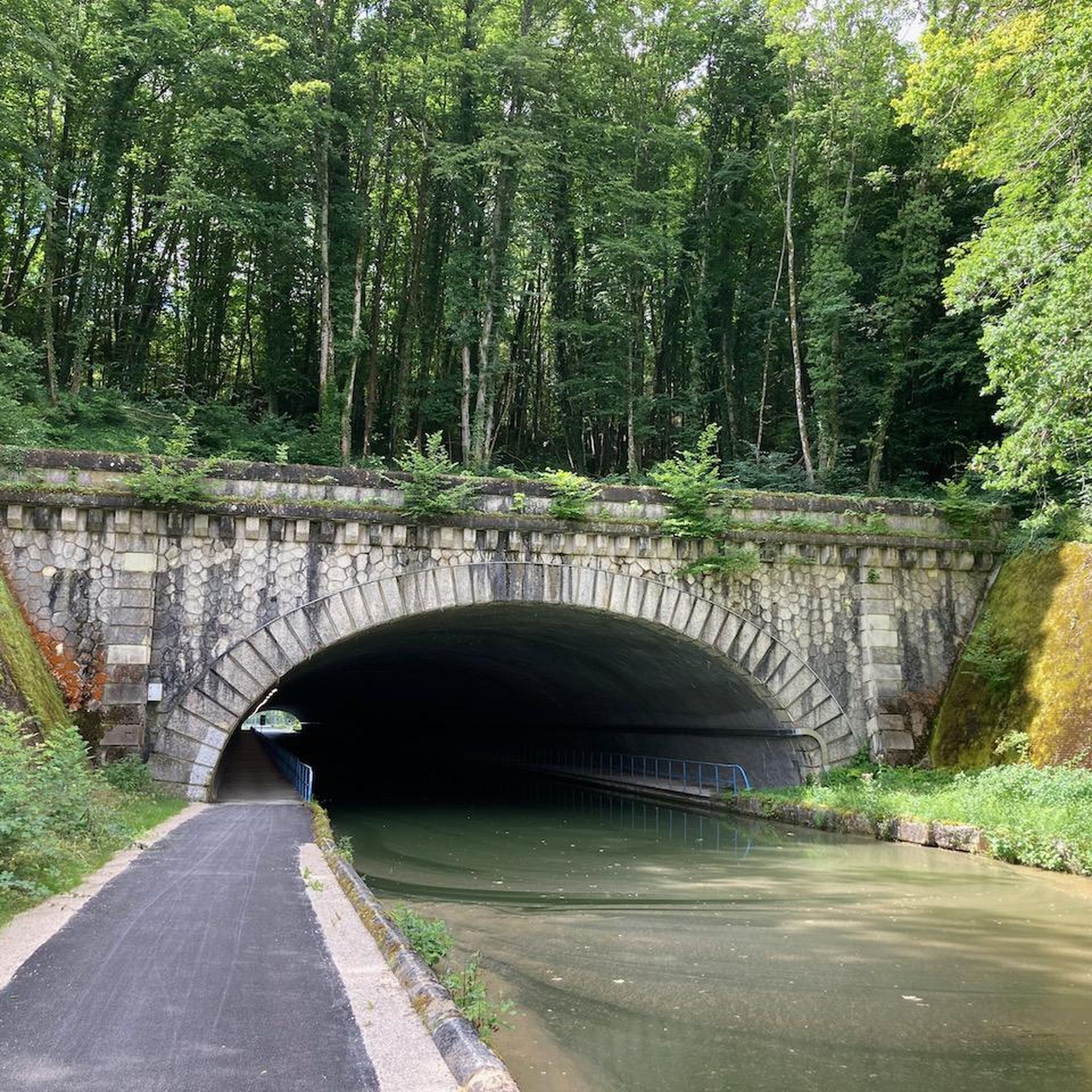
Canal between Champagne and Burgundy
Highlight • River
Translated by Google •
Tip by

Château de Champlitte
Highlight • Castle
Translated by Google •
Tip by

Sign up now to discover places like this
Get recommendations on the best single tracks, peaks, & plenty of other exciting outdoor places.
Sign up for free
Coublanc, Saint-Pierre Church
Highlight • Religious Site
Translated by Google •
Tip by
Coublanc
Highlight • Monument
Translated by Google •
Tip by
Leffond
Highlight • Other
Translated by Google •
Tip by
Sign up for free to discover even more attractions around Cusey.
Sign up for free
Already have an account?
Start today with a free account
Your next adventure awaits.
Login or Signup


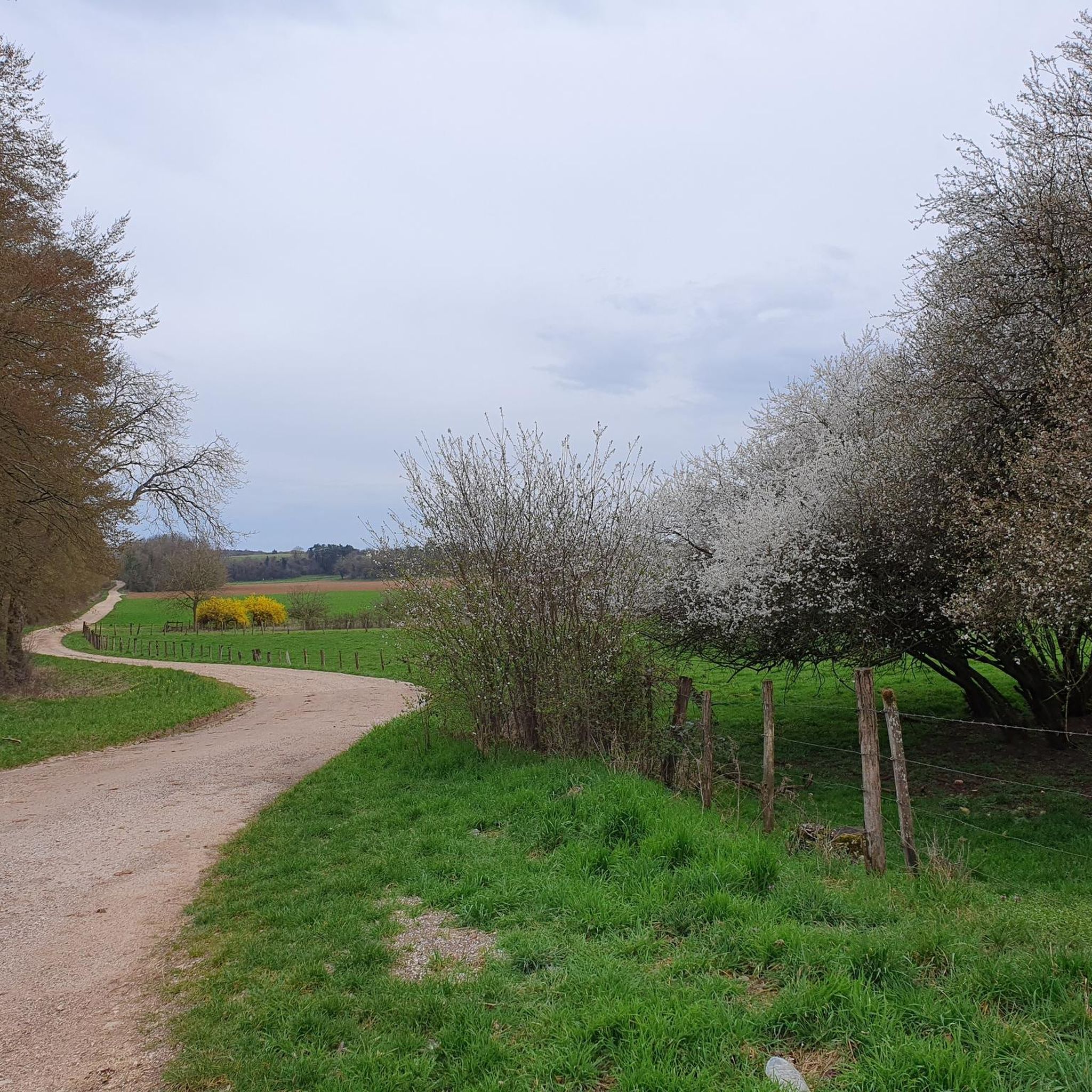

Tips from the Community

The Château de Champlitte is a historic monument in the commune of Champlitte, in the Haute-Saône, France. The castle was originally built as a fortified fortress in the Middle Ages, but was later converted into a residential castle in the Renaissance and 18th centuries. The castle now houses the Museum of Popular Arts and Traditions, which shows the daily life and crafts of the past. You can visit the castle and the museum, and enjoy the formal gardens in the courtyard.
12
4
Leffond is a former commune in Haute-Saône, in the Bourgogne-Franche-Comté region, in France. It has been associated with the commune of Champlitte since 1972. It has about 120 inhabitants and is located on the Plateau de Langres, where the rivers Seine and Meuse originate.
11
4
The Monument aux Morts, place des Halles in Coublanc, Haute-Marne is a memorial to the victims of the First and Second World Wars. It is a stone obelisk with a bronze laurel wreath and a cross, located on the Place des Halles. The monument was erected in 1921 and bears the names of the fallen soldiers from Coublanc.
8
1
The church of St. Peter and St. Paul was built in the twelfth century. It had a dual use: parish and priory, since it depended on the Benedictine abbey of Bèze, in Burgundy. The choir and the nave are from the twelfth century, the sacristy from the sixteenth century, the interior decorations from the early eighteenth century; The restoration began in the nineteenth century. The interior of the church is protected. Nothing is known about the lantern of the dead, which stands in the cemetery (?) , except that it was made in 1537 and was classified as a historical monument on February 23, 1965. It is the monumental cross that is protected.
9
1

Take a detour every now and then to switch the scenery
2
0

A very nice way. The numerous locks and the associated houses of the smugglers are particularly worth seeing.
3
1
Frequently Asked Questions
What are some unique historical landmarks to visit near Cusey?
Near Cusey, you can explore several historical landmarks. The Château de Champlitte, originally a medieval fortress, now houses the Museum of Popular Arts and Traditions and features formal gardens. Another notable site is the Coublanc, Saint-Pierre Church, a twelfth-century religious building that served both parish and priory functions.
What natural attractions can I explore around Cusey?
The most prominent natural feature near Cusey is the Canal between Champagne and Burgundy. This scenic waterway connects the Seine and Rhône networks, featuring significant engineering works like a 4,821-meter tunnel and artificial lakes, offering peaceful landscapes. Additionally, the Parc de l'Etang, located about 31 km from Cusey, provides natural beauty and recreational opportunities.
Are there any cultural sites or museums worth visiting near Cusey?
Yes, the Château de Champlitte hosts the Museum of Popular Arts and Traditions, showcasing daily life and crafts from the past. Beyond specific museums, nearby towns like Chalindrey, Langres, Gray, and Dijon offer various local markets, providing a glimpse into regional culture and produce.
What cycling opportunities are available around Cusey?
The area around Cusey offers diverse cycling routes. You can find road cycling routes, such as the 'Lake Villegusien – Lac de Villegusien loop from Cusey' (55.17 km, moderate difficulty). For general cycling, there's a 'Bike loop from Fontaine-Française' (34.99 km, easy). Many of these routes utilize the scenic Canal between Champagne and Burgundy. You can find more details on these routes in the Cycling around Cusey guide and the Road Cycling Routes around Cusey guide.
Are there mountain biking trails near Cusey?
Yes, there are several mountain biking trails available. For example, you can explore the 'Mountainbike loop from Fontaine-Française' (34.88 km, moderate) or the 'Our Lady of Renewal – Tumulus of Montarlot loop from Champlitte' (15.46 km, moderate). These trails offer varied terrain for mountain biking enthusiasts. Discover more options in the MTB Trails around Cusey guide.
Are there family-friendly attractions around Cusey?
The Château de Champlitte is considered family-friendly, offering a historical experience with its museum and formal gardens that can be enjoyed by all ages. Exploring the peaceful environment of the Canal between Champagne and Burgundy also provides a pleasant outing for families, whether walking or cycling along its paths.
What kind of historical monuments are there in the area?
Beyond the châteaux and churches, you can find other historical monuments. In Coublanc, the Monument aux Morts is a stone obelisk commemorating victims of the World Wars, erected in 1921. The commune of Coublanc itself is built on a strategic hill, offering historical context.
What is the best time of year to visit Cusey for outdoor activities?
While specific data isn't provided, generally, the Grand-Est region of France is best for outdoor activities during the spring (April-June) and autumn (September-October) months. During these periods, the weather is typically mild and pleasant, ideal for cycling, walking, and exploring the natural and historical sites without the intense heat of summer or the cold of winter.
Are there local markets to visit near Cusey?
Yes, several nearby towns host local markets. You can find markets in Chalindrey (Thursdays, 20km), Langres (Fridays, 26km), Gray (Tuesdays & Fridays, 28km), Pontailler-sur-Saone (Saturdays, 36km), and Dijon (multiple days, 41km). These markets are excellent places to experience local life and discover regional produce.
Is there a particularly picturesque village to visit near Cusey?
Yes, Pesmes, located in the Franche-Comté region, is described as one of the prettiest villages in the area and is well worth a visit for its quaint charm and scenic beauty.
What do visitors generally appreciate about the attractions near Cusey?
Visitors to the Cusey area particularly appreciate the blend of historical sites and natural beauty. The Canal between Champagne and Burgundy is often highlighted for its peaceful environment and beautiful landscapes, with its well-maintained paths suitable for various activities. The historical significance of places like the Château de Champlitte and the Coublanc, Saint-Pierre Church also draws interest, offering insights into the region's past.
Can I find walking or hiking routes in the Cusey area?
While specific hiking routes are not detailed in the provided data, the peaceful environment and variable states of the paths along the Canal between Champagne and Burgundy make it suitable for walking. Many sections are tarred and relatively passable, offering pleasant strolls through scenic landscapes. For more structured walking routes, you might explore general cycling guides as they often share paths suitable for walkers.

Get inspired with the komoot mobile app


Explore more
Still not found the Highlight you’re looking for? See guides of the top attractions in other regions:
