Top 20 Mountain Passes around Val-Des-Prés
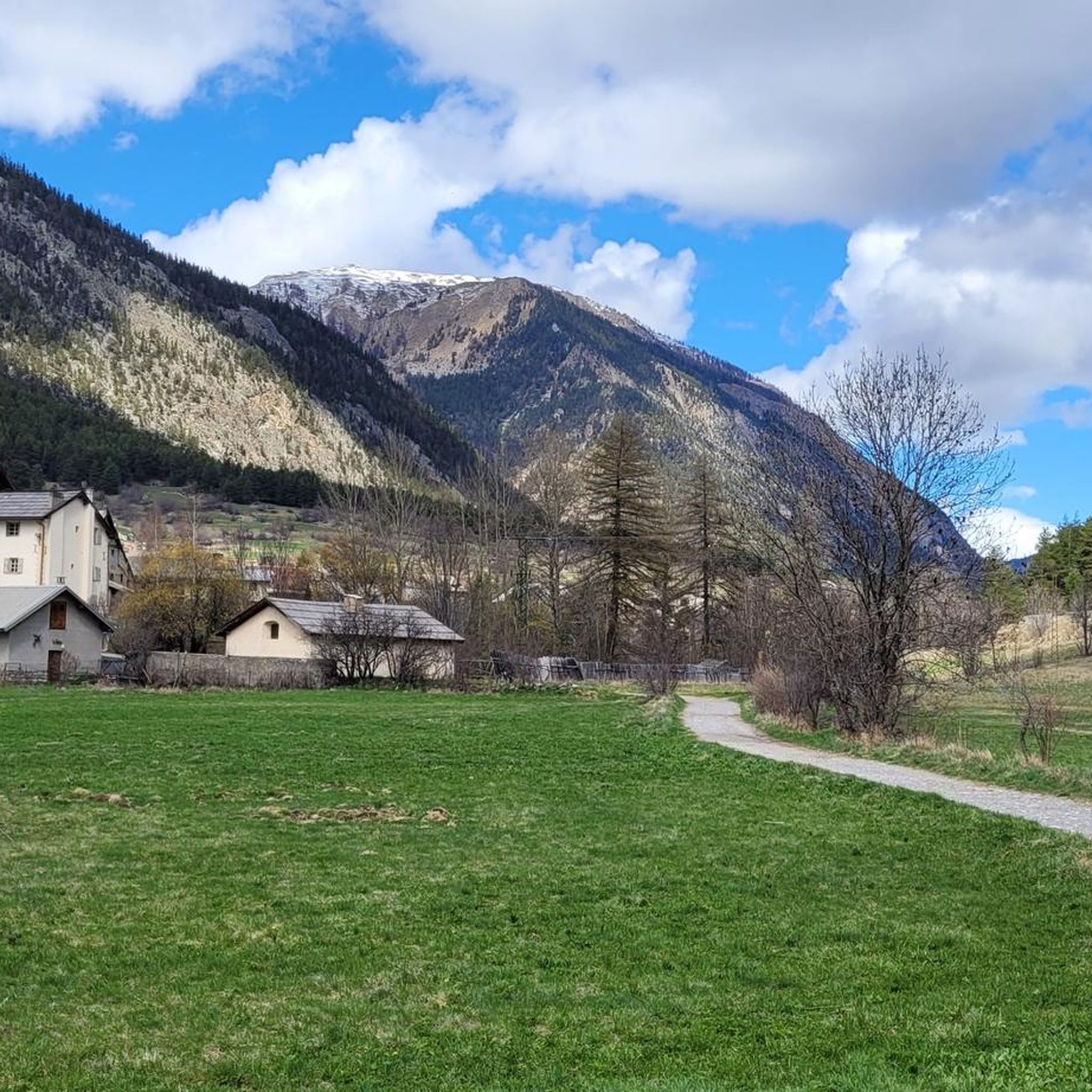
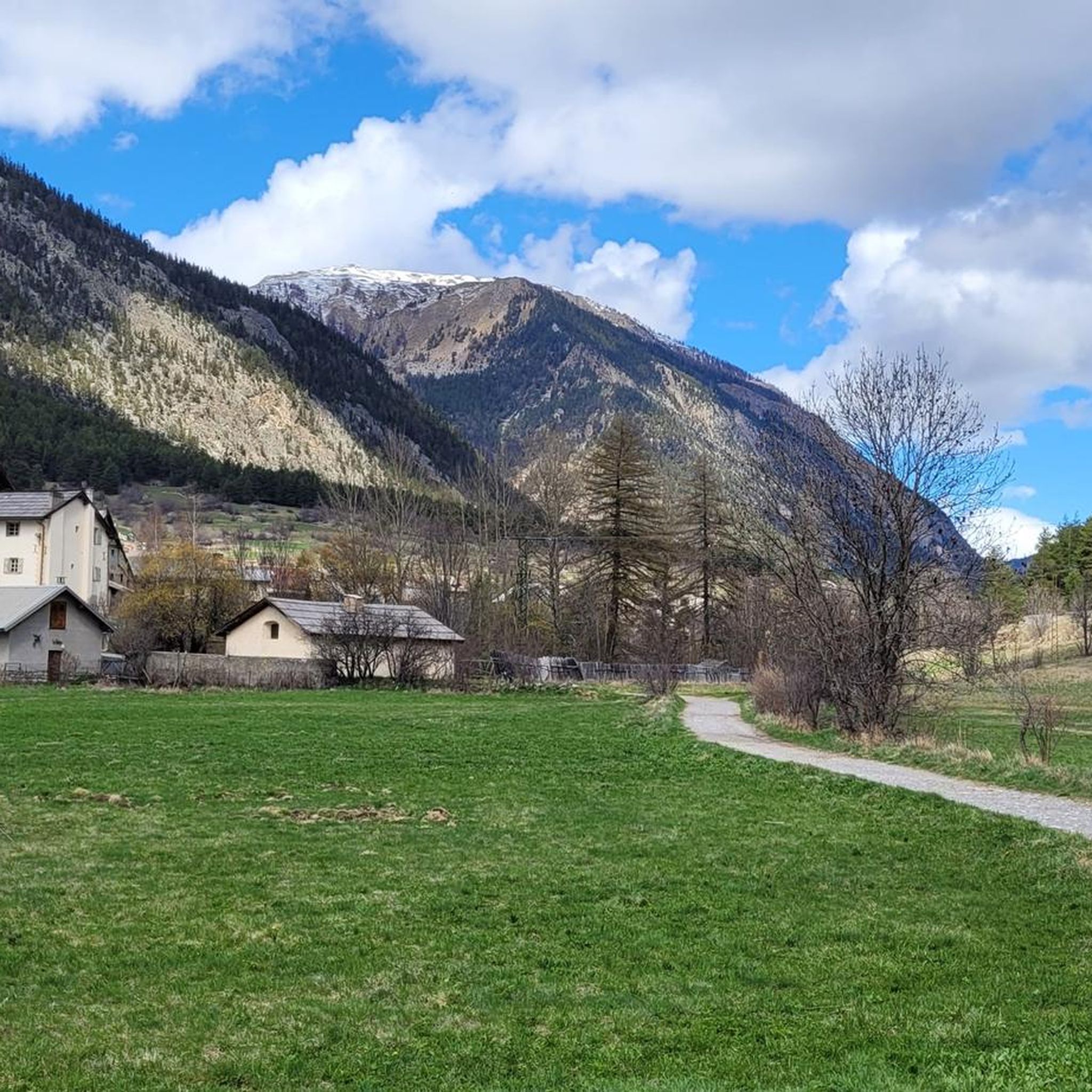
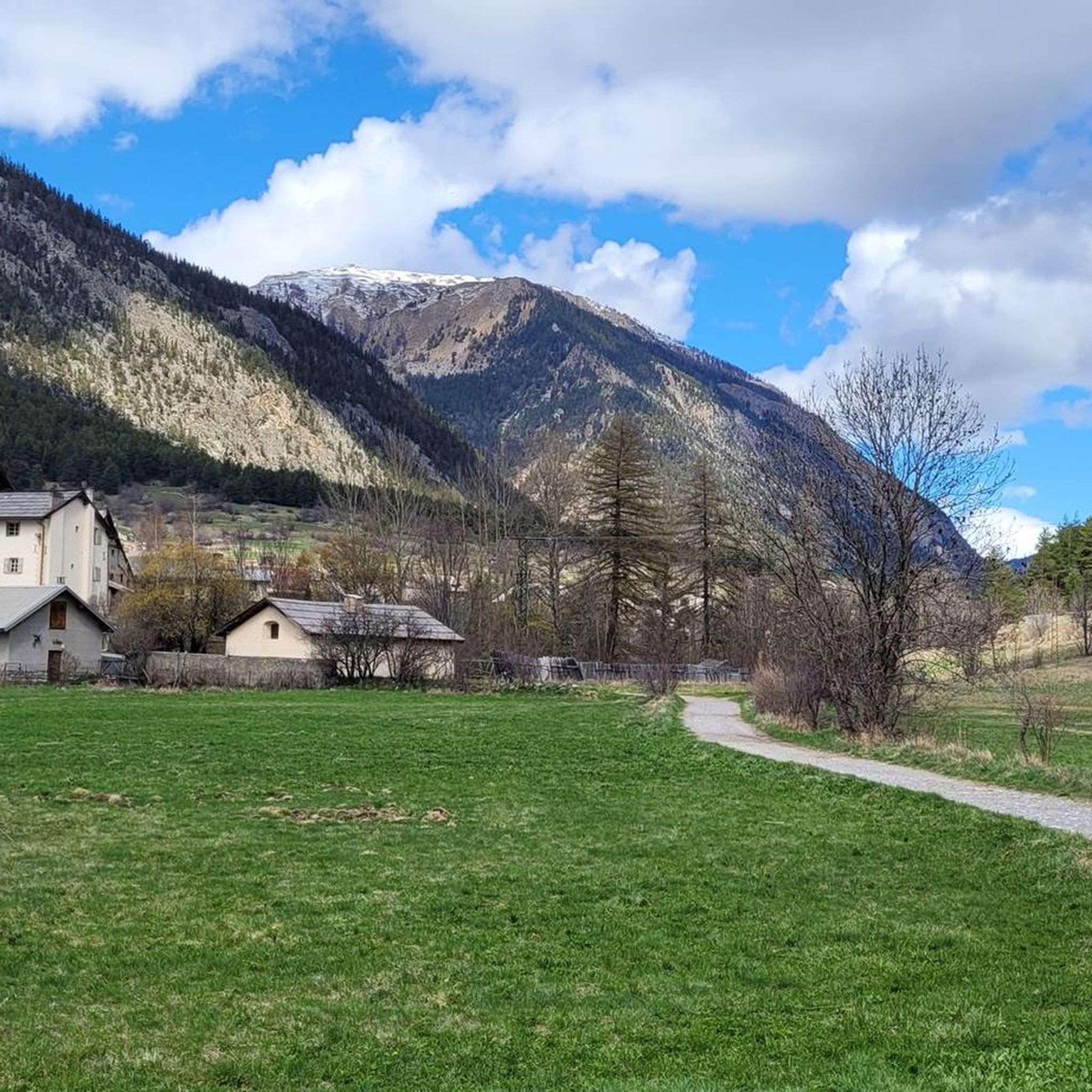
Best mountain passes around Val-Des-Prés are found in the Vallée de la Clarée, a region near the Italian border in the Hautes-Alpes. This area is characterized by its vast prairies and serves as a base for exploring diverse mountain landscapes. The village provides access to numerous trails leading to mountain lakes and surrounding summits. It is a hub for outdoor activities, including hiking and cycling.
Best mountain passes around Val-Des-Prés
- The most popular mountain passes is Mulattiera Pass, a challenging mountain pass that links Italy back to France. It offers exceptional vantage points with spectacular views of peaks.
- Another must-see spot is Col du Granon (2,413 m), a challenging mountain pass and summit with a restaurant. Visitors can expect beautiful views of the Ecrins massif.
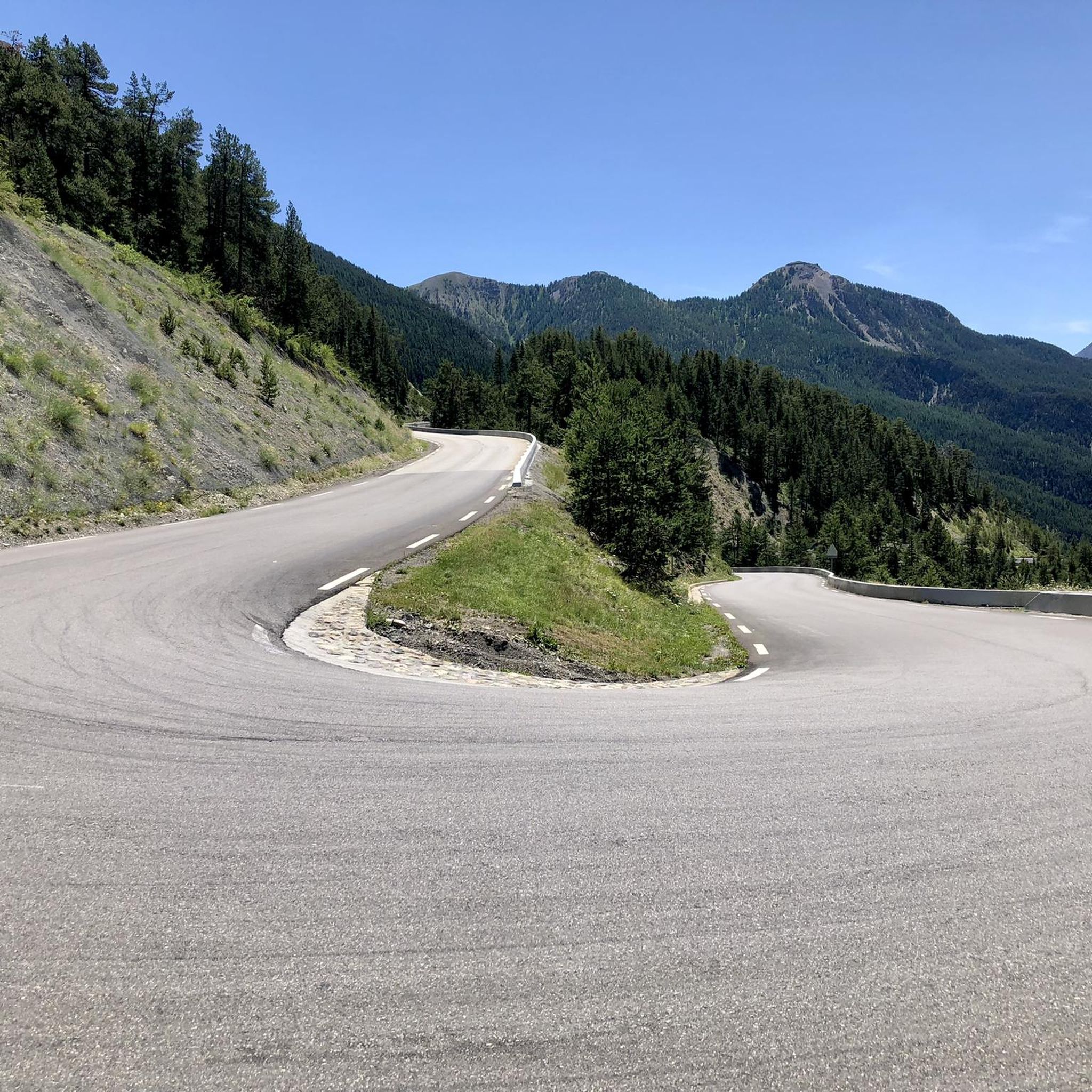
- Visitors also love Montgenèvre Pass, a historic mountain pass connecting France and Italy. The climb is smooth and provides fantastic views.
- Val-Des-Prés is known for its challenging mountain passes, scenic viewpoints, and historic sites. The area offers a variety of mountain passes to see and explore, from rugged border crossings to smooth asphalt climbs.
- The mountain passes around Val-Des-Prés are appreciated by the komoot community, with 6 highlights, 19 photos, and 160 upvotes.
Last updated: June 26, 2026
Montgenèvre Pass
Highlight • Mountain Pass
Translated by Google •
Tip by

Col du Granon (2,413 m)
Highlight • Mountain Pass
Translated by Google •
Tip by

Sign up now to discover places like this
Get recommendations on the best single tracks, peaks, & plenty of other exciting outdoor places.
Sign up for free
Chaberton Pass
Highlight • Mountain Pass
Translated by Google •
Tip by

Mulattiera Pass
Highlight • Mountain Pass
Translated by Google •
Tip by

Col d'Izoard
Highlight • Mountain Pass
Translated by Google •
Tip by
Sign up for free to discover even more mountain passes around Val-Des-Prés.
Sign up for free
Already have an account?
Start today with a free account
Your next adventure awaits.
Login or Signup

Tips from the Community

The descent is difficult but the landscape is beautiful
0
0

Challenging hike but doable for everyone.
0
0

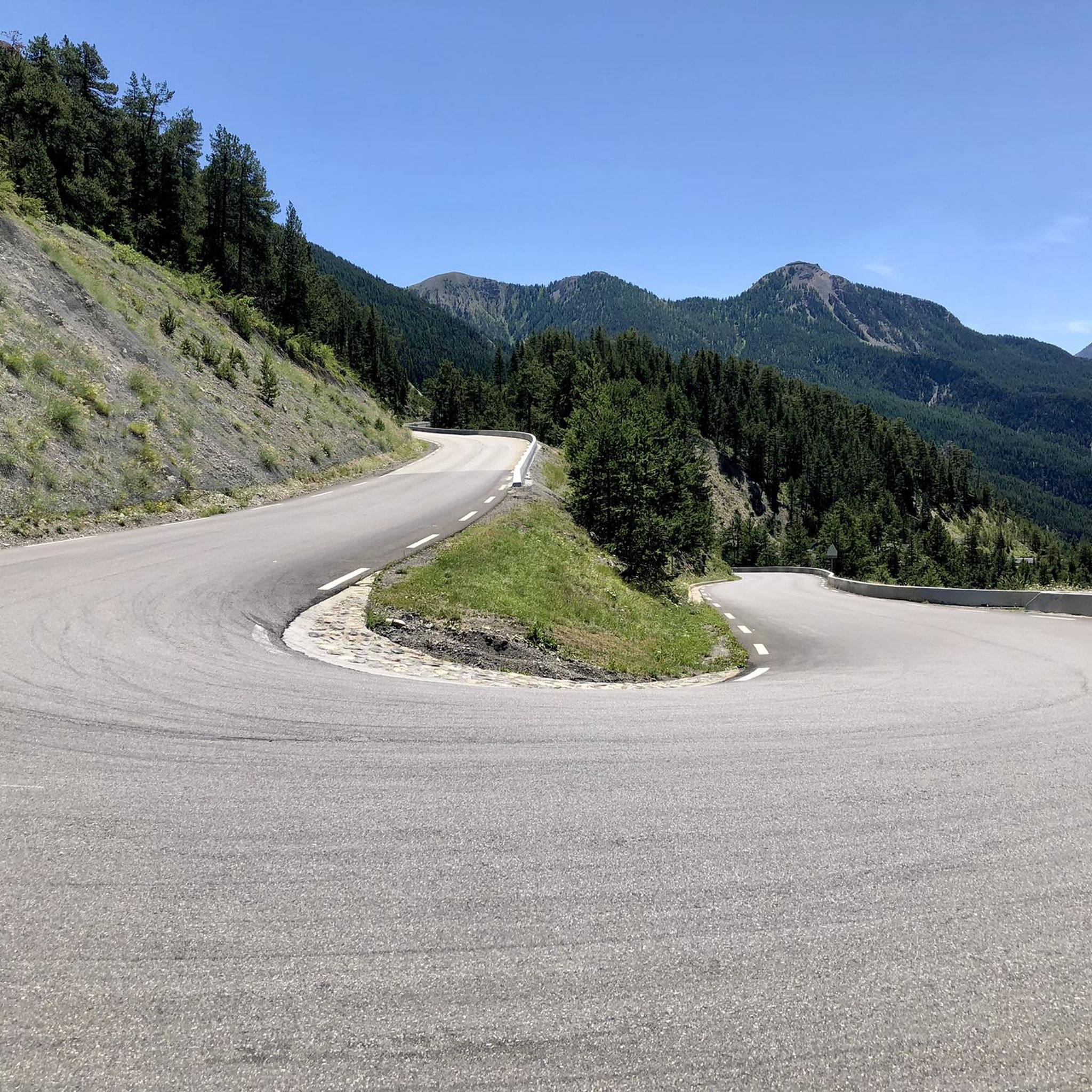
The climb is smooth and the view is fantastic.
18
0
The climb is never too steep and offers excellent views.
16
0
Very tough climb with gradients almost always in double figures.
17
0
One of the most beautiful climbs in the French Alps.
16
0


A rugged border pass linking Italy back to France, the Col de la Mulattiera is as remote as it is demanding. The climb is steep and loose, with the final meters carved into bare rock. At the top, the views stretch endlessly across the plateau of Col du Granon, the Cerces massif, and the Italian valleys behind you. Beside the pass stands the Caserma XVI, a weathered stone barracks, a quiet trace of the lives once lived in these high borderlands.
0
0
Frequently Asked Questions
What are some challenging mountain passes for experienced hikers near Val-Des-Prés?
For experienced hikers seeking a challenge, the ascent to Col du Granon (2,413 m) is highly recommended. It's known for its very tough climb with gradients almost always in double figures, offering beautiful views of the Ecrins massif. Another demanding option is the Mulattiera Pass, a rugged border pass linking Italy back to France, which is technical and demanding, with the final meters carved into bare rock.
Are there mountain passes near Val-Des-Prés with significant historical importance?
Yes, several passes in the region hold historical significance. Montgenèvre Pass is a historic pass that connected Piedmont to the Durance valley for the Romans. The Col d'Izoard, built in the 19th century, is a strategic passage and a legendary climb in the Tour de France. Additionally, the area around Colle Bercia and Col du Chaberton features remnants of military heritage, including the impressive Fort du Chaberton, one of Europe's highest war forts.
What kind of unique natural features can I expect to see at the mountain passes?
The region boasts unique natural features. The Col d'Izoard is famed for its dramatic 'Casse Déserte,' a stark, lunar-like landscape of eroded rock formations and scree. From Grand Aréa, accessible via Col de Buffère, you can enjoy magnificent 360-degree panoramic views of the Guisane and Clarée valleys, and prominent peaks like La Meije and La Barre des Écrins.
What outdoor activities can I do near these mountain passes?
The Val-Des-Prés region is a hub for outdoor activities. You can find numerous opportunities for hiking, mountain biking, and road cycling. For detailed routes, explore the guides for Hiking around Val-Des-Prés, MTB Trails around Val-Des-Prés, and Road Cycling Routes around Val-Des-Prés.
Are there any family-friendly mountain passes or viewpoints suitable for all ages?
While many passes involve challenging climbs, the La Casse Déserte, near the summit of the Col d'Izoard, is listed as family-friendly and offers an unforgettable, unique view. It's a great spot to experience the dramatic landscape without necessarily undertaking the full, strenuous pass climb.
Which mountain passes offer views across both France and Italy?
Colle Bercia offers a unique trans-border experience, straddling France and Italy. Loops around this pass showcase a blend of natural beauty and military heritage, providing views of significant peaks like Pic de Rochebrune in France and Mont Chaberton in Italy. Similarly, the area around Col du Chaberton, especially from the summit of Mont Chaberton, provides unparalleled 360-degree views encompassing the Ecrins massif and Italian peaks.
What is the best season to visit the mountain passes around Val-Des-Prés?
The best time to visit the mountain passes for hiking and cycling is generally during the summer months, from late spring to early autumn, when the passes are clear of snow and the weather is most favorable. In winter, the Vallée de la Clarée transforms into a renowned cross-country ski domain, and some passes like the Col d'Izoard can be explored via snowshoeing along the Sentier des Mules.
Are there mountain passes that are particularly popular with cyclists?
Absolutely. The Col d'Izoard is a legendary climb frequently featured in the Tour de France, attracting cyclists from around the world. It's known for its smooth asphalt on both sides, though the south side is particularly steep. Montgenèvre Pass also offers a smooth climb with fantastic views, making it popular among road cyclists.
Where can I find less crowded mountain passes or trails near Val-Des-Prés?
While specific 'less crowded' passes aren't explicitly highlighted, exploring the trails leading to Col de Buffère or Colle Bercia might offer a more tranquil experience compared to the more famous cycling routes. These passes are often part of challenging hiking or gravel riding routes, which naturally attract fewer visitors than major road cycling passes.
What kind of views can I expect from the mountain passes around Val-Des-Prés?
The mountain passes offer diverse and spectacular views. From Col du Granon (2,413 m), you'll get beautiful views of the Ecrins massif. The Mulattiera Pass provides exceptional vantage points with spectacular views of peaks such as the Pierre Menue and the Dolomite ridge. From the summit of Mont Chaberton, accessible via Col du Chaberton, you can enjoy unparalleled 360-degree panoramic views of the Ecrins massif and Italian peaks.
Can I find mountain passes with facilities like restaurants or huts?
Yes, some passes offer facilities. At the Col du Granon (2,413 m), there is a small restaurant called Buvette du Granon with a sun terrace. The ascent to Col de Buffère also leads past the Refuge de Buffère, a restored former mountain pasture chalet, offering a place to rest and experience mountain hospitality.
Most popular routes around Val-Des-Prés
Most popular attractions around Val-Des-Prés

Get inspired with the komoot mobile app


Explore more
See even more epic mountain passes by checking out these guides around Val-Des-Prés:
