Attractions and Places To See around Chémeré-Le-Roi - Top 5
Best attractions and places to see around Chémeré-Le-Roi include historical landmarks and natural features. This village is situated in the Erve valley, boasting a rich historical and cultural heritage. The surrounding area offers a mix of cultural sites and natural attractions, including forests and lakes. The region provides opportunities to explore historical buildings and natural landscapes.
Best attractions and places to see around Chémeré-Le-Roi
- The most popular attractions is Saulges Caves and Prehistory Museum, a gorge that features caves…
Last updated: July 1, 2026
Saulges Caves and Prehistory Museum
Highlight • Gorge
Translated by Google •
Tip by

Saint Cénéré Oratory
Highlight • Other
Translated by Google •
Tip by
Sign up now to discover places like this
Get recommendations on the best single tracks, peaks, & plenty of other exciting outdoor places.
Sign up for free
Moulin de Gô
Highlight • Monument
Translated by Google •
Tip by
Saint-Sylvain Chapel
Highlight • Religious Site
Translated by Google •
Tip by
Étang de Curécy
Highlight • Lake
Translated by Google •
Tip by
Start today with a free account
Your next adventure awaits.
Login or Signup


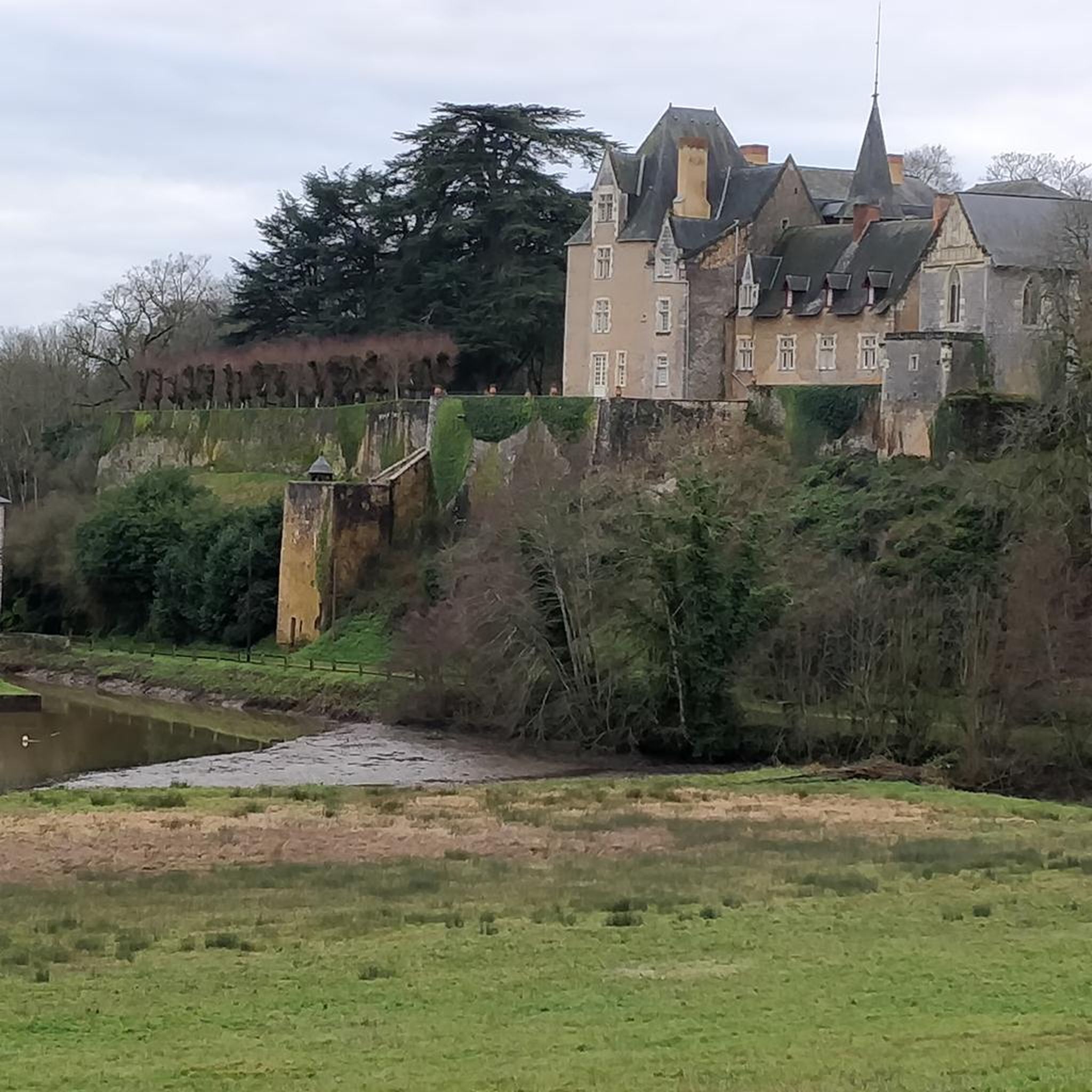

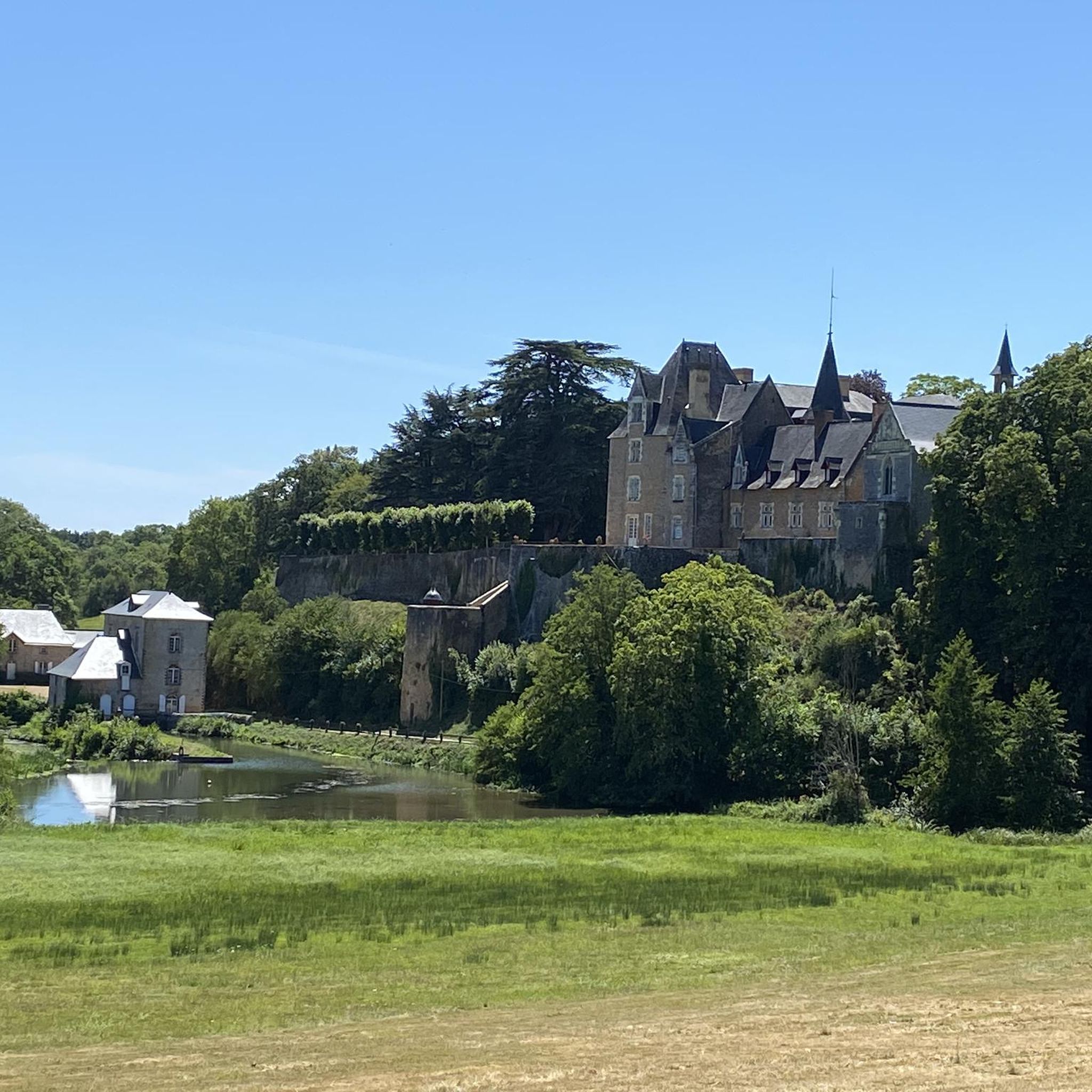
Tips from the Community

The Étang de Curécy is a beautiful pond which was once part of a series of seven ponds belonging to the Bellebranche Abbey. The monks practiced fish farming there. Today, these ponds serve as a refuge for migratory birds. A small observatory located on the shore and accessible to all allows you to appreciate the view of the water and the surrounding vegetation. The Curécy Pond is part of a larger natural area which includes the Bellebranche forest and its bocage, where rare plants and animals can be found.
2
0
If you are looking for a hike combining nature, history and art, you can visit the Caves of Saulges and the prehistory museum. This site offers a unique opportunity to explore the caves and shelters that were occupied by humans around 25,000 years ago, during the Paleolithic period. Some caves are decorated with rock art, such as paintings, carvings and graffiti. You can also visit the Prehistory Museum, which features archaeological collections and interactive exhibits related to prehistoric life in Mayenne. The site is located in the Erve valley, which is a protected natural area with rich biodiversity. The hiking trails allow you to admire the landscapes of the valley and the limestone cliffs. The site is open from April to November. You can check opening hours and prices on the website. Don't forget to bring comfortable shoes, a flashlight and a camera to immortalize your experience.
3
0
The Gô mill is a water mill which dates from the 15th or 16th century. It is located on the Erve, between the old Moulin aux Moines and the Moulin du Pont, in the town of Saint-Pierre-sur-Erve. You can admire the architecture and mechanism of the mill, which was renovated with the help of volunteers and won an award for its restoration in 2018. The mill is also surrounded by a beautiful natural environment, with green hills, forests and streams. You can follow the hiking trails along the river or explore the surrounding villages and castles. Le Moulin de Gô is a place where you can enjoy culture and nature in a peaceful setting.
2
0
The Saint-Sylvain chapel in Saint-Pierre-Sur-Erve is a 15th century chapel dedicated to an eremitic who lived on the hill in the 6th century. You can admire the panoramic view of the Coëvrons hills and discover the graffiti engraved on the walls by pilgrims over the centuries. The chapel is accessible by a wooded path which leaves the village. You can also extend your hike to discover other attractions in the region, such as the Saulges caves and canyon, the Thévalles mill or the ruins of old lime kilns.
2
0
This fascinating edifice was built on top of a cave in 1849 to protect the statue of the saint therein, Céneré, a 7th-century Benedictine monk. He would have caused the manifestation of the source which springs from the rock at this place. This continuous stream of water from the spring gave the saint the nickname "saint who pisses".
3
0

The oratory of Saint Céneré is located on the banks of the Erve, one kilometer from the town of Saulges. For 13 centuries, without stopping, the inhabitants of Maine and Anjou come to Saulges around August 15 to celebrate their protector. A spring has been flowing since the 7th century in this oratory built over the cave of its former hermitage. SourceWikipedia
1
0

Open Monday to Sunday from 10 a.m. to 6 p.m.
0
0
Frequently Asked Questions
What historical sites can I explore in and around Chémeré-Le-Roi?
Chémeré-Le-Roi and its surroundings are rich in history. You can visit the 15th-century Moulin de Gô, a renovated water mill on the Erve river. The village itself features the historic Château, the Église Notre Dame de l'Assomption with its 16th-century 'Christ aux liens' statue, and the 1482 Maison du Porche. Don't miss the Saint-Sylvain Chapel, a 15th-century chapel offering panoramic views.
Are there any natural attractions or outdoor spaces to visit near Chémeré-Le-Roi?
Yes, the region offers several natural highlights. The Saulges Caves and Prehistory Museum are set within a protected natural area in the Erve valley, featuring limestone cliffs and hiking trails. You can also visit the tranquil Étang de Curécy, a pond that serves as a refuge for migratory birds, complete with an observatory. The Forêt de Bellebranche, Mayenne's only public state forest, is also nearby, perfect for peaceful walks.
What family-friendly activities are available around Chémeré-Le-Roi?
For families, the Saulges Caves and Prehistory Museum offers an engaging experience with ancient history and rock art. The Étang de Curécy is a great spot for nature observation, with an accessible observatory for birdwatching. The Forêt de Bellebranche provides easy, tranquil walks suitable for all ages.
Where can I go hiking or walking near Chémeré-Le-Roi?
The area around Chémeré-Le-Roi is excellent for hiking. You can explore trails along the Erve river, near the Moulin de Gô, or through the protected natural area surrounding the Saulges Caves. For more detailed routes, including the 'Oratory Circuit' or the 'Saint-Sylvain Chapel loop', check out the dedicated hiking guide: Hiking around Chémeré-Le-Roi.
Are there any unique religious or spiritual sites in the area?
Yes, the Saint Cénéré Oratory is a unique site built over a cave in 1849, protecting a statue of Saint Céneré. A continuous spring of water flows from the rock here, associated with the 7th-century Benedictine monk. The Église Notre Dame de l'Assomption in Chémeré-Le-Roi also holds historical and religious significance.
What is the best time of year to visit Chémeré-Le-Roi for outdoor activities?
The Saulges Caves and Prehistory Museum are typically open from April to November, making spring, summer, and autumn ideal for exploring this historical site. Generally, these seasons offer pleasant weather for hiking, cycling, and enjoying the natural landscapes of the Erve valley and surrounding forests.
Can I find mountain biking trails near Chémeré-Le-Roi?
Absolutely! The region offers several mountain biking opportunities. You can find routes like the 'Moulin de Gô – Climbing at the Saulges Caves loop' or the 'Étang de Curécy loop'. For a comprehensive list of trails, refer to the MTB Trails around Chémeré-Le-Roi guide.
What is the Moulin de Thévalles and is it open to visitors?
The Moulin de Thévalles is a historic water mill dating back to 1850, notable for its early 'English-style' wooden mechanism. It is the only mill of its kind open to visitors in Mayenne and is located below the Château de Thévalles, whose foundations date to the 11th century.
Are there any other notable villages or towns to visit nearby?
Yes, the Cité Médiévale de Sainte-Suzanne, recognized as a 'Plus Beau Village de France', is a highly recommended detour for its historical charm. It offers a glimpse into medieval life and architecture.
What makes the local architecture in Chémeré-Le-Roi unique?
The architecture in Chémeré-Le-Roi is distinctive due to the use of local 'grès roussard' (red sandstone), sourced from nearby quarries in the Maine region. This material gives buildings like the Maison du Porche its characteristic appearance, reflecting its 15th-century origins.
What do visitors enjoy most about the attractions around Chémeré-Le-Roi?
Visitors particularly appreciate the blend of nature and history. The Saulges Caves offer a unique journey into prehistory, while the tranquil Étang de Curécy is loved for its peaceful birdwatching opportunities. The renovated Moulin de Gô is also a favorite for its historical charm and beautiful natural setting.
Are there opportunities for running or trail running in the area?
Yes, the varied terrain around Chémeré-Le-Roi is suitable for running. You can find trails that pass by the Moulin de Gô and through the natural landscapes. For specific routes and distances, consult the Running Trails around Chémeré-Le-Roi guide.

Get inspired with the komoot mobile app


Explore more
Still not found the Highlight you’re looking for? See guides of the top attractions in other regions:
