Attractions and Places To See around Saint-Laurent-De-Cuves - Top 20
Best attractions and places to see around Saint-Laurent-De-Cuves, a commune in the Manche department of Normandy, France, include local historical sites, natural features, and cultural events. The area offers a rural landscape with opportunities to explore the outdoors. Visitors can find a blend of historical landmarks and natural points of interest within the village and its immediate surroundings.
Best attractions and places to see around Saint-Laurent-De-Cuves
- The most popular attractions is Lac du Gast, a lake that serves as…
Last updated: July 7, 2026
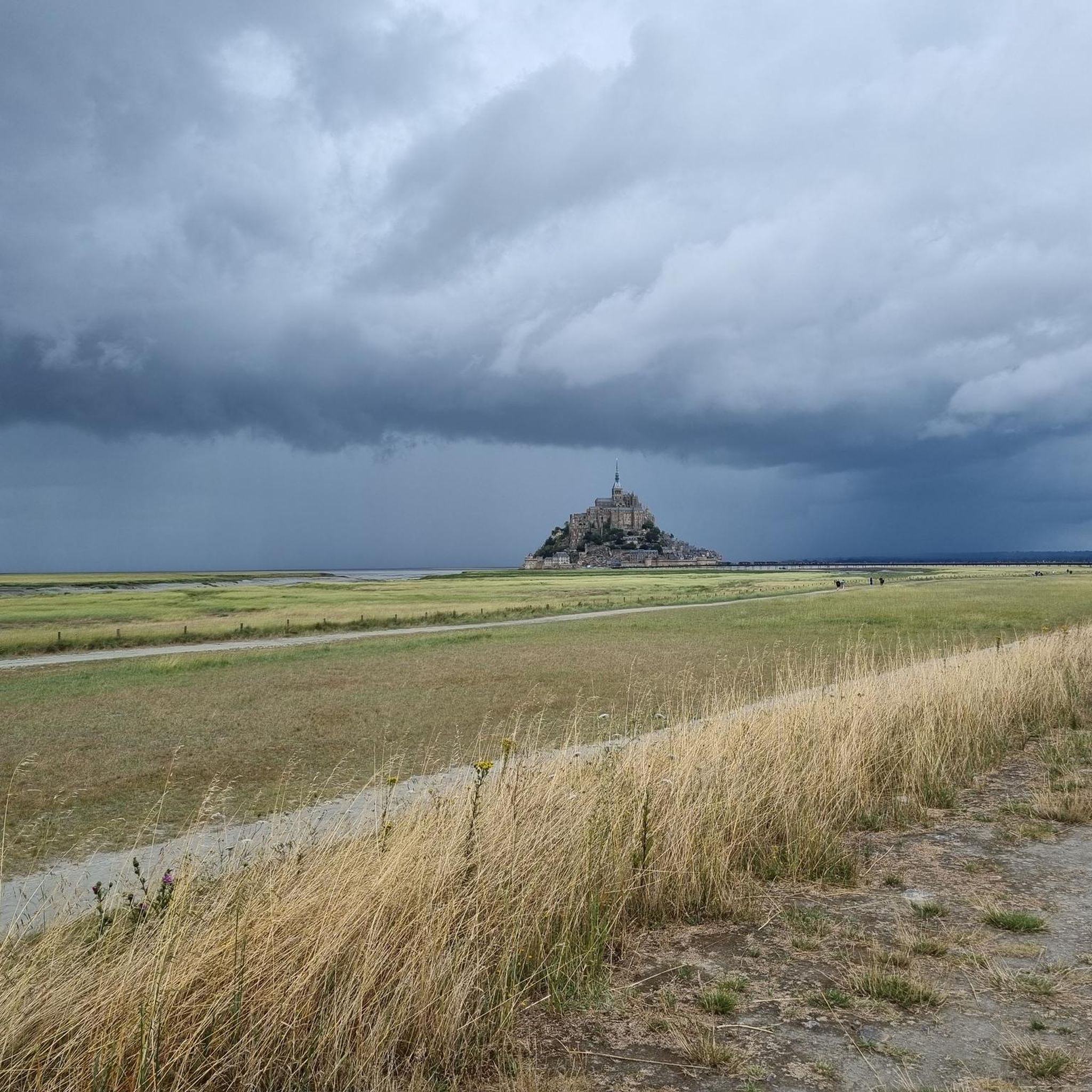
Saint-Michel-de-Montjoie
Highlight • Settlement
But the emblematic …
Translated by Google •
Tip by

The roadside cross
Highlight • Other
Translated by Google •
Tip by

Sign up now to discover places like this
Get recommendations on the best single tracks, peaks, & plenty of other exciting outdoor places.
Sign up for free
Motte Castrale and Étang du Vieux Château
Highlight • Historical Site
Translated by Google •
Tip by
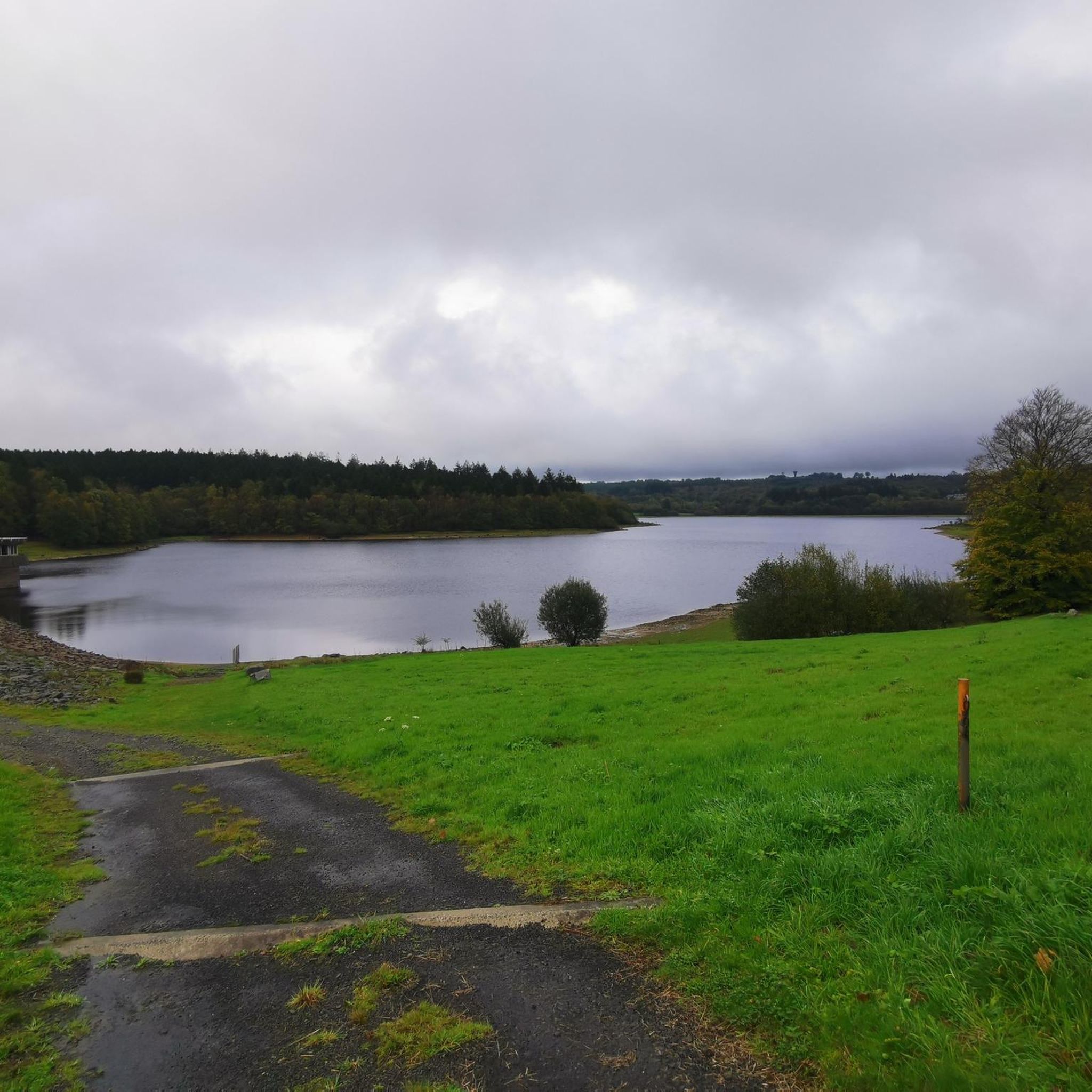
Lac du Gast
Highlight • Lake
Translated by Google •
Tip by
Chapelle des Nouettes
Highlight • Religious Site
Translated by Google •
Tip by
Sign up for free to discover even more attractions around Saint-Laurent-De-Cuves.
Sign up for free
Already have an account?
Start today with a free account
Your next adventure awaits.
Login or Signup


Tips from the Community

To get to know Saint Claire, honored here with a statue, we must, geographically speaking, travel from the Manche region, south over the Alps, to the Italian region of Umbria, and, in chronological terms, return to the 13th century. "Santa Chiara" (usually referred to in German as "Clare of Assisi") from that city is the second great figure in Christianity, alongside "San Francesco." While the men who gathered around Francis proclaimed the Word of God as preachers, Claire and her fellow sisters lived in seclusion in a convent near the Church of San Damiano, outside the gates of the city of Assisi. Clara was born in (or around) the year 1193 and died in 1253. Her general feast day in the calendar of saints is the day of her death, August 11, in all major Christian denominations. There are also regional or order-specific feast days.
0
0
Each of these crosses, which the hiker encounters, clearly visible in the fields or—as here—in the shade of the trees, is a symbol of remembrance of the crucifixion, but also of the resurrection of Jesus Christ. "With us on earth, there is His memory, but in the Kingdom of Heaven is His presence: This presence is the joy of those who have already attained salvation. The memory is our consolation, as we are still wanderers, journeying toward our homeland." (Saint Bernard of Clairvaux, founder of the order and Doctor of the Church)
0
0
The small church that hikers encounter north of Saint-Michel-de-Montjoie is built of the stone typical of this region. A look inside the chapel reveals that the apse houses not just one statue (often either a cross or the saint chosen as patron), but five. + Centrally located and slightly elevated, we see the Virgin Mary holding her son Jesus in her arms. Both are facing the viewer and wear a crown. + To the left of the viewer, but to the right of the Madonna, and thus in a place of honor, we find her fiancé, Saint Joseph, Jesus' foster father. + Next to him, we encounter the Archangel Michael, who, with his spear, slays a dragon lying at his feet – always the symbol of evil in Christian iconography. + On the other side of Mary stands the Apostle Peter, to whom, according to the Gospel accounts, Christ entrusted the keys of the Kingdom of Heaven. + On the far right from the viewer's perspective is another saint, whose name I unfortunately cannot identify. However, his dark habit identifies him as a member of a religious order.
0
0
The small church that bikers encounter north of Saint-Michel-de-Montjoie is built of the stone typical of this region. A look inside the chapel reveals that the apse houses not just one statue (often either a cross or the saint chosen as patron), but five. + Centrally located and slightly elevated, we see the Virgin Mary holding her son Jesus in her arms. Both are facing the viewer and wear a crown. + To the left of the viewer, but to the right of the Madonna, and thus in a place of honor, we find her fiancé, Saint Joseph, Jesus' foster father. + Next to him, we encounter the Archangel Michael, who, with his spear, slays a dragon lying at his feet – always the symbol of evil in Christian iconography. + + On the other side of Mary stands the Apostle Peter, to whom, according to the Gospel accounts, Christ entrusted the keys of the Kingdom of Heaven. + On the far right from the viewer's perspective is another saint, whose name I unfortunately cannot identify. However, his dark habit identifies him as a member of a religious order.
0
0

pleasant hike
0
0

Beautiful cemetery with a beautiful church
1
0
Super nice place
1
0
Frequently Asked Questions
What natural features can I explore around Saint-Laurent-De-Cuves?
The area offers several natural points of interest. You can visit Lac du Gast, a significant drinking water reserve and a habitat for waterfowl. The Motte Castrale and Étang du Vieux Château, located within the Forêt de Saint-Sever, combines a historical site with a tranquil pond and forest setting. The broader rural landscape of Normandy also provides opportunities for outdoor activities like fishing and mountain biking.
Are there any historical sites to visit in the area?
Yes, Saint-Laurent-De-Cuves and its surroundings are rich in history. You can explore the 11th-century Motte Castrale and Étang du Vieux Château. The village of Saint-Michel-de-Montjoie is known for its granite park-museum and a historically significant cemetery. Additionally, the Chapelle des Nouettes is a mystical place steeped in history since the French Revolution. Within the commune, you can also find the local landmark Église Saint-Laurent, the Monument aux Morts, and the historic Le Moulin de l'Isle, dating back to 1578.
What family-friendly attractions are available near Saint-Laurent-De-Cuves?
For families, Lac du Gast is appreciated for its natural setting and is suitable for a relaxed visit. The settlement of Saint-Michel-de-Montjoie with its granite park-museum offers an educational experience. A short drive away, you can find the Zoo de Champrepus (approx. 17.5 km) and The Enchanted Village (Le Village Enchanté, approx. 12.3 km), both popular choices for families.
Can I find good hiking trails around Saint-Laurent-De-Cuves?
Yes, the region offers various hiking opportunities. You can explore trails around the Forêt de Saint-Sever, which hosts the Motte Castrale and Étang du Vieux Château. For more structured routes, consider exploring the nearby hiking guides, such as Hiking around Saint-Laurent-De-Cuves, which features routes like the 'Hameau Les Nouettes – Montjoie Wood loop' and 'Le Glanon – Saint-Pois Castle loop'.
Are there cycling or mountain biking opportunities near Saint-Laurent-De-Cuves?
Absolutely. The rural landscape is ideal for cycling and mountain biking. You can find various routes in the area, including those listed in the Gravel biking around Saint-Laurent-De-Cuves guide, with options like the 'Montjoie Wood – Gast Dam loop'. For road cycling, the Cycling around Saint-Laurent-De-Cuves guide offers routes such as the 'Château de Vassy loop'.
Where can I find scenic views or viewpoints?
For panoramic vistas, head to Saint-Michel-de-Montjoie, where the belvedere near the church offers superb views over the Mortainais valley. On a clear day, you might even catch a glimpse of Mont Saint-Michel. The Motte Castrale and Étang du Vieux Château also provides a picturesque setting within the forest.
What is the significance of the roadside crosses in Saint-Laurent-De-Cuves?
Saint-Laurent-De-Cuves is home to fourteen roadside crosses, known as calvaries. These crosses, such as The roadside cross in the forest of Saint-Sever, are symbols of remembrance and spiritual significance. They often mark old Roman roads or important crossroads, serving as guides for travelers and reminders of faith.
Is there a notable cultural event in Saint-Laurent-De-Cuves?
Yes, Saint-Laurent-De-Cuves is famous for hosting the annual 'Papillons de Nuit' rock music festival. This major cultural event attracts large audiences and is a significant highlight in the region's cultural calendar.
What is the <a href="https://www.komoot.com/highlight/4156910" target="_blank" rel="noopener">Lac du Gast</a> used for?
The Lac du Gast is primarily a drinking water reserve, covering 66 hectares. It supplies a significant amount of water daily to meet local demand. Beyond its practical use, it's also a natural monument appreciated for its serene setting and as an important habitat for waterfowl.
What is the <a href="https://www.komoot.com/highlight/4205253" target="_blank" rel="noopener">Motte Castrale and Étang du Vieux Château</a>?
The Motte Castrale and Étang du Vieux Château is a historical site located in the heart of the Forêt de Saint-Sever. It features an 11th-century motte castle site, which is an artificial mound built for defensive purposes, overlooking a tranquil pond. It's a popular spot for pleasant hikes and enjoying nature.
What can I expect to see at <a href="https://www.komoot.com/highlight/5560494" target="_blank" rel="noopener">Saint-Michel-de-Montjoie</a>?
Saint-Michel-de-Montjoie is a charming settlement known for its granite park-museum, which traces the history of the region's granite industry. Visitors can also enjoy panoramic views from the belvedere near the church and discover the quaint Chapelle des Nouettes and a historically significant cemetery.
Are there any religious or spiritual sites in the area?
Yes, the Église Saint-Laurent is a significant local Catholic church within Saint-Laurent-De-Cuves. Additionally, the Chapelle des Nouettes is a mystical place with a rich history, known for its connection to refractory priests during the French Revolution and a statue of Sainte-Claire where some faithful believe in miraculous water.
What is the best time to visit Saint-Laurent-De-Cuves for outdoor activities?
The region's rural landscape and forests are enjoyable throughout the warmer months. Spring and autumn offer pleasant temperatures for hiking, cycling, and exploring historical sites without the peak summer crowds. If you're interested in the 'Papillons de Nuit' festival, plan your visit around its annual dates, typically in late spring.
Most popular routes around Saint-Laurent-De-Cuves
Most popular attractions around Saint-Laurent-De-Cuves

Get inspired with the komoot mobile app


Explore more
Still not found the Highlight you’re looking for? See guides of the top attractions in other regions:
