Attractions and Places To See around Saint-Quentin-Sur-Le-Homme - Top 20
Best attractions and places to see around Saint-Quentin-Sur-Le-Homme include historical sites and natural features. This commune in Normandy is situated in the Bay of Mont-Saint-Michel, characterized by wetlands and the Sélune river. It serves as a base for exploring the region's landmarks and offers local walking trails. The area provides access to significant cultural and natural points of interest.
Best attractions and places to see around Saint-Quentin-Sur-Le-Homme
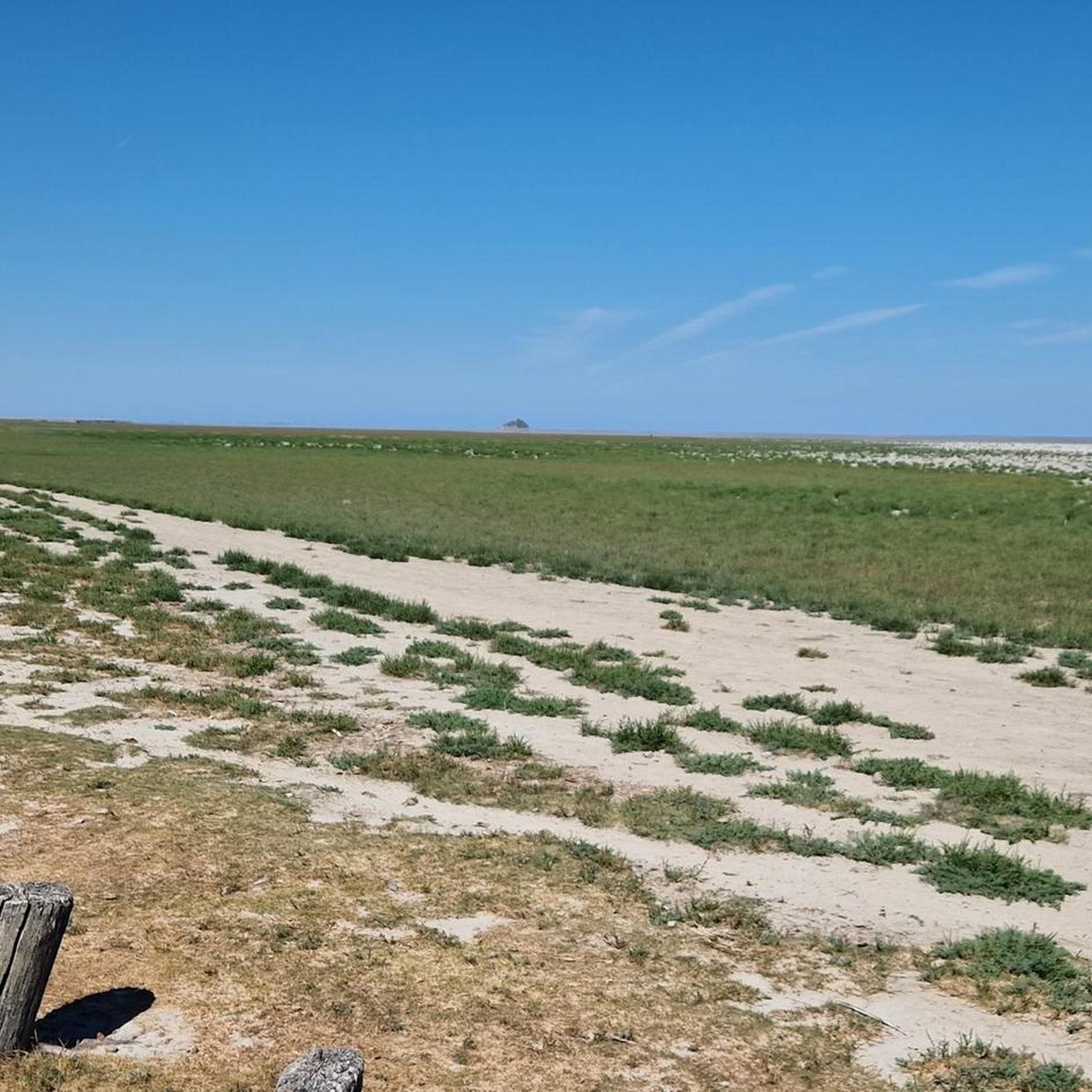
- The most popular attractions is Grouin du Sud, a viewpoint that offers a beautiful panorama of Mont-Saint-Michel and its bay. This location provides great views of the famous monastery island from across the bay.
- Another must-see spot is Pontaubault Bridge, a historic bridge with eleven arches spanning the Sélune river. This bridge resisted multiple bombings during World War II, allowing 100,000 men and 1,500 vehicles to cross.
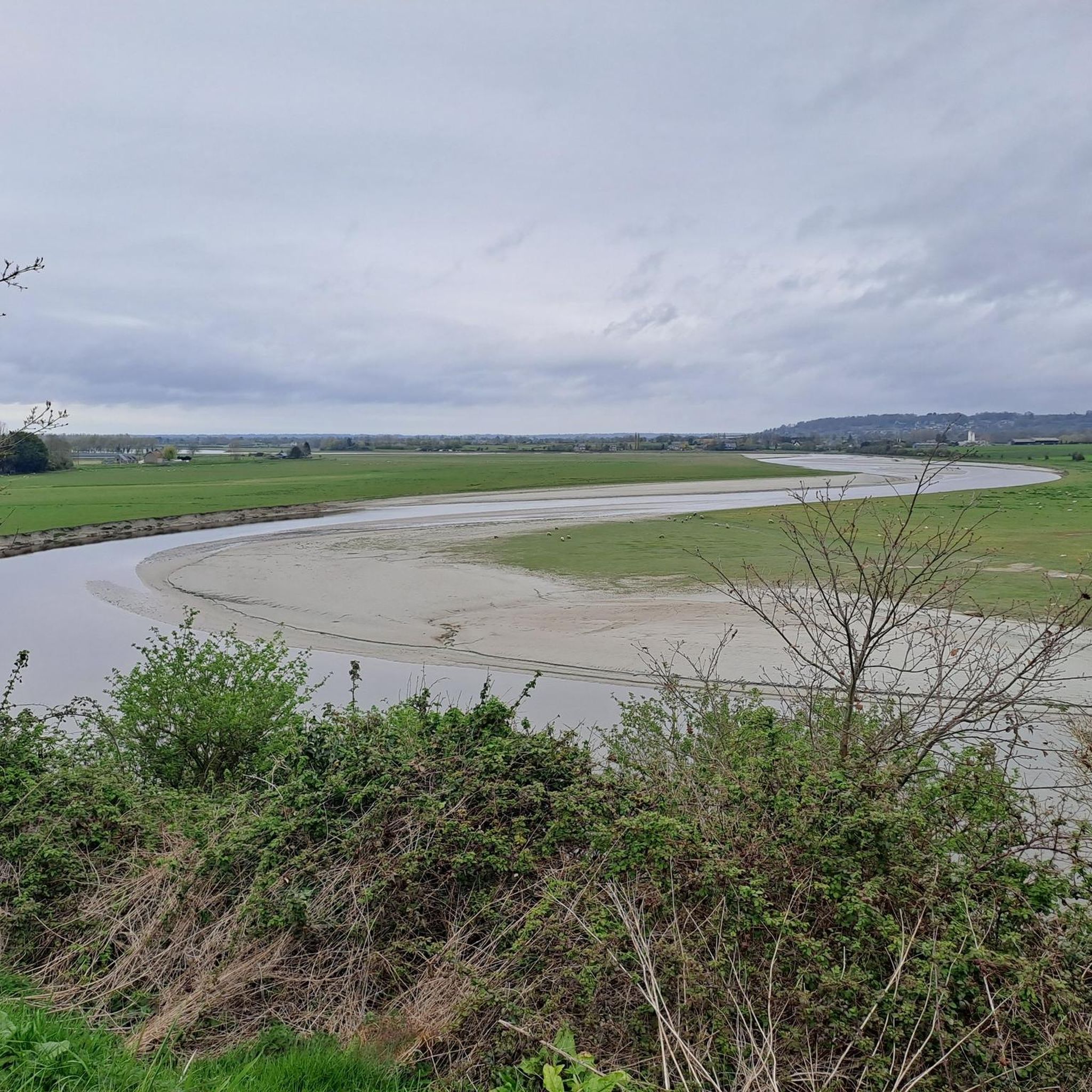
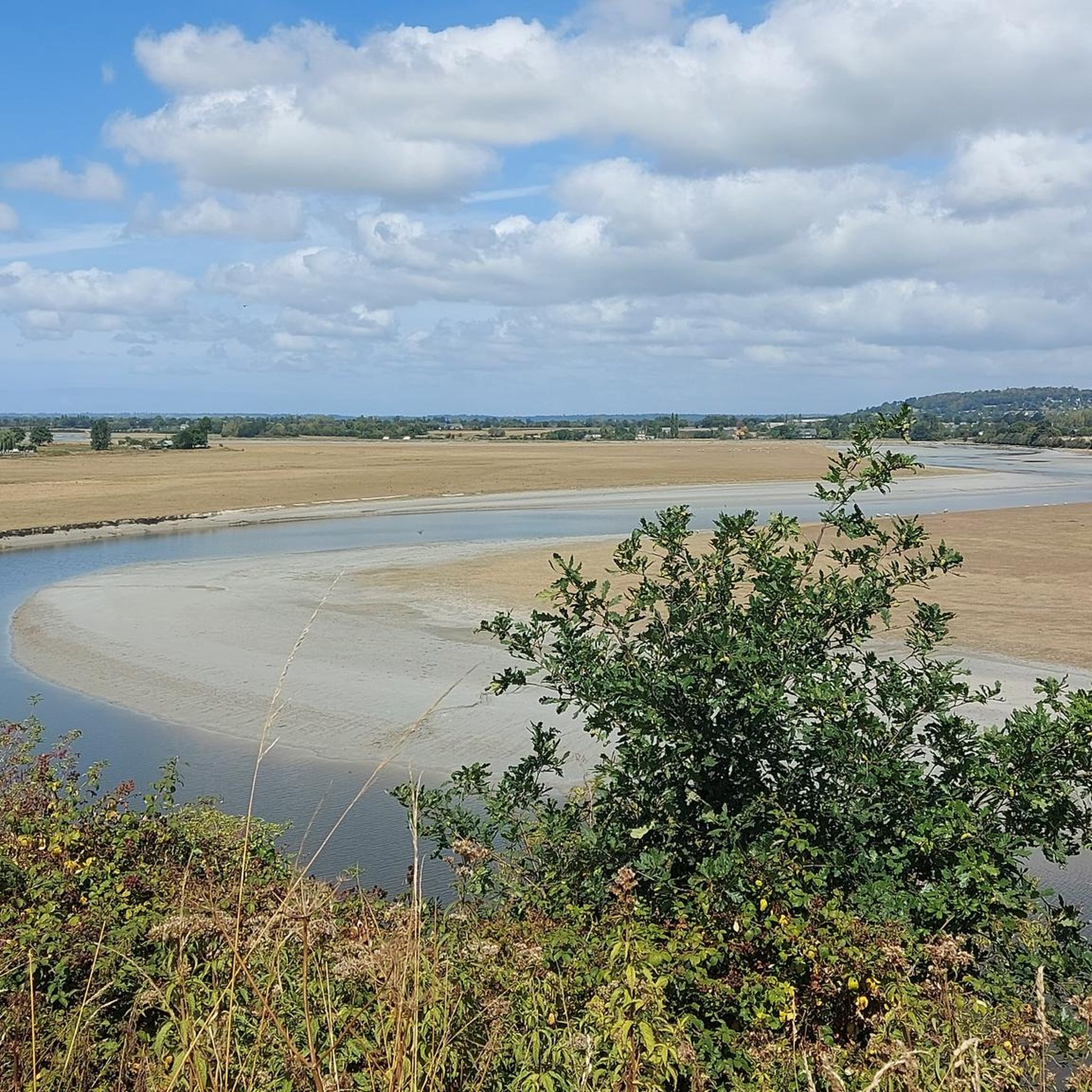
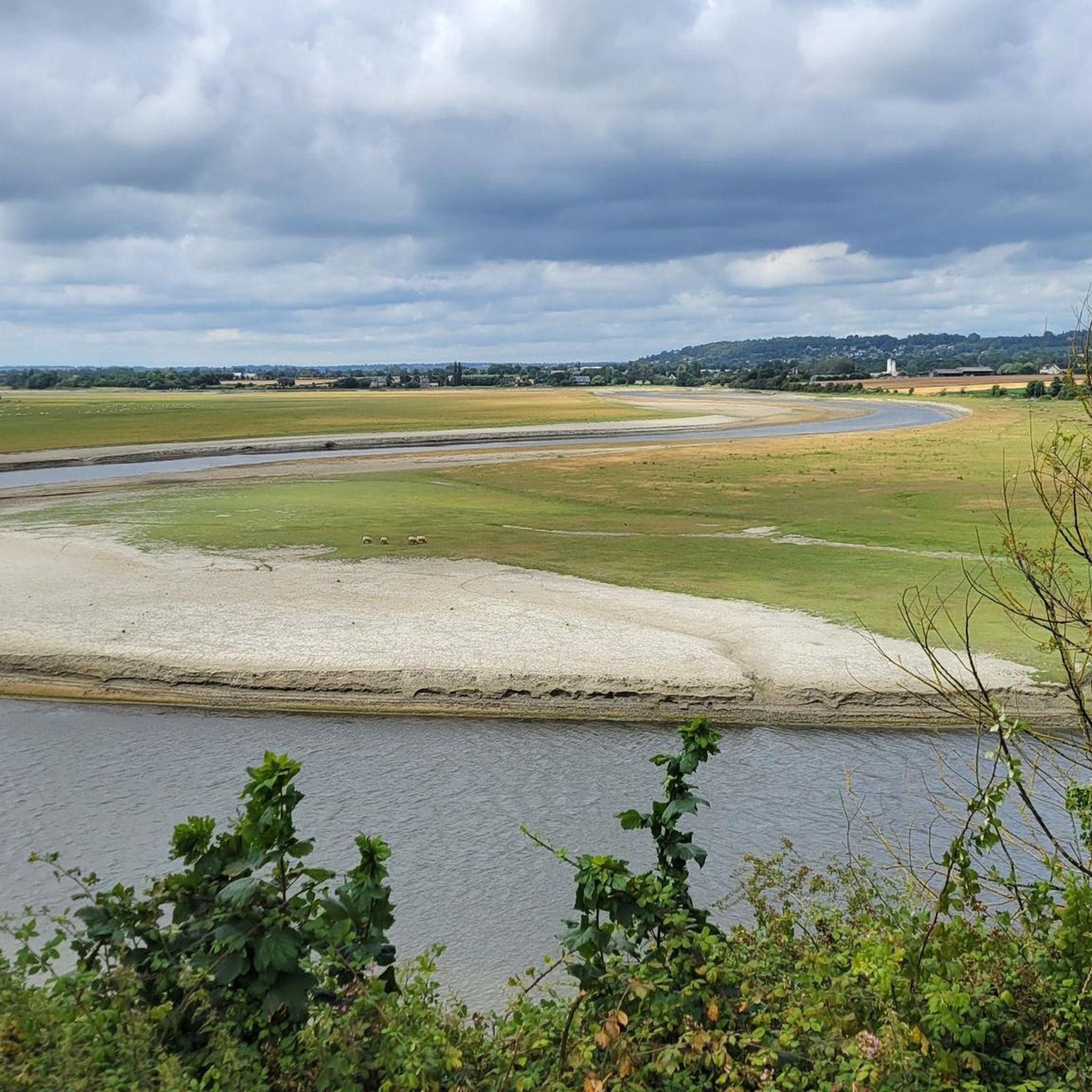
- Visitors also love La Roche Torin, a viewpoint located at the mouth of the Sélune. The view of Mont-Saint-Michel is notable from here, with sheep grazing on salt meadows.
- Saint-Quentin-Sur-Le-Homme is known for historical bridges, panoramic viewpoints, and natural landscapes. The region offers a variety of attractions to see and explore, from cultural sites to natural features.
- The attractions around Saint-Quentin-Sur-Le-Homme are appreciated by the komoot community, with 360 upvotes and 42 photos shared across the highlights.
Last updated: May 9, 2026
Pontaubault Bridge
Highlight • Bridge
Un Oradour évité:
Dans le village une plaque rappelle l'héroïsme de l'Alsacien François Mutschler qui réussit à sauver la vie de nombreux habitants. On peut lire7 : « Le 3 février 1944 à trois heures du matin, les soldats allemands réveillent la population endormie qui sera dirigée et enfermée dans l'église à la suite des déraillements de trois trains de munitions et de troupes près du pont de la Sélune.
Les absents seront désignés comme suspects. Des otages seront choisis et exécutés. Il manque treize personnes. Les habitants doivent leur salut à un soldat allemand qui servait d'interprète. Son cœur battait français. Il parvient à escamoter les noms. Il bredouille en lisant et annonce finalement qu'il ne manque personne. Les Allemands renoncent. Ils laissent les habitants rentrer chez eux.
Par son courage, ce soldat sauva plusieurs vies humaines ; celles de gens qui auraient dû être fusillés sous prétexte que des sabotages venaient du village.
Dans une lettre datée du 25 septembre 1945, cet humble et courageux soldat écrivait : « Ce que j'ai fait dans votre village était normal puisque j'étais alsacien et enrôlé de force dans la Wehrmacht, j'ai fait mon possible pour la France tant que j'ai pu car sous l'uniforme vert battait le bleu, le blanc et le rouge ».
Libération: Le 25 juillet, à la suite de l'opération Cobra, les troupes américaines après avoir piétiné pendant des semaines dans le bocage, progressent rapidement vers le sud du Cotentin. Elles atteignent Avranches le 30 et le lendemain, le Brigadier General Dager envoie des éléments du Combat Command B de la 4e division blindée américaine sur Pontaubault10. Ils découvrent alors que le pont sur la Sélune est endommagé mais utilisable11. Ce pont est la voie d'accès vers la Bretagne. Ils franchissent le pont et repoussent une attaque allemande de la Kampfgruppe Bacherer10. Le général Patton allait prendre officiellement le lendemain le commandement de la 3e armée américaine qui avait débarqué quelques jours plus tôt en Normandie. Apprenant la nouvelle de la prise du pont, il ordonna au général Middleton de le faire franchir par la 4e et la 6e divisions blindées. Il fera passer dans les jours suivants sur le pont toutes ses troupes disponibles10. Plus de 8 divisions vont ainsi le franchir en 72 heures.
fr.wikipedia.org/wiki/Pontaubault
Tip by

Grouin du Sud
Highlight • Viewpoint
Translated by Google •
Tip by

Sign up now to discover places like this
Get recommendations on the best single tracks, peaks, & plenty of other exciting outdoor places.
Sign up for free
La Roche Torin
Highlight • Viewpoint
Translated by Google •
Tip by

Huisne-sur-Mer German cemetery
Highlight • Other
Translated by Google •
Tip by

Montgommery Castle
Highlight • Castle
Translated by Google •
Tip by

Sign up for free to discover even more attractions around Saint-Quentin-Sur-Le-Homme.
Sign up for free
Already have an account?
Start today with a free account
Your next adventure awaits.
Login or Signup
Popular around Saint-Quentin-Sur-Le-Homme

Tips from the Community

The Grouin du Sud is a natural headland offering impressive views of the bay and the famous Klosterberg. Depending on the tide, the landscape alternates between vast mudflats and ocean views, making the place particularly charming.
1
0
La Roche Torin is a prominent vantage point in the Bay of Mont Saint-Michel. This spot offers a unique view of the bay and is a popular destination for hikers and photographers, especially during strong tides (coefficient over 100). The tidal coefficient is the most important indicator for assessing the dynamics of the bay. A coefficient over 100 indicates spectacular tide conditions and a natural spectacle. Here in the Bay of Mont Saint-Michel, the highest tides in Europe occur, with a tidal range of up to 15 meters between high and low tide. Tidal range Mont Saint-Michel: https://tides4fishing.com/fr/basse-normandie/le-mont-saint-michel#_tidal_coefficient
1
0

Mont de Huisnes is one of the German military cemeteries in Normandy. Nearly 20,000 fallen soldiers from the entire region during the D-Day campaign in 1944 rest here. The complex is circular, with the urns of the fallen gathered in galleries with cubicles containing the compartments. Visitors can access the upper level, where a lawn with a cross marks the center of this exceptionally dignified site. The information room offers detailed documentation and case studies of individual victims in three languages. A well-maintained site that makes a valuable contribution to remembrance and a reminder of peace. Thank you for this!
0
0

Beautiful view of the Klosterberg and an easy path to ride.
0
0

A bridge with a long history! Even the Romans passed along here! And at the end of World War II, American troops passed through here to liberate France. Today, people make pilgrimages past the bridge on their way to Mont St. Michel.
1
0

The Torin rock is located at the mouth of the Sélune. The grass of the numerous salt meadows grows abundantly on the polders. The sheep that feed on it will have meat with a very desirable taste. Another advantage, the view of Mont-Saint-Michel is superb here.
1
0

Montgommery Castle was built in the 17th century by the Montgommery family, prominent Protestants involved in the death of King Henry II of France. The castle is Renaissance style, with a terrace, a balcony and a chapel dedicated to Saint Marguerite. You can explore the castle and its surroundings, and learn more about its history and architecture. You can also play a game of Ducey-Code, a live investigation game that mixes puzzles and history in the castle. The castle is open from Wednesday to Sunday, from 2:00 p.m. to 6:00 p.m.
2
0

The “Pont de Pontaubault” is a beautiful work of art, the construction of which dates back to the 15th century. It is the first bridge to cross the Sélune, between Saint-Quentin-sur-le-Homme (right bank) and Pontaubault (left bank). It is located on the old road from Avranches to Rennes, via Saint-James. Since the arrival of the A84 motorway it has mainly been used locally. The bridge has eleven arches and is built with stone masonry. There is a picnic area at the bridge, near the railway viaduct of the Caen-Rennes line, not far from the salt meadows where sheep graze. During big tides many spectators and kayakers come to enjoy the spectacle provided by the tide. The bridge has a rich history. It was bombed several times during World War II but withstood these attacks, allowing 100,000 men and 1,500 vehicles to cross. A memorial plaque recalls that "the fate of the war lay on this bridge".
3
1
Frequently Asked Questions
What are some must-see viewpoints near Saint-Quentin-sur-le-Homme?
You can enjoy stunning panoramas of Mont-Saint-Michel and its bay from several viewpoints. Grouin du Sud offers excellent views, especially of the famous monastery island. Another notable spot is La Roche Torin, located at the mouth of the Sélune, where you can often see sheep grazing on salt meadows with Mont-Saint-Michel in the background.
What historical sites can I visit around Saint-Quentin-sur-le-Homme?
The region is rich in history. The Pontaubault Bridge, with its eleven arches spanning the Sélune river, is a significant landmark that withstood multiple bombings during World War II. You can also explore Montgommery Castle, a 17th-century Renaissance-style castle with a fascinating history tied to King Henri II. The historic Church of Saint-Quentin-sur-le-Homme itself, with Romanesque foundations from the 12th century, is also worth a visit.
Are there any family-friendly attractions or activities in the area?
Yes, several attractions are suitable for families. Grouin du Sud is considered family-friendly for its accessible views. Montgommery Castle offers an engaging experience, including a live investigation game called Ducey-Code that mixes puzzles and history, making it fun for all ages. The local nature trail in Saint-Quentin-sur-le-Homme is also a gentle option for family walks.
What natural features can I explore near Saint-Quentin-sur-le-Homme?
The commune is nestled within the Bay of Mont-Saint-Michel, a UNESCO World Heritage Site known for its significant biodiversity. You can discover extensive wetlands, numerous small streams, and the Sélune River that borders the commune. A 10-kilometer nature trail highlights the local hedgerow landscape and wetlands, following the 'ruisseau du Lait Bouilli'.
What outdoor activities can I do near these attractions?
The area is excellent for cycling and walking. You can find various cycling routes, including road cycling, gravel biking, and touring bicycle options. For example, there are routes like the 'Sélune Riverbank – Pontaubault Bridge loop' or the 'Voie verte de la Véloscénie' which offer different distances and difficulties. You can explore more options on the dedicated guides for Road Cycling, Gravel Biking, and Cycling around Saint-Quentin-sur-le-Homme.
Are there any unique historical landmarks in the immediate vicinity of Saint-Quentin-sur-le-Homme?
Beyond the famous Mont-Saint-Michel, the Pontaubault Bridge is a local landmark with a compelling story of resilience during World War II. The historic Church of Saint-Quentin-sur-le-Homme, dating back to the 12th century with later additions, features Romanesque foundations, two sundials, and carved faces, housing several classified historical monuments.
What is the best time to visit Saint-Quentin-sur-le-Homme and its surrounding attractions?
The region is generally pleasant from spring to early autumn (April to October). This period offers mild weather ideal for exploring outdoor attractions, walking trails, and enjoying the viewpoints. Visiting outside of peak summer can also provide a more tranquil experience at popular sites like Mont-Saint-Michel.
What do visitors enjoy most about the attractions around Saint-Quentin-sur-le-Homme?
Visitors particularly appreciate the breathtaking views of Mont-Saint-Michel from various points like Grouin du Sud and La Roche Torin. The historical significance of sites like the Pontaubault Bridge and the charm of Montgommery Castle are also highly valued. The blend of natural beauty and rich history makes the area appealing.
Are there any other towns or villages nearby worth visiting?
Yes, several charming towns are within a short drive. Avranches, known as the 'Manuscripts town of Mont-Saint-Michel,' is about 5.7 kilometers away. Ducey, approximately 4 kilometers away, hosts a market on Tuesdays. Further afield, you can visit Granville (a seaside resort), Fougères (with a medieval castle), Dol-de-Bretagne (a charming old town), and Cancale (famous for oysters).
Can I find any war memorials or sites of remembrance in the area?
Yes, the Pontaubault Bridge itself has commemorative plaques detailing its role in World War II. Additionally, the Huisne-sur-Mer German cemetery is an unusual and poignant place of memory, housing over 11,000 German soldiers who died in WWII, including civilians.
Are there opportunities for walking or hiking directly from Saint-Quentin-sur-le-Homme?
Yes, the municipality has developed a 10-kilometer nature trail that allows you to explore the local biodiversity, hedgerow landscapes, and wetlands. This trail follows the 'ruisseau du Lait Bouilli' and passes through fields and cultural spaces, offering a pleasant local walking experience.
Most popular routes around Saint-Quentin-Sur-Le-Homme
Most popular attractions around Saint-Quentin-Sur-Le-Homme

Get inspired with the komoot mobile app


Explore more
Still not found the Highlight you’re looking for? See guides of the top attractions in other regions:
