Top 4 Castles around Moëze
Castles around Moëze are situated in a commune in southwestern France, recognized for its natural heritage. The area is characterized by its marshes and coastal landscapes, notably home to the Moëze-Oléron National Nature Reserve. While Moëze itself is known more for its biodiversity, the broader Charente-Maritime department features several historical fortifications and châteaux. These sites offer insights into the region's past and strategic importance.
Best castles around Moëze
- The most popular castles is Château-d'Oléron Citadel, a castle that features…
Last updated: May 4, 2026
Château-d'Oléron Citadel
Highlight • Castle
Translated by Google •
Tip by

Brouage Citadel
Highlight • Castle
Translated by Google •
Tip by

Sign up now to discover places like this
Get recommendations on the best single tracks, peaks, & plenty of other exciting outdoor places.
Sign up for free
Fort de Fouras
Highlight • Castle
Tip by

Fort Vauban
Highlight • Castle
Translated by Google •
Tip by
La Gateaudière Castle
Highlight • Castle
fr.wikipedia.org/wiki/Ch%C3%A2teau_de_La_Gataudi%C3%A8re
Translated by Google •
Tip by

Start today with a free account
Your next adventure awaits.
Login or Signup
Tips from the Community

The citadel of Château-d'Oléron is a military fortress
0
0

A must-see for anyone visiting the island of Oléron. Richelieu ordered its construction, which began in 1630 on the remains of the old medieval castle. The work was led by the engineer Pierre d'Argencourt, who ordered the first bastion, and Louis Nicolas de Clerville later modified and enlarged the structure. The citadel and the town were completed in 1700 under the orders of Vauban. During this final phase of construction, part of the old village was razed to make way for a new fortified town, built on a grid pattern around the parade ground. A fortress with a defensive function, the citadel also housed disciplinary bodies, civilian and religious inmates during the Reign of Terror, and political prisoners in 1870. On April 17, 1945, an aerial bombardment destroyed many parts of the citadel. From 1959 to 1970, an initial restoration began. The stronghold was restored from 1988.
1
0

fortified village, former port of departure for the Americas, today it is located approximately 1.5km from the shore...
0
0

nice walk to do in and around the fort
0
0

beautiful place
1
0

Overlooking the Grande Plage of Fouras-les-Bains, you cannot miss this gigantic structure: Fort Vauban. From the 11th century, the castellany of Fouras owed its growth to the taxes that the lords of Rochefort levied on boats using the Charente. In the 15th century, in place of the castle, destroyed during the War of Religion, a 30 meter high keep was built to monitor the sea from the top of its terrace. It was during the construction of the Rochefort Arsenal that the keep became the fort we know today. It then becomes a centerpiece of the defense system of the approaches to the Charente in order to prevent entry towards Rochefort.
0
0

Heavy attachment for a nice patch of earth.
1
0

More information can be found here: https://meinfrance.com/brouage-schoenste-doerfer-zitadelle/
0
1
Frequently Asked Questions
What kind of historical significance do the castles around Moëze hold?
The castles and fortifications in the Charente-Maritime department, near Moëze, offer a rich historical journey. Sites like the Brouage Citadel showcase significant 17th-century military architecture, designed by Vauban, and its past as a strategic port. Fort de Fouras, built on a Roman castle site, defended the Charente river mouth for centuries. The region's fortifications reflect its strategic importance in medieval times and during later conflicts.
Which castles around Moëze are particularly good for families with children?
Several sites are family-friendly. The Château-d'Oléron Citadel is listed as family-friendly and offers an imposing fortress to explore. Brouage Citadel, with its extensive ramparts and historical context, provides an engaging experience for all ages. Further inland, the Château de la Roche-Courbon (mentioned in region research) offers themed activities like a 'Castle Game' and a children's course.
Can I combine a visit to these castles with outdoor activities?
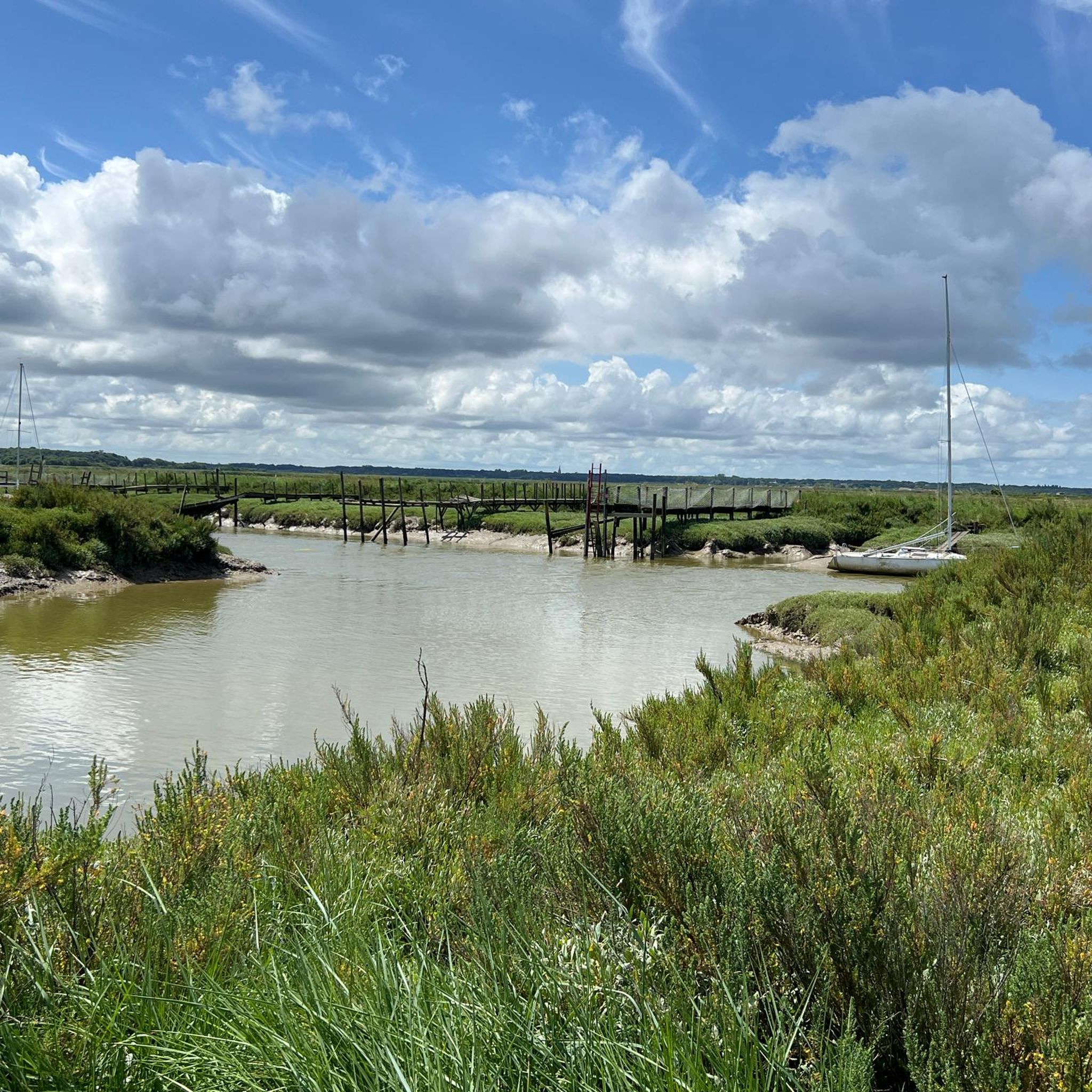
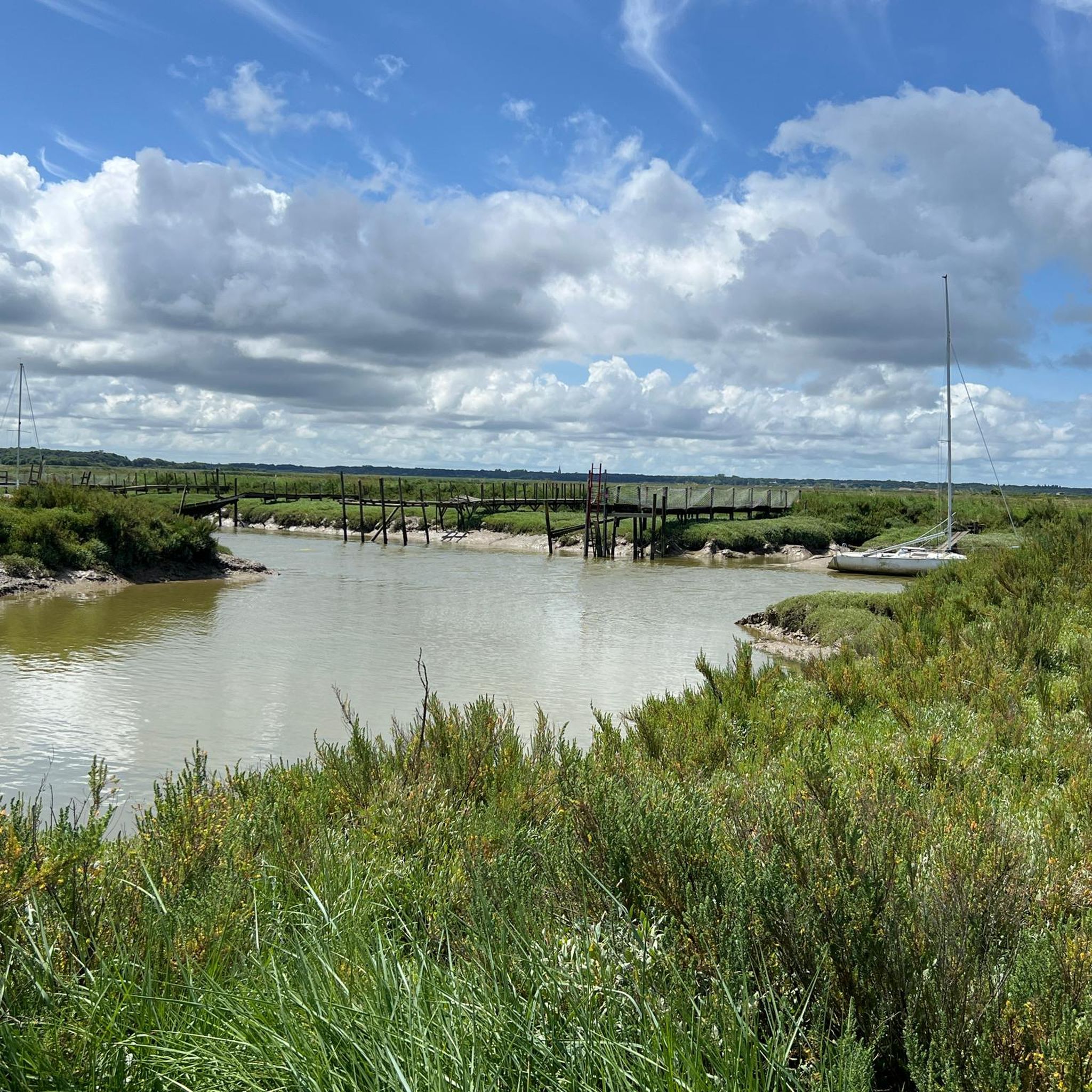
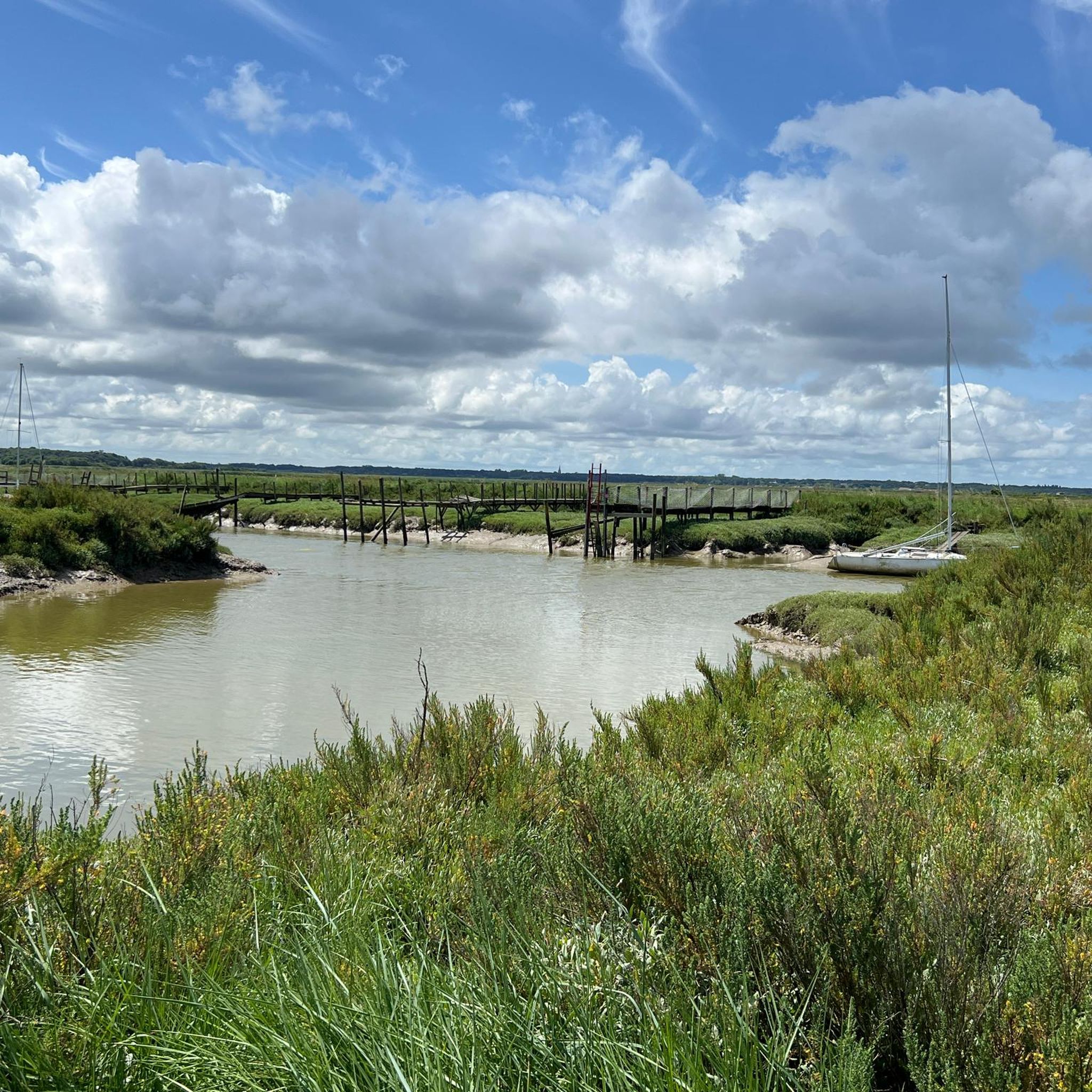
Absolutely. The region around Moëze, known for its natural heritage, offers various outdoor activities. You can find numerous hiking trails, running routes, and gravel biking routes that often pass near or through historical sites and natural reserves. For example, the Brouage Citadel is surrounded by marshes, offering scenic walks.
What natural features can I expect to see near the castles?
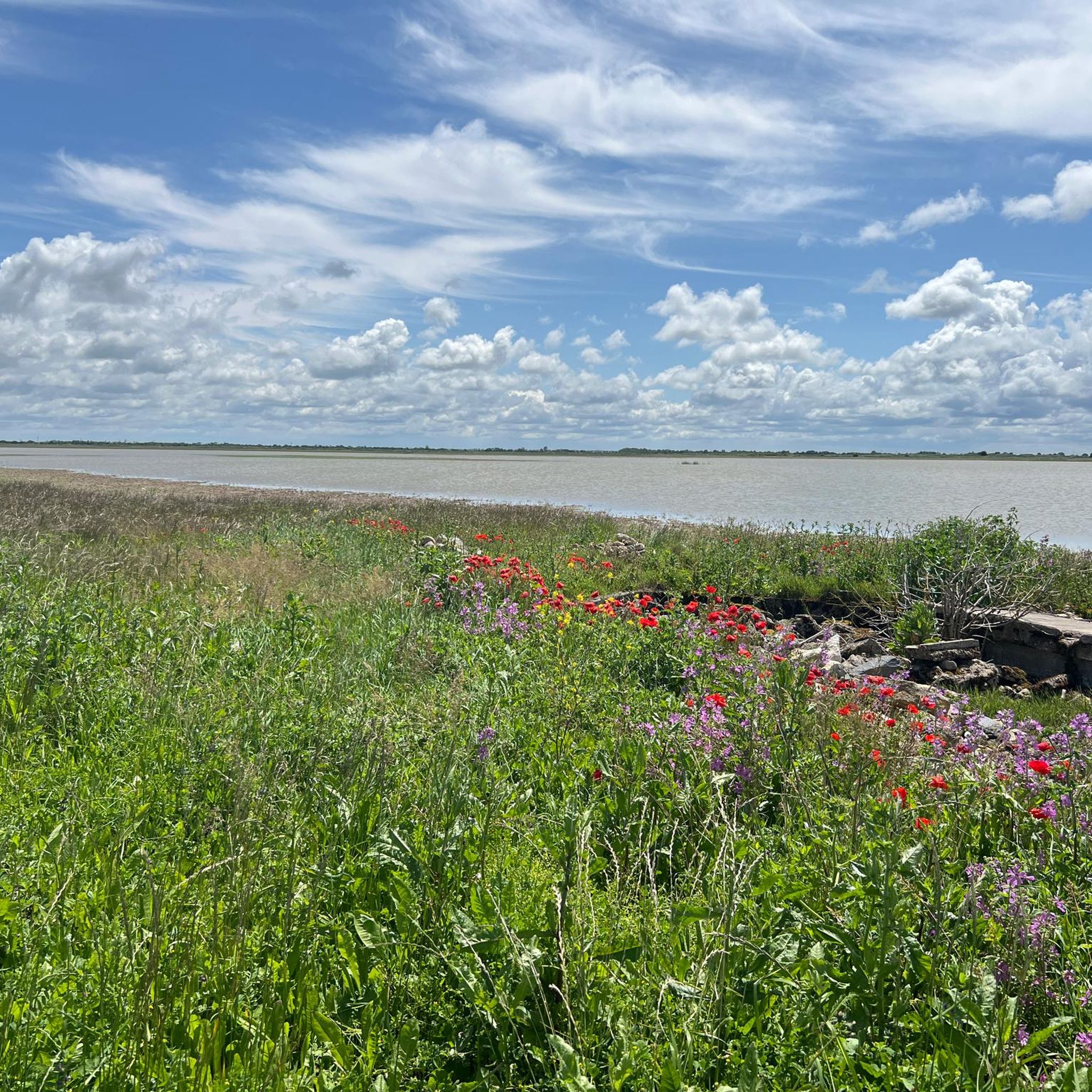
Moëze is primarily known for its natural heritage, including the Moëze-Oléron National Nature Reserve, characterized by marshes and coastal landscapes. Near the Brouage Citadel, you'll find extensive marshes that are significant for migratory birds and biodiversity. The Château-d'Oléron Citadel is located on the Île d'Oléron, offering coastal views and island scenery.
Are there any viewpoints offering scenic vistas of the castles or the surrounding area?
Yes, several castles offer excellent viewpoints. Fort de Fouras provides great views of the Charente river mouth and the coast. The ramparts of the Brouage Citadel offer panoramic views over the surrounding marshes. The Tour de Broue (a vestige of an 11th-century castle near Saint-Sornin, mentioned in region research) also provides an exceptional view over the ancient gulf, now the Brouage marsh.
What is the best time of year to visit the castles around Moëze?
The Charente-Maritime coast generally enjoys mild weather. Spring and early autumn are often ideal, offering pleasant temperatures for exploring the outdoor fortifications and enjoying the natural landscapes without the peak summer crowds. These seasons are also excellent for birdwatching in the nearby marshes.
Is it possible to visit castles on the islands near Moëze?
Yes, the Château-d'Oléron Citadel is a significant historical fortification located on the Île d'Oléron. This allows visitors to combine island exploration with historical site visits. Other island castles in the area can be visited or admired during inter-island cruises.
What makes the <a href="https://www.komoot.com/highlight/451685" target="_blank" rel="noopener">Brouage Citadel</a> a unique historical site?
The Brouage Citadel is unique because it was once a major salt trading port and later transformed into a Catholic war port by Cardinal Richelieu. Its substantial 17th-century fortifications, designed by Vauban, are remarkably well-preserved. Despite being a former port, it is now inland, surrounded by marshes, offering a fascinating glimpse into the region's changing geography and strategic importance.
Are there any less-known or 'hidden gem' castles worth exploring near Moëze?
While Moëze itself is known more for nature, the broader Charente-Maritime region has several historical sites. Beyond the main highlights, the Château Fort de Saint-Jean-d'Angle (mentioned in region research) is a medieval fortified castle with a unique Anglo-Norman keep and a medieval-themed leisure park, offering a deep dive into its fabled past and extensive restoration work.
What are some of the visitor tips for the <a href="https://www.komoot.com/highlight/450186" target="_blank" rel="noopener">Château-d'Oléron Citadel</a>?
Visitors often highlight the imposing citadel fortress and the beautiful fishermen's houses nearby. It's a significant historical fortification that offers insights into coastal defense. Many also appreciate the presence of numerous restaurants in the vicinity, making it a great spot for a full day out.
Can I find information about the history of the <a href="https://www.komoot.com/highlight/3933154" target="_blank" rel="noopener">Fort de Fouras</a> on site?
Yes, the Fort de Fouras is well-preserved and offers insights into its long history. Built on the site of a Roman castle, it served to defend the mouth of the Charente river. Information on its construction, its role during various wars, and modifications by engineers like Vauban is often available, detailing its active service until 1927.
Are there any castles that are particularly well-preserved or restored?
The Brouage Citadel is renowned for its substantial and well-preserved 17th-century fortifications. The Château Fort de Saint-Jean-d'Angle (mentioned in region research) underwent extensive restoration work completed in 2001, earning it prestigious awards for its quality, making it a prime example of a well-restored medieval castle.
Most popular attractions around Moëze

Get inspired with the komoot mobile app


Explore more
Looking for the best castles somewhere else? Discover other guides around Moëze:
