Attractions and Places To See around Moëze - Top 20
Attractions and places to see around Moëze include a blend of natural beauty and historical landmarks. The region is characterized by its expansive marshland environment, which is a crucial stopover for migratory birds. Historical sites reflect its past as a salt-producing area and its connection to maritime history. Visitors can explore diverse landscapes, from wet meadows to ancient fortifications.
Best attractions and places to see around Moëze
- The most popular attractions is Rochefort Transporter Bridge, a bridge that was…
Last updated: August 30, 2026
Rochefort Transporter Bridge
Highlight • Bridge
Translated by Google •
Tip by

Château-d'Oléron Citadel
Highlight • Castle
Translated by Google •
Tip by

Sign up now to discover places like this
Get recommendations on the best single tracks, peaks, & plenty of other exciting outdoor places.
Sign up for free
Brouage Citadel
Highlight • Castle
Translated by Google •
Tip by

Arsenal entrance
Highlight • Historical Site
Translated by Google •
Tip by

Soubise
Highlight • Settlement
Translated by Google •
Tip by

Sign up for free to discover even more attractions around Moëze.
Sign up for free
Already have an account?
Start today with a free account
Your next adventure awaits.
Login or Signup
Tips from the Community


The citadel of Château-d'Oléron is a military fortress
0
0

A must-see for anyone visiting the island of Oléron. Richelieu ordered its construction, which began in 1630 on the remains of the old medieval castle. The work was led by the engineer Pierre d'Argencourt, who ordered the first bastion, and Louis Nicolas de Clerville later modified and enlarged the structure. The citadel and the town were completed in 1700 under the orders of Vauban. During this final phase of construction, part of the old village was razed to make way for a new fortified town, built on a grid pattern around the parade ground. A fortress with a defensive function, the citadel also housed disciplinary bodies, civilian and religious inmates during the Reign of Terror, and political prisoners in 1870. On April 17, 1945, an aerial bombardment destroyed many parts of the citadel. From 1959 to 1970, an initial restoration began. The stronghold was restored from 1988.
1
0

A very beautiful archway!
2
0


fortified village, former port of departure for the Americas, today it is located approximately 1.5km from the shore...
0
0

nice walk to do in and around the fort
0
0

beautiful place
1
0
Frequently Asked Questions
What are the key historical sites to visit around Moëze?
The region boasts several significant historical sites. You can explore the impressive Brouage Citadel, a former salt trading port that became a military stronghold, now surrounded by marshes. Nearby, the 11th-century Tower of Broue stands as a testament to the historical salt exploitation. Don't miss the Rochefort Transporter Bridge, a unique 19th-century engineering marvel still operating for foot and bike crossings in summer, or the imposing Château-d'Oléron Citadel with its beautiful fishermen's houses.
Are there any natural reserves or significant natural features near Moëze?
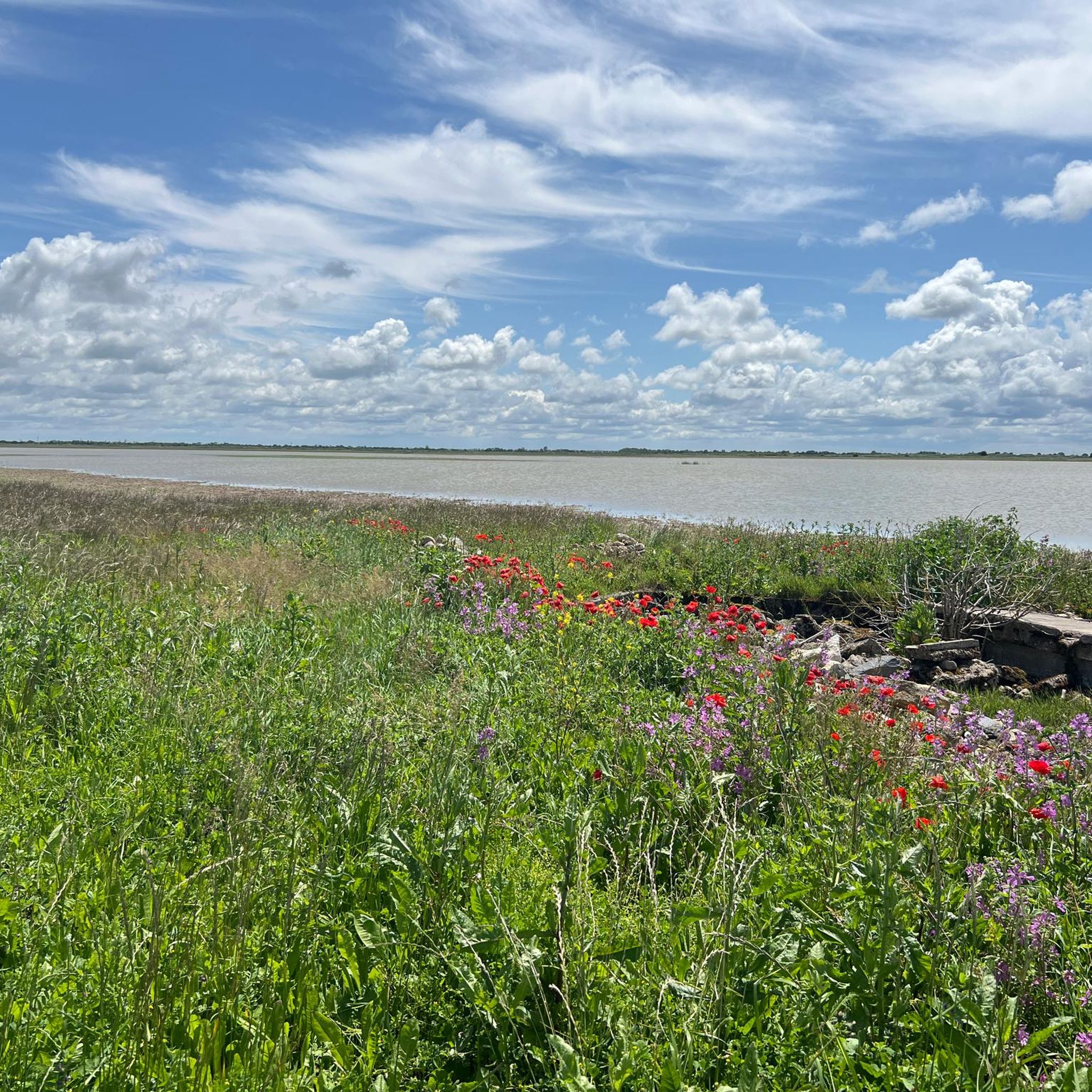
Absolutely. The most prominent natural attraction is the Moëze-Oléron National Nature Reserve, located in the heart of the Marennes-Oléron bay. This reserve is a crucial stopover for around 100,000 migratory birds annually, hosting approximately 250 bird species. You can explore its wet meadows, former salt marshes, lagoons, and mudflats. The vast Moëze Marsh itself, formed by the silting of the Gulf of Saintonge, offers a unique landscape of mounds and canals, rich in biodiversity.
What kind of outdoor activities can I do around Moëze?
The marshland environment around Moëze is ideal for various outdoor activities. You can enjoy walking, cycling, and even kayaking in the marsh. For more structured activities, there are numerous routes available. Explore hiking trails around Moëze, including easy loops like the 'Porte Royal – Spaziergang auf der Stadtmauer' or more moderate options. Cyclists can find many cycling routes, such as the 'Marais de Brouage loop' or routes featuring the Rochefort Transporter Bridge. There are also running trails for all levels, from easy loops around Soubise to more challenging distances.
Are there family-friendly attractions in the Moëze area?
Yes, several attractions are suitable for families. The Rochefort Transporter Bridge offers a unique experience for all ages, allowing foot and bike crossings. Both the Château-d'Oléron Citadel and Brouage Citadel are historical sites that can be engaging for families, offering space to explore and learn about the past. Additionally, the Moëze-Oléron National Nature Reserve provides opportunities for wildlife observation, which can be fascinating for children. Moëze also has designated picnic areas, some with children's playgrounds, like on Rue de l'Hosannière.
What are some unique cultural or local heritage sites in Moëze itself?
Within Moëze, you can discover elements of its local heritage. The Puits des Dames (Ladies' Well) on Rue des Dames is a historically convivial gathering spot, retaining its original drawing system. You'll also find old drinking troughs (abreuvoirs) scattered throughout the village, once used for livestock. The 52-meter high Moëze Bell Tower served as an important navigational landmark in the past, reflecting the village's maritime connection.
Is the Rochefort Transporter Bridge accessible for wheelchairs?
Yes, the Rochefort Transporter Bridge is listed as wheelchair accessible, making it an inclusive attraction for visitors. It operates in the summer months for foot and bike crossings, offering a unique way to experience this historical structure.
Where can I observe birds in the Moëze region?
The Moëze region is a paradise for birdwatchers. The Moëze-Oléron National Nature Reserve is the primary location, being a crucial stopover for migratory birds. Here you can spot species like the Western Marsh Harrier, Black-tailed Godwit, Purple Heron, and White Stork. Beyond the main reserve, various points within the Moëze Marsh also offer excellent opportunities for ornithological observation due to the rich birdlife inhabiting its wet meadows, lagoons, and mudflats.
Are there any hidden gems or lesser-known spots to discover around Moëze?
Beyond the main attractions, Moëze offers charming lesser-known spots. The Puits des Dames and the old drinking troughs provide a glimpse into the village's historical daily life. The Moëze Bell Tower, while a prominent feature, holds a fascinating past as a navigational landmark. Exploring the vast Moëze Marsh itself, away from designated reserves, can reveal quiet corners and unique perspectives on the local ecosystem and its small heritage elements like old cabins and hydraulic structures.
What is the significance of the Moëze Marsh?
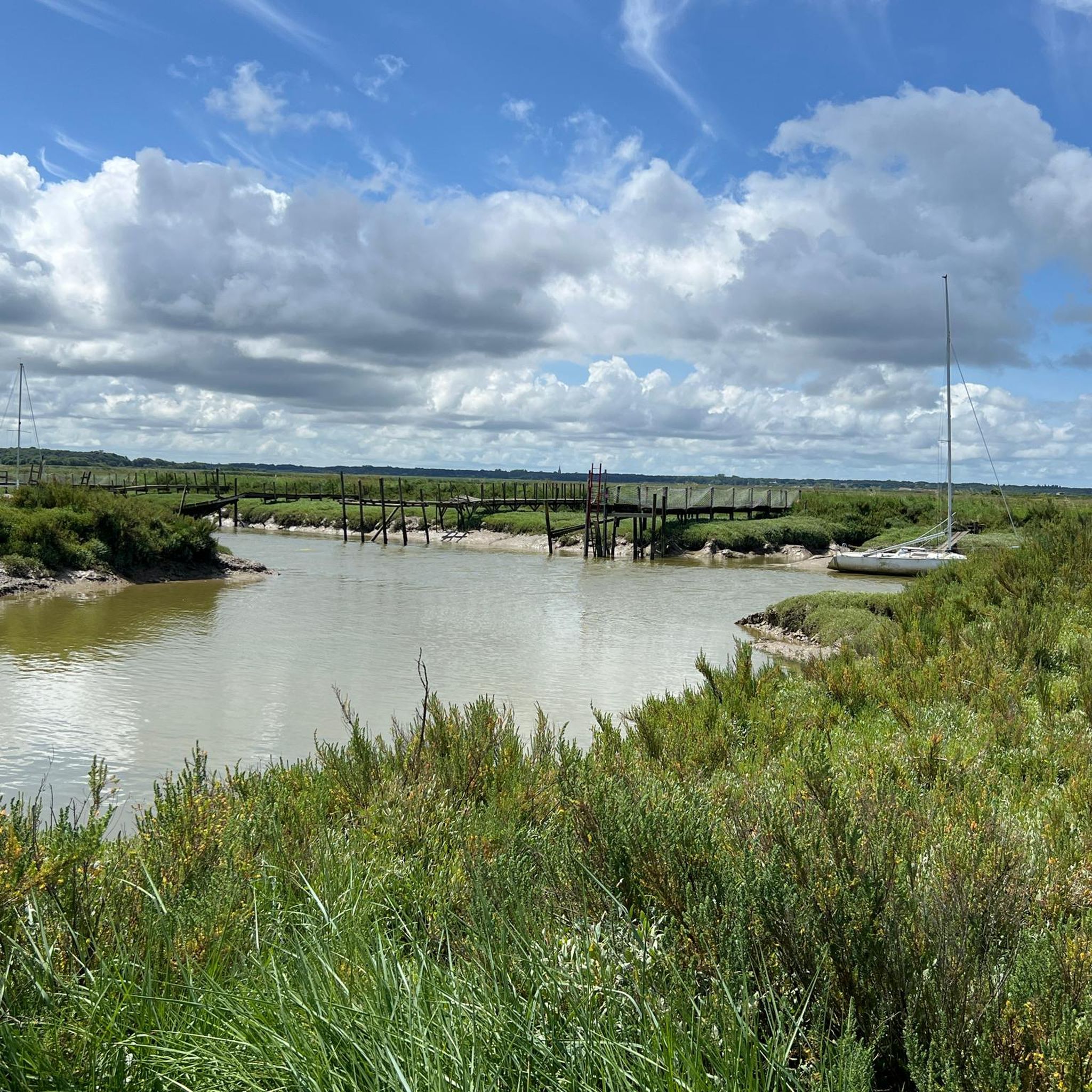
The Moëze Marsh is highly significant both naturally and historically. Formed by the silting of the ancient Gulf of Saintonge, it features a distinctive landscape of raised mounds and canals, a legacy of its past as salt marshes. Today, it's a site of considerable biodiversity, supporting extensive cattle farming and oyster farming along its coastal fringes, contributing to the renowned Marennes-Oléron oysters. It also plays a vital role in the ecosystem as a habitat for various wildlife, including the European pond turtle.
Can I find places to picnic around Moëze?
Yes, Moëze provides several designated picnic areas for visitors. You can find spots on Rue de l'Hosannière, which is conveniently located next to a children's playground, making it ideal for families. Another option is on Rue de Montifaut, near the city stadium. There's also a picnic area on Rue de la Carrée, close to a drinking trough, and another located outside the village towards Brouage, near the RD3 road and canals.
What is the Arsenal entrance and its historical importance?
The Arsenal entrance is a monumental door in the shape of a triumphal arch, built in 1831, serving as the gateway to the Arsenal of Rochefort. This impressive structure, with its military and rural motifs, signifies the importance of Rochefort as a naval center in the 19th century. It was originally used by all workers of the Arsenal, which was established by Louis XIV, and is now a historical monument.
Most popular attractions around Moëze

Get inspired with the komoot mobile app


Explore more
Still not found the Highlight you’re looking for? See guides of the top attractions in other regions:
