The best walks and hikes around La Gohannière
4.5
(109)
662
hikers
51
hikes
Hiking around La Gohannière provides access to a landscape characterized by rolling countryside and agricultural plots. The region features a network of freshwater streams and rivers, often bordered by hedgerows and woodlands, typical of the bocage terrain. Elevations are generally modest, with routes typically involving gentle ascents and descents. This terrain offers varied walking experiences through a mix of open fields and shaded paths.
Best hiking trails around La Gohannière
- The most popular hiking route is Hiking loop from Le…
Last updated: July 5, 2026
5.0
(3)
9
hikers
6.78km
01:53
130m
130m
Easy hike. Great for any fitness level. Easily-accessible paths. Suitable for all skill levels.
4.5
(2)
2
hikers
3.88km
01:03
50m
50m
Easy hike. Great for any fitness level. Easily-accessible paths. Suitable for all skill levels.

Sign up for free
5.0
(2)
10
hikers
4.89km
01:21
80m
80m
Easy hike. Great for any fitness level. Easily-accessible paths. Suitable for all skill levels.
4.7
(3)
9
hikers
4.23km
01:09
60m
60m
Easy hike. Great for any fitness level. Easily-accessible paths. Suitable for all skill levels.
5.0
(1)
9
hikers
6.22km
01:42
100m
100m
Easy hike. Great for any fitness level. Easily-accessible paths. Suitable for all skill levels.
Get access to more routes and recommendations from other explorers.
Sign up for free
Already have an account?
Our route recommendations are based on thousands of hikes, rides, and runs completed by other people on komoot.
Start today with a free account
Your next adventure awaits.
Login or Signup

Tips from the Community

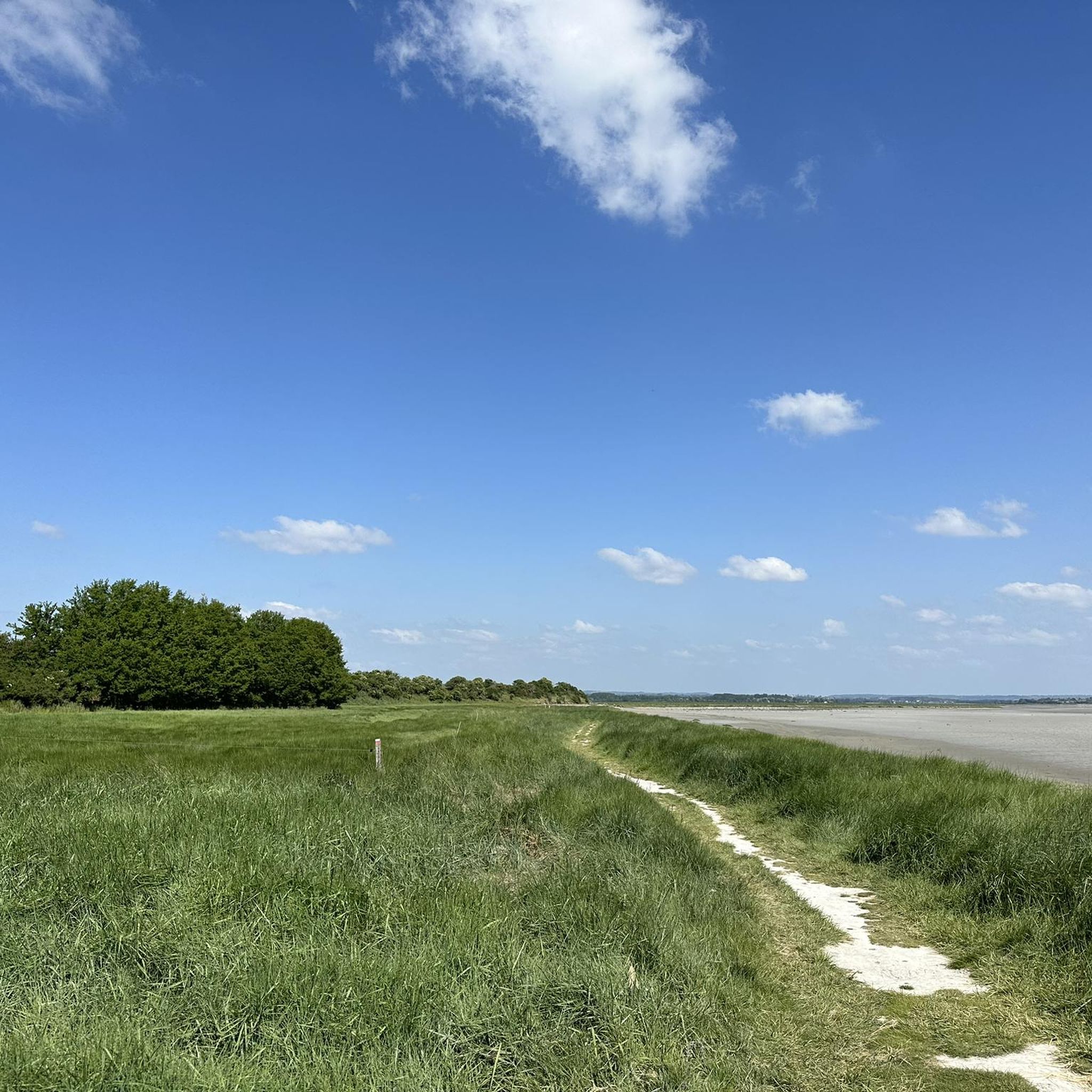
Here is the entrance to the park with a great view over the entire region to the sea. There are benches, shade, a playground, lawns and much more.
0
0
Beautiful houses, great city center with many small cafes and restaurants.
0
0
Beautiful old fortress that surprises you. When you get to the top there is a beautiful garden with loungers and benches. There are fruit trees, flowers and even a studio. And your own mega view over the city
1
0
From the old fortress you have a beautiful view over the roofs of the city
1
0
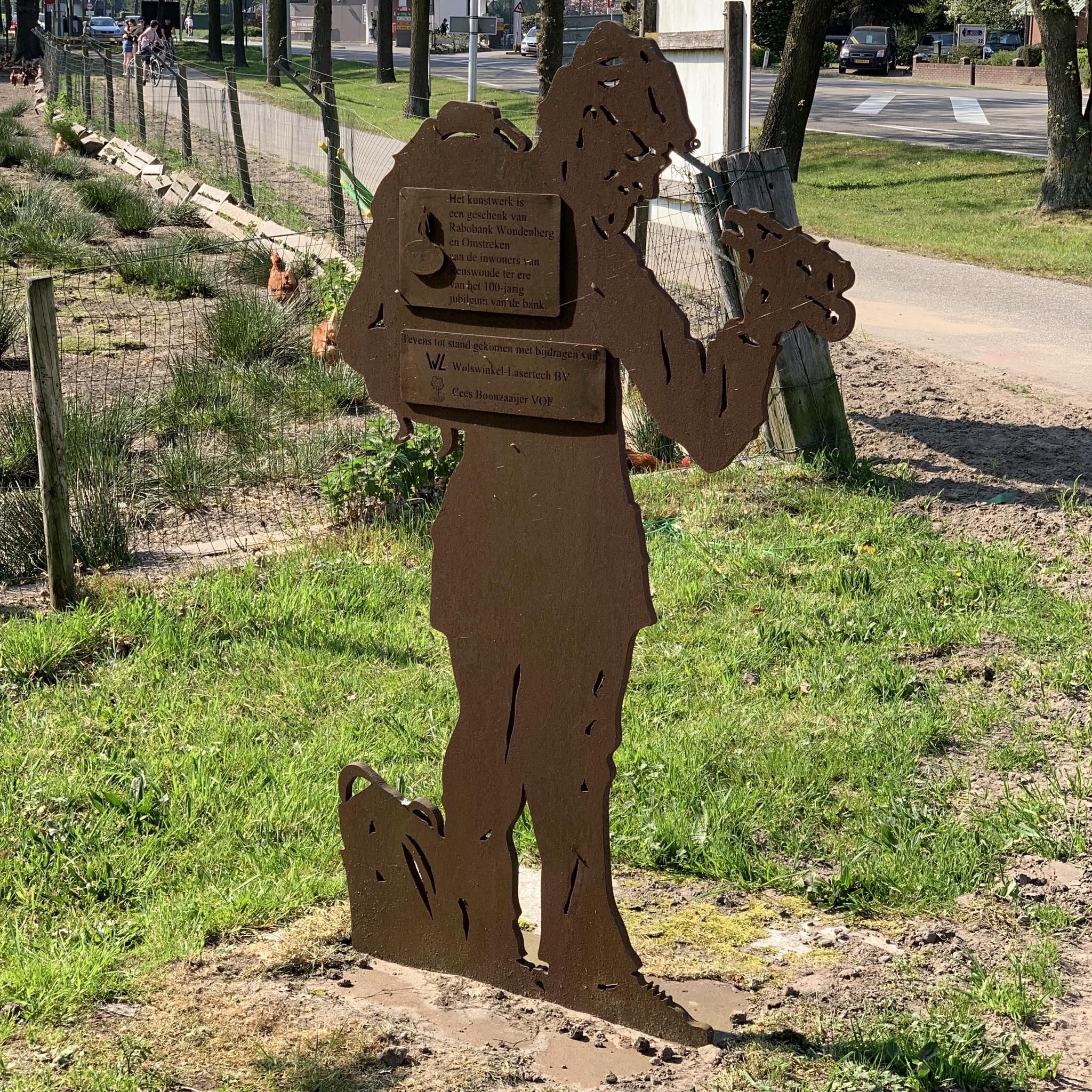
There is great art to discover on the street.
0
0

The old Notre-Dame des Champs church was located, as its name suggests, outside the city, to the south. This very simple church, known from a photo and a few engravings, dates from the end of the 17th century. Having become too small and work becoming necessary, the idea was accepted, around 1855, of constructing a new building, especially after the collapse of the Saint-André cathedral. Plans and an estimate were drawn up by the architect Nicolas Théberge, architect from La Manche and “child of the parish”. We also owe the latter other buildings in the neo-Gothic style such as Saint-Patrice du Teilleul in 1851, Saint-Hilaire-du-Harcouët in 1855, Saint-Pair de Sartilly or Sainte-Croix de Saint-Lô in 1860. However, it was not until April 12, 1863 to witness the laying of the first stone. The "neo-Gothic" style decided on by the architect involves the construction of a building with bold proportions that completely break with those of the modest church that we wish to replace. The means of the city and the parish were insufficient, especially since the reconstruction of Saint-Gervais had been very expensive, and in 1865 the mayor of Avranches and the archpriest traveled to Paris to seek help state finance. This long-requested aid was not finally granted until 1876 and the consecration of the church by Bishop Germain took place on November 13, 1892. The slow construction of the building was marred by many sometimes tragic events such as, in 1868, the death of a twenty-seven-year-old mason who fell from the height of the rose window where he was working. The architect Théberge, who died in 1866, was replaced by Cheftel. Delayed by the First World War, which mobilized all the workforce, the two towers of the facade were completed between 1926 and 1937; at this time, the large organs were also installed, the wind tunnel of which immediately benefited from electricity. In June 1944, the church was seriously damaged by a fire following the bombardment of the city. Restoration work lasted several years and the reopening to worship only took place in February 1962. The church is in the form of a nave with a façade with two towers (unfinished arrows), a projecting transept, and an ambulatory choir with an axial chapel (never built)1. The church had been provided with a set of windows signed Duhamel-Marette, destroyed by the bombings of 1944
0
0

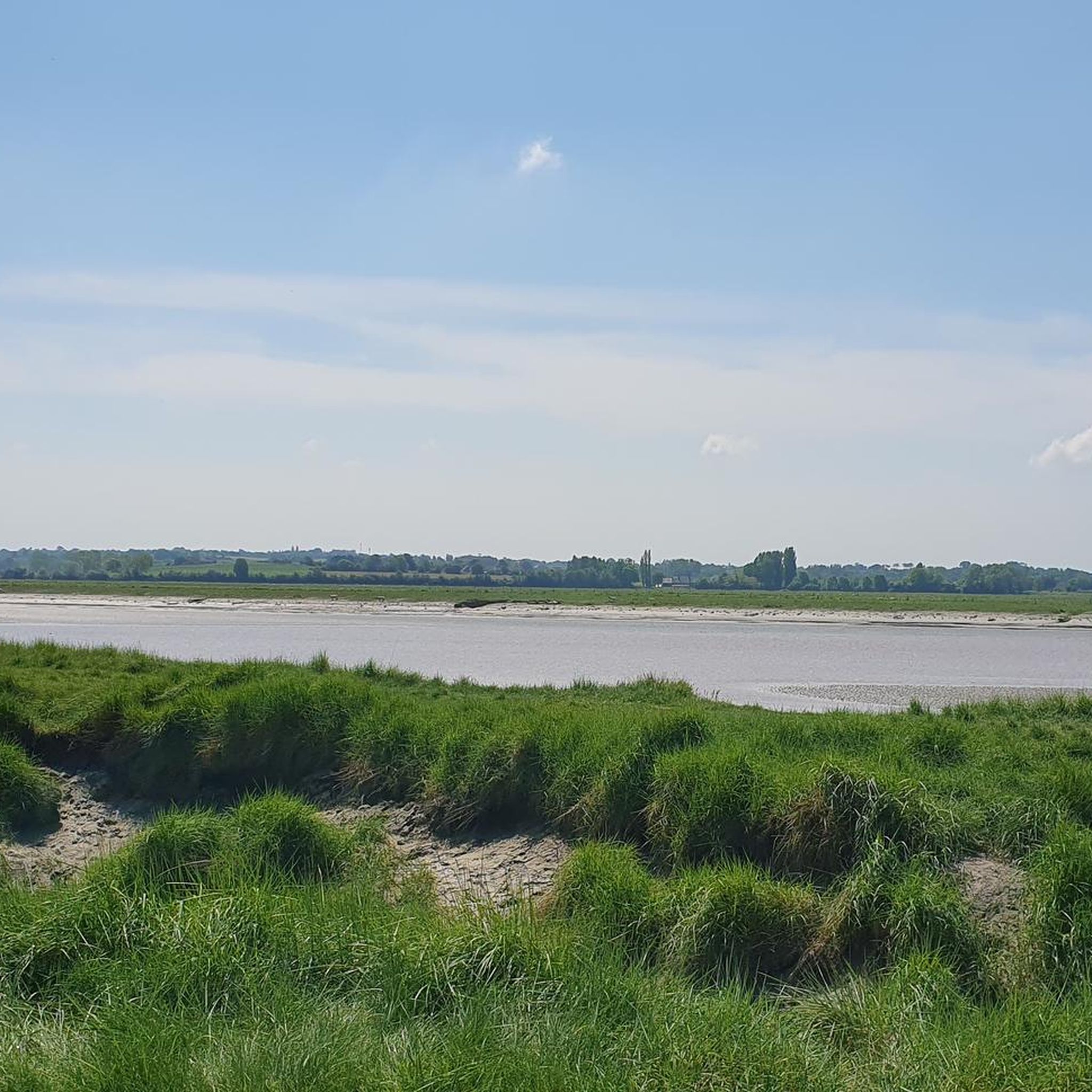
This former fortified castle was built in the 10th century to protect the city from Breton attacks. Located on a rock, it offers beautiful views over the bay of Mont-Saint-Michel and the Sée valley.
2
0
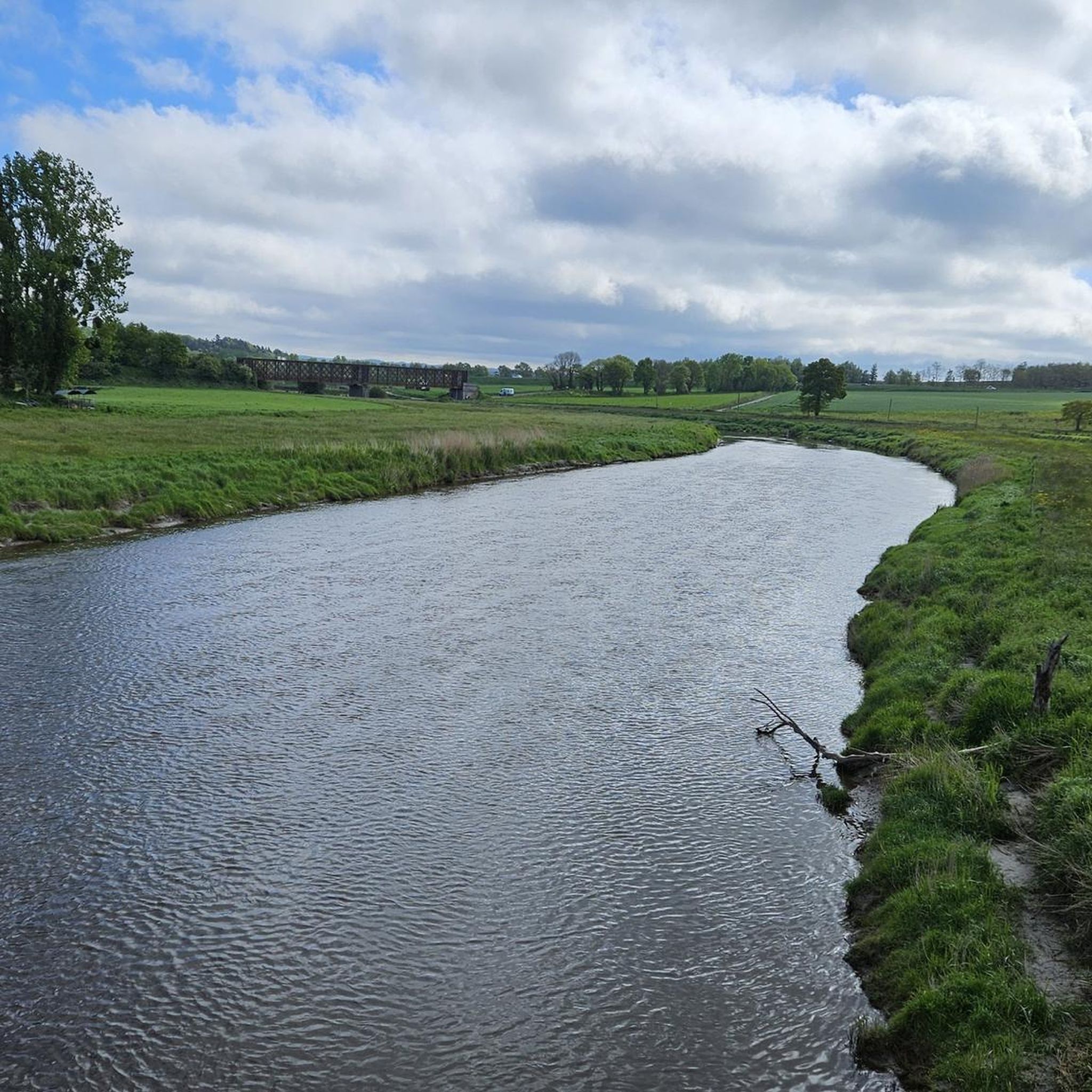
Crossing the Châtelier wood, this charming little path offers beautiful landscapes inside and outside the wood, as well as over the Sée valley. It leads to a charming pond.
2
0
Frequently Asked Questions
What kind of terrain can I expect on hikes around La Gohannière?
Hikes around La Gohannière feature a landscape of rolling countryside and agricultural plots. You'll find paths winding through bocage terrain, characterized by hedgerows and woodlands, with a network of freshwater streams and rivers. Elevations are generally modest, offering mostly gentle ascents and descents suitable for various fitness levels.
Are there easy hiking trails suitable for beginners or casual walkers?
Yes, La Gohannière offers many easy trails. Out of the over 50 routes, 29 are classified as easy. An example is the Hiking loop from Le Petit-Celland, which is 4.2 miles (6.8 km) and explores the local countryside.
What do other hikers enjoy most about the trails in La Gohannière?
The hiking routes in La Gohannière are highly rated by the komoot community, with an average score of 4.6 stars from over 100 reviews. Hikers often praise the tranquil river valleys, the charming bocage landscapes, and the varied terrain that offers both open fields and shaded paths.
Are there any circular walks available in the area?
Yes, many of the trails around La Gohannière are circular, allowing you to start and end at the same point. For instance, the Notre-Dame du Val – Orientation table loop from Le Mesnil-Ozenne is a popular 3.1-mile (5.0 km) circular route through rural landscapes.
Can I bring my dog on the hiking trails around La Gohannière?
Generally, dogs are welcome on most public hiking trails in the French countryside, especially in rural areas like La Gohannière. However, it's always advisable to keep your dog on a leash, particularly near livestock or in nature reserves, and to check for specific signage at trailheads regarding dog policies.
What landmarks or points of interest can I see along the hiking routes?
Several routes offer views of interesting landmarks. For example, the Kirche Notre-Dame-des-Champs – Donjon of Avranches loop from Avranches provides views of historical sites within Avranches, including the Kirche Notre-Dame-des-Champs and the Château d'Avranches. Other nearby attractions include the Pontaubault Bridge and the Banks of the Sélune at Pontaubault.
What is the best time of year to go hiking in La Gohannière?
The region around La Gohannière, like much of Normandy, is pleasant for hiking from spring through autumn. Spring brings blooming wildflowers and mild temperatures, while summer offers warmer weather ideal for longer days outdoors. Autumn provides beautiful foliage. Winter hiking is possible, but paths may be muddy, and daylight hours are shorter.
Are there family-friendly trails suitable for children?
Yes, the prevalence of easy and moderate trails with modest elevations makes many routes around La Gohannière suitable for families. The gentle nature of the bocage landscapes and the shorter circular walks are ideal for children. Consider routes like the Bois des Bonnes-Soeurs loop from La Chaise-Baudouin for a pleasant family outing.
Where can I find parking for hiking trails near La Gohannière?
Parking is generally available in or near the villages where many trails begin, such as Le Petit-Celland, Avranches, or Le Mesnil-Ozenne. Specific parking information is often detailed on individual komoot Tour pages, so it's best to check the route you plan to hike for precise starting points and parking suggestions.
Are there any cafes or restaurants near the hiking trails?
While La Gohannière itself is a smaller locality, the surrounding villages and towns like Avranches offer various cafes, restaurants, and accommodation options. It's a good idea to plan your hike to pass through or end near one of these larger settlements if you're looking for refreshments or a meal.
What are the natural features I might encounter while hiking?
You'll experience the characteristic bocage landscape with its hedgerows, ditches, and embankments, creating a verdant and tranquil environment. The region is crisscrossed by freshwater streams and rivers, often bordered by woodlands. These features contribute to a diverse scenery rich in flora and fauna, typical of the Manche department.
How can I find more detailed information about hiking in the wider Manche department?
For broader information on hiking opportunities and natural sites within the Manche department, which encompasses areas like La Gohannière, you can visit the official tourism website. Explore more about hiking at manche-tourism.com/outdoor/hiking/ and discover natural sites at manche-tourism.com/travel-to-la-manche/natural-site/.
Most popular routes around La Gohannière
Most popular attractions around La Gohannière

Get inspired with the komoot mobile app


Explore more
Browse the best Hikes in other regions.
