Attractions and Places To See around Saint-Julien-De-La-Nef - Top 20
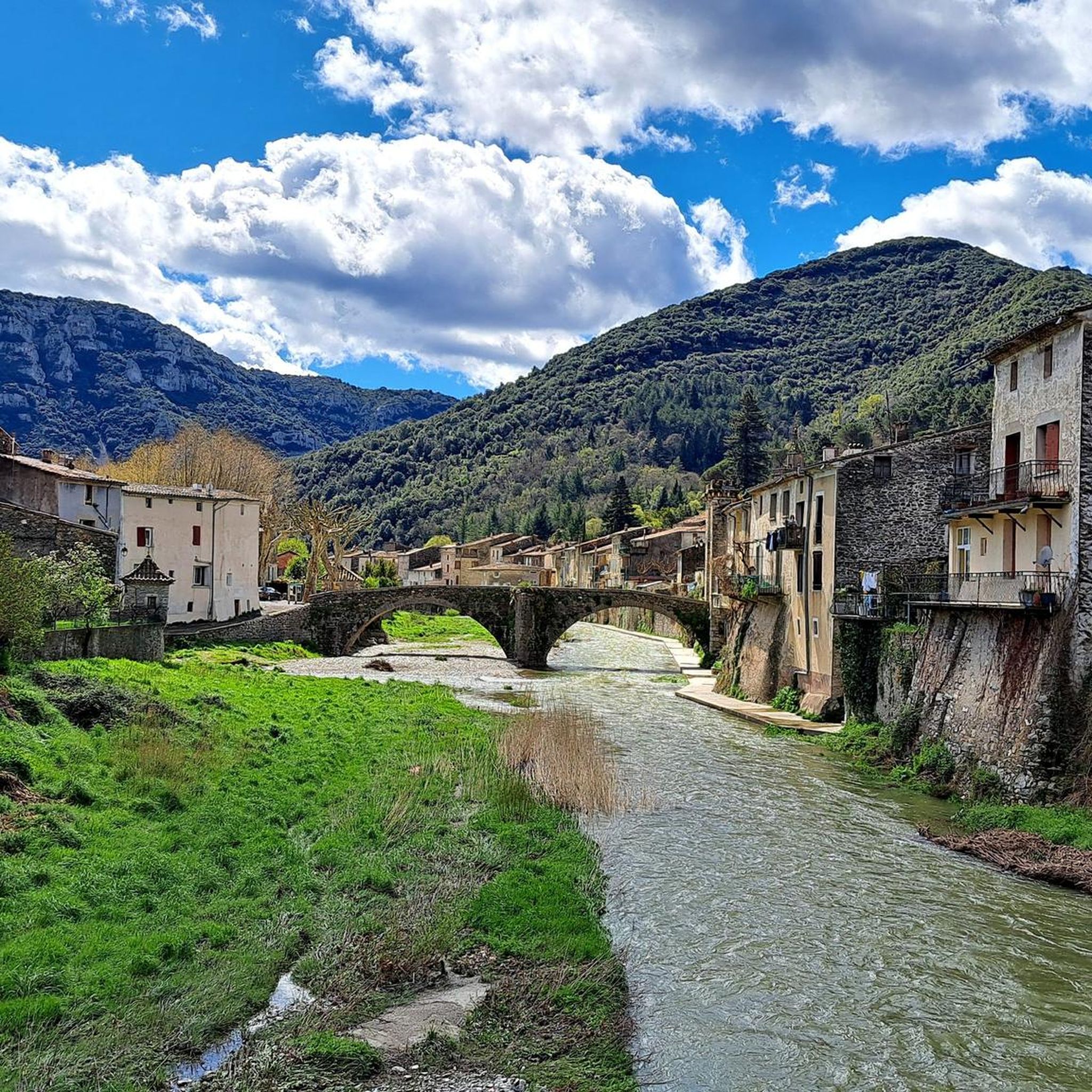
Best attractions and places to see around Saint-Julien-De-La-Nef is a commune in the Gard department of France, nestled within the Cévennes mountains. The area features a blend of historical richness and natural beauty, particularly along the Hérault river. Visitors can explore ancient architecture, dramatic gorges, and picturesque landscapes. It offers diverse outdoor experiences and serves as a gateway to the Cévennes region.
Best attractions and places to see around Saint-Julien-De-La-Nef
- The most popular attractions is La Vis Waterfall, a…
Last updated: July 7, 2026
La Vis Waterfall
Highlight • Waterfall
Translated by Google •
Tip by

Saint-Roman-de-Codières Village and Medieval Tower
Highlight • Historical Site
Translated by Google •
Tip by

Sign up now to discover places like this
Get recommendations on the best single tracks, peaks, & plenty of other exciting outdoor places.
Sign up for free
Montdardier Castle
Highlight • Castle
Even more precious is the water this village harbors, a true treasure on these arid limestone plateaus. This town …
Translated by Google •
Tip by
Anjeau Cave
Highlight • Cave
Translated by Google •
Tip by

Le Roc Blanc
Highlight • Other
Translated by Google •
Tip by

Sign up for free to discover even more attractions around Saint-Julien-De-La-Nef.
Sign up for free
Already have an account?
Start today with a free account
Your next adventure awaits.
Login or Signup

Tips from the Community

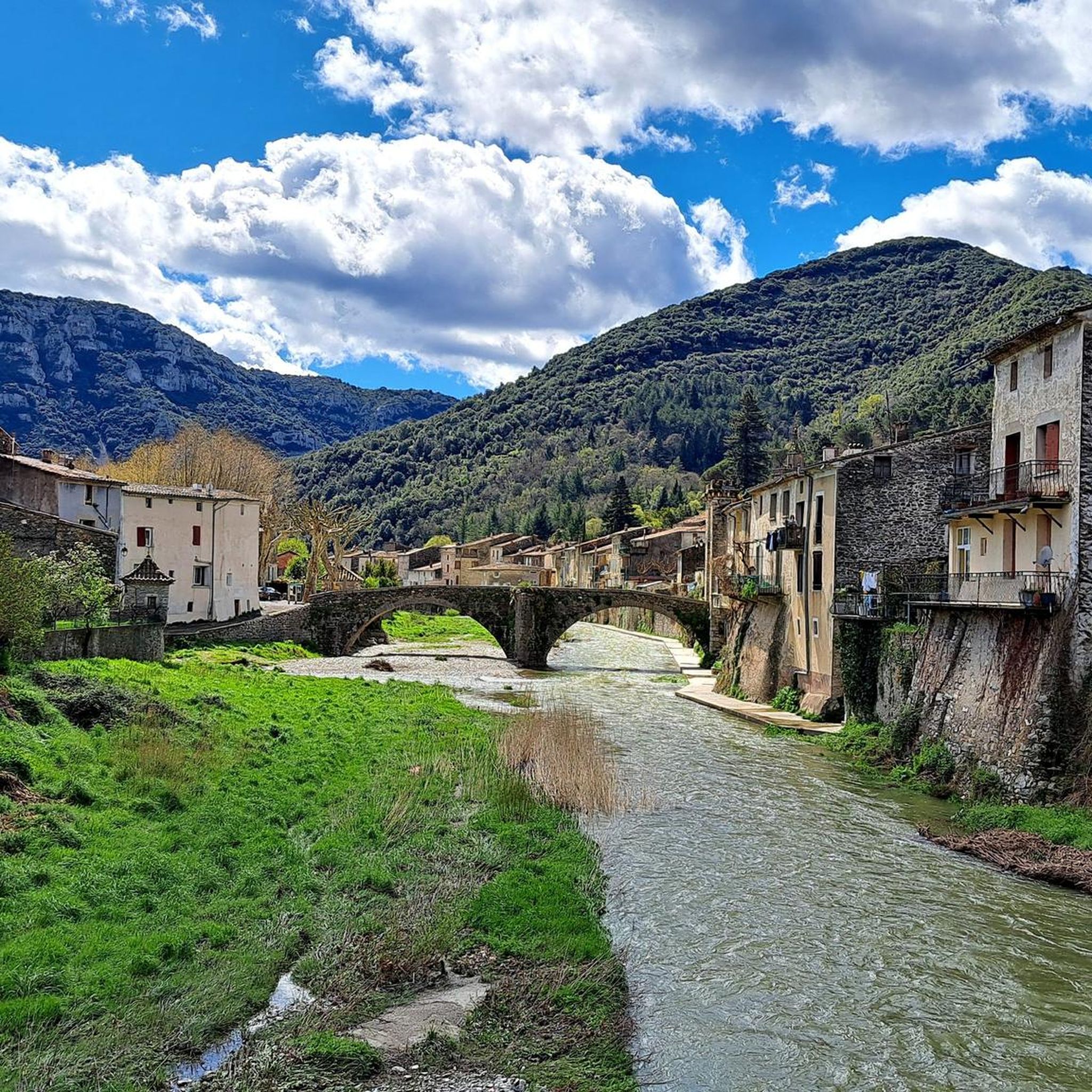
Pretty little village in the Cevennes.
0
0

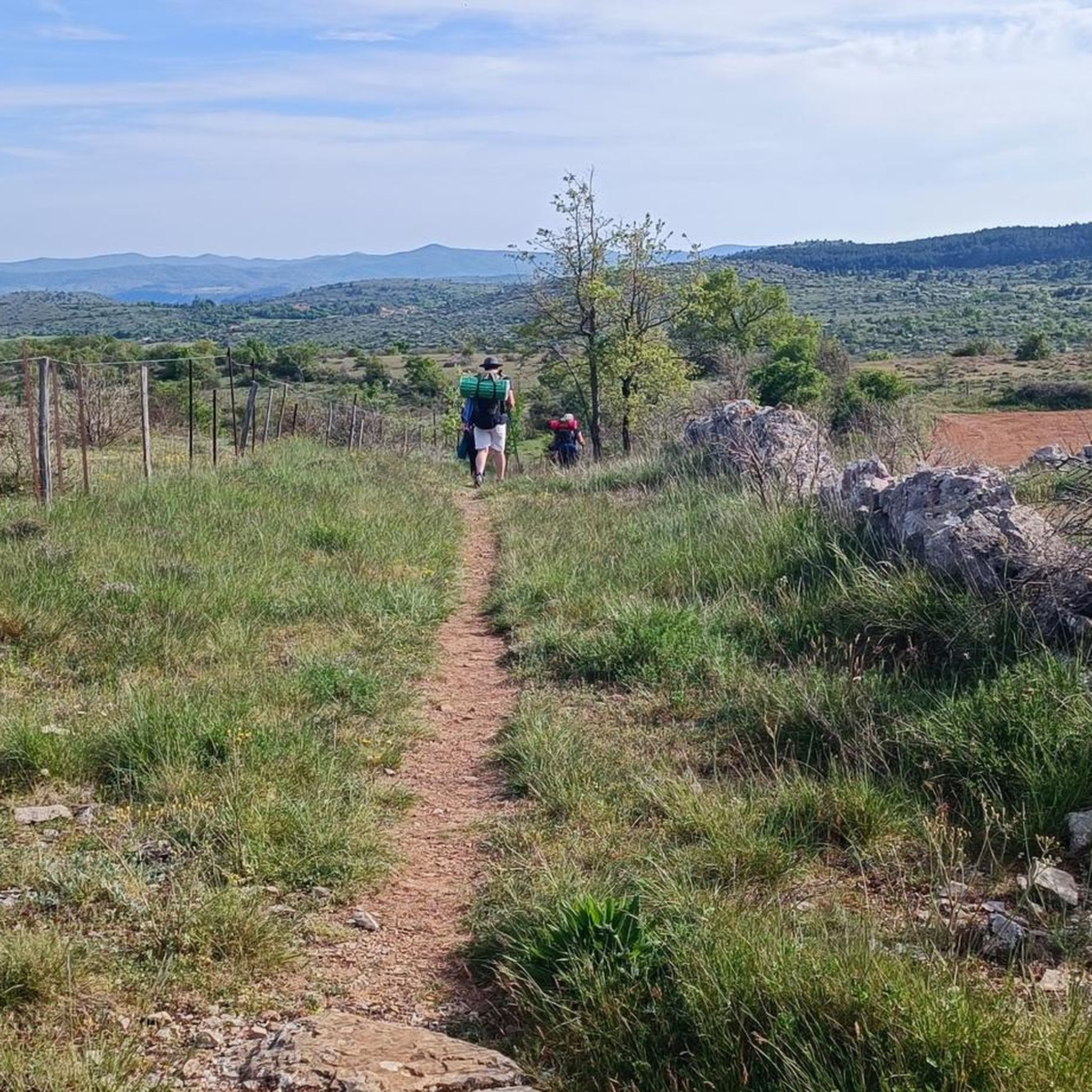
Access to the Roc du Blanc via the Sanctuary of Notre-Dame du Suc, via the statue of the Virgin Mary, is quite easy, provided you have some legs and a good cardio! It really climbs quite a bit for a good part, to finally calm down when you reach the antennas. Afterwards, it is only a "big" path, where it is not uncommon to come across hunters. Be careful, at the Roc Blanc, you are between 911 and 940m above sea level, depending on where you are positioned, it is important to cover yourself, especially in winter. The descent is steep (on my route). The path is sometimes not very obvious on the ridge, you have to follow the blue markings with a semblance of yellow! The hike in the opposite direction is tough, due to its slope of more than 38° in places, advice to amateurs!
3
0
A spectacular entrance! The interior is rich in concretion. The cave is blackened by the fires of yesteryear, and by different minerals. A few ropes, or you have to be equipped! I was able to climb as a caver, it's not bad, especially at the entrance on the right, which opens onto a balcony, at the top of the cavity! DO NOT VENTURE THERE WITHOUT EQUIPMENT, it's VERY DANGEROUS! A few beautiful gours in passing. Too bad this cavity is so busy, some have no respect for anything, which degrades the authentic appearance of this beautiful cavity.
1
0


The Roc Blanc, with its 942 m altitude, is the highest point of the Massif de la Séranne.
2
0

Montdardier, whose name means "desired mountain," contains deposits of precious minerals. Even more precious is the water this village harbors, a true treasure on these arid limestone plateaus. This town is also located on an ancient Roman road between Le Vigan and Lodève. It was once an important crossroads for trade between the Cévennes and the Causses. Montdardier Castle is an eye-catcher in this relatively flat landscape, rising above the town. This fortress, built in the 12th century, has been sacked many times and partially destroyed. It was the French architect Eugène Viollet-le-Duc who restored it in 1860.
0
0
The historical heritage of this village is very old. Testimony of the Neolithic, of the seven menhirs identified in the town, five are still erected. This town is located on the Saint-Roman pass, which gives it strategic importance. The name of the village comes from a military camp built by the Romans in the 1st century AD. The camp was then called Romanus de Codeyra. Aware of the strategic location of the Col de Saint-Roman, a castle was built in the Middle Ages instead of the Roman oppidum and the tower built by the Saracens.
2
0
Frequently Asked Questions
What natural attractions can I explore around Saint-Julien-De-La-Nef?
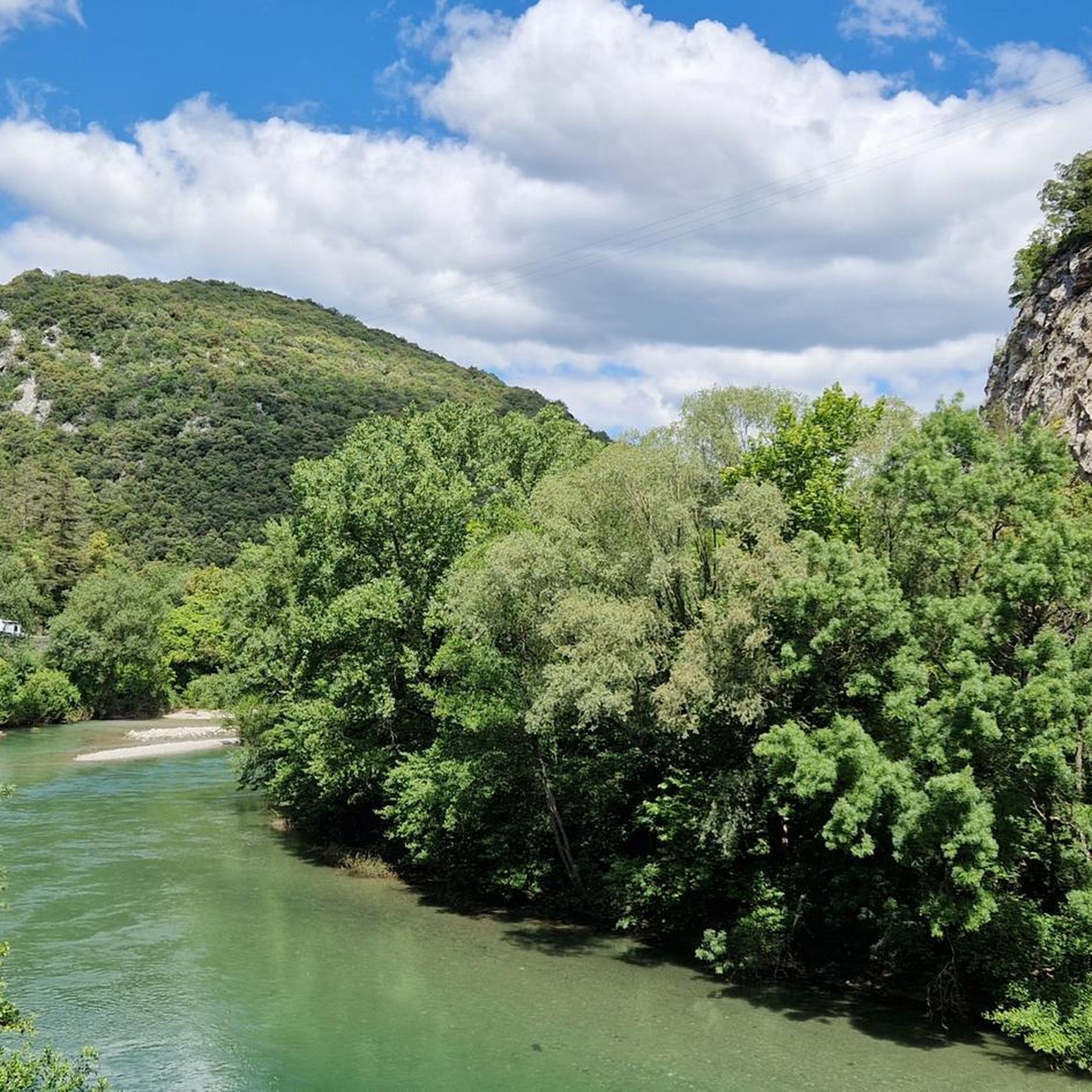
The region is rich in natural beauty. You can visit La Vis Waterfall, a popular bathing spot with unique U-shaped falls. Another impressive natural feature is the Anjeau Cave, known for its spectacular entrance and rich concretions. Beyond these, the area is encircled by the dramatic Gorges de l'Hérault and Gorges de la Vis, and the impressive Cirque de Navacelles is also within reach.
What historical sites and charming villages are worth visiting near Saint-Julien-De-La-Nef?
Saint-Julien-De-La-Nef and its surroundings boast a rich history. Explore the Saint-Roman-de-Codières Village and Medieval Tower, which features Neolithic menhirs and a medieval tower. The 12th-century Montdardier Castle is another notable landmark. Additionally, the nearby town of Le Vigan offers a pleasant town center and a lively Saturday market, while Saint-Guilhem-le-Désert, recognized as a 'Most Beautiful Village,' features an ancient abbey.
Are there family-friendly activities or attractions in the Saint-Julien-De-La-Nef area?
Yes, several attractions are suitable for families. La Vis Waterfall is a fantastic spot for swimming and relaxing on terraced rocks. The town of Le Vigan is also considered family-friendly, offering a pleasant environment to explore. The Gorges de l'Hérault provide opportunities for canoeing and kayaking, which can be fun family activities.
What outdoor activities can I do near these attractions?
The region offers a variety of outdoor activities. You can find numerous hiking trails, including moderate routes like 'Le Ranc de Banes et les Jumeaux – loop starting from Sumène' or 'Ranc de Banes Viewpoint – Trail to Col de l'Agas loop from Saint-Julien-de-la-Nef'. For cycling enthusiasts, there are MTB trails such as 'The GREEN cicada – Trével Tunnel loop from Saint-Julien-de-la-Nef' and gravel biking routes like 'Lusette Pass – Mont Aigoual loop from Le Vigan'. You can explore more options on the dedicated guides for hiking, MTB, and gravel biking around Saint-Julien-De-La-Nef.
What do visitors enjoy most about Saint-Julien-De-La-Nef?
Visitors particularly appreciate the unique natural beauty and historical depth of the area. Many enjoy the bathing pleasure and scenic views at La Vis Waterfall, often describing it as a 'dream bathing place.' The ancient heritage and strategic location of Saint-Roman-de-Codières Village, with its medieval tower and Neolithic menhirs, also captivate visitors. The spectacular entrance and rich concretions of Anjeau Cave are frequently highlighted as well.
Are there any notable gardens or unique cultural sites to visit?
Yes, for those interested in unique botanical experiences, the Bambouseraie de Prafrance, located about 26 km away, offers a distinctive bamboo garden. Additionally, the Jardin des Sambucs is a remarkable garden worth exploring. Culturally, the ancient abbey of Saint-Guilhem-le-Désert and the Pont du Diable in Saint-Jean-de-Fos are recognized heritage sites on French pilgrim routes.
What is the best time of year to visit Saint-Julien-De-La-Nef for outdoor activities?
The region's climate, influenced by both the Massif Central and Mediterranean, makes spring and autumn ideal for outdoor activities like hiking and cycling, offering pleasant temperatures. Summer is excellent for water-based activities such as swimming at La Vis Waterfall or canoeing in the Gorges de l'Hérault. For winter sports enthusiasts, Station Alti Aigoual is about 20 km away.
Where can I find local markets to experience the regional culture?
You can experience the local culture and find regional products by visiting markets in nearby towns. Le Vigan is known for its lively Saturday market. Other towns like Saint-Hippolyte-du-Fort and Anduze also host markets, offering a variety of local goods and a glimpse into the regional way of life.
Are there any challenging natural sites for experienced adventurers?
Yes, for those seeking a challenge, the Anjeau Cave is described as having a spectacular interior rich in concretions, but it requires equipment and caution due to slippery surfaces and potential dangers. It is recommended not to venture there without proper gear and experience. The Gorges de l'Hérault and Gorges de la Vis also offer rugged terrain for more challenging exploration.
What are some day trip ideas from Saint-Julien-De-La-Nef?
Beyond the immediate vicinity, you can consider day trips to the impressive Cirque de Navacelles (about 17 km away), the unique Bambouseraie de Prafrance (26 km), or the historic Saint-Guilhem-le-Désert (28 km). For more extensive natural exploration, the Vallée du Salagou (43 km) and the Gorges du Tarn (49 km) are also within reasonable driving distance.
Are there any specific tips for visiting the Anjeau Cave?
Visitors to Anjeau Cave should be extremely careful as it can be slippery. The interior is rich in concretions but also blackened by past fires and minerals. It is strongly advised not to venture into the cave without proper equipment, as it can be very dangerous. Some parts may require ropes or caving gear.
What is the significance of Saint-Roman-de-Codières Village?
The Saint-Roman-de-Codières Village and Medieval Tower holds a very old historical heritage. It is home to five still-standing Neolithic menhirs and a medieval tower. Its strategic location on the Col de Saint-Roman has been significant since Roman times, with a military camp built in the 1st century AD and a castle later constructed in the Middle Ages.
Most popular routes around Saint-Julien-De-La-Nef
Most popular attractions around Saint-Julien-De-La-Nef

Get inspired with the komoot mobile app


Explore more
Still not found the Highlight you’re looking for? See guides of the top attractions in other regions:
