Attractions and Places To See around Morogues - Top 20
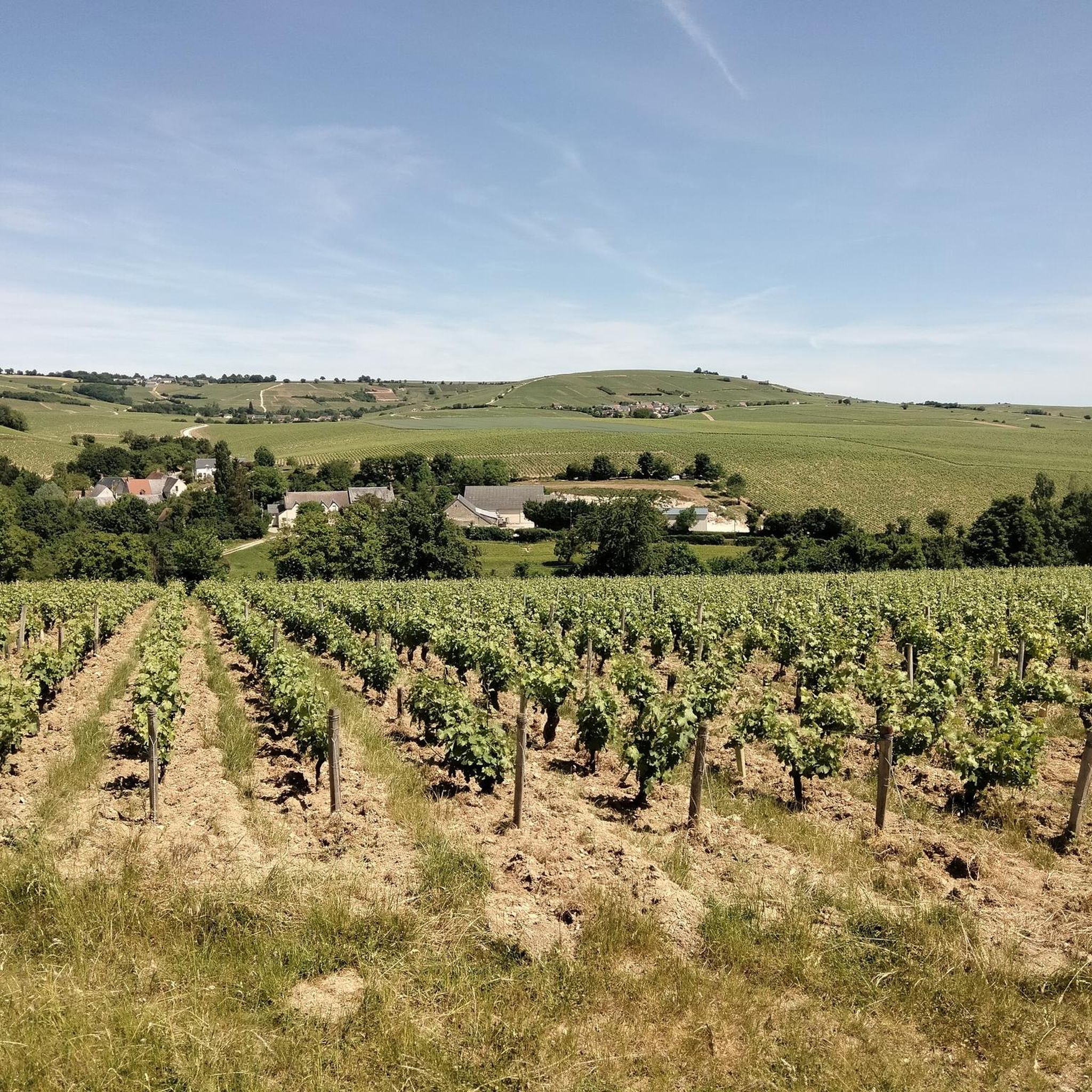
Best attractions and places to see around Morogues include a blend of historical landmarks, cultural sites, and natural features. This commune in the Cher department of France, located in the Centre-Val de Loire region, is characterized by its landscape of forestry, vineyards, and farming. Morogues is situated in the heart of the Sancerre country, known for its wine. The area offers a variety of attractions for those exploring the French countryside.
Best attractions and places to see around Morogues
- The…
Last updated: October 10, 2026
La Borne, potters' village
Highlight • Other
Translated by Google •
Tip by

Rocky ascent to Quantilly🤗
Highlight (Segment) • Climb
Translated by Google •
Tip by

Sign up now to discover places like this
Get recommendations on the best single tracks, peaks, & plenty of other exciting outdoor places.
Gaudry🤗 Fountain ford
Highlight • River
Shallow, it is crossed without difficulty. And when there is too much water, a footbridge allows you to go dry.
Translated by Google •
Tip by
Saint-Aignan Church of Veaugues
Highlight • Religious Site
Translated by Google •
Tip by

Trials ground🤗
Highlight • Other
Translated by Google •
Tip by
Sign up for free to discover even more attractions around Morogues.
Already have an account?
Start today with a free account
Your next adventure awaits.



Tips from the Community

The Saint-Aignan church in Veaugues is a Catholic church located in the Cher department, in the Centre-Val de Loire region. It is dedicated to Saint Aignan, bishop of Orléans in the 5th century. The current church was built in the 19th century, on the ruins of an old 12th century church. It was designed by the architect Leclère, in a neo-Gothic style. The Saint-Aignan church is a masterpiece of neo-Gothic architecture. It is built in cut stone, and has an imposing façade with two twin towers. The interior of the church is also remarkable, with its Gothic vaults, stained glass windows and sculptures. The Saint-Aignan church is unique in its kind by the presence of a tribune organ from 1889, built by the Aristide Cavaillé-Coll factory. This organ is considered one of the most beautiful in Europe
0
0

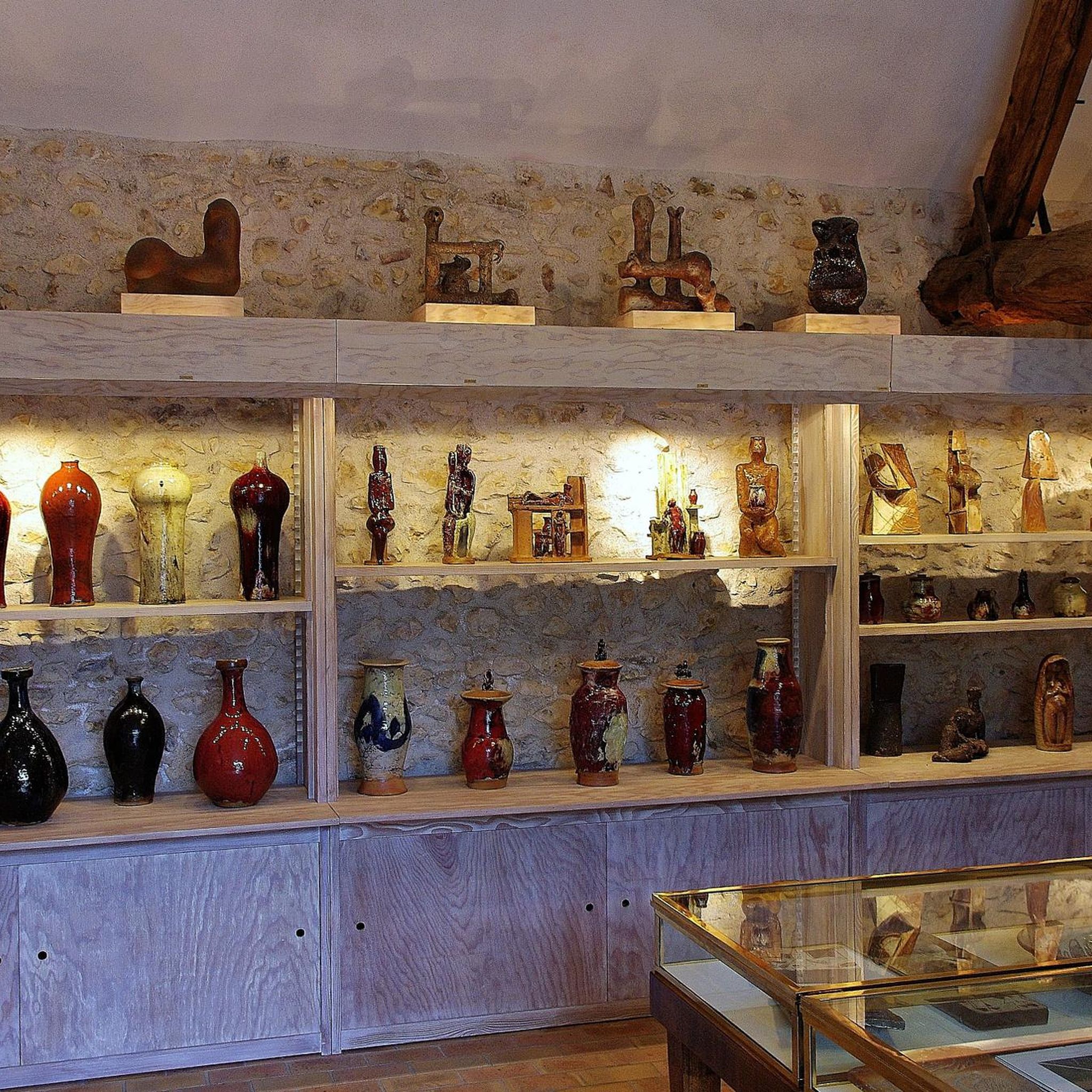
If you are a ceramist or an enlightened pottery lover, La Borne will surely mean something to you. Indeed, this village is a mecca for ceramic creation in France and internationally. La Borne being close to a large sandstone deposit, there are traces of this activity since the 12th century and it has continued to develop over time. In the 15th century, potters acquired mastery of cooking local clay. In the 17th century, the creation of the town of Henrichemont increased demand and concentrated the workshops in the hamlet, halfway between the quarries and the town. Then in the 19th century, at its peak, 21 workshops operated there. Unlike many pottery villages, La Borne has been able to resist the new materials of the 20th century with the revival of pottery in the form of art. Today, nearly 80 craftsmen and artists of twelve different nationalities work in the surrounding area and there are two museums in the village. In the former Saint-Jean-Baptiste chapel, the Pottery Museum was created with a rather traditional and historical approach and in which we find works by renowned potters such as the Talbot family, Vassil Ivanoff and Jean Linard. Then you will find the La Borne Contemporary Ceramic Center which has occupied the village's former girls' school since 1971 as well as a glass gallery more than 600 meters long inaugurated in 2010. Every year around October you can participate in the Grands Feux, an event allowing you to discover how the hamlet's wood-fired ovens work.
0
0

MotoClub du Berry trial ground. It is a private land that you will cross by mountain bike, without leaving a trace. Ideal for initiation to technical passages, short bends, slopes, step passage...
2
0
Ford on the Fontaine Gaudry stream, near the Moulin Batré. Shallow and on a bed of flint. Passes without difficulty.
1
0
Ford on the Fontaine Gaudry stream, near the Moulin de Sugy. Shallow, it is crossed without difficulty. And when there is too much water, a footbridge allows you to go dry.
1
0
Stone at the beginning of the climb between thorns then marked ruts before ending on an easier path.
2
0
Frequently Asked Questions
What historical landmarks can I visit in Morogues?
Morogues is home to several significant historical landmarks. You can explore the magnificent 15th-century Château de Maupas, which has been privately owned by the same family for over three centuries and features a unique collection of 17th to 19th-century earthenware plates. Another notable site is the 12th-century Eglise Saint-Symphorien, classified as a historical monument. The historic Moulin Quenouille, a watermill, also adds to the area's charm.
Are there any cultural sites or unique crafts to explore near Morogues?
Absolutely. The nearby village of La Borne, potters' village, is a renowned center for ceramic creation. It boasts a history of pottery dating back to the 12th century and features two museums: the Musée de la Poterie, focusing on traditional works, and the Centre céramique contemporaine la Borne. You can also experience the annual 'Grands Feux' event around October, where wood-fired kilns are operated.
What natural features define the landscape around Morogues?
The Morogues region is characterized by its beautiful landscape of forestry, vineyards, and farming, situated in the heart of the Sancerre country. It is drained by several small watercourses like the Colin, Dillon, and Douée stream. The area also features remarkable natural heritage, including two Natura 2000 sites and three natural areas of ecological, faunistic, and floristic interest. Nearby natural sites include the Wood of Henrichemont and the Wood of Humbligny.
Are there hiking trails suitable for different skill levels around Morogues?
Yes, Morogues offers various walking and hiking trails. You can enjoy local paths like the 'Tour du château' and the 'Sentier de découverte du Territoire des Places,' or explore sections of the long-distance GR 31 hiking path. For more structured routes, consider the 'The Loop of Redan (n°46)' or the 'Château de Loye loop from Morogues,' both rated moderate. For an easier option, try the 'La Buyère loop from Émetteur de Neuvy-Deux-Clochers.' You can find more details on these and other routes in the Hiking around Morogues guide.
What other outdoor activities are available near Morogues?
Beyond hiking, the area around Morogues is great for other outdoor pursuits. You can find numerous running trails, such as the 'Running loop from Morogues' or 'La Borne, potters' village loop from La Borne,' detailed in the Running Trails around Morogues guide. Mountain biking enthusiasts can explore trails like the 'Ford on the Sordon🤗 – Tranchée de la Vallée🤗 loop from Morogues' or the 'Trail above Morue🤗 – The Cathedral of Potteries loop from Morogues,' available in the MTB Trails around Morogues guide. There's also a Trials ground🤗 for technical passages on mountain bikes.
Are there family-friendly attractions or activities in Morogues?
Yes, families can enjoy several activities. The Gaudry🤗 Fountain ford is a shallow river crossing that can be fun for children, with a footbridge available for dry passage. Exploring the museums at La Borne, potters' village, offers an engaging cultural experience for all ages. The various walking trails in the natural landscape also provide opportunities for family outings.
What is the best time of year to visit Morogues for outdoor activities?
The Centre-Val de Loire region, where Morogues is located, generally offers pleasant weather for outdoor activities from spring through early autumn. Spring (April-May) brings blooming landscapes, while summer (June-August) is ideal for longer days and warmer temperatures. Early autumn (September-October) provides comfortable temperatures and beautiful fall foliage, which can be particularly scenic in the forested and vineyard areas.
Can I find local markets in Morogues or nearby towns?
While specific markets in Morogues itself are not detailed, the surrounding towns host several markets throughout the week, offering a taste of local life and produce. Notable markets include Henrichemont (Wednesday), Baugy (Friday), Saint-Satur (Thursday), and Bourges (various days). These are great places to find local specialties and fresh goods.
Are there any challenging trails for experienced hikers or cyclists?
For those seeking a challenge, the Rocky ascent to Quantilly🤗 offers a demanding climb and trail through the forest, starting with a stone path and marked ruts. Mountain bikers can tackle longer and more technical routes like the 'Tranchée de la Vallée🤗 – The Cathedral of Potteries loop from Morogues,' which spans over 47 km and includes varied terrain.
What do visitors enjoy most about the attractions around Morogues?
Visitors particularly appreciate the blend of historical depth and natural beauty. The unique cultural experience at La Borne, potters' village, with its rich pottery heritage and museums, is highly valued. The diverse outdoor opportunities, from challenging climbs like the Rocky ascent to Quantilly🤗 to serene river crossings at Gaudry🤗 Fountain ford, also receive positive feedback for their variety and scenic appeal.
Are there opportunities for wine-related activities in the Morogues area?
Morogues is situated in the heart of the Sancerre country, a region renowned for its wine. While specific vineyards within Morogues are not detailed, the presence of vineyards in the local geography suggests opportunities for wine-related activities, such as visiting local wineries or tasting rooms in the broader Sancerre area. This allows visitors to experience the region's viticultural heritage.

Get inspired with the komoot mobile app


Explore more
Still not found the Highlight you’re looking for? See guides of the top attractions in other regions:
