The best running trails around Concremiers
4.7
(8)
429
runners
78
runs
Jogging routes around Concremiers offer a diverse range of terrains, from tranquil river valleys to shaded paths, providing varied environments for physical activity. The region is characterized by the Salleron river valley, an affluent of the Anglin, which presents an enclosed valley landscape. Additionally, the repurposed Green Line, an old railway track, offers straight and even paths, often shaded, ideal for running. The area also features paths along the Creuse riverbanks, contributing to a mix of natural settings for runners.
…Last updated: July 2, 2026
15.5km
01:45
120m
120m
Hard run. Very good fitness required. Mostly accessible paths. Some sure footedness required.
5.0
(1)
16
runners
10.4km
01:08
90m
90m
Moderate run. Good fitness required. Mostly paved surfaces. Suitable for all skill levels.

Sign up for free
13
runners
7.90km
00:55
80m
80m
Moderate run. Good fitness required. Mostly paved surfaces. Suitable for all skill levels.
9
runners
14.8km
01:42
120m
120m
Moderate run. Good fitness required. Mostly paved surfaces. Suitable for all skill levels.
5
runners
4.59km
00:29
30m
30m
Easy run. Great for any fitness level. Mostly paved surfaces. Suitable for all skill levels.
Get access to more routes and recommendations from other explorers.
Sign up for free
Already have an account?
Our route recommendations are based on thousands of hikes, rides, and runs completed by other people on komoot.
Start today with a free account
Your next adventure awaits.
Login or Signup


Tips from the Community

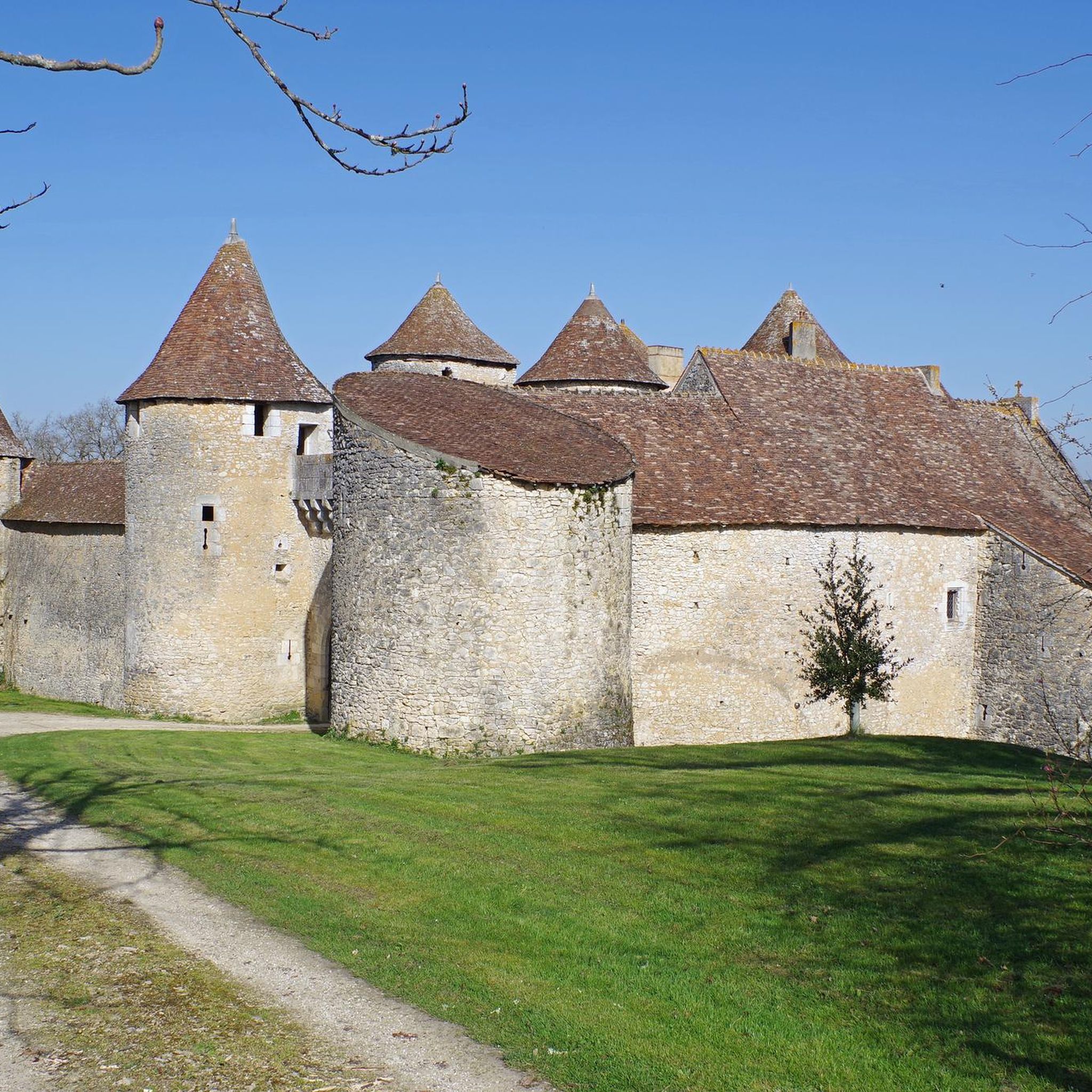
Hike up to the old Château-Naillac with its twin 12th-century donjons—towers without buttresses—standing just above the Creuse River. Inside, you'll find remnants of prisoners' graffiti, a hall with a magnificent Romanesque fireplace, and a model showing what the castle once looked like.
2
0

It's not the most beautiful track, but it's there!
0
0

Château d'Ingrandes is a historic castle located in the commune of Ingrandes, in the Vienne department, in Nouvelle-Aquitaine. Nestled in the heart of a rural landscape typical of the region, this castle is a fascinating witness to the architectural and historical heritage of the region. Very close to the Anglin River. Points of Interest: History and Architecture: Medieval Origins: Château d'Ingrandes dates back to the Middle Ages, and although it has undergone many modifications over the centuries, it retains architectural elements that recall its medieval past. The thick walls, watchtowers, and the layout of the castle reflect its original defensive function. Environment and Setting: Located on the Edge of the Anglin: The castle is ideally located near the Anglin River, offering an enchanting natural setting. Visitors can enjoy views of the river and the surrounding landscapes, which add a picturesque dimension to the visit. Why visit the Château d'Ingrandes? Historical Richness: The castle offers a unique window on several centuries of history, from the Middle Ages to the Renaissance, with architectural elements and fascinating stories. In short, the Château d'Ingrandes is a must-see destination for lovers of heritage, history, and nature, offering an enriching experience in a setting that is both majestic and serene.
1
0
Château de Forges is an impressive 15th-century fortified castle located in the Vienne region of New Aquitaine. Built overlooking the Anglin River, it was strategically built to defend against English invasions during the Hundred Years' War, a period of great conflict between France and England. Points of Interest: Military Architecture: Defensive Design: Château de Forges is a remarkable example of medieval military architecture. Built on a rocky promontory, it dominates the Anglin Valley, which gave it a considerable strategic advantage in monitoring and defending the region against invaders. Fortifications: The castle has powerful fortifications, including thick walls, watchtowers, and a sturdy keep. These structures were designed to withstand assaults and protect the occupants against enemy armies. Why visit Château de Forges? Military Heritage: Château de Forges is an iconic example of medieval fortification, offering a fascinating insight into 15th-century military architecture. Local History: A visit to this castle will immerse you in the tumultuous history of the Hundred Years' War and the conflicts that shaped the region. Natural Beauty: Its location overlooking the Anglin River offers a magnificent natural setting, combining history and nature in an enriching experience. In short, Château de Forges is a must-see destination for those passionate about medieval history and fortifications, as well as those who appreciate the picturesque landscapes of the Anglin Valley.
1
0


very nice outing and very good group
0
1

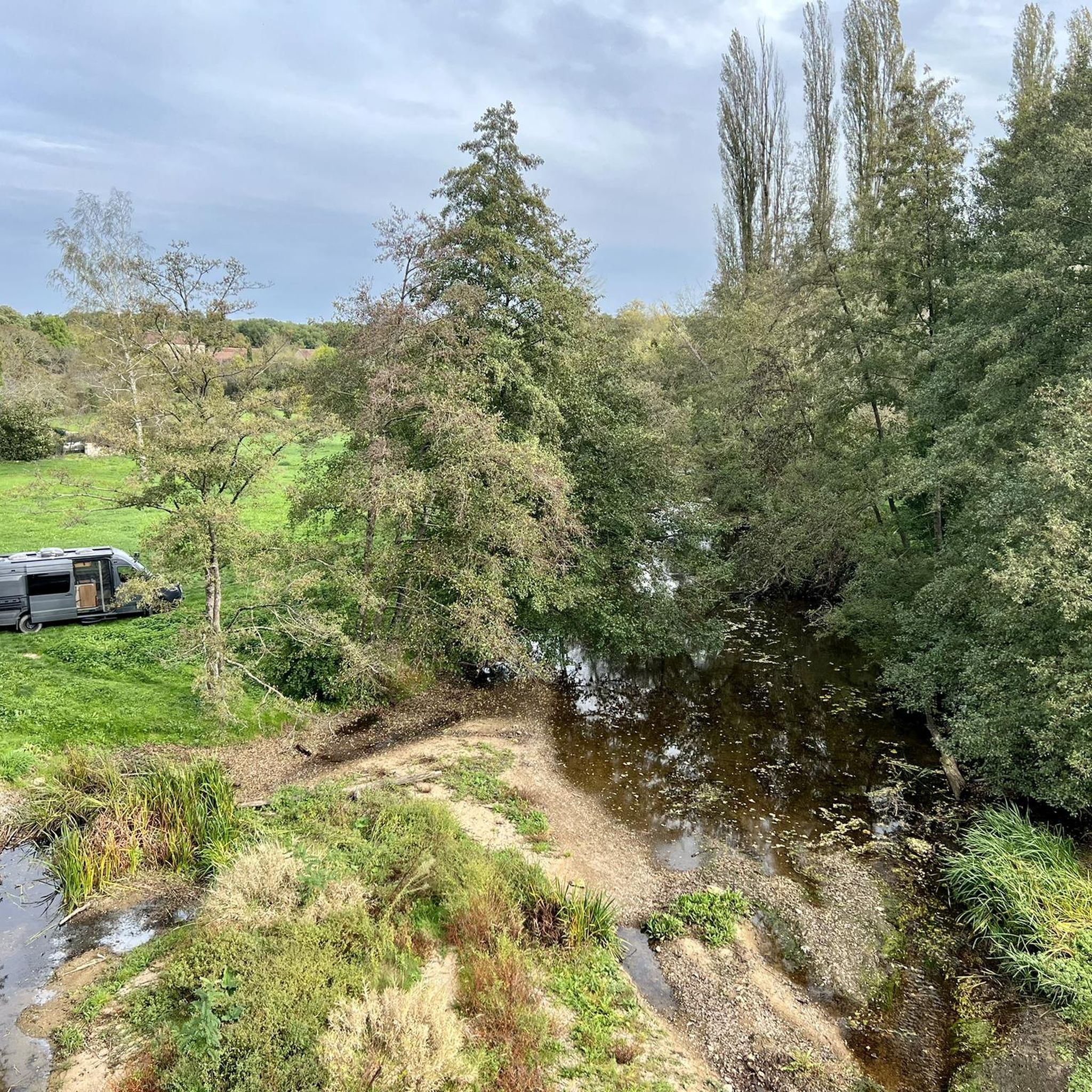
A lovely quiet, gentle stroll across the bridge with panoramic views on both sides. This bridge leads to (or from) the town of Le Blanc which has all amenities, such as cafes, shops and pharmacies.
0
0

The Château d'Ingrandes was built in the 11th century on the site of a Roman camp responsible for monitoring the Roman road linking Bourges to Poitiers.
2
0
Frequently Asked Questions
How many running routes are available around Concremiers?
There are over 80 running routes around Concremiers, offering a wide range of options. You'll find 3 easy routes, 67 moderate routes, and 18 difficult routes to explore, catering to various fitness levels.
What kind of terrain can I expect on jogging routes in Concremiers?
Jogging routes in Concremiers feature diverse terrains, from the tranquil Salleron river valley with its enclosed landscape to shaded paths along the repurposed Green Line, an old railway track. You can also find paths along the Creuse riverbanks, providing a mix of natural settings and varied surfaces for your run.
Are there any family-friendly jogging routes in Concremiers?
While specific 'family-friendly' routes aren't explicitly categorized, the 3 easy routes available would be suitable for families looking for a less strenuous run. The Green Line, an old railway track, offers straight and even paths, often shaded, which can be ideal for a relaxed family jog.
What interesting landmarks or attractions can I see along the running trails?
Many routes incorporate scenic and historical points of interest. For example, the Viaduc du Blanc – Naillac Castle loop from Le Blanc passes by the impressive Viaduc du Blanc and Naillac Castle. The broader region also features the UNESCO World Heritage site, Saint-Savin Abbey on the Gartempe, known for its frescoes, which can be a cultural highlight near some routes.
Are there any circular running routes in the Concremiers area?
Yes, several routes are designed as loops. A popular option is the Concremiers to Ingrandes loop, which is a longer, more difficult trail. For a moderate option, consider the Viaduc du Blanc – Le Blanc cycle bridge loop from Le Blanc.
What do other runners enjoy most about jogging in Concremiers?
The running routes in Concremiers are highly rated by the komoot community, with an average score of 4.7 stars from over 6 reviews. Runners often praise the diverse terrain, from tranquil river valleys to shaded paths, and the opportunity to combine physical activity with exploring historical landmarks and natural beauty.
Are there any running routes that follow historical paths?
Absolutely. The Concremiers to Ingrandes loop notably follows parts of the Green Way (an old railway track) and the ancient Roman Road, offering a unique blend of natural scenery and historical interest during your run.
Can I find routes with varying difficulty levels?
Yes, Concremiers offers a good range of difficulty. You can choose from 3 easy routes for a gentle jog, 67 moderate routes for a more sustained effort, or challenge yourself with one of the 18 difficult routes, such as the Saint-Cyran Church – Naillac Castle loop from Les Âges.
Are there places to rest or have a picnic along the jogging routes?
Yes, for those looking to combine a jog with a leisurely break, picnic areas are available at the banks of the Creuse and at Rolnier in Concremiers, as well as in other nearby locations. These spots offer a chance to relax and refuel amidst your run.
What is the best time of year for running in Concremiers?
The region's diverse landscapes, including shaded paths along the Green Line, make it suitable for running in various seasons. During warmer weather, the shaded sections are particularly appealing. The tranquil river valleys offer pleasant conditions for jogging throughout much of the year.
Are there any routes that explore the area around Le Blanc?
Yes, the area around Le Blanc is well-covered. The Viaduc du Blanc – Naillac Castle loop from Le Blanc and the Naillac Castle loop from Le Blanc are excellent choices that explore the Creuse riverbanks and historic sites in that vicinity.
Most popular routes around Concremiers
Most popular attractions around Concremiers

Get inspired with the komoot mobile app


Explore more
Browse the best Running Trails & Routes in other regions.
