Attractions and Places To See around Burgille - Top 17
Best attractions and places to see around Burgille include a variety of historical sites, scenic cycle routes, and natural landmarks. This region, situated near the Doubs river and the Rhine-Rhine Canal, offers diverse landscapes for exploration. Visitors can discover numerous points of interest, ranging from historic towns to significant engineering structures. The area provides opportunities for both active pursuits and cultural discovery.
Best attractions and places to see around Burgille
- The most popular attraction is EuroVelo 6: Doubs and Rhône-Rhine…
Last updated: July 2, 2026
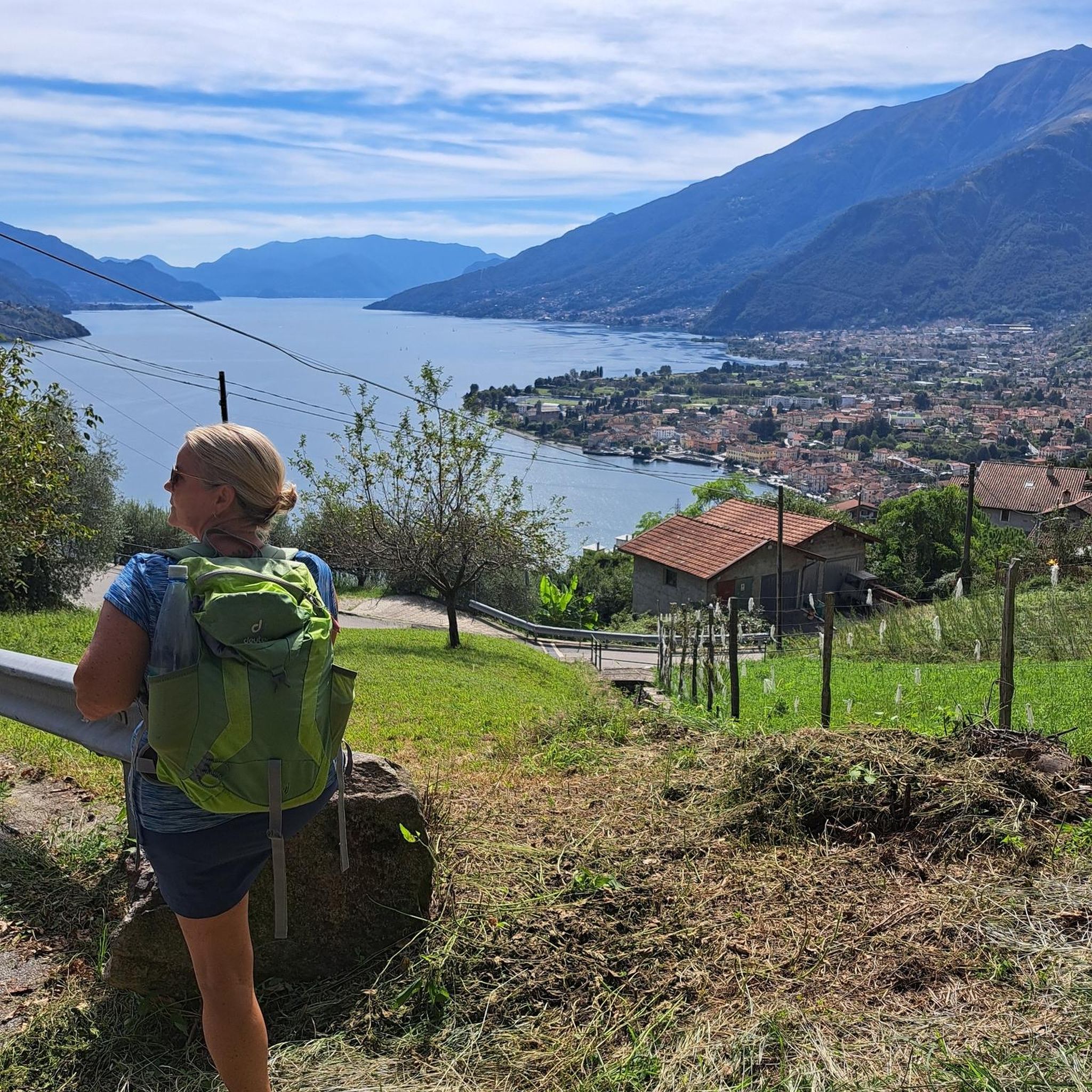
EuroVelo 6: Doubs and Rhône-Rhine Canal from Beure to Ranchot
Highlight (Segment) • Cycleway
Translated by Google •
Tip by

Historic Center of Marnay
Highlight • Historical Site
Very prosperous in the Middle Ages, due to its trade and its artisans. There …
Translated by Google •
Tip by

Sign up now to discover places like this
Get recommendations on the best single tracks, peaks, & plenty of other exciting outdoor places.
Sign up for free
🇨🇵 France 12 Dole - Besançon
Highlight (Segment) • Other
Translated by Google •
Tip by

View of Château Roset-Fluans
Highlight • Castle
Translated by Google •
Tip by

Suspension bridge
Highlight • Other
Translated by Google •
Tip by
Sign up for free to discover even more attractions around Burgille.
Sign up for free
Already have an account?
Start today with a free account
Your next adventure awaits.
Login or Signup


Tips from the Community

With today's start in Dole, we have left the Burgundy region, which was independent until 2015, and are now also moving into the former Franche Comté region, which existed until 2015. In 2015, both regions were merged to form the new Bourgogne Franche Comté region. On this section, the Rhine-Rhone canal flows for large parts in the bed of the Doubs, which has its source in the Swiss Alps. Besançon is the capital of Franche-Comté, voted the "greenest city in France", and the city of art and history; Besançon has 184 buildings classified as Historic Monuments. Vauban's fortifications are a UNESCO World Heritage Site (citadel, city walls and Fort Griffon). The Rhine-Rhone Canal is a watershed canal that overcomes a total height difference of around 280 meters, of which 170 meters are on the Saône valley side, which are overcome with 82 locks, and 110 meters on the Rhine side, which requires 40 locks.
0
0

Characterful Comtoise town which was part of the Holy Roman Empire until the treaty of 1678. Very prosperous in the Middle Ages, due to its trade and its artisans. There has been a cloth hall there since the 14th century, after Jeanne de Bourgogne, countess of Franche-Comté and queen of King Philippe V the Long of France, brought weavers from Paris there. From June 14, 1354 and until the Revolution, the bourgeoisie of Marnay had a charter of emancipation which ensured them security and abundance - "anyone who has a house and keeps fire in the village will be bourgeois". This charter allowed residents to administer the city themselves and thus build ramparts and set up the individual gardens that can still be found there today.
0
0
Suspension bridge initially built between 1893 to 1897 to replace the existing ferry. However, it was cut in two in 1944 during the withdrawal of German troops. The ferry therefore resumed service until 1951, when the bridge was rebuilt on the foundations of the previous one.
1
0
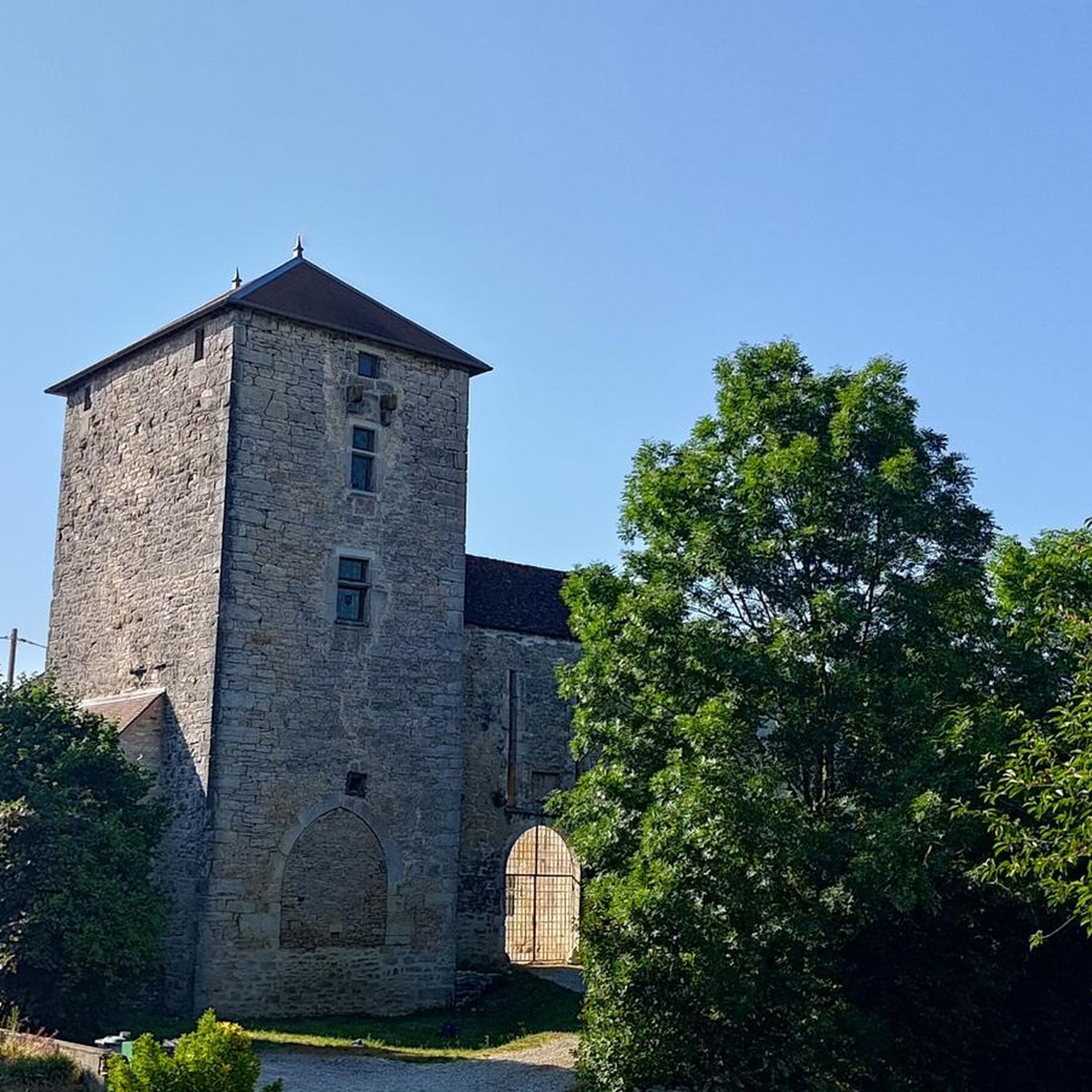
Don't forget to admire on the other bank, while looking up, the Château Roset-Fluans, already mentioned in texts since the beginning of the 12th century. However, its current architecture dates from the 17th century. It has been listed as a historic monument since 2016.
1
0

Beautiful scenery and nice bike path.
2
1
Great bike path and beautiful scenery on the canal and Doubs.
2
1
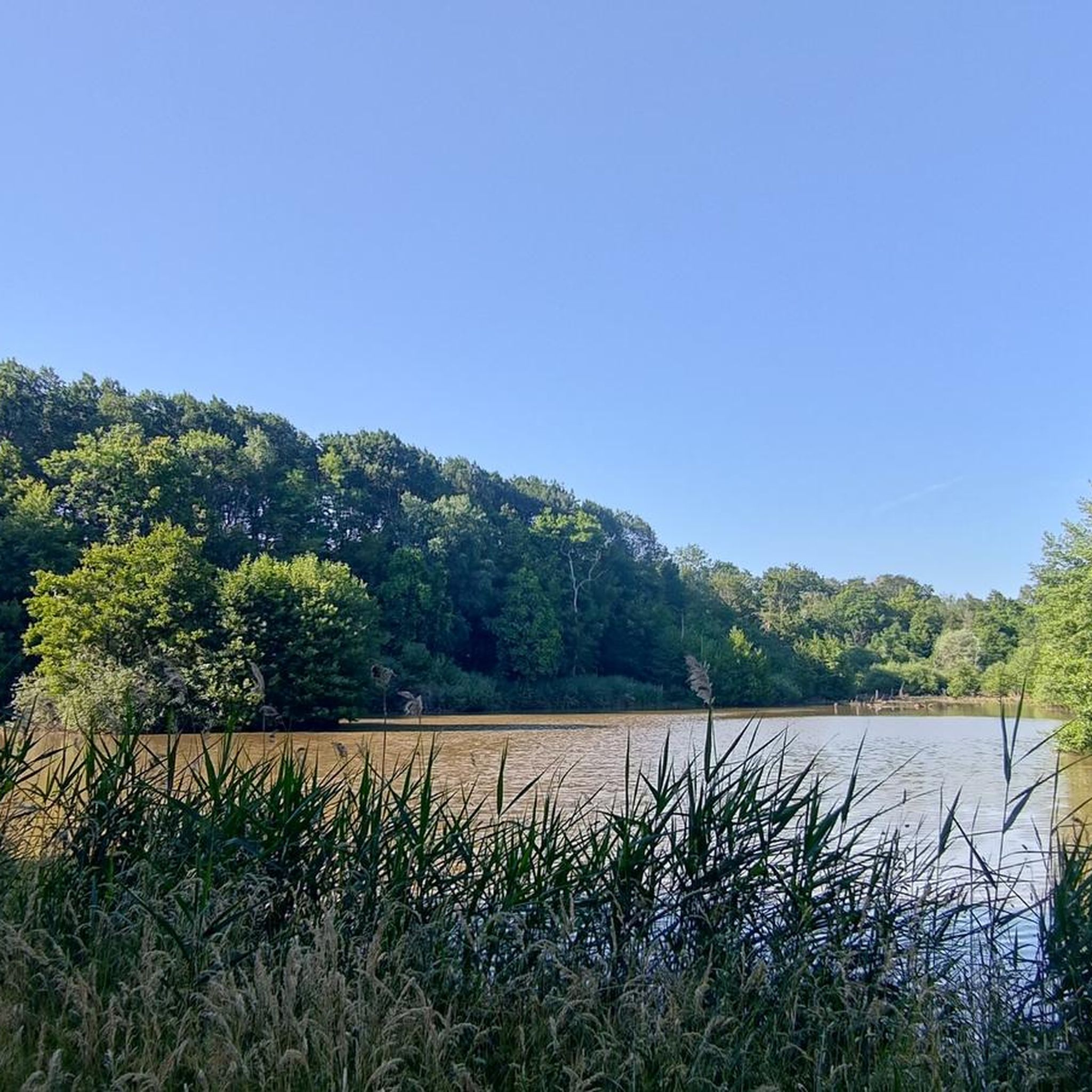
Beautiful view over the canal and Doubs to the château.
3
0

this is cycling meditation - and now at the end of May everything is blooming. Enjoying a beautiful landscape in peace - away from car traffic. Highly recommended. One of the most beautiful sections of the EuroVelo 6.
3
0
Frequently Asked Questions
What are some of the most popular attractions around Burgille?
Visitors highly recommend the EuroVelo 6: Doubs and Rhône-Rhine Canal from Beure to Ranchot, known for its well-developed, car-free cycle path and beautiful landscapes. The Historic Center of Marnay is also a favorite, offering a glimpse into a characterful Comtoise town with rich medieval history.
Are there family-friendly activities or attractions in the Burgille area?
Yes, the region offers several family-friendly options. The EuroVelo 6: Doubs and Rhône-Rhine Canal from Beure to Ranchot is ideal for family cycling, being well-maintained and free of car traffic. The Historic Center of Marnay provides an engaging historical exploration for all ages.
What kind of historical sites can I visit near Burgille?
The area is rich in history. You can explore the Historic Center of Marnay, a medieval town with a charter of emancipation from 1354 and remnants of its ramparts. Additionally, the Suspension bridge, originally built in the late 19th century and rebuilt after WWII, offers a look into the region's engineering past. Don't miss the Château Roset-Fluans, a historic monument dating back to the 12th century with 17th-century architecture.
Are there any easy hiking trails around Burgille?
Yes, for those looking for easier walks, the region offers options like the 'Château de Marnay – Marnay loop from Chenevrey-et-Morogne', which is rated as easy. You can find more hiking routes and details on the Hiking around Burgille guide.
What outdoor activities can I do near these attractions?
The area around Burgille is excellent for outdoor activities, especially cycling and hiking. You can enjoy scenic routes along the Doubs river and Rhine-Rhine Canal, such as the EuroVelo 6. For more options, explore the Cycling around Burgille and Hiking around Burgille guides, which list various routes including moderate and difficult options.
Can I find circular walking routes in the Burgille area?
Yes, there are several circular walking routes available. For example, you can find the 'Marnaysian loop' or the 'Château de Cordiron loop from Burgille' which are moderate difficulty. Discover more circular routes in the Hiking around Burgille guide.
What natural features can I see when visiting Burgille?
The region is characterized by its proximity to the Doubs river and the Rhine-Rhine Canal, offering picturesque waterside landscapes. The EuroVelo 6 cycle path provides excellent views of these waterways and the surrounding natural beauty. You can also enjoy views of the Doubs from spots like the Château Roset-Fluans.
What do visitors enjoy most about the attractions around Burgille?
Visitors particularly appreciate the well-maintained and car-free nature of the cycle paths, especially along the EuroVelo 6, highlighting the great landscapes. The historical depth of places like the Historic Center of Marnay and the architectural significance of the Suspension bridge are also highly valued.
Are there any gravel biking routes near Burgille's attractions?
Yes, for gravel biking enthusiasts, there are several routes available. Options range from moderate to difficult, such as the 'Marnay Dam – Shelter on the Way of St. James. loop from Émagny' or the 'Feudal Enclosure of Châtelard loop from Pouilley-Français'. More details can be found in the Gravel biking around Burgille guide.
What is the significance of the Rhine-Rhone Canal in this region?
The Rhine-Rhone Canal is a significant feature, flowing for large parts in the bed of the Doubs river. It's a watershed canal that overcomes a substantial height difference through numerous locks. This canal is integral to the landscape and offers scenic routes, including sections of the EuroVelo 6.
Can I find any castles or châteaux to view in the area?
Yes, you can admire the Château Roset-Fluans, which has been mentioned in texts since the early 12th century and features architecture from the 17th century. It is listed as a historic monument and offers beautiful views over the canal and Doubs river.
Most popular routes around Burgille

Get inspired with the komoot mobile app


Explore more
Still not found the Highlight you’re looking for? See guides of the top attractions in other regions:
