Top 4 Castles around Courcelles-Sur-Nied
Castles around Courcelles-Sur-Nied offer a journey through centuries of history, showcasing diverse architectural styles from medieval fortifications to 18th-century classical designs. The region features structures that served as city gates, private residences, and military forts, reflecting its strategic importance. Many sites are located near Metz, providing insights into the area's historical development and cultural heritage.
Best castles around Courcelles-Sur-Nied
- The most popular castles is Porte des Allemands, a historical_site that served as the main entrance to Metz from the…
Last updated: October 11, 2026
Porte des Allemands
Highlight • Historical Site
Translated by Google •
Tip by

Fort de Queuleu
Highlight (Segment) • Historical Site
Translated by Google •
Tip by

Sign up now to discover places like this
Get recommendations on the best single tracks, peaks, & plenty of other exciting outdoor places.
Ferme de la Haute-Bevoye
Highlight • Castle
Translated by Google •
Tip by

Pange Castle
Highlight • Castle
Translated by Google •
Tip by

Mercy Castle
Highlight • Castle
Translated by Google •
Tip by
Sign up for free to discover even more castles around Courcelles-Sur-Nied.
Already have an account?
Start today with a free account
Your next adventure awaits.
Tips from the Community

Two farms were located on the old path between Metz and Peltre, the Haute Bévoye and the Basse Bévoye. The Haute Bévoye, on a hill, is a fortified farm documented from the early 14th century. In 1404, it belonged to "Jehan Xaippey", i.e. Jean de Raigecourt, known as Xappel; 12 cattle and 8 horses were raised there at the time. In addition to an 18th-century dwelling and farm buildings, the layout of the medieval castle remains legible, with four rectangular wings surrounded by a moat; two wings and three towers recall the initial state. https://melodi.univ-lorraine.fr/s/projet-cite-de-metz/item/2973
1
0

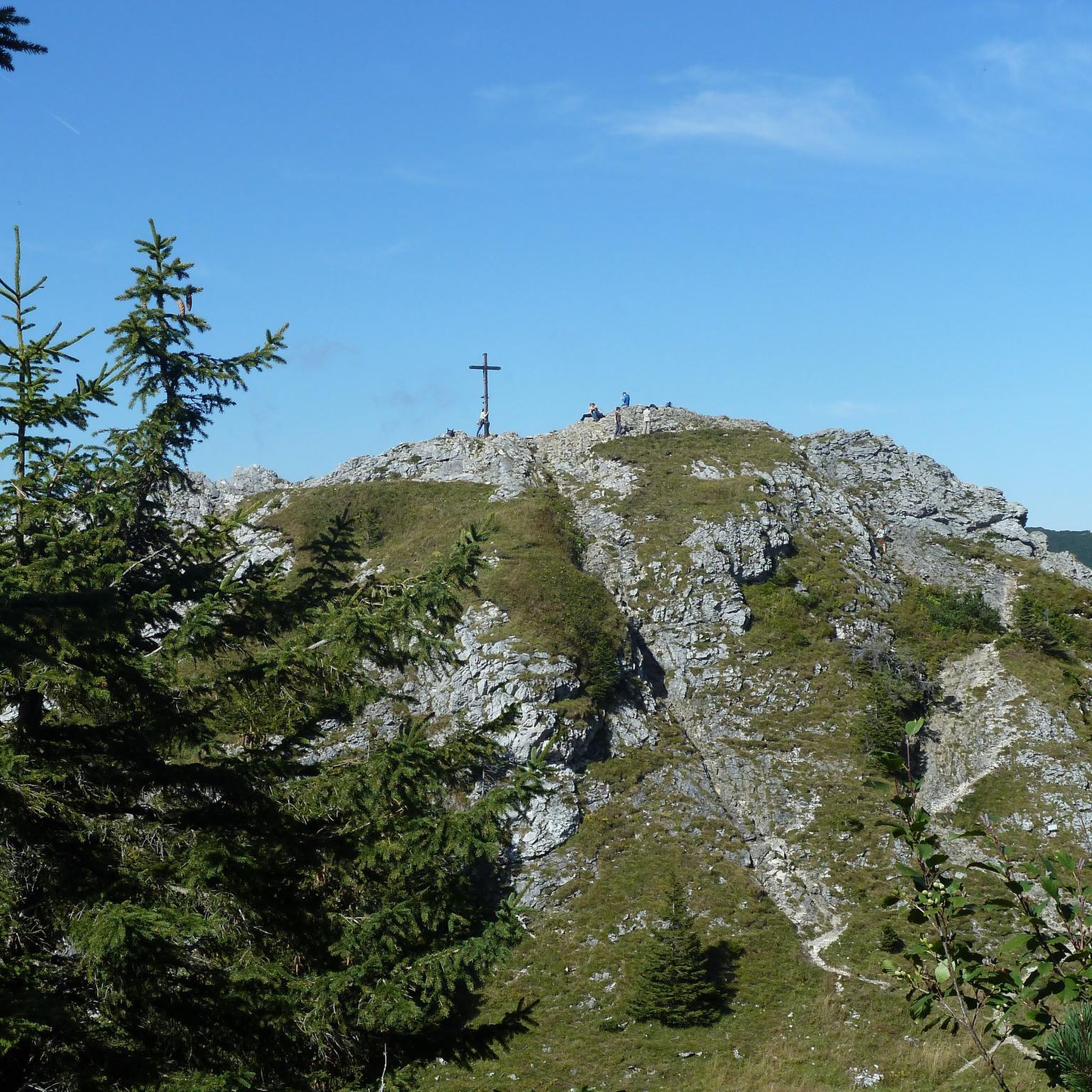
The fort is still maintained as a historical memorial. The inner fortress is actually more of a small park - with playgrounds and picnic areas. The still recognizable building ruins serve as a refuge for bats. The very extensive area around it is surrounded by hiking trails, the fortress walls and, above all, the deep defensive ditch are always present.
2
0

Of the original 17 city gates, only the German Gate in the east remains. Named after the former hospital of the Teutonic Order, which stood nearby, it was built as an entrance to the city on a bridge over the Seuille River. A medieval structure straight out of a picture book.
6
1

beautiful walk starting from the Col de Lessy
1
0

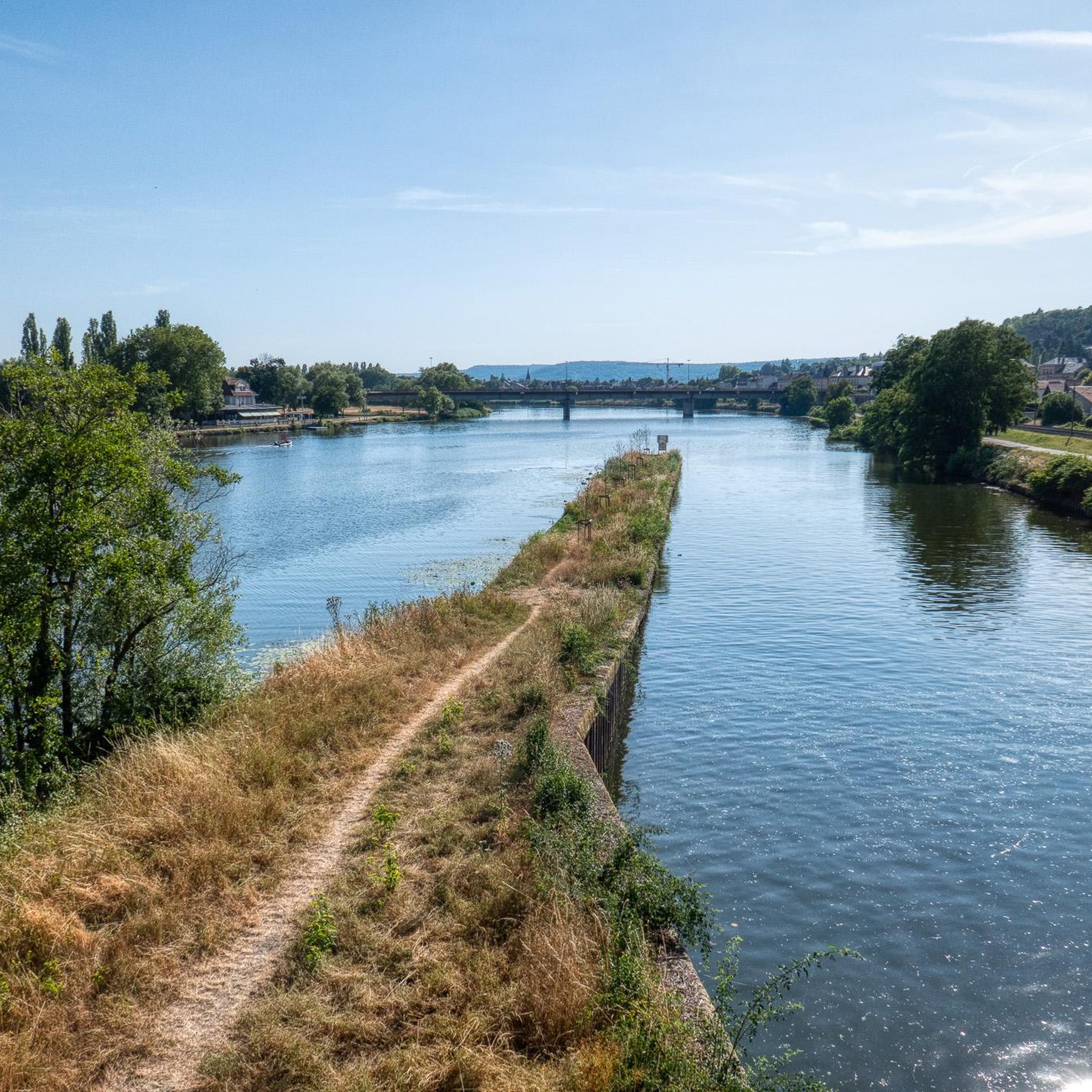
Impressive and well-preserved gate of the medieval city fortifications on the Seille.
6
0

"...One of the sights in Metz that really impressed me was the German Gate (Porte des Allemands). It is an imposing city gate that looks like a small castle with its massive towers and double gate. It was built in the 13th century and was part of the city wall that..." Find out more about the sights of Metz in my blog post: 👉 https://www.netreisetagebuch.de/metz-sehenswuerdigkeiten/
5
1

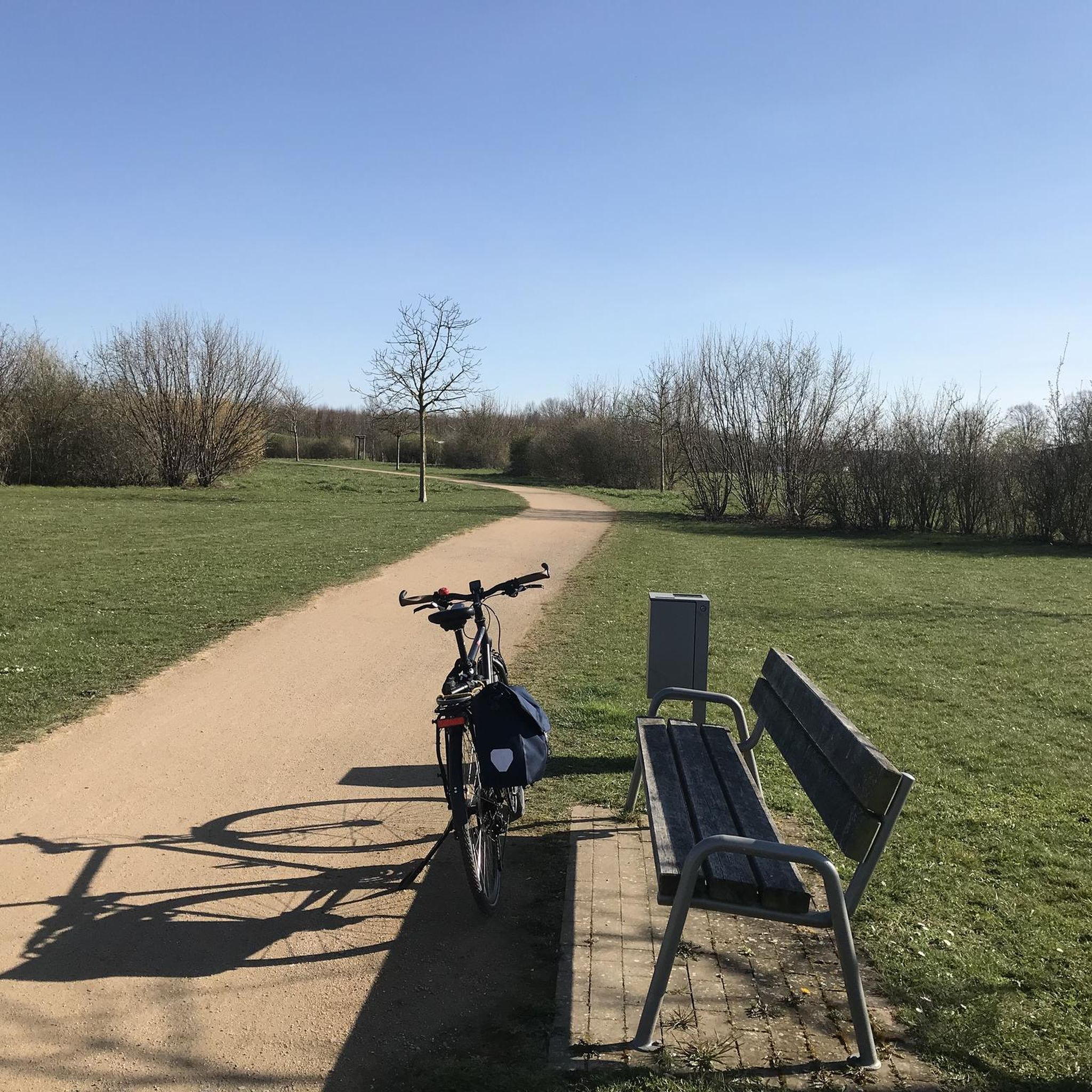
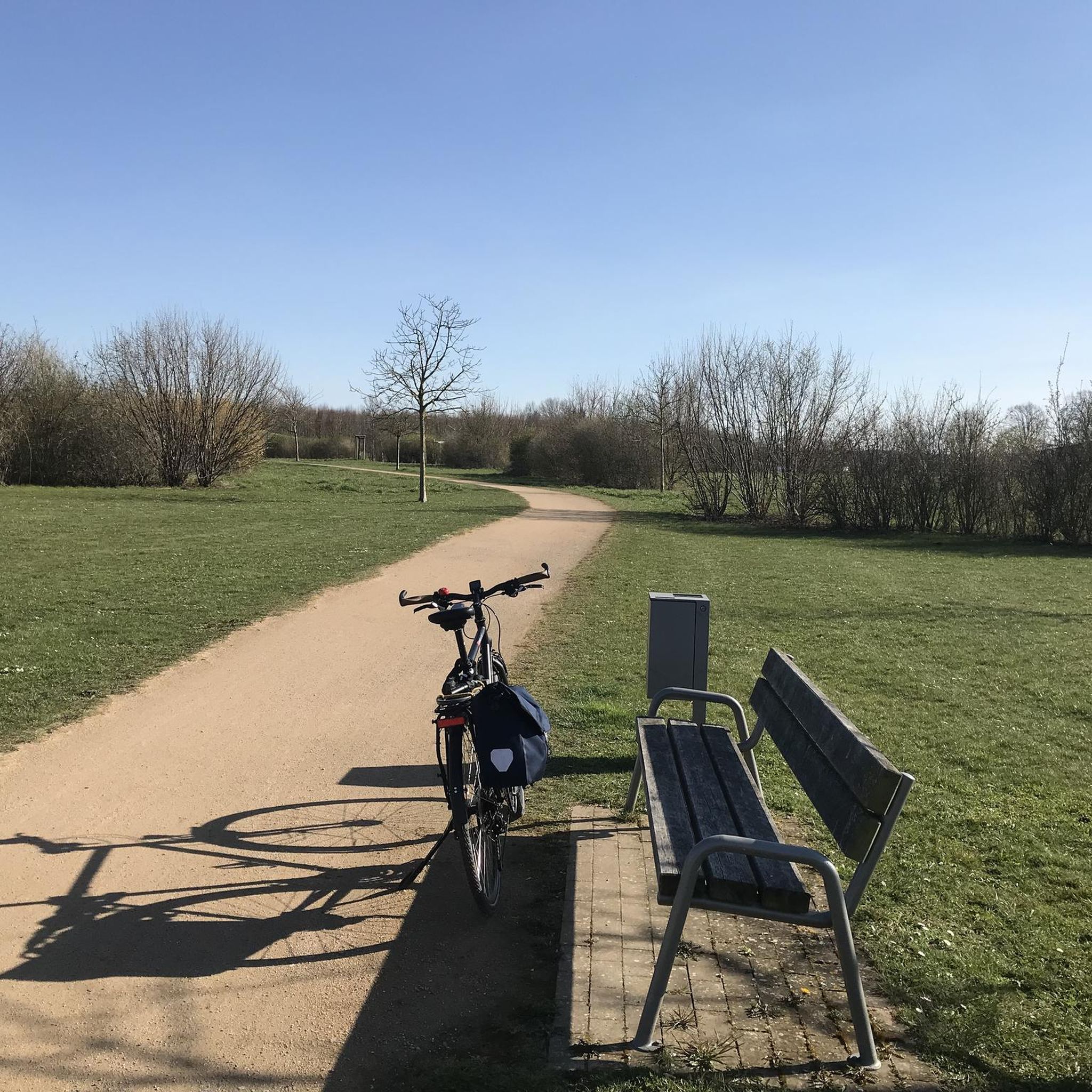
Here you will find many benches and rubbish bins
0
0
Frequently Asked Questions
What are some of the most historically significant castles around Courcelles-Sur-Nied?
The region boasts several historically significant sites. The Porte des Allemands in Metz is a unique medieval fortified city gate, the only one preserved from the 13th century. Fort Queuleu, built in 1868, offers a glimpse into military architecture and its later use during WWII. Mercy Castle, though currently undergoing refurbishment, represents a distinct French architectural style from the early 20th century.
Are there any family-friendly castles to visit in the area?
Yes, both the Porte des Allemands and Fort Queuleu are considered family-friendly. The Porte des Allemands offers an engaging historical experience as a medieval city gate and bridge, while Fort Queuleu provides a fascinating, albeit somber, look into military history amidst a natural setting.
Are there any hidden gem castles near Courcelles-Sur-Nied?
While not entirely 'hidden,' Landon-Villers Castle offers a unique experience. It houses a collection of religious works of art, including relics and icons. Visits typically require advance registration, often for groups, making it a more exclusive and less commonly visited site.
What are the typical opening hours for castles in the Courcelles-Sur-Nied region?
Opening hours vary significantly between sites. For example, Porte des Allemands is generally accessible, but specific internal areas might have limited hours. Pange Castle, while featuring splendid gardens, is currently not open to the public for interior visits, though its website (http://www.chateaudepange.fr/) may provide updates. Landon-Villers Castle requires advance registration for visits. It's always best to check the official websites or contact the specific castle directly before your visit.
Can I visit castles that are still privately owned?
Yes, some castles in the region are privately owned but may offer visitation options. Pange Castle is still owned by the Pange family and is being developed as a center for arts and culture, though public access to the interior is currently limited. Landon-Villers Castle is also privately owned but allows visits to its icon collection by advance registration.
Are there opportunities for outdoor activities like walking or cycling near these castles?
Absolutely. The region around Courcelles-Sur-Nied offers various outdoor activities. You can find numerous cycling routes, including a moderate 10 km loop from Courcelles-sur-Nied to Pange Castle. For hiking, there's a moderate 19 km loop around Pange Castle. You can explore more options for cycling, running, and hiking around Courcelles-Sur-Nied.
What is the best time of year to visit the castles around Courcelles-Sur-Nied?
The spring and autumn months generally offer pleasant weather for exploring the castles and their surroundings. Spring brings blooming gardens, especially at places like Pange Castle, while autumn provides beautiful foliage. Summer is also popular, but can be warmer. Always check individual castle websites for specific seasonal events or closures.
Are there any castles open during the winter months?
Access during winter can be limited for some sites, especially those with extensive gardens or outdoor features. Historical sites like the Porte des Allemands, being an outdoor structure, are generally accessible year-round, though specific internal areas might have reduced hours. For privately owned castles like Pange Castle or Landon-Villers Castle, it's crucial to verify their winter operating schedules or appointment availability in advance.
Is parking available at the castles?
Parking availability varies by location. Major sites like the Porte des Allemands in Metz are typically located in urban areas with public parking options nearby, which may be paid. For castles in more rural settings, such as Pange Castle, there might be dedicated parking lots or roadside parking. It's advisable to check the specific castle's website or local tourism information for detailed parking instructions.
How can I reach the castles around Courcelles-Sur-Nied by public transport?
Public transport options largely depend on the castle's proximity to larger towns like Metz. The Porte des Allemands is easily accessible within Metz by local buses or walking from the city center. For castles further afield, such as Pange Castle, public transport might be less direct, potentially requiring a combination of bus services and a walk, or a taxi from the nearest town. Planning your route with local transport apps or websites is recommended.
Are there any castles that are wheelchair accessible?
Accessibility can be challenging for older historical structures. While the grounds or exterior views of some castles might be accessible, interior access, especially in medieval fortifications like the Porte des Allemands with its multiple levels and narrow passages, may be limited. Modernized or more recently built structures might offer better accessibility. It is best to contact each specific castle directly to inquire about their wheelchair accessibility features.
Most popular routes around Courcelles-Sur-Nied
Most popular attractions around Courcelles-Sur-Nied

Get inspired with the komoot mobile app


Explore more
Looking for the best castles somewhere else? Discover other guides around Courcelles-Sur-Nied:
