The best road cycling routes around L'Étang-Bertrand
4.4
(40)
2,323
riders
357
rides
Road cycling routes around L'Étang-Bertrand offer diverse landscapes within the Manche department of Normandy, France. The region features the "bocage Normand," characterized by hedged fields, orchards, and quiet country lanes, providing a verdant cycling experience. Roads are mostly paved and undulating, with some steeper climbs present in the broader Cotentin region. The area also includes rivers like the Douve and local ponds, contributing to scenic routes across agricultural land.
Best road cycling routes around L'Étang-Bertrand
- The most popular road cycling…
Last updated: July 5, 2026
5.0
(1)
29
riders
48.4km
02:11
460m
460m
Moderate road ride. Good fitness required. Mostly well-paved surfaces and easy to ride.
18
riders
54.1km
02:34
690m
690m
Moderate road ride. Good fitness required. Mostly well-paved surfaces and easy to ride.

Sign up for free
19
riders
40.7km
01:40
250m
250m
Easy road ride. Great for any fitness level. Mostly well-paved surfaces and easy to ride.
20
riders
50.9km
02:15
510m
510m
Moderate road ride. Good fitness required. Mostly well-paved surfaces and easy to ride.
4.0
(3)
15
riders
31.9km
01:22
260m
250m
Easy road ride. Great for any fitness level. Mostly well-paved surfaces and easy to ride.
Get access to more routes and recommendations from other explorers.
Sign up for free
Already have an account?
Our route recommendations are based on thousands of hikes, rides, and runs completed by other people on komoot.
Start today with a free account
Your next adventure awaits.
Login or Signup


Tips from the Community

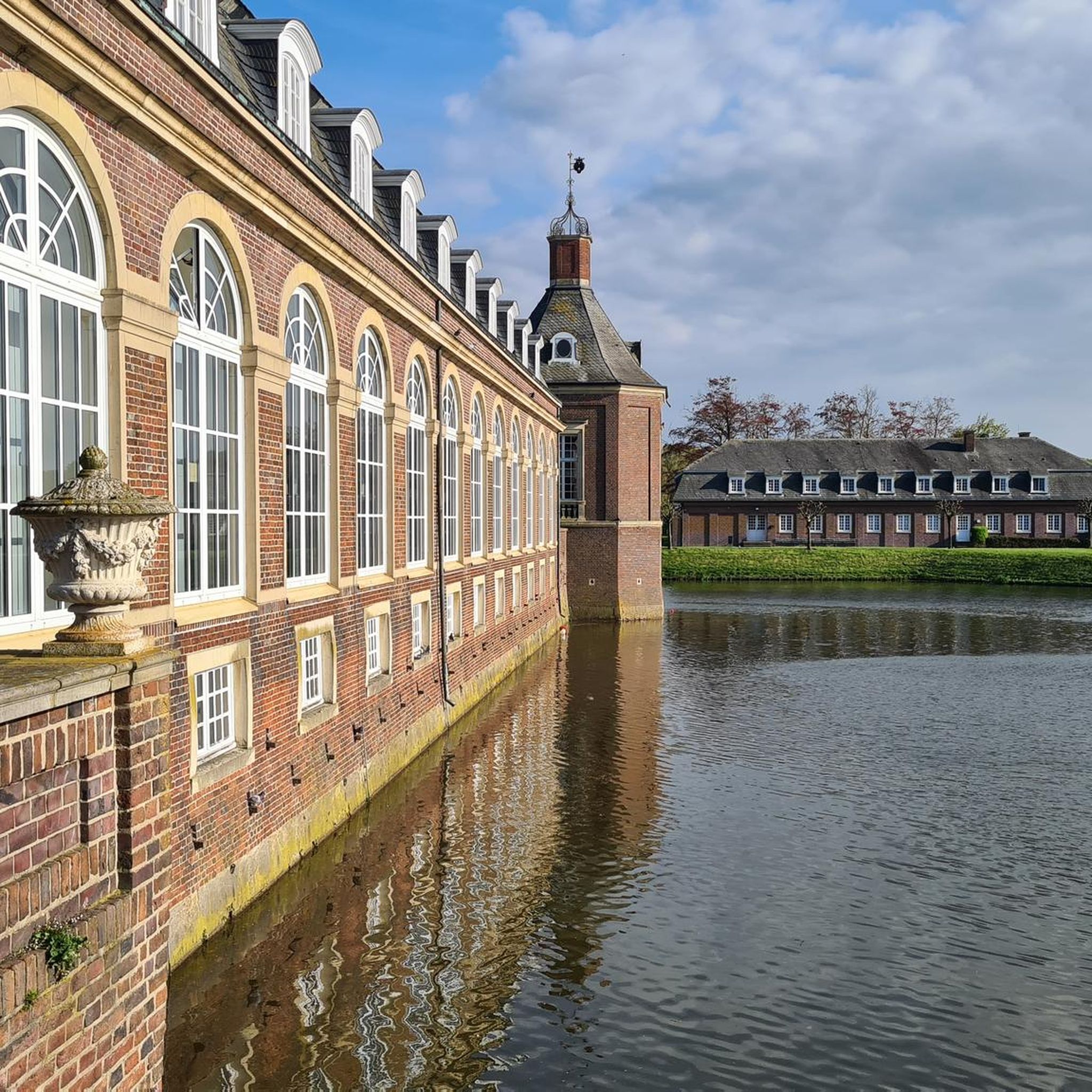
The charm of Cotentin in its purest form
0
0


Quiet road in Chateau du Rozel, ideal for cycling
0
0


While the Sainte-Trinité church was the only church in Cherbourg, and faced with the development of the working-class district of Roule, Father Cabart, chaplain of the civil hospital of Cherbourg, launched a subscription in December 1825 to build a chapel on the right bank of the Divette. The sub-prefect and five priests contributed their contribution. In February 1827, a plot of land was donated along Avenue Carnot (now Avenue de Paris), and during the visit of the Duchess of Angoulême to Cherbourg, she gave a thousand francs in response to the petition for the construction of the building by the poet-barber of Roule, Michel Legoupil, who would become treasurer of the factory. After the death of Father Cabart, his sister ordered his successor, Father Régnet, in 1831 to implement the chapel and school project. Charles-Louis-Napoléon Robert (1804-1885), a naval engineer, acted as architect and project manager, and delivered a sanctuary inspired by the Gothic style, 25 meters long and 8.5 meters wide, which was blessed on September 8, 1832, by Abbé Briquet, priest of Cherbourg in the presence of the mayor of Cherbourg. In 1836, under the aegis of Abbé Godefroy, chaplain of La Bucaille and church architect, two chapels were added to form a transept, and this annex of the Trinity was erected as a branch by royal decree of December 12. On September 23, 1839, Mgr Robiou, bishop of Coutances, informed the municipal council of Cherbourg that he was appointing a vicar to the church. The floor area of the latter was increased to 407 m2 by extending the nave by 11 metres in 1842, with a new portal above which a bell tower was built according to the plans of Abbot Godefroy. The City, which had always refused to finance the building, favouring the construction of the Saint-Clément church, became the owner of the place of worship in 1870 (or 1873, depending on the documents), after the individuals who had built the church had donated it to it (on condition that the City ensure its maintenance; the deed was apparently passed before Me Gosse in 1874). It had to add buttresses to the eastern wall in 1911. The "Battle of Cherbourg" during the Second World War left only the walls of the church. It was rebuilt until 1952 by Levavasseur and Lebreton who widened the entrance to the two chapels and the door of the Saint-Joseph chapel, enlarged the gallery, and removed the pulpit. Bishop Guyot blessed the church on February 24, 1952.
0
0

Cycling around Portbail Harbour is a delightful experience, combining picturesque coastal views with a rich maritime history. The church spire and shipwrecks provide a magical experience as you pass along the Route de la Plage.
1
0
Frequently Asked Questions
How many road cycling routes are available around L'Étang-Bertrand?
There are over 340 road cycling routes in and around L'Étang-Bertrand, offering a wide variety of options for cyclists of all levels. The komoot community has explored these routes over 2,000 times.
What kind of terrain can I expect on road cycling routes in L'Étang-Bertrand?
The region is characterized by its 'bocage normand' – a picturesque landscape of hedged fields, orchards, and quiet country lanes. While many routes offer a verdant, immersive experience through the rural Norman charm, you can also find undulating roads and some steep climbs, particularly in the broader Cotentin region, for those seeking more vigorous rides.
Are there easy road cycling routes suitable for beginners in L'Étang-Bertrand?
Yes, L'Étang-Bertrand offers a good selection of routes suitable for beginners. There are 59 routes classified as easy, providing a gentle introduction to road cycling in the area. These often include 'Voie Verte' (greenways) which are typically flat and free from motorized traffic.
What are some challenging road cycling routes for experienced riders?
For experienced riders seeking a challenge, there are 30 difficult routes available. These routes often feature 'windy roads and bumpy' sections and 'steep little climbs' as mentioned in the regional research, providing a more vigorous workout. An example of a moderate route with significant elevation is the Bricquebec Castle – Château de Le Rozel loop from Négreville, which covers 56.2 km with over 650 meters of elevation gain.
What historical landmarks can I see along the road cycling routes?
L'Étang-Bertrand and its surroundings are rich in history. You can encounter ancient crosswalks from the Romanesque period, 19th-century tower mills, and even Neolithic covered alleys. Notable landmarks include the Château de Bricquebec, which is part of several cycling loops, and the historic village of Saint-Sauveur-le-Vicomte. The village of L'Étang-Bertrand itself has historical roots dating back to the 13th century.
Are there any scenic viewpoints or natural attractions along the routes?
Absolutely. The region boasts picturesque 'bocage normand' landscapes, rivers like the Douve, and local ponds such as the Étang des Planquettes. Some routes, particularly those near Doville, offer 'exceptional panoramas' over the Anglo-Norman islands and marshes. The View of the Marais de la Chuque – Port on the Sinope loop from Négreville offers views of marshlands and coastal areas.
What do other road cyclists enjoy most about cycling in L'Étang-Bertrand?
The area is highly rated by the komoot community, with an average score of 4.5 stars from over 30 reviews. Reviewers often praise the diverse landscapes, the quiet country lanes, and the integration of historical sites, which combine to offer an engaging experience for cyclists.
Are there family-friendly road cycling options in the area?
Yes, the presence of 'Voie Verte' (greenways) makes L'Étang-Bertrand an ideal destination for family-friendly cycling. These paths are typically flat and free from motorized traffic, ensuring a safe and enjoyable experience for cyclists of all ages. You can find 59 easy routes that are generally suitable for families.
What is the best time of year to go road cycling in L'Étang-Bertrand?
While specific seasonal details aren't provided, the 'bocage normand' landscape suggests that spring and summer would offer the most verdant and pleasant conditions for cycling, with trees providing shade along many routes. Autumn would also be beautiful with changing foliage.
Are there loop routes available for road cyclists?
Yes, many of the road cycling routes around L'Étang-Bertrand are designed as loops, allowing you to start and end at the same point. Examples include the popular Maison de Pierre in Bricquebec – Bricquebec Castle loop from Négreville and the Banks of the Gloire – Hôtel Grandval Caligny loop from Négreville.
Where can I find parking for road cycling routes in L'Étang-Bertrand?
While specific parking locations are not detailed, many routes start from villages like Négreville, which would typically offer public parking facilities. Given the rural nature of the area, parking is generally accessible near trailheads or village centers.
Are there any long-distance road cycling routes in L'Étang-Bertrand?
Yes, the region offers several longer routes for those looking for extended rides. For example, the Water's edge – View of the Marais de la Chuque loop from Négreville is a substantial 76.9 km route, providing a longer exploration of the area's landscapes.
Most popular routes around L'Étang-Bertrand
Most popular attractions around L'Étang-Bertrand

Get inspired with the komoot mobile app


Explore more
Browse the best Road cycling routes in other regions.
